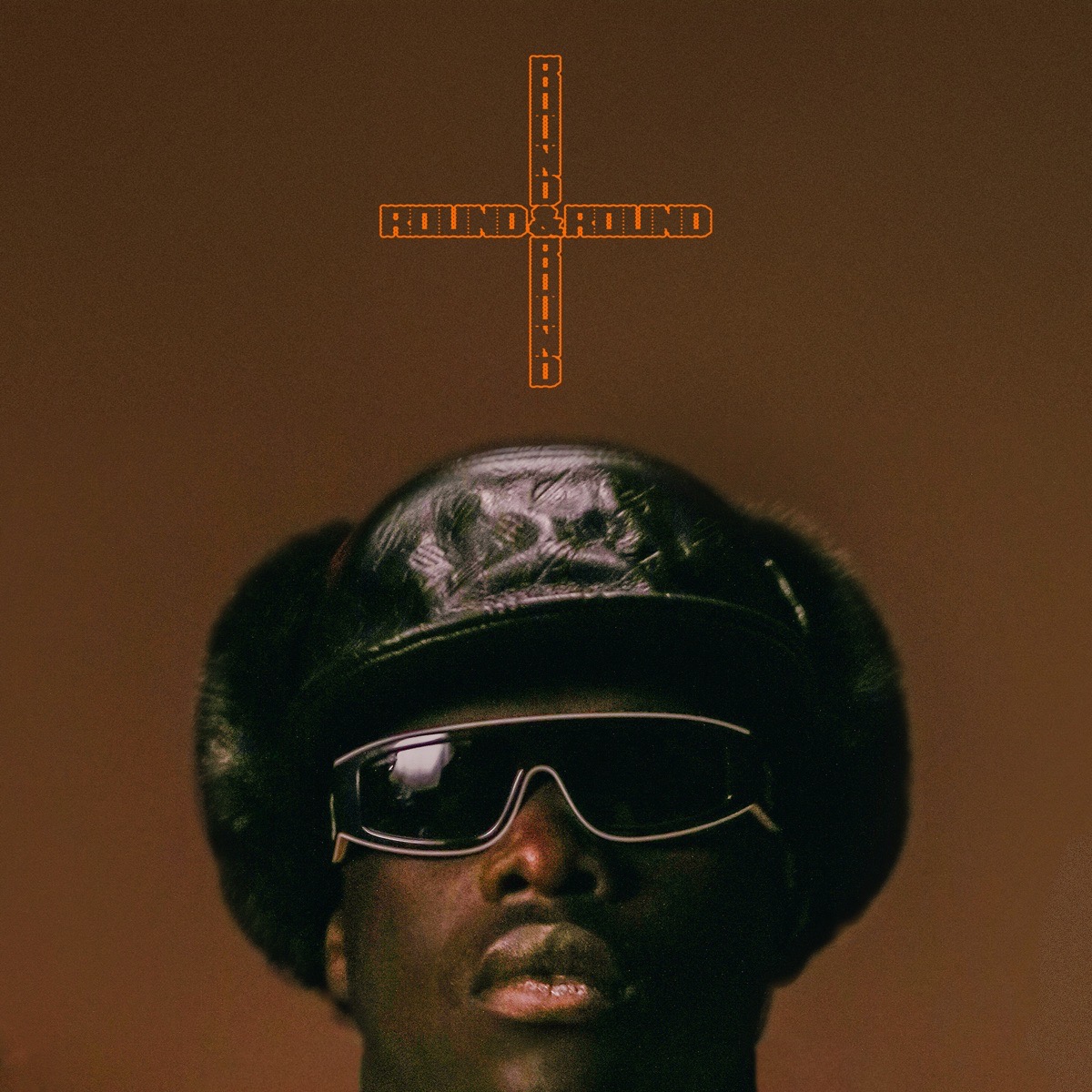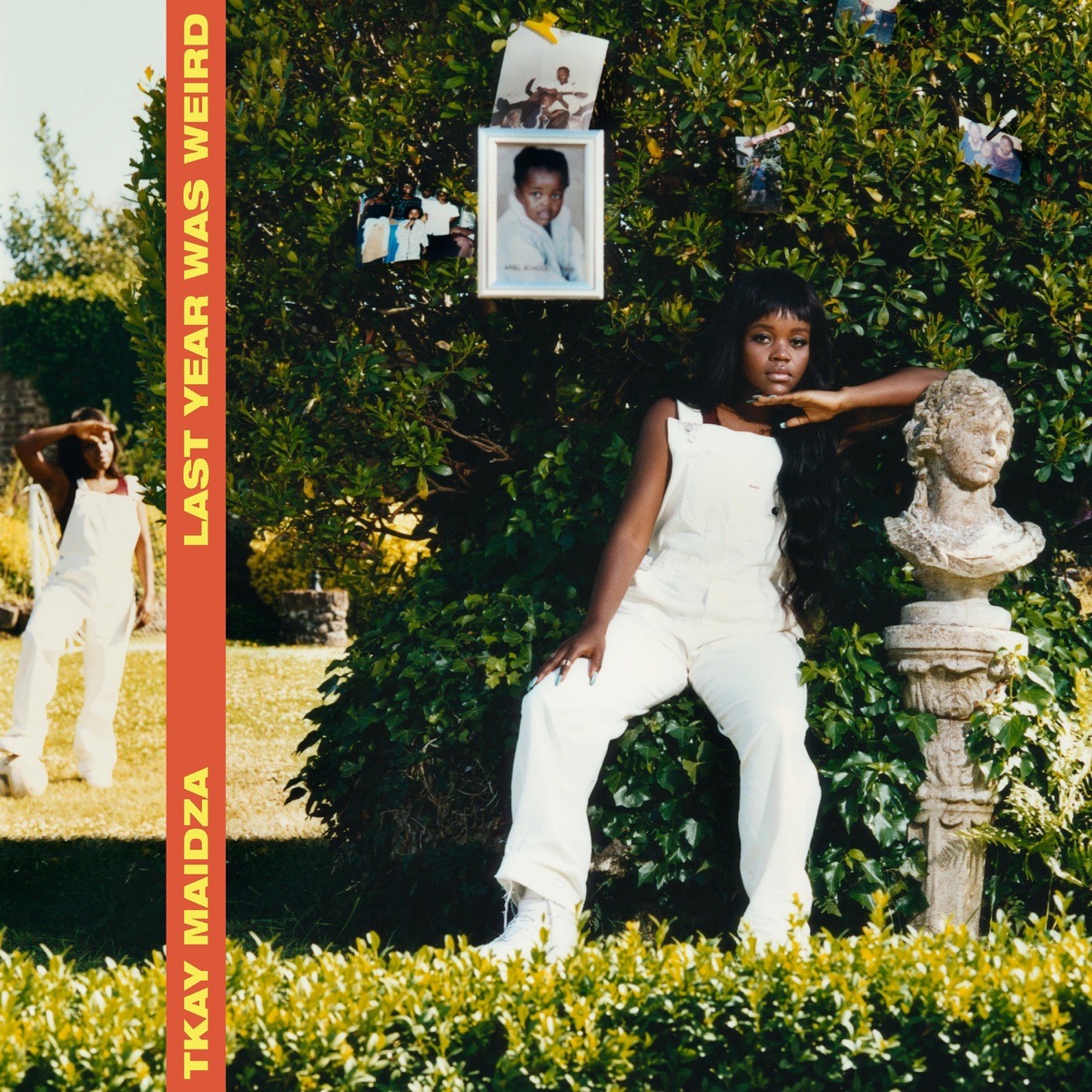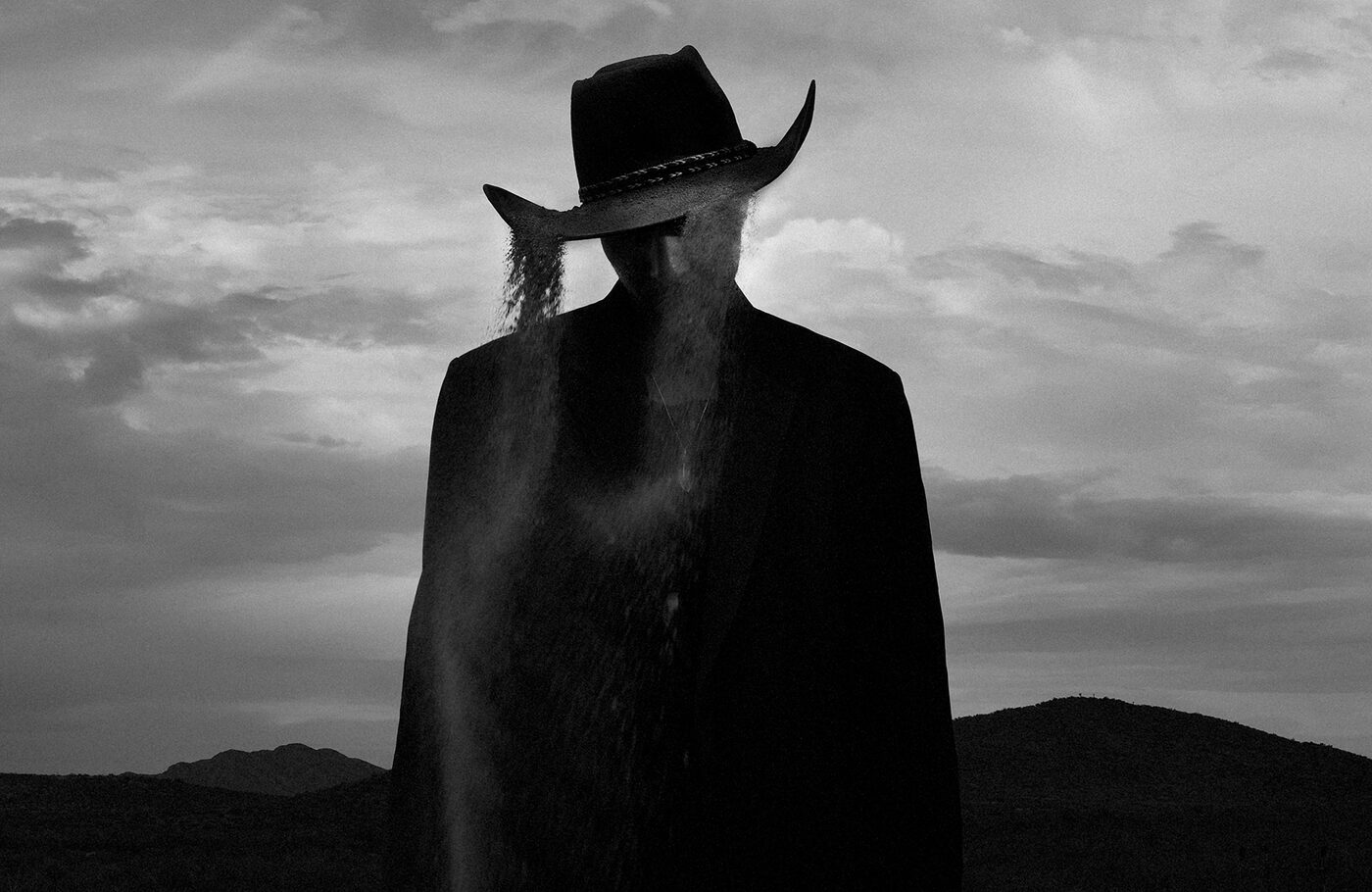
When Amaarae performed at Coachella in April 2025, she became the first Ghanaian artist to headline a solo set at the festival, and she marked the occasion by shaving her head on stage while announcing her forthcoming album Black Star. It was not a stunt. It was a declaration, and for anyone who had been paying attention since The Angel You Don't Know in 2020, it read as entirely consistent with everything she had always been building.
Born Between Worlds

Ama Serwah Genfi was born in New York to Ghanaian parents and raised across Ghana, Atlanta, and London. That movement is not incidental to her music. It is the music. Amaarae does not make Afrobeats, though she draws from its rhythmic logic. She does not make R&B, though she inhabits its emotional language with a fluency that has led people to reach for that label. She makes something that exists in the gaps between those categories, music that is identifiably Ghanaian in its sensibility even when it sounds like nothing that came from Ghana before it.
Her debut album The Angel You Don't Know arrived in 2020 on her own Golden Child Entertainment imprint and announced her immediately as one of the most interesting voices in the genre she was inventing for herself. The record balanced atmospheric production against her signature high, breathy falsetto, and the effect was of someone singing from just above the world rather than inside it. The sound was singular enough that listeners had trouble placing it, which is precisely what a debut album should do.
Fountain Baby and the New Vocabulary

Her second album Fountain Baby, released on June 9, 2023 via Interscope Records, found her expanding that vocabulary into something more maximalist. The production reaches further, the references stack more freely, and the emotional range is wider. Opening with serene harp melodies and moving through dancehall, house, and pop structures, the record takes thirteen songs to cover territory that most artists would spend an entire career attempting.
The lead single, Co Star, came first, with a video directed by Lauren Dunn that framed the song inside a PS2 era video game aesthetic, astrological themes colliding with a car meet scene populated by collaborators Deto Black, Biba Williams, and The Clermont Twins. The visual register was playful without being shallow, which has been Amaarae's consistent achievement: she makes music about fun and desire and pleasure that never mistakes lightness for insignificance.
Wasted Eyes, the second single and another video from Dunn, was darker and more intimate, set in a nightclub where the fish tank behind the bar becomes the dominant visual element. It demonstrated that Amaarae was not simply making party music. She was making music about what happens when the party is over and you are still standing there.
The Voice as Instrument

The most distinctive element of Amaarae's music, the one that separates her from the crowded field of artists working in adjacent territory, is the quality of her voice. She sings in a high falsetto that other artists reserve for moments of emphasis or climax. She uses it as her primary register, her default address to the world. The effect is of someone who has decided to exist in a register that most voices treat as unreachable, and from that height she builds an entire world.
The vocal production across Fountain Baby and its extended companion release treats her voice as texture rather than simply melody. It floats above the production, weaves through it, sometimes drops beneath it. Working with producers across multiple continents, she has built a sound that reflects the same geographic restlessness as her biography. The voice is the most autobiographical instrument she has.
Coachella and the Black Star Announcement

The Coachella headline in April 2025 was the culmination of a long arc that had been building since before most people outside Ghana were familiar with her name. To perform a solo set there is to be recognized by the institution that certifies global cultural relevance whether you want that certification or not. Amaarae walked onto that stage as herself, without modification, and the head shaving was less about transformation than about arrival: this is who I am, and this is what comes next.
Black Star, her third studio album announced during that set and released in August 2025, takes the cosmological references that ran through her earlier work and makes them the organizing principle of an entire record. The title carries the weight of decades of diasporic thinking about African futures and the identities available to people who have always moved between worlds.
What She Has Built

Amaarae's career represents something that extends beyond individual artistic achievement. She has created, almost entirely on her own terms, a new template for what a Ghanaian pop artist can be internationally: uncompromising in aesthetics, fluid in identity, committed to the full range of her references rather than the subset that would make her easiest to market.
She does not make music for a single audience or a single world. She makes music for the spaces between, for the people who grew up knowing they could hold more than one place inside them at once. That is not a niche. It is the defining condition of the present moment, and Amaarae has been composing its soundtrack since before the rest of the world knew it needed one. Black Star is the latest chapter in that project, and it suggests there are many more to come.