The Face You Never See
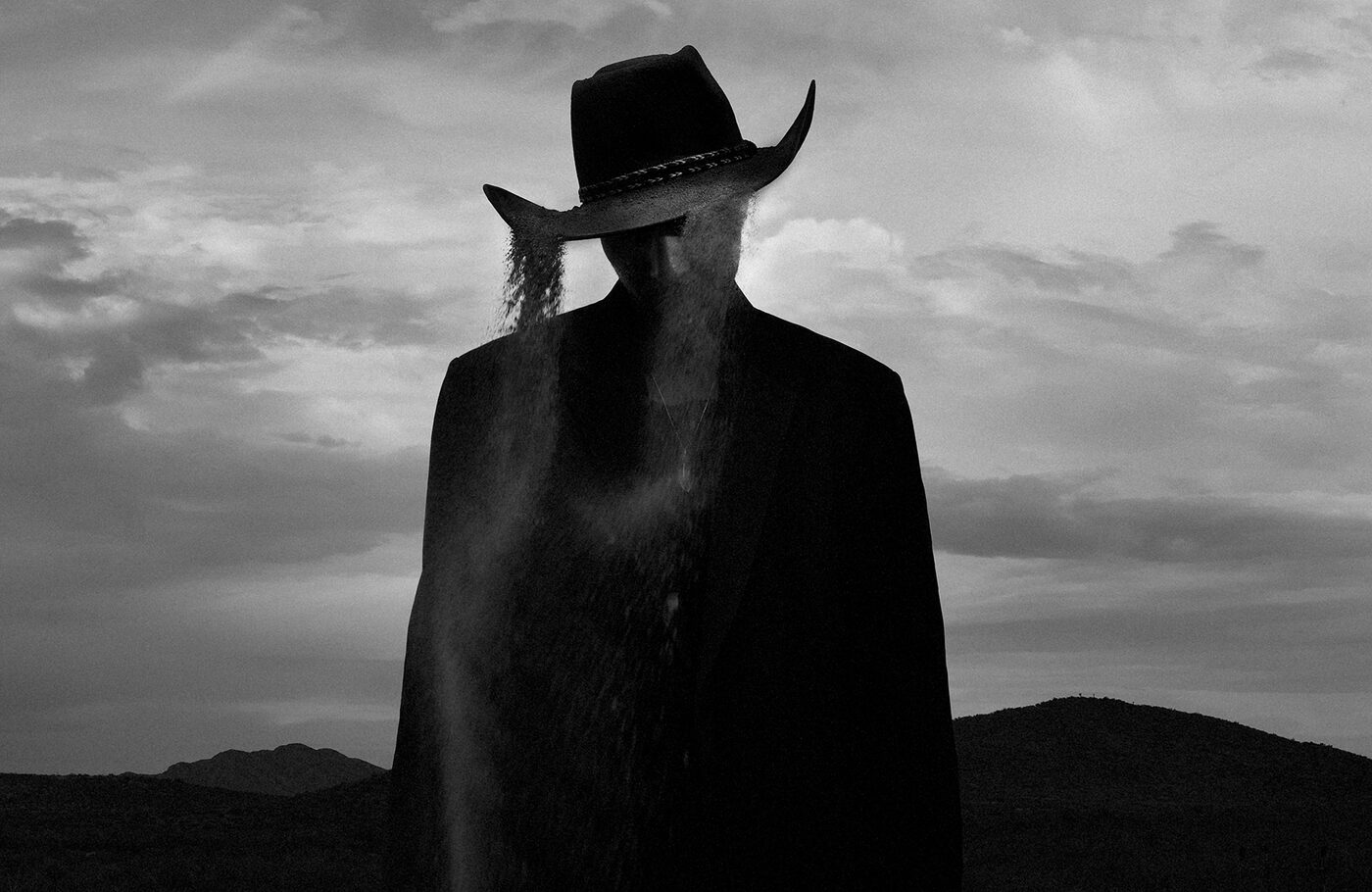
There is no face. No Instagram stories from the studio. No behind the scenes content showing the creative process. No carefully curated aesthetic that signals a personal brand. Sombr exists in the negative space of modern artist development, and that absence has become the most compelling thing about them.
In an era when emerging artists are told their visual identity matters as much as their music, when TikTok presence can determine whether a label takes a meeting, when the algorithm rewards consistency and personality above almost everything else, Sombr has built something real by refusing to play. The London producer has amassed millions of streams across Hollow, Drift, and Obsidian without ever showing their face, without ever doing a press run, without ever performing the exhausting theater of relatability that defines so much of contemporary music marketing.
This is not a gimmick. Or if it started as one, it has evolved into something more interesting. The anonymity creates space for the music to do what it actually needs to do, which is to sit with the listener in whatever emotional state they bring to it. You cannot project parasocial attachment onto someone who refuses to be a person in public. You can only listen.
Building Atmosphere From Nothing
Penumbra arrived in 2021 as a fully formed statement. The album opens with When Light Fails, a track that establishes Sombr's central tension immediately. There is weight to it, a sense of physical pressure, but also enormous space. The bass frequencies feel cavernous. The higher melodic elements drift like smoke. It is not quite ambient because it moves with too much intention. It is not quite downtempo because it refuses the predictable rhythmic structures of that genre. It exists somewhere in between, in the dim corridor connecting club music to meditation music without fully committing to either.
This refusal to land cleanly in a category has been essential to Sombr's growth. The music lives on playlists built for studying, for sleeping, for late night drives, for moments of genuine emotional difficulty. It functions. But it also rewards close listening in ways that purely functional ambient music often does not. There are details buried in Hollow that only emerge on the fourth or fifth listen. Small textural shifts. Harmonic choices that feel almost confrontational in their dissonance before resolving into something gentle.
Veil, released in 2023, pushed further into darkness. The production became more sparse in some places, more overwhelming in others. Obsidian lands like weather, slow and inevitable. The track builds so gradually that you do not notice you are inside it until the weight becomes undeniable. This is patient music. It asks something of the listener that most streaming era production does not, which is time. Real time. Not background time.
The Sync Economy and What It Reveals
The EP Abyss dropped in late 2024 and marked a subtle but significant shift. The tracks feel more cinematic, more explicitly designed for visual pairing. This is not a criticism. Sombr has always made music that suggests imagery, empty rooms and slow movements and the particular quality of light just before total darkness. Abyss simply leans into that tendency with more confidence.
The sync placements that followed made sense. Television and film have been hungry for exactly this kind of production, atmospheric electronic work that creates mood without demanding attention, that supports narrative without overwhelming it. Sombr's music functions beautifully in these contexts because it was never designed to center the artist. There is no ego in it, or at least no ego that announces itself. The tracks serve the moment they accompany.
This has created an interesting dynamic. Many listeners discovered Sombr through these placements, coming to the catalog through a scene in a streaming drama or a trailer for something they will never actually watch. They arrive without context, without biography, without the usual apparatus of artist narrative. They just have the music. And often that is enough.
Anonymity as Creative Freedom
The slowed plus reverb remix community found Sombr early and has never let go. This makes sense. The original tracks already exist in a temporal zone that feels altered, stretched, slightly outside normal time. Adding more processing to them does not fundamentally change their character the way it might with more conventionally structured music. It just extends what was already there.
The collaborations with Øneheart point toward a broader community of producers working in similar emotional territory. These are artists who understand that melancholy is not the same as sadness, that darkness in music can be comforting rather than distressing, that the absence of brightness is its own kind of beauty. They trade techniques and sensibilities without the competitive energy that defines so much of electronic music production culture.
What Sombr represents, more than any specific sound or production approach, is a model for how an artist can exist in the streaming economy without being consumed by it. The choice to remain anonymous is also a choice to refuse the constant content creation that platforms demand. There is no pressure to document every studio session, to share every meal, to perform an interesting life alongside the actual work of making music. There is only the music.
This does not mean Sombr has opted out of the system entirely. The tracks are on Spotify and Apple Music and all the rest. The Instagram exists, even if it is sparse. The music circulates through the same channels as everyone else. But the absence of a visible person at the center of it changes the relationship between artist and audience in ways that feel genuinely different. You cannot become a fan of Sombr the personality. You can only return to the work.
What Comes Next
There is a growing wave of producers following this path, prioritizing atmospheric immersion over personal branding, treating anonymity not as mystery marketing but as genuine creative liberation. Sombr did not invent this approach. Burial did it first and better. But Sombr has proven it still works, that you can build a devoted following in 2026 without ever showing your face on a podcast or doing a Reddit AMA or posting your skincare routine.
The devoted following is real. It shows up in the streaming numbers, in the playlist placements, in the way certain tracks have become ambient touchstones for specific online communities. It shows up in the comment sections, where people describe listening to Drift during difficult nights, during long commutes, during the particular loneliness of early morning hours. These are not casual listeners. They have built something with this music. They have made it part of their interior lives.
Sombr will release more music. Whether it continues to arrive without context, without promotion, without the machinery of traditional artist development remains to be seen. The Abyss placements suggest at least some engagement with the industry beyond pure independence. But the core approach seems unlikely to change. The face will remain unseen. The biography will remain unwritten. The music will continue to do what it has always done, which is to create space for feeling without asking anything in return except attention.
In the streaming age, when everything is content and every artist is expected to be a brand, there is something radical about this refusal. Not radical in a loud way. Radical in the way that silence can be radical. Radical in the way that darkness can be, when you stop being afraid of it.