Amos Le Blanc is a Canadian director. Two time Cannes Young Director Award Gold winner. MMVA Director of the Year. One Club Young Guns 17. Webby Honors for Beats by Dre. Music videos for Rudimental featuring James Arthur, Keys N Krates, Thugli, Young Empires, Autoerotique. Commercials for Mercedes, Tesla, Apple, Disney, AMEX, Budweiser. Currently developing his feature debut Neverenders, with Timothée Chalamet and Marion Cotillard attached.
That is the press kit version. The version we wanted was the one that does not show up in the press kit. The years he spent simultaneously building a directing career and playing guitar in Mockingbird Wish Me Luck, the Kitchener punk band that signed to Dine Alone Records in 2010. The Cannes evening when he got to thank Romain Gavras in person. The one college film he still measures everything against.
We met him in Los Angeles on a Tuesday morning. The conversation, lightly edited, follows.
On growing up in two scenes at once
You started filming skateboard and snowboard videos at eleven. By your late teens you were touring as a guitarist in Mockingbird Wish Me Luck, the Kitchener band that signed to Dine Alone Records in 2010. Goodbye Debris, Branches, the live shows. At what point did you stop thinking of yourself as a musician and start thinking of yourself as a director?
I am simultaneously a musician and a filmmaker. People assume you have to choose. That probably works for some people. It does not work for me. I was filming skate and snow videos at eleven and playing guitar in a punk band by my late teens, and I have not really put either down. The assumption that you have to pick one is a habit of how the industry organizes credit. Inside your own head it is just curiosity pointed at two formats. The two things actually feed each other. You learn a different kind of timing on stage than you learn in an edit suite. Both of them are about pacing.
On the first Cannes year
Cannes Young Director Award Gold for Thugli's Run This came in 2015. You were 25. Looking at that piece now, what do you defend in it, and what makes you wince?
Everything can always be better. No exception. The strange truth about making a film like that is the version that exists in your head, before you produce it, is the one you are happiest with. Then preproduction begins. Casting, locations, scheduling, weather, budget, the people you can get in the room versus the people you wanted. Every one of those is, in some sense, an obstacle between you and the closest possible version of the original idea. You never get all the way there. But it is not a journey I would change. Happy things happen in between. A casting choice you did not plan for opens up something the original idea did not have. A location forces a frame you did not draw. The compromise becomes the texture. So I do not wince at any specific decision. I see all the negotiation between what was in my head and what was on the day. That negotiation is the work.
On Romain Gavras
You have cited Romain Gavras specifically as an influence, ahead of the Spike Jonze and Michel Gondry comparisons people usually reach for. What is it about his work that resonates that doesn't show up in the others?
At Cannes the first year I won, I actually got to meet him and tell him directly. I told him his work had completely shaped how I was thinking about music videos, and that I was now standing there receiving a commendation in the same lineage he had built. It was a full circle moment. I do not say that to drop a name. I say it because being able to tell the person whose work cracked you open, in person, that his work had cracked you open, is one of the very small number of things in this career that has felt unambiguously good.
On the Toronto scene
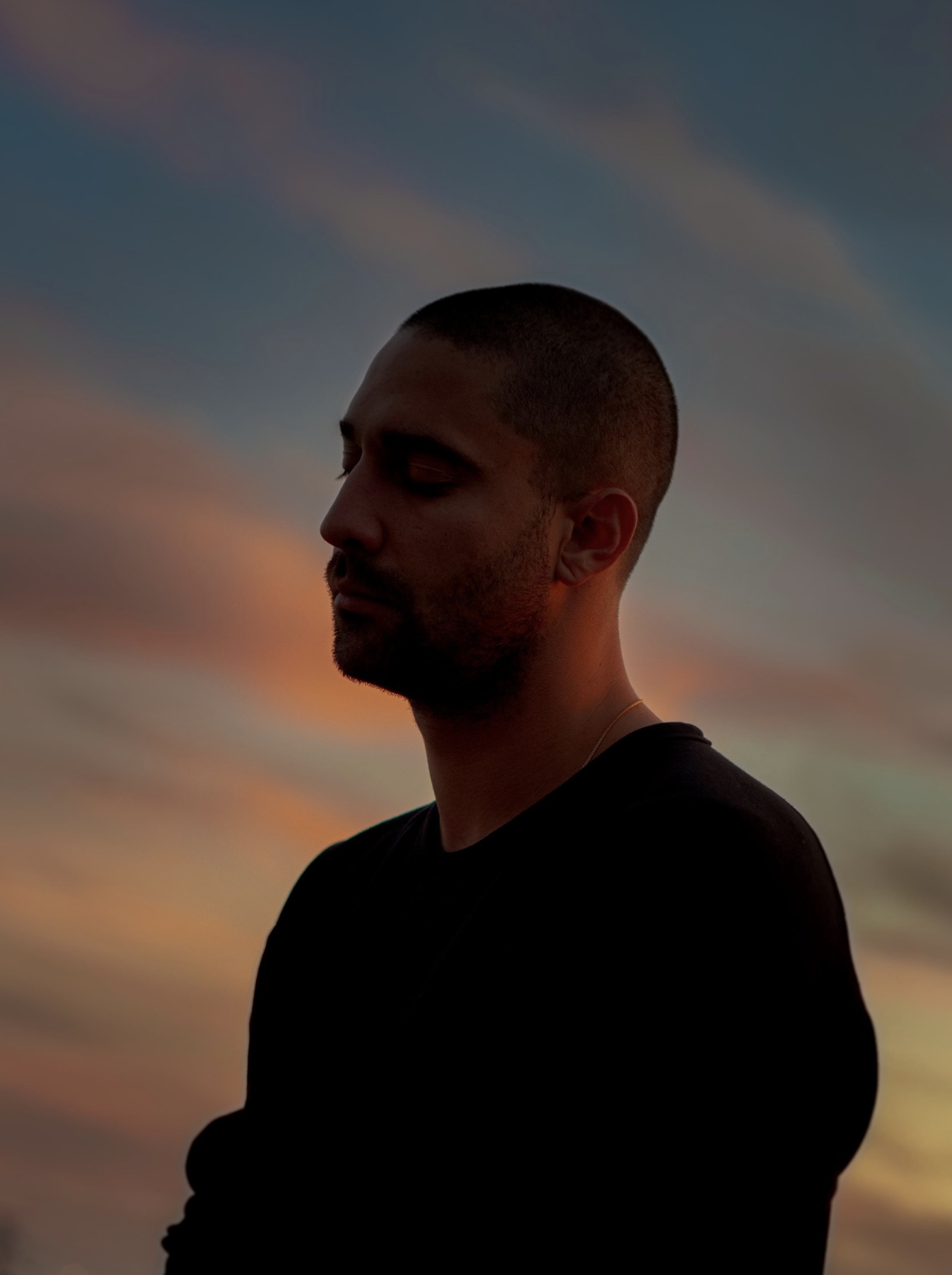
You came up directing for Thugli, Keys N Krates, Young Empires, Autoerotique. Then internationally for Rudimental featuring James Arthur. The Toronto electronic scene around 2013 to 2016 produced a lot of video work that traveled. What was actually happening culturally in that window that doesn't get written about?
Toronto is a small scene. Everyone knows everyone. I met Keys N Krates at a local cafe and a week later we were working on a video. Autoerotique was friends of friends. Young Empires the same. The thing that does not get written about is that this was the grant era. You could go to FACTOR or to the music video grant programs and present a budget and have it funded. I could walk up to a band and offer them something real. Not vague creative collaboration in lieu of payment. An actual budget for an actual music video, made properly, on professional gear, with a real crew. That changes who is willing to take a meeting with you. It also changes what kind of video you are able to make.
On Neverenders
You are developing Neverenders, your feature debut, with Timothée Chalamet and Marion Cotillard attached. Without spoiling anything that is not already public, what does this story do that a music video cannot, and why this story now?
We cannot talk much about that. Not yet.
On the brand work
Mercedes, Tesla, Apple, Disney, Beats by Dre, AMEX, Budweiser. Directors usually frame commercial work as the engine that funds personal projects. Is that the honest version for you, or does a brief unlock something a personal piece would not?
The toys and the budget are fun to have. Let us stop there.
On Kubrick and Spielberg, together
Two influences you have named. They feel almost opposite. Kubrick the formalist controller, Spielberg the empathy machine. How do those two coexist when you are thinking about a single shot?
They are just masters. I do not separate them in my head into two warring schools. I think of both as examples of total command of the form. When I am preparing a shot I am not asking which of them I am channeling. I am asking what the shot needs to do, and trusting that the answer is already inside the body of work each of them left behind.
On one image
Is there one frame, one second of footage you have personally shot, that you would hold up as the closest thing to the kind of image you actually want to be making for the rest of it?
Honestly, my first college film. It was not even about being a good film in the storytelling sense. It was about stacking it up. Blocking, direction, the way the camera moved through space. Making it feel like professional visual production. I leaned heavy on the blocking and the visuals and very little on story. And it came together exactly the way I had hoped. I did the thing. That gave me a confidence I had not had before. I still measure new work against that feeling. The feeling of having made something that looked the way you wanted it to look.
On what you walk away from
What is the technique or rule you committed to early that you have now walked completely away from?
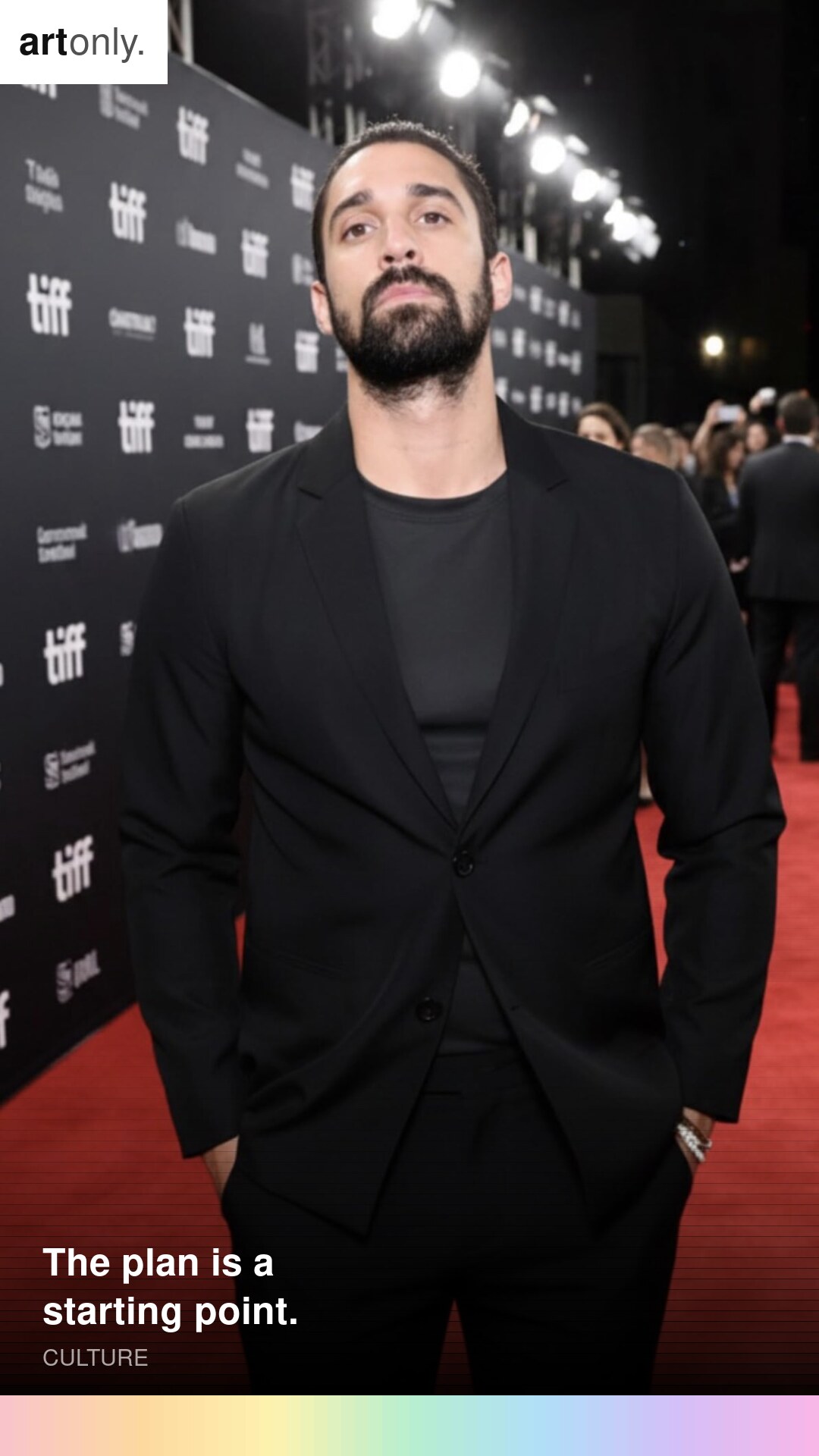
In a music video I always try to keep an open mind. Especially on set. Try things you did not think of, change your mind, play with it. In the edit room, even more so. You can reverse the chronology of things. You can flip the image upside down. You can reverse clips, add visual elements you did not have on the day. You can really mold the thing. You can even turn what felt like a failure on set into a success in the edit. So if you are asking what I walked away from, it is the idea that the plan should be sacred. The plan is a starting point. The work happens in the deviations.
On the next ten years
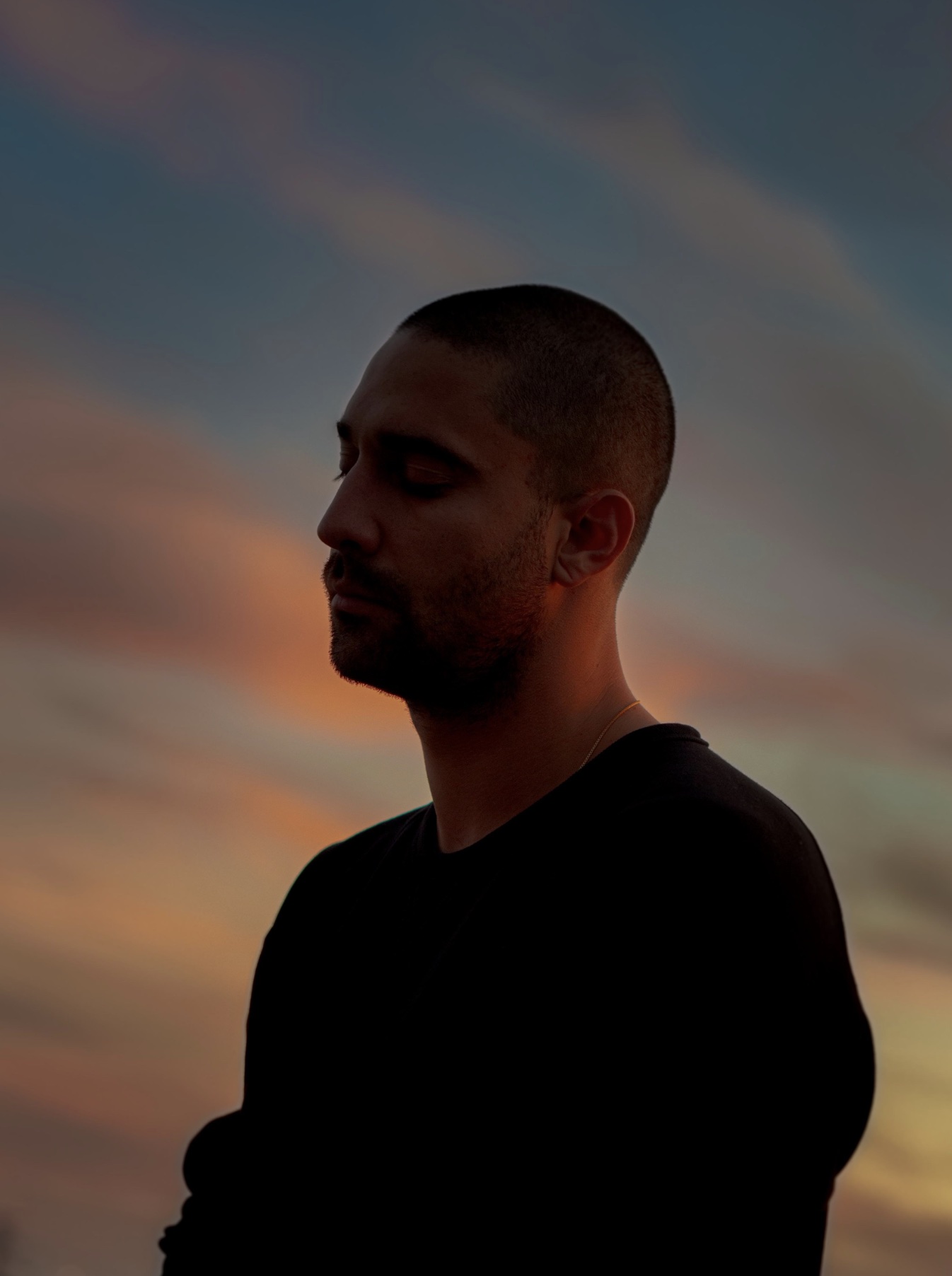
Not the next project. Ten years out. What does the body of work look like if it goes well?
I have really enjoyed short format. I am looking forward to long.
After
Le Blanc left for a location scout, on time. Mockingbird Wish Me Luck's Goodbye Debris EP is still on Bandcamp and Spotify. Run This is still on YouTube. Neverenders, eventually, will be on screens. Whatever the deviations, the body of work continues to stack itself up.
Related
Amos Le Blanc, official portfolio. Cannes Young Director Award profile. MMVA Director of the Year. Mockingbird Wish Me Luck on Dine Alone Records. Neverenders with Timothée Chalamet.