On June 19, 2020, a British music collective called SAULT uploaded an album called UNTITLED (Black Is) to Bandcamp. The price was whatever you chose to pay. All proceeds went to funds supporting racial justice. The date was Juneteenth, six days after the funeral of George Floyd, and within the following week the album had been downloaded hundreds of thousands of times by people who, in many cases, had never heard of SAULT before. By the end of 2020, NPR had ranked it the best album of the year. BBC 6 Music agreed. Its Metacritic score was 86 out of 100. The people behind it never gave a single interview explaining the record, and they have not done so since.
The Architecture of Anonymity
SAULT is British. Their music comes out of London. The confirmed creative core includes the producer Dean Josiah Cover, known professionally as Inflo, and the vocalist Cleopatra Nikolic, known as Cleo Sol. Both are intensely private. Inflo has spoken in contexts outside of SAULT, most notably when he accepted the Brit Award for Producer of the Year in 2022, making him the first Black recipient of that honor since the awards began in 1977. He has never used those opportunities to explain or promote SAULT directly. Cleo Sol is similarly careful about the separation between her individual career and what SAULT represents as a collective entity. Other musicians, including Kid Sister and Kadeem Clarke, have contributed to various projects, and several others have appeared across recordings without being identified.
This kind of anonymity exists on a spectrum in music. At one end is the deliberate construction of mystery as a branding tool, designed to generate attention through withholding. SAULT operates differently. They do not cultivate an absence that points back at themselves. Their Instagram account, @saultglobal, has 216,000 followers and fewer than 20 posts. Their official website offers music and nothing more. When journalists have attempted to attribute names to faces or confirm identities, the collective has simply declined to engage. The practical effect of this silence is that listeners have no choice but to encounter SAULT's work as work, rather than as an extension of someone's personality or brand story.
That is not a minor distinction. Music criticism in the streaming era is inseparable from artist biography. Algorithmic discovery depends on narrative. SAULT's refusal to provide either means their music circulates through recommendation rather than promotion, and lands harder for it.
What They Actually Sound Like
The simplest description of SAULT's music is UK soul with a wide range. UNTITLED (Black Is) opens with layered gospel vocals and moves through stripped funk, slow house rhythms, spoken word fragments, and sections that sit somewhere between meditation and protest. The album Nine, released on June 25, 2021, pushed further into jazz influenced territory with horn arrangements and a range of references that acknowledge both Stevie Wonder and the British postpunk tradition at once. No individual song sounds like a single. Everything sounds like it comes from a specific and coherent worldview.
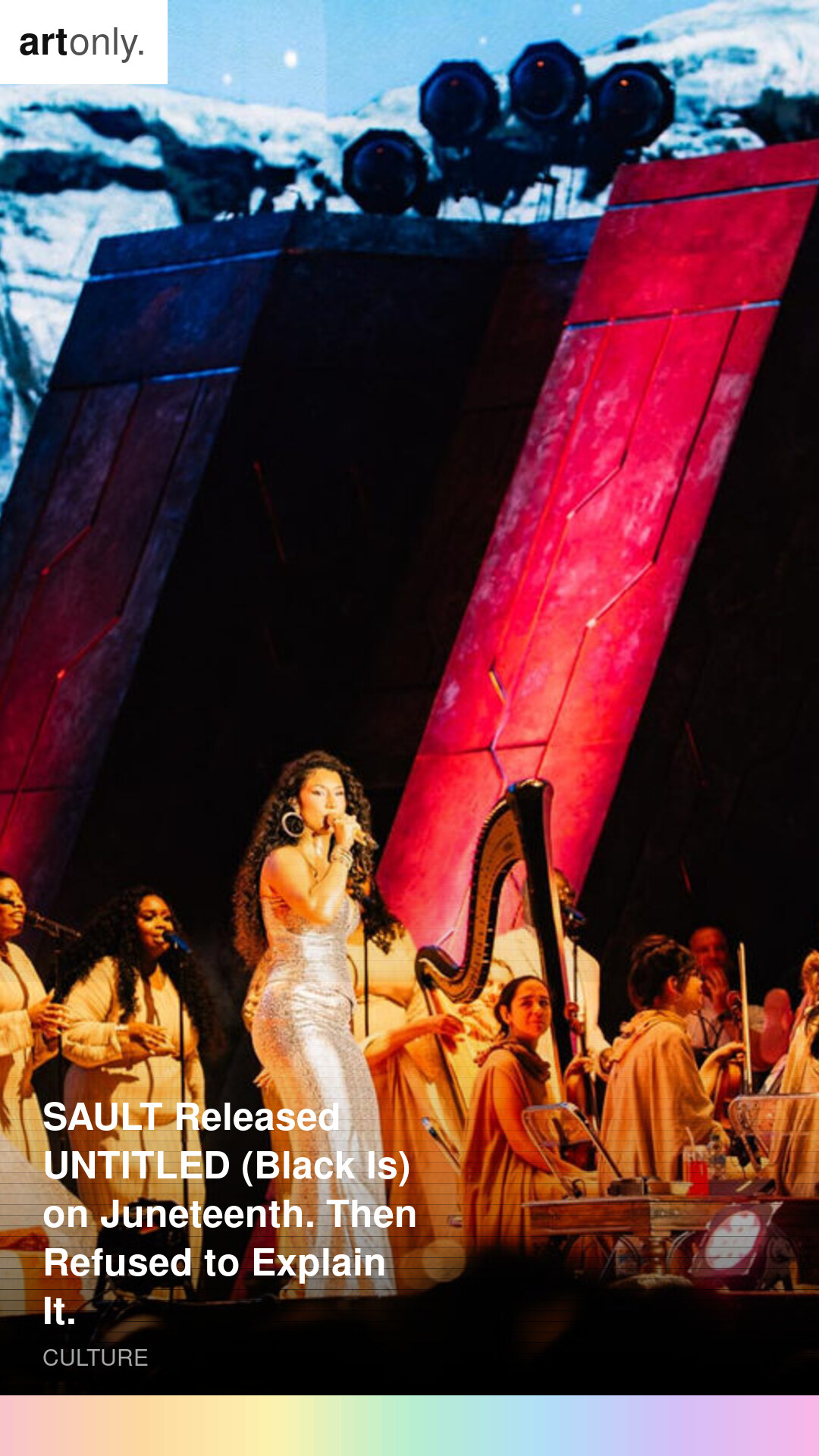
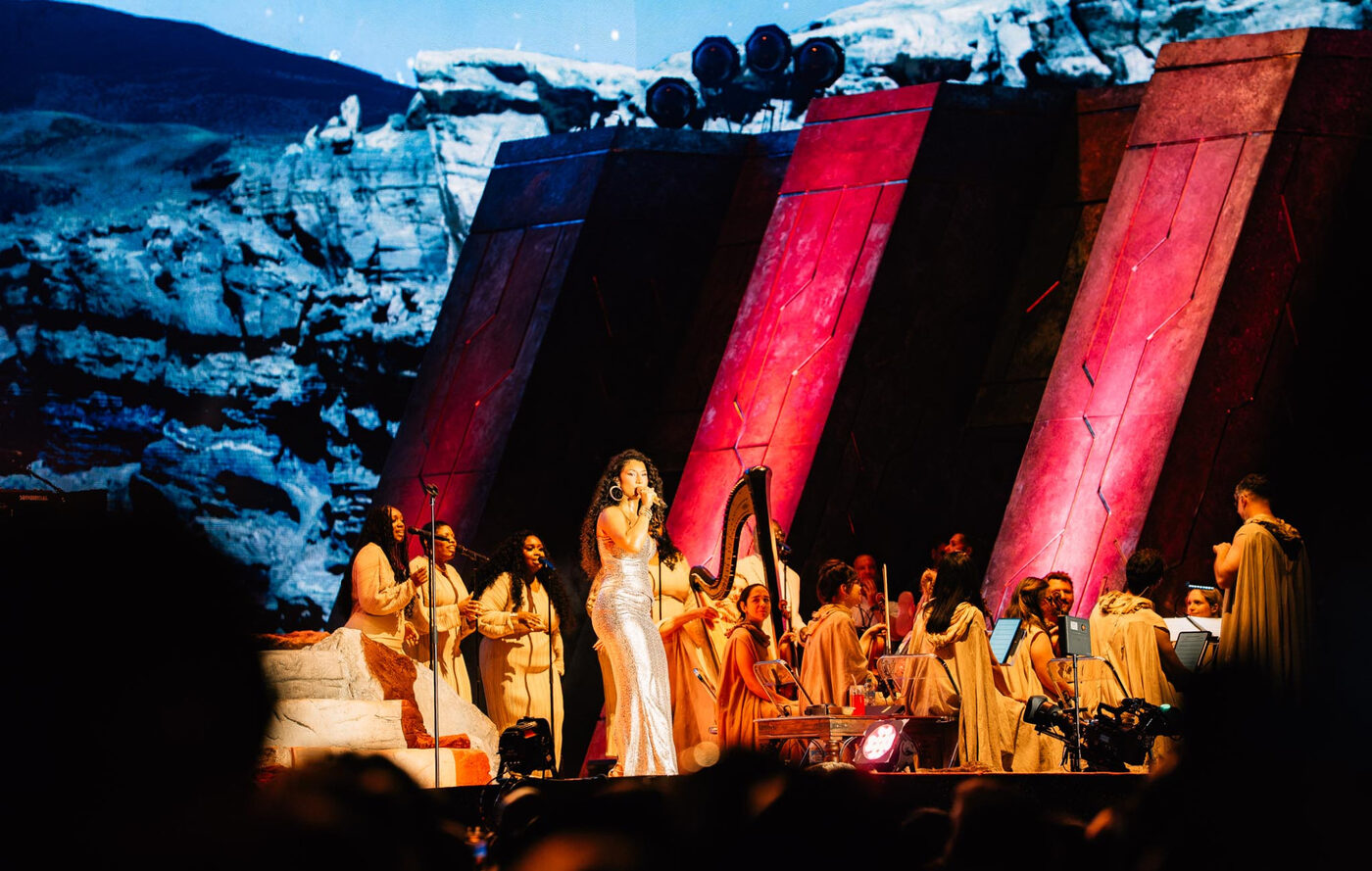
Their collaborators are not chosen for profile. Michael Kiwanuka has appeared across multiple SAULT projects, bringing a vocal weight and a lyrical gravity that fits the collective's purpose without overshadowing it. The reggae artist Chronixx has contributed a thread of consciousness that informs the spiritual undertow running through several albums without ever becoming pastiche. Little Simz performed at SAULT's first live concert, in December 2023 at Drumsheds in London, an event that was itself a structural statement: seven years of recorded work before a single public performance. Jack Peñate has been a recurring collaborator across multiple projects, contributing songwriting that blends seamlessly with the collective's ethos.
Chapter 1, released on January 9, 2026, includes contributions from Jimmy Jam and Terry Lewis, whose production defined the commercial reach of Black popular music in the 1980s through their work with Janet Jackson. That lineage is not incidental. SAULT consistently positions itself within a continuous tradition that refuses to treat contemporary Black music as separate from its own history. The result is work that sounds specific to this moment without sounding merely contemporary.
Releasing Music on Juneteenth Was a Political Act
SAULT did not release UNTITLED (Black Is) on June 19, 2020 by accident. Juneteenth marks the day in 1865 when enslaved people in Galveston, Texas were finally informed that they had been legally free for more than two years. The gap between a legal declaration of freedom and the delivery of that information is the structural subject of the album. Lyrics address the deaths of George Floyd and Breonna Taylor not as news items but as part of a continuous pattern that the album's production makes viscerally audible. It is angry music that is also beautiful music, and the combination refuses to let either quality excuse you from the other.
The album was released as name your price on Bandcamp because SAULT wanted anyone who wanted it to have it. Donations went to racial justice funds rather than to the collective. That distribution model was part of the statement. The music was not a product placed in response to a political moment. It was a direct act within that moment. The Metacritic score of 86 out of 100 and the year end consensus across major music publications were secondary to what had already happened in those first hours of Juneteenth.
Releasing on Juneteenth is the kind of choice that looks obvious in retrospect and that almost nobody makes. It demonstrates a fluency with Black American historical memory that a British collective demonstrating this awareness says something specific about how those communities are connected across the Atlantic. Inflo grew up in South London. The resonance he draws from Juneteenth was not inherited geography. It was studied, felt, and chosen.
Nine and the Argument Against Permanence
When Nine came out in the summer of 2021, SAULT announced it would remain available for 99 days and then be removed from all platforms. On October 2, 2021, that is exactly what happened. If you missed it, you missed it. No explanation was provided. The album returned years later but the original removal generated substantial discussion about what it means to treat music as a timed event rather than a permanent object. The underlying argument was legible without being stated: streaming permanence has made music disposable in a way that undercuts its value as cultural experience. A 99 day window is not convenient. That inconvenience was the point.
In November 2022, SAULT released five complete albums in a single day, available as free downloads. The move worked in direct counterpoint to the Nine removal. Scarcity and excess, withholding and flooding, were both used to say the same thing: music is an intentional act and you are a participant in how it lands. In August 2025, they headlined All Points East festival in London with a five hour set. The scope of that performance, five hours of original material across 13 studio albums, was itself an argument about the scale of the archive they had built in relative silence.
What Still Has Not Been Answered
On January 9, 2026, SAULT released Chapter 1. In 2026 they won Best R&B Act at the Brit Awards, which they accepted without a press campaign surrounding it. Their Instagram account has posted rarely since 2020. Their website offers music and nothing else. The questions that people had in 2020, who exactly is SAULT, why are they doing this, what do they want from you, have not been answered. They will probably not be answered.
That ongoing refusal is itself a position, and it remains one of the more coherent positions in contemporary music. Make work that matters more than the people who made it. Six years and thirteen studio albums since UNTITLED (Black Is), that proposition stands. There is a long tradition of Black artists being required to explain themselves, to make their anger legible to audiences who are not its subject, to package political music in ways that make it easier to consume without changing anything. SAULT's silence is a refusal of that requirement. The music says what it says. The collective has decided you can interpret it yourself.
What you cannot do, regardless of how much you dig, is find a face to pin it to. That is also the argument.