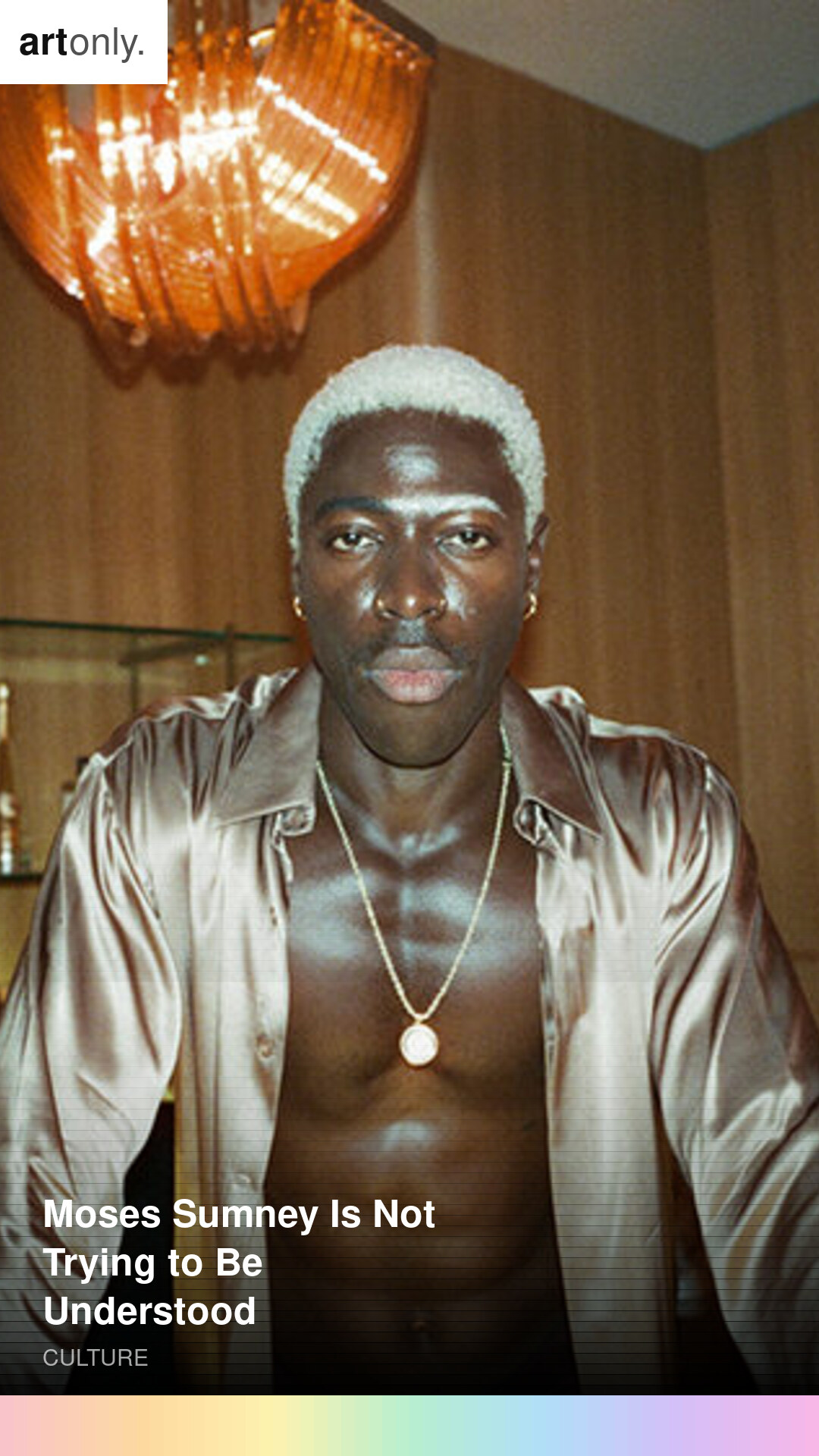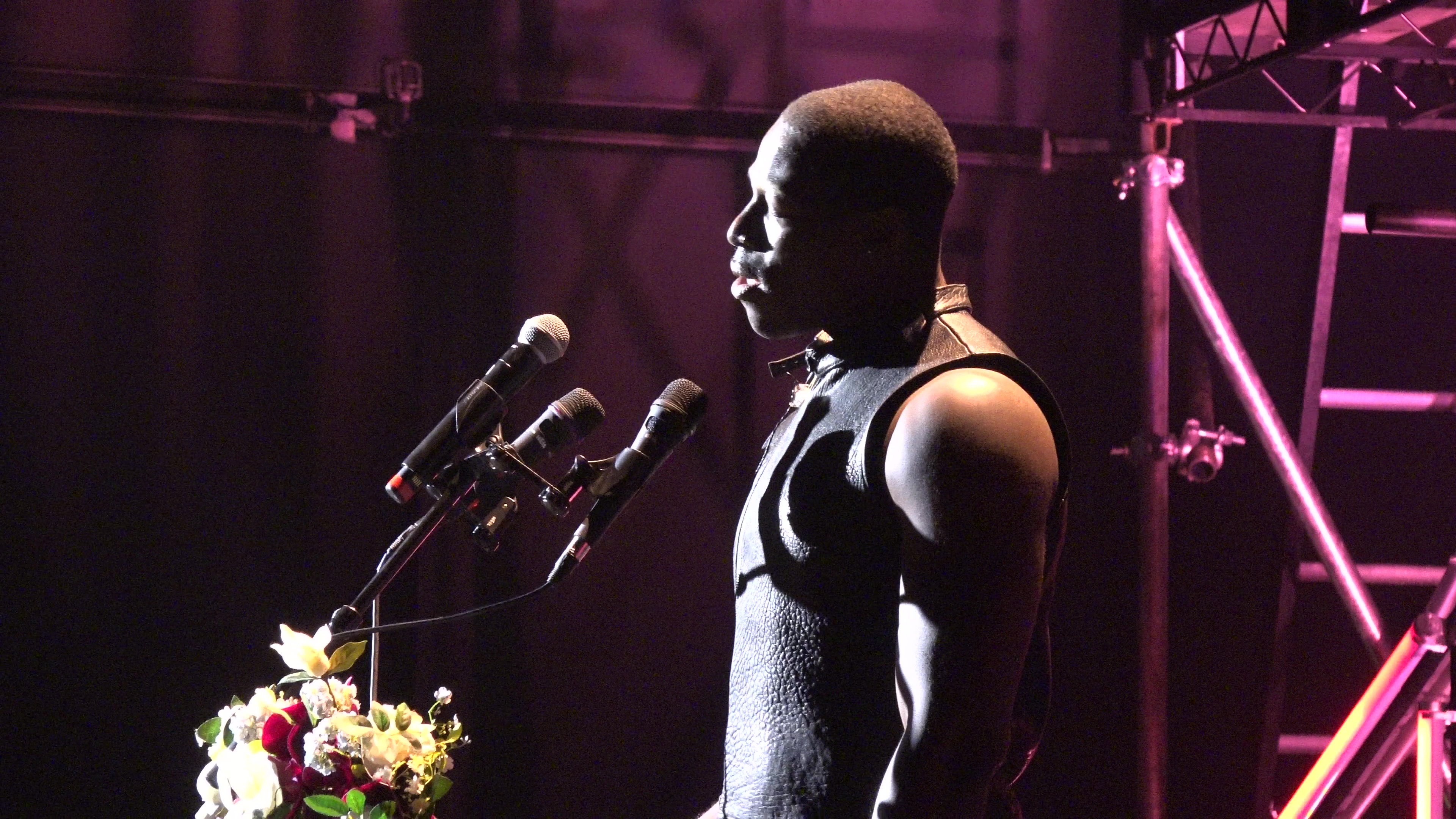
The first fifteen seconds of "Quarrel," released in August 2017, do more than most songs accomplish in four minutes. A keening falsetto loops over itself. No beat. No resolution. Just a voice folding inward until it becomes architecture. Most artists would call that an intro. Moses Sumney calls it a career.
That career has, since Aromanticism arrived on September 22, 2017, operated on a premise the music industry still does not know how to handle: a commitment to making work that refuses to optimize for legibility. Not as mystique or brand positioning. Sumney has built an output that exists entirely outside the incentive structures designed to reward artists who make themselves easy to recommend. The audience found him anyway.
The Concept That Launched an Argument

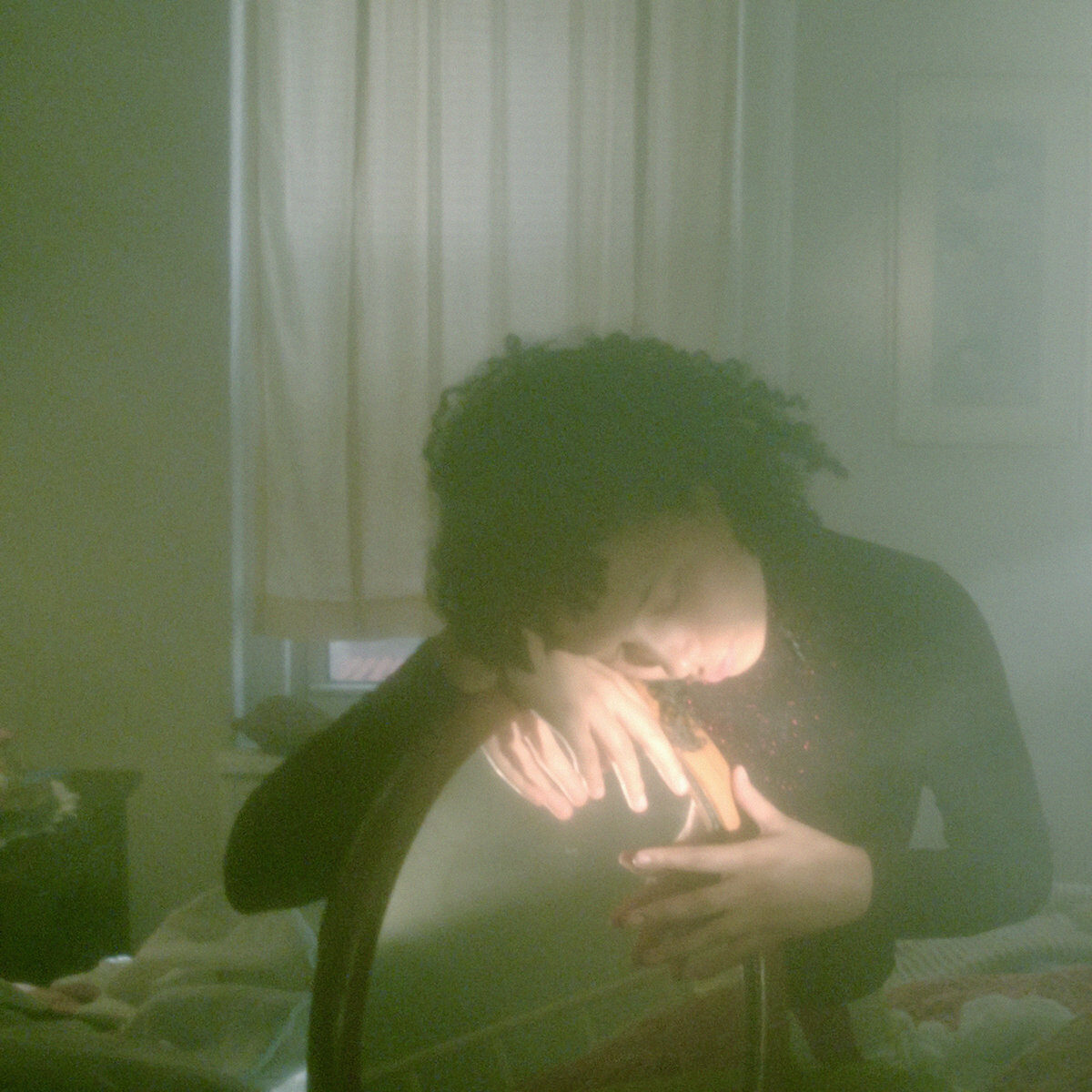
Aromanticism was not a concept album in the promotional sense. It was built around a word Sumney encountered in 2014: aromantic, describing the capacity to feel love without wanting a romantic partner. He was a Ghanaian American artist who had moved with his family from California to Accra at age ten, lived on a goat farm, returned to Riverside at sixteen, and arrived in Los Angeles without an obvious place in any of its music scenes. He signed to Terrible Records and later to Jagjaguwar, but the machinery of indie credentialing never quite fit him either.
What the album accomplished was not a record about loneliness. It was a record about the cultural insistence that aloneness requires correction. That distinction is not minor. Sumney was not writing from grief. He was writing from suspicion toward a framework he had been handed and found useless. The result was something rare in contemporary music: an album that reads as philosophical without ever sounding academic. Multiple publications named it one of the best albums of 2017, including The New York Times. None of that changed what it was.
Grae and the Deliberate Expansion
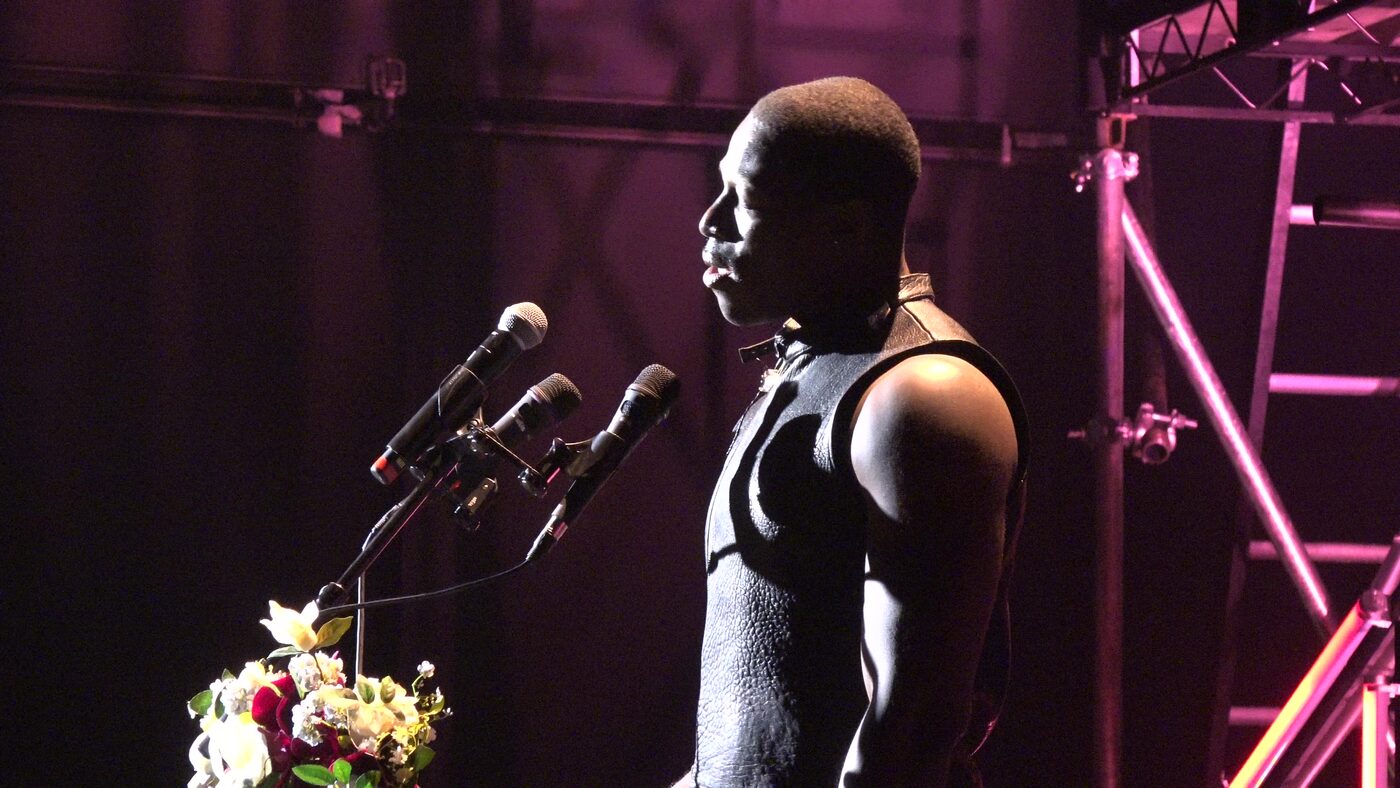
The first half of Sumney's second studio album arrived February 21, 2020. The second half completed it on May 15, 2020. 20 tracks. 66 minutes. The album's title is borrowed from Old English, the source of both "gray" and "grey," a word that belongs to neither spelling and was never meant to choose.
The collaborator list for Grae is long and includes Thundercat, James Blake, Jill Scott, and Ian Chang of Son Lux. Daniel Lopatin, working as Oneohtrix Point Never, contributed production and songwriting to fully half of the album's tracks. What Lopatin brought was not polish. He brought an entire framework for treating electronic texture as emotional infrastructure. On tracks like "Cut Me," the production does not sit beneath the vocal. It thinks alongside it. The result is an album that sounds like two singular intelligences reaching a third thing together, rather than one borrowing from the other.
Lopatin, Chang, and the Architecture of Refusal

The Lopatin collaboration matters beyond its critical reception, which was nearly unanimous in its praise. It demonstrates something specific about how Sumney works. Both artists have spent careers building music that resists easy entry. When they combined, the sum of their refusals produced something more accessible, not less. This is not how collaboration is supposed to function. Most prominent pairings smooth out the difficult edges. Lopatin and Sumney kept them and made them structural.
Ian Chang's drumming on "Virile," recorded at Echo Mountain Recording in Asheville, North Carolina, carries the same principle into the physical dimension of the album. The percussion is not decorative. It is argumentative. Every production decision on Grae treats the listener as someone capable of sitting with difficulty, rather than someone who needs to be guided around it. That is a more generous premise than most contemporary records operate on.
Blackalachia and the Refusal to Outsource the Visual

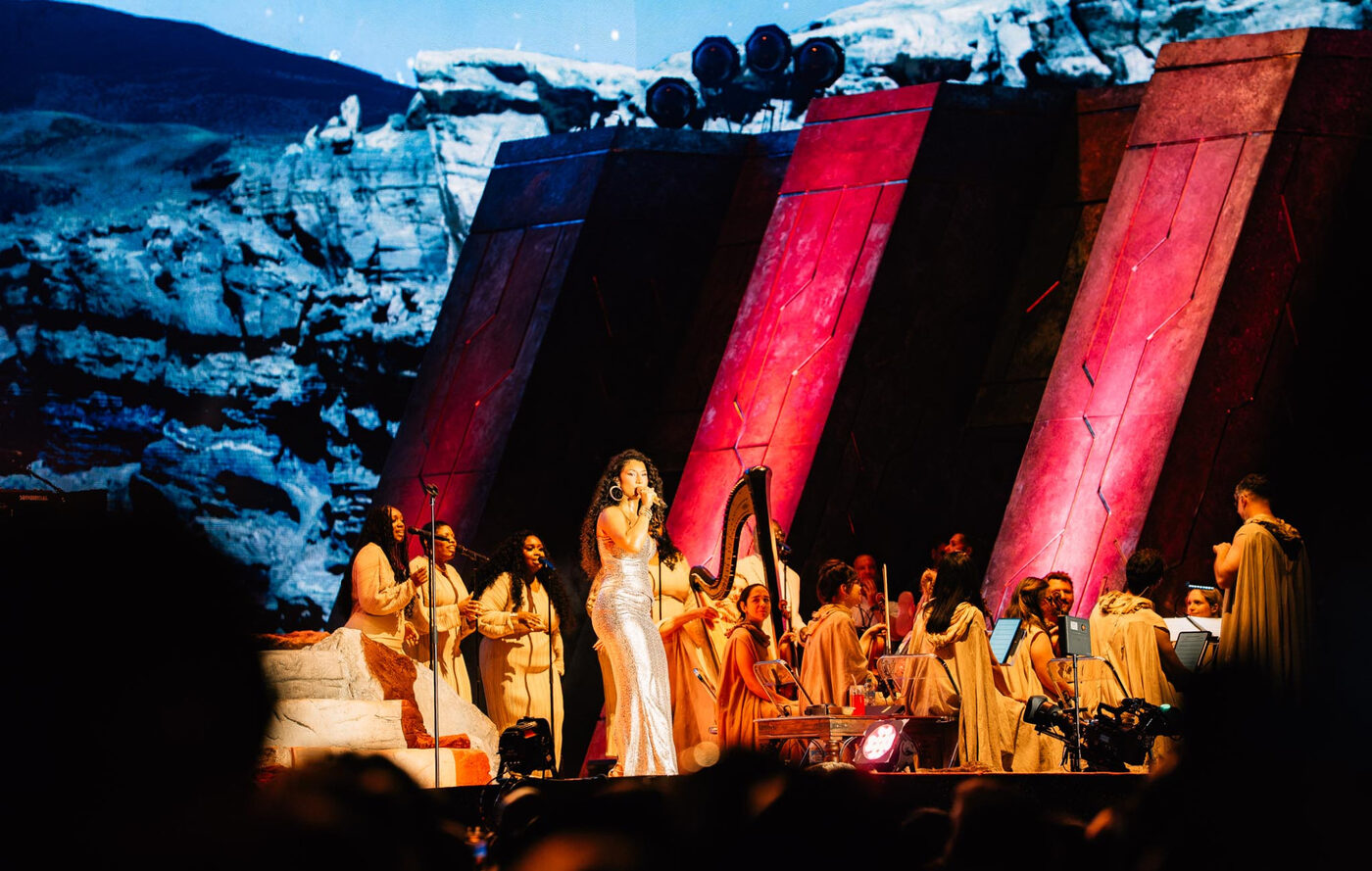
When the pandemic made touring impossible in 2021, Sumney went to the Blue Ridge Mountains in North Carolina and directed a live film himself. Blackalachia, released December 10, 2021, featured shimmering vestments, angular choreography, and Sumney performing suspended in the air on a mountaintop. The film runs ninety minutes. He made it in the hills because the tour dates had been cancelled, and because he was not willing to wait for circumstances that might never return.
The decision to direct it himself was not incidental. Sumney had already directed his own music videos. Blackalachia made a pattern explicit: he would not cede the visual dimension of his work to someone else's interpretation of what the music meant. Most artists at his level of critical recognition outsource visual identity to directors whose prestige reflects back on them. Sumney kept the job. The result was not merely striking. It was a coherent extension of the same argument his records were making.
The Idol, Acting, and the Logic of Expansion

In 2023, Sumney appeared in The Weeknd's HBO series The Idol, playing Izaak, a devoted member of the world orbiting the fictional character Tedros. The series drew sharply divided criticism. Sumney's performance did not. He brought to the role the defining quality of his recorded work: a stillness that reads as intensity, an economy of expression that makes every gesture feel chosen.
After Blackalachia, Sumney announced publicly that he was stepping away from making albums and touring to focus on other disciplines. Acting was one of them. The Idol was not a detour from music. It was the next phase of an artist who has always understood his practice as larger than any single format. The culture industry tends to read this kind of expansion as restlessness. That reading misses what has been consistent from the start.
The through line in everything Sumney has done since 2017 is a preoccupation with what happens at the edges of belonging: between genres, between identities, between art forms. Every version of his work is another iteration of the same inquiry. What he represents, at this point in his career, is an artist who built an audience by refusing to make it easy for them. Not out of difficulty for its own sake. Out of a conviction that the work had to be what it was.