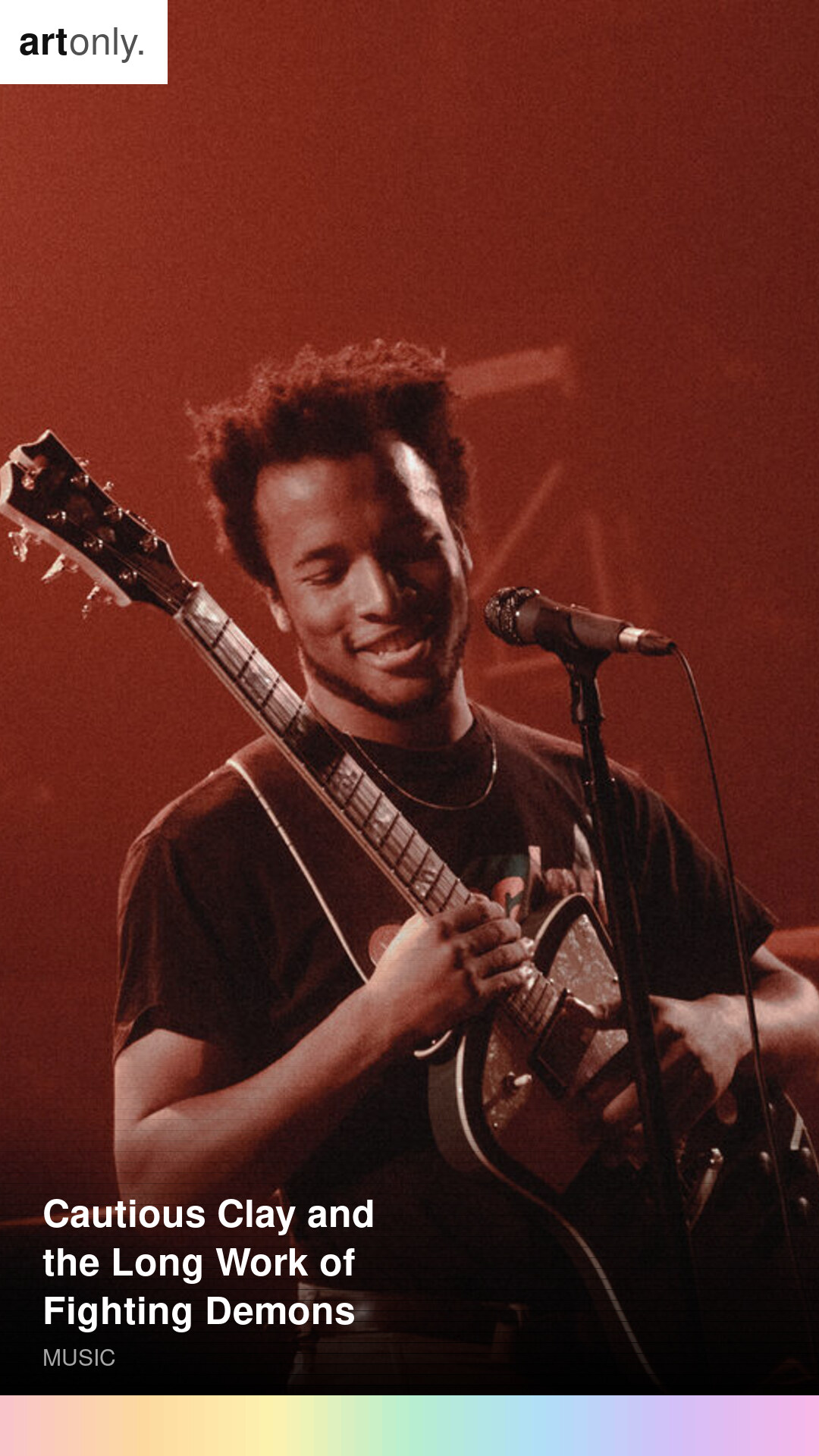
There is a certain kind of artist who builds their whole catalog around a single, honest question. For Joshua Karpeh, the Brooklyn-based multi-instrumentalist and producer who records as Cautious Clay, that question has always been some version of this: what do you do with the weight you carry? His music does not answer it cleanly. It orbits it. It layers saxophone over drum machines, loops a guitar phrase until it feels like memory, and lets the vocals sit just far enough back in the mix that the words arrive like something overheard rather than declared.
That quality, the sense of witnessing rather than being lectured to, is what has made Cautious Clay one of the most compelling presences in independent R&B for the better part of a decade.
Growing Up in Sound
Karpeh grew up in the Washington, D.C. area and later attended Ithaca College, where he studied music. He taught himself to produce and came up through a genuinely DIY path, self-releasing music and building an audience track by track before any institutional infrastructure caught up with him. His early EPs, Resonance in 2016 and Table of Context in 2017, arrived quietly and spread fast. The production was spare but precise. The saxophone, which he plays himself, gave the music a warmth that a lot of bedroom pop from that era lacked. It sounded like someone who had actually studied sound rather than someone who had simply downloaded the tools.
That technical grounding has always been the invisible architecture of everything he makes. When a Cautious Clay song feels emotionally dense, it is partly because the layers are genuinely thought through. Frequencies are placed with care. Space is treated as a compositional element. The silence between phrases carries information.
Cold War and the Mainstream Crossover
The track that opened the widest door was Cold War, released in 2017. It found a major audience on its own, but its cultural profile expanded significantly when Taylor Swift interpolated elements of it in London Boy from her 2019 album Lover. That kind of co-sign from the biggest pop artist on the planet could have reshaped how people heard him. Instead, Karpeh stayed on exactly the same trajectory he had been on, releasing music at his own pace, on his own terms, growing a fanbase that cared about the whole catalog rather than a single moment.
Deadpan Love, his full-length debut from 2021, felt like the consolidation of everything he had been building. It was a record about romantic ambivalence and emotional exhaustion, made by someone who understood that those feelings are not opposites of love but often its texture. The production opened up, the arrangements grew richer, and the saxophone moved from accent to structural voice.
The Interior Architecture of KARPEH
In 2023 he released KARPEH, an album that used his actual surname as its title and felt like an act of claiming. The record was his most expansive and personal, a meditation on identity, inheritance, and the difficulty of reconciling who you were raised to be with who you are choosing to become. Fighting those inner demons, the ones that speak in the voices of expectation and old grief, was not a theme so much as a condition the album lived inside.
The production on KARPEH was his most sophisticated. Strings entered and left without announcement. Samples were treated until they sounded like original composition. The saxophone was sometimes foregrounded and sometimes buried under layers of texture, which is itself a kind of emotional statement, a skilled thing choosing when to be visible.
The Hours: A Portrait in Two Parts
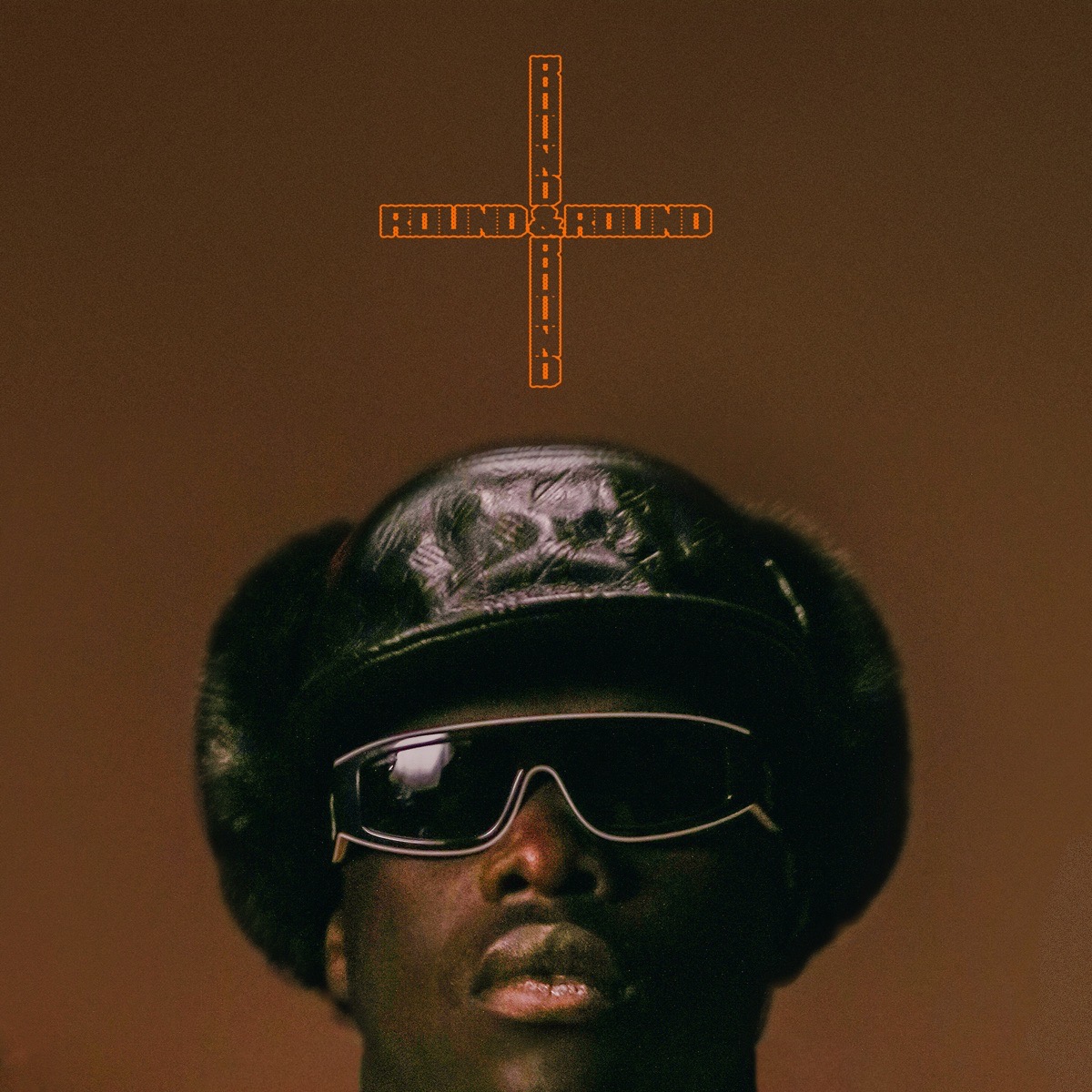
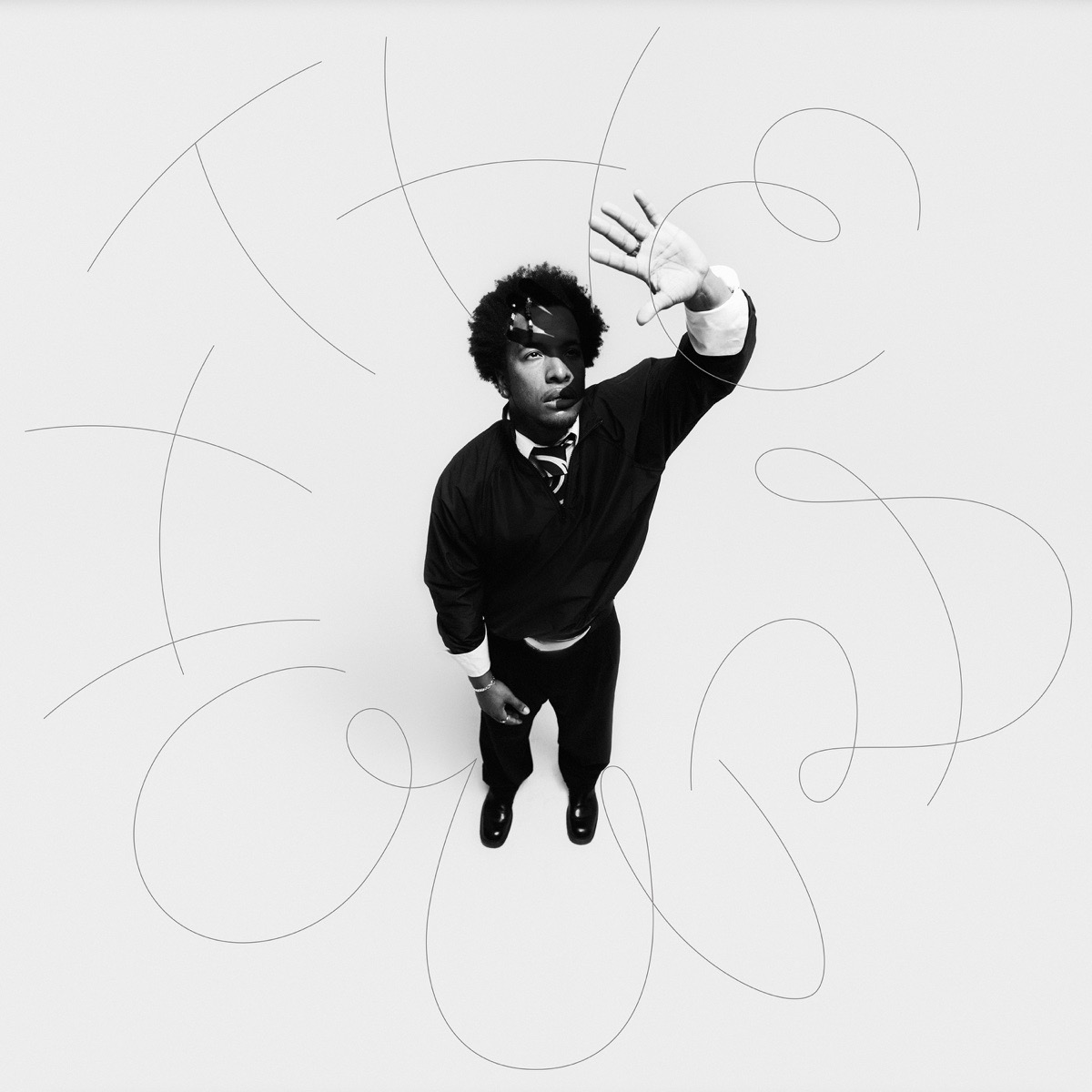
His most recent work arrives as a diptych. The Hours: Morning was released in 2025 through Concord Records, an eight-track project conceived as a portrait of the hours between 5 a.m. and noon. Morning leaning conversational and amber-hued, as one critic put it. The companion piece, The Hours: Night, completes a full rotation, moving into darker palettes and freer structures.
Taken together as The Hours: Morning and Night, released in full in early 2026, the project reads like a complete map of interior experience. The morning material carries a certain tentative optimism, the kind that exists before the day has made its demands. The night material goes somewhere more uncertain. Both halves are beautifully made.
What is remarkable is how consistently the music resists drama while still carrying genuine weight. There are no explosive moments, no cathartic breakdowns. The difficulty is present but held. That is, in a strange way, the most honest thing about his work. Fighting demons does not always look like a battle. Sometimes it looks like getting through the hours, making something careful, being here.
Production as Practice
Karpeh produces essentially everything himself, which means every choice is intentional. He plays multiple instruments on his records and brings in collaborators selectively. The result is music that has a singular sensibility even when the arrangements are complex. His influences are audible but not worn on the surface. You can hear jazz training in the harmonic language, neo-soul in the vocal production, ambient and electronic music in the way he treats texture, and something more classical in the structural decisions. None of it announces itself.
That restraint is itself a form of confidence. He is not trying to prove how many things he knows. He is trying to make music that holds together, that sustains attention, that rewards repeated listening. By those measures, everything he has released does exactly what it sets out to do.
Why This Moment Matters
Independent R&B is more crowded than it has ever been. Artists with his aesthetic sensibility now have models, templates, a whole genre infrastructure that did not exist when he started. What separates him from the field is craft and consistency. He has not chased a sound, not pivoted toward virality, not made a record that feels like a bid for something. He has just kept working, kept fighting whatever it is that makes the work difficult, and kept releasing music that sounds like a person fully inhabiting their own vision.
The Hours is the best argument for paying sustained attention to what he is doing. Not because it is his most accessible work, but because it is his most complete. A morning and a night. A full rotation. The demons still there, probably. The music still here, definitely.