The Academy Just Moved the Goalposts
On May 1, 2026, the Academy of Motion Picture Arts and Sciences announced a significant overhaul of its eligibility rules for the 99th Oscars. The headline was about international films. Films winning the Palme d'Or at Cannes, the Golden Lion at Venice, the Golden Bear at Berlin, the Platform Award at TIFF, the World Cinema Grand Jury Prize at Sundance now bypass the country submission process entirely. The award credits the filmmaker, not the nation. The filmmaker's name goes on the plaque.
Read that again. The filmmaker's name goes on the plaque.
For a music video director who has spent a decade making work that lives and dies on YouTube, this is not a minor bureaucratic update. This is the first time the most powerful film institution in the world has drawn a direct line between festival recognition and Oscar eligibility, with no country standing in between. The implications for where the music video format goes from here are significant enough that the industry should be paying very close attention.
What a Music Video Actually Is
The problem with the phrase music video is that it carries the wrong freight. It suggests something supplementary. A promotional artifact attached to a song. Three minutes of something you scroll past or watch once and forget. The commercial connotations of the form have always worked against it critically, even as the actual work being produced inside that format has grown into some of the most ambitious short filmmaking happening anywhere.
The Blaze directed Territory in 2017. The video is set in Algeria and follows a man returning home, moving through the texture of family and land and something unresolved that the music does not explain and the images do not caption. It runs just under four minutes. It won the Film Craft Grand Prix at Cannes Lions. Multiple critics called it a short film and meant it as a compliment. It is a short film.
What separates Territory from a music video is not its length or its subject matter. It is the fact that every frame is doing work. The cinematography is not illustrating a song. It is building an argument about identity, displacement, and the emotional weight of belonging that the song opens a door to and the images walk through independently. The Blaze did not make a promotional video. They made a film.
Directed by The Blaze · Produced by Iconoclast
The Work That Proved the Format
In 2013, Amos Le Blanc directed Thugli: Run This. The video addressed police brutality with a cinematic precision that the music press covered primarily as a cultural statement and the film world mostly missed. It won Director of the Year at the MMVAs. It won at the Young Director Award at Cannes Lions. It was nominated for narrative categories at LAMVF. But it never entered the conversation at the Academy because that conversation had a door that music videos were not allowed to knock on.
What Le Blanc built in Run This was not a companion piece to a song. It was a coherent short film that used a music track the way a feature uses a score. The images had a point of view. The editing had rhythm that was independent of the beat. The performances held weight. The political subject matter was handled with the kind of care that awards juries recognize in documentary work. Under any formal film category, Run This belongs in the conversation. The format it was released under kept it out. It remains Vice Thump's most viewed video of all time.
That is precisely what the Academy's new rules begin to address, obliquely but meaningfully.
Directed by Amos Le Blanc & Ohji Inoue · Produced by Vision Film
The Door That Just Opened
The new eligibility framework does not create a music video category. It does something more interesting. It establishes that a film winning a major festival prize can reach Oscar eligibility without going through national committees, political selection processes, or institutional gatekeepers. The pathway is direct: win at a qualifying festival, and the Academy has to consider you.
The short film categories already exist. Live Action Short. Documentary Short. Animated Short. Music videos that are presented as short films, screened theatrically, submitted to qualifying festivals, and built with the formal seriousness that the format is now consistently producing are no longer categorically excluded. The question is no longer whether the Academy has room for this kind of work. The question is whether directors working in music video are going to step through the opening.
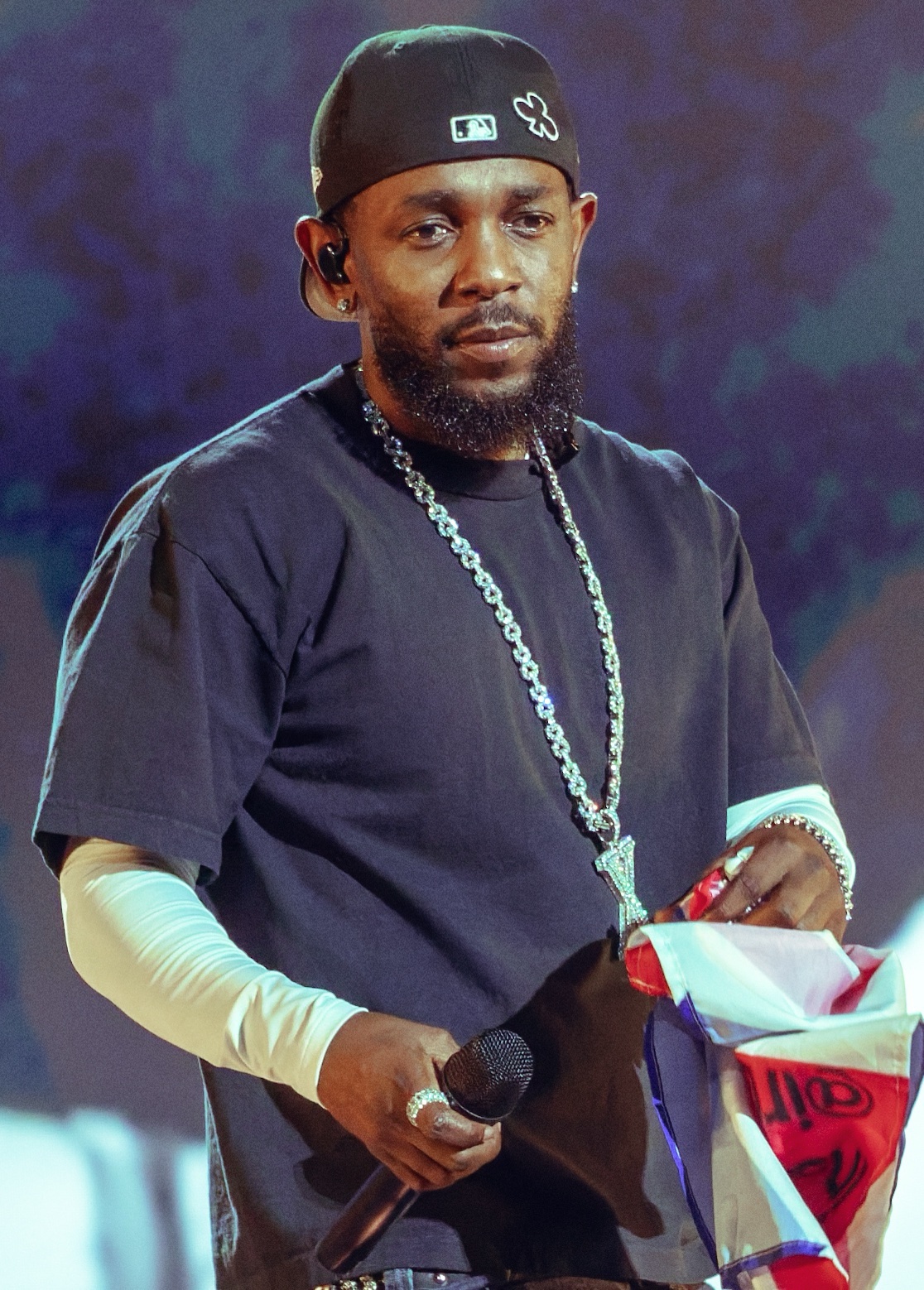
The format has more than earned it. The past decade of music video filmmaking has produced some of the most formally inventive short cinema being made. Beyonce's visual album for Lemonade effectively functioned as an hour-long experimental film. Kendrick Lamar's We Cry Together was a single unbroken take that would have been celebrated at any short film festival in the world. The directors behind this work have been working at feature-film level for years.
The Proof of Scale
We Are From LA, the Paris-based directing collective whose work runs through Iconoclast and Kitsuné, have been making films inside the music video format for over a decade. Their video for Citizens! True Romance is a precise example of what the format looks like when directors treat it as cinema first and promotion second. The storytelling is entirely visual. The pacing belongs to the director, not the upload platform. The images stay with you after the song has ended.
We Are From LA later directed Daft Punk's Get Lucky and built one of the more credible bodies of work in the format, a directing filmography that reads less like a promotional reel and more like a short film festival programme. The ambition was always there. The recognition infrastructure around it has not been. The Academy's new rules do not fix that entirely, but they move the structural dial in a direction that matters.
Directed by We Are From LA · Production company not publicly credited
The Horror Short That Slipped Through
In 2020, Finnish directing duo Cliqua released Too Late for The Weeknd. The video is three separate single-take sequences shot with a continuous camera, each one a contained horror scene set inside a Hollywood party that has gone badly wrong. There are no cuts. No safety nets. The camera moves through practical sets with choreographic precision, the kind of work that would be celebrated at a cinematography festival if it had been submitted to one.
It was not. It appeared on YouTube, attached to a song from After Hours, and it was received as an exceptional music video rather than the exceptional short film it actually is. The production values are feature-adjacent. The concept requires the kind of rigorous rehearsal and planning that a short film shoot demands. Cliqua built something that the Academy simply had no channel to consider.
Under the new rules, a video of that technical ambition, submitted to a qualifying festival and screened theatrically, has a real pathway. The work has always been there. The door is what was missing.
Directed by Cliqua · Produced by Florence · Commissioner: Republic Records
Miles Jay and the Short Film That Already Has a Grammy Nomination
Miles Jay directed River for Leon Bridges in 2016, a video that won Best Music Video at SXSW and was nominated for Best Music Video at the 59th Grammy Awards. The nomination is the part worth sitting with. The Grammys acknowledged what the work was. The Academy had no category to put it in.
River is a period film. It places Bridges in a 1950s Black American spiritual tradition with the precision of a costume drama and the emotional architecture of a revival. The camera does not perform the music. It holds the space the music needs. Jay shoots the baptism sequence with the restraint of a documentarian who knows that the moment will carry itself if the director stays out of the way. The result earns its Grammy nomination not as a music video but as a short film that happens to have a song running through it.
The work exists. The recognition framework is the only thing that has been missing.
Directed by Miles Jay · Produced by Smuggler / OPC
What Happens Now
The music video directors who understand what just shifted are going to start thinking about theatrical. They are going to start thinking about which festivals have qualifying prizes. They are going to think about the difference between uploading something to YouTube and submitting something to Venice. The work itself does not change. The framing around it does, and framing has always been most of what separates recognition from invisibility.
The cinematic giants are already inside this format. Films like Run This and Territory have been making the case for years that the music video is a serious site of serious filmmaking. The Academy has not admitted that yet. But for the first time, the rules do not explicitly prevent it either.
That is not a minor distinction. For a director with the vision and the body of work to back it up, a qualifying festival prize and a short film submission is now a real path to the most visible stage in cinema.
The kill shot is ready. The only question is who takes it first.