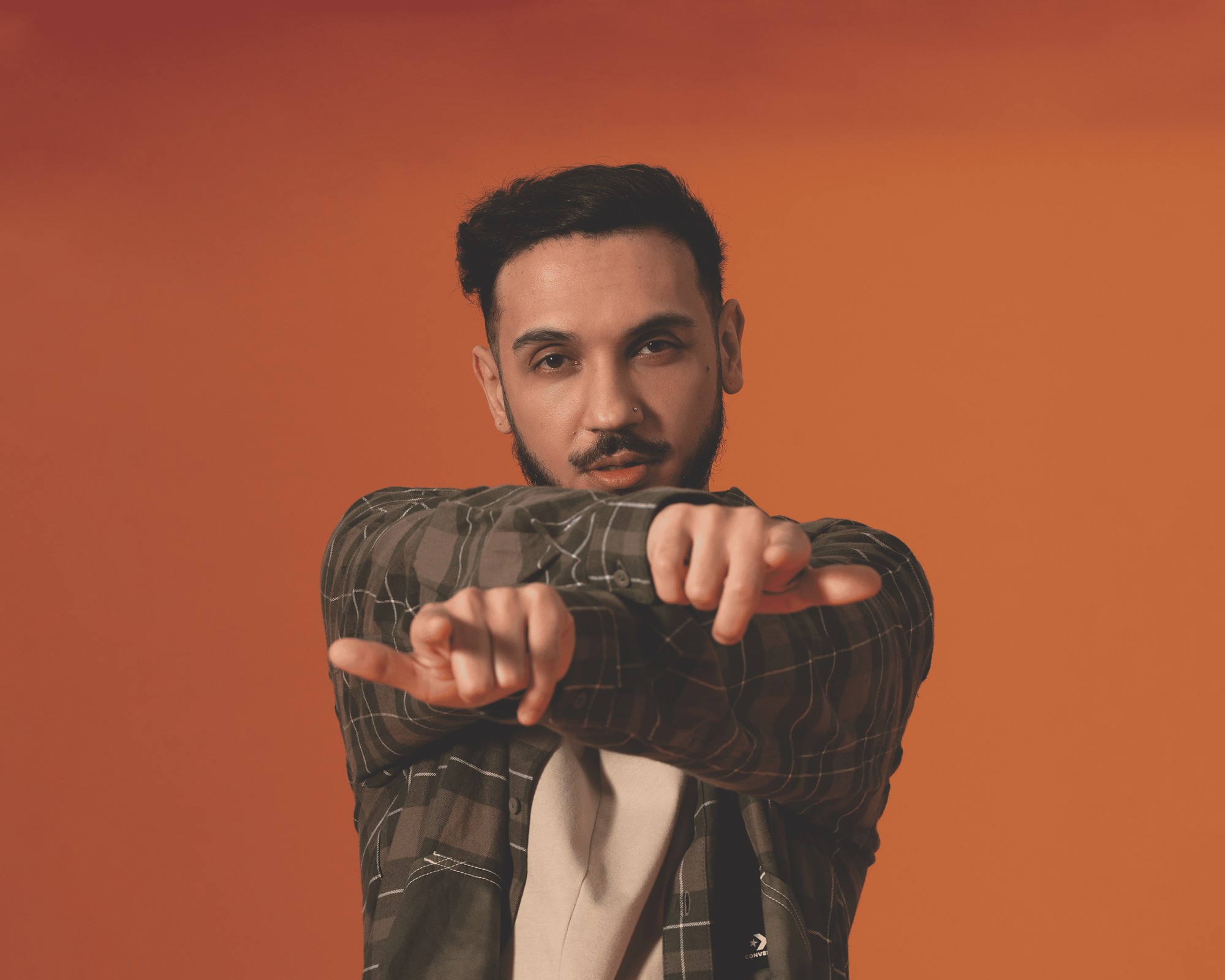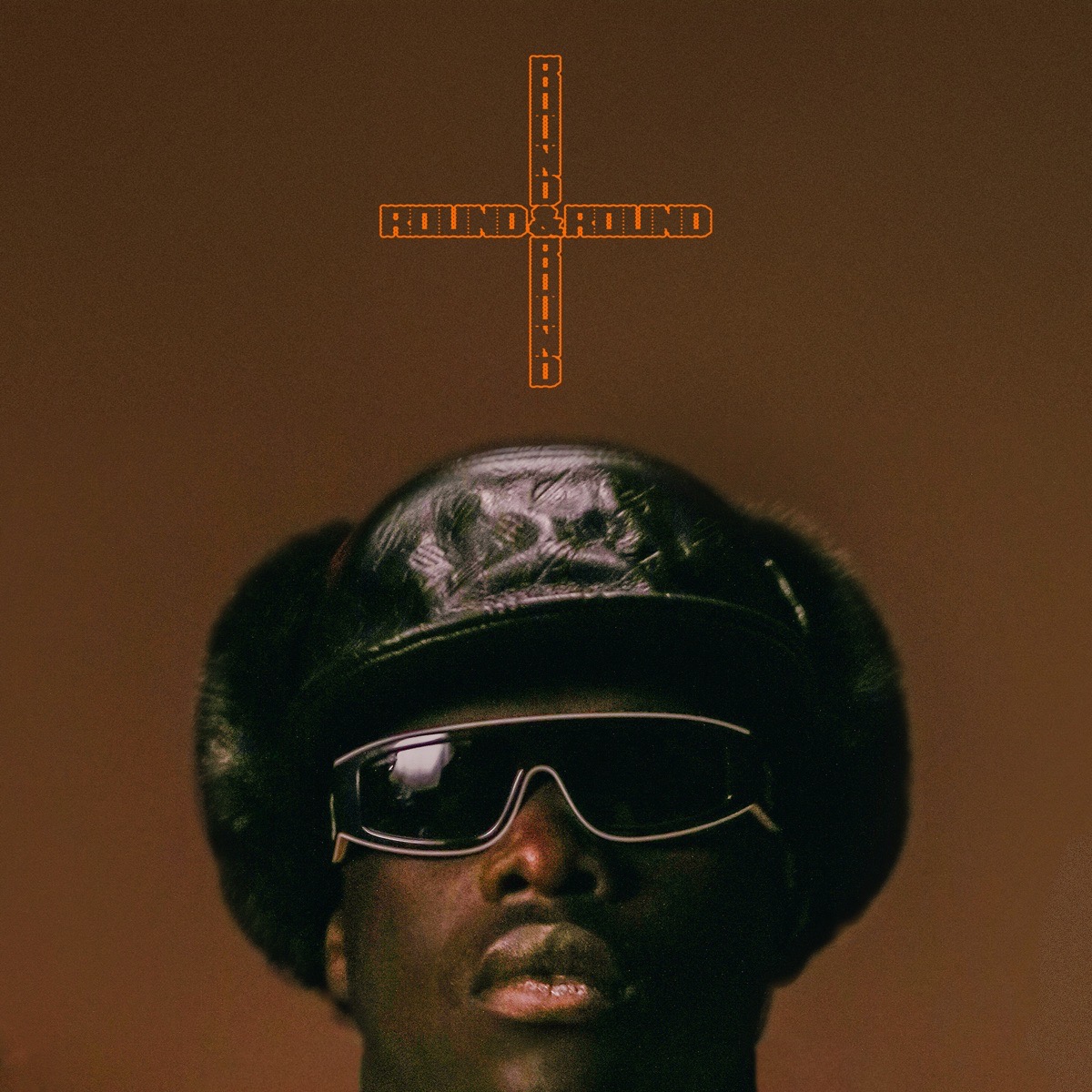
The title is not clever. Pa Salieu called his second album Second, and that is exactly what it is. The second record. The next one. The moment every debut artist arrives at eventually, when the urgency of the first statement has passed and the question becomes whether the noise it made was a beginning or a peak. For Pa Salieu, that question arrived loaded with the weight of everything that surrounded the debut, a weight that has nothing to do with the music itself and everything to do with what was happening in Coventry in 2021.
Send Them to Coventry landed in a particular moment. The city had just been named UK City of Culture, the first time that designation went to a post-industrial Midlands location with nothing obvious to sell tourists. Pa Salieu was from Coventry and had the good fortune of releasing his debut exactly when people were paying attention to the place for the first time in decades. That timing made the record mean more than its contents alone could have achieved. It got read as a document. Critics wrote about it the way they write about landmark albums, as a record that belongs to its geography. That is both an honour and a trap.
The trap is that the second album then has to answer whether the artist is a document or a musician. Whether Coventry was the subject or the context. Whether the debut was a one-off act of witness or the opening statement of a longer career.
The Space Between
Five years is a significant gap for a British rap and afroswing artist. The genre moves quickly. Scenes emerge and calcify and are abandoned in the space of two years. Pa Salieu releasing Second in 2026 means he has missed several cycles of what was fashionable in UK street music. He watched drill become the dominant commercial mode, watched afrobeats absorb several adjacent genres, watched a new generation of Coventry artists grow up under his shadow without slowing down. He did not rush.
Second is the record of someone who had the luxury of time and used it carefully. The production is unhurried. There is space in these tracks where the 2021 record was dense. The UK garage and afroswing elements that defined Send Them to Coventry are still present, but they have been opened out. The textures breathe. The rhythm is there but it does not push. It waits.
There is also a quietness in the emotional content that was not there before. The debut's energy came from an urgency that is easy to understand in retrospect: here is someone who grew up in a particular place, with a particular background, at a particular moment of British cultural history, and who had something to say about all three. The second album does not have that same urgency. It has something steadier. Assurance is the wrong word because it implies something earned and displayed. This is less exhibited than that. It is the absence of doubt rather than the presence of proof.
His Gambian heritage has always been audible in his music, in the cadences, in the melodic approach to rap that distinguishes his delivery from the clipped syllables of conventional UK drill. On Second that quality has become more central. Several tracks feel closer to the Gambian griot tradition than to anything UK rap has been doing in the intervening years. This is not a retreat into heritage as branding. It sounds like someone who went somewhere during those five years and brought back what they found.
The Collaborators and What They Say
Pa Salieu's collaborative instincts have always been good. The debut featured Mahalia, Stormzy, and Aitch, artists from different corners of UK music who were invited because they fit the specific emotional register of each track. Second continues that pattern with more restraint. There are fewer features. The guests who appear are given room to operate rather than being deployed for profile purposes.
The tracklist does not chase every current trend in UK music. There is no attempt to sound like what is on the radio in 2026. There is a confidence in this. Pa Salieu spent enough time on that debut to know what his voice sounds like, and he is not interested in trading it for cultural currency. The album sounds like someone who has decided what kind of artist he is and is now making that record rather than the record the market is waiting for.
What Coventry Gave and Took
Coventry City of Culture ended in 2021. The photographers and journalists went home. The city returned to what it was before: a post-industrial Midlands place with high unemployment, a significant Gambian community, a football club that occasionally threatens promotion, and a particular relationship to the UK post-empire experience that no one in London was paying very much attention to before that year.
Pa Salieu stayed. Not literally, but the city stays in the music. Second does not name-drop Coventry the way the debut did. It does not need to. The perspective is already there, in the posture of someone who grew up somewhere that does not typically get to explain itself. The residual defensiveness of the first record is gone. What replaced it is harder to name but audible on every track. It sounds like someone who no longer needs validation from outside his own geography.
The Record That Proves the Career
The test of a second album is not whether it outsells the first. It is whether it makes the first feel like it was the beginning of something rather than the whole thing. Second passes that test. By the time the album ends, Send Them to Coventry feels like a prologue. Necessary, important, the record that established who he was and where he came from, but not the destination. Second is the record that says the destination is still ahead.
Five years is a long time to hold an audience. Pa Salieu managed it. The people who cared about the first record cared enough to wait. Second repays that patience without being grateful in any way that would diminish the achievement. It is not an apology for taking so long. It is the explanation.