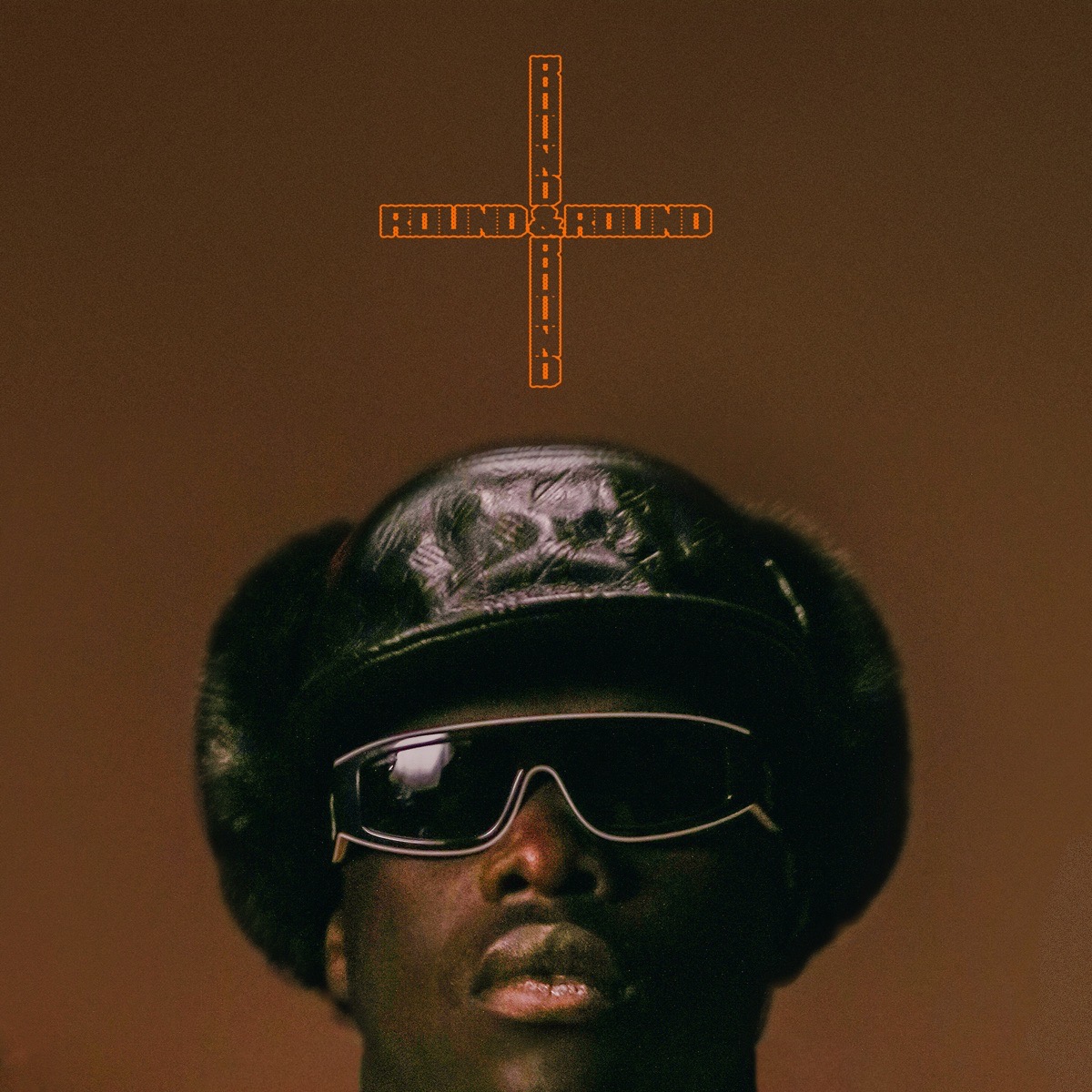
The Last Year Was Weird, her trilogy of EPs released between 2020 and 2022, was always a provisional title. It described exactly what it needed to describe: the feeling of moving through a period of strange becoming, producing music that did not have a fixed address. The three volumes accumulated into something coherent in retrospect, but they were not designed as a single statement. They were dispatches. Signal Fire is the actual dispatch.
Tkay Maidza was born in Harare and grew up in Adelaide. She has been performing since she was a teenager, releasing music since 2014, building a catalog across genre lines that most Australian artists would have considered barriers rather than opportunities. She worked with producers who understood the aesthetic territories mapped by artists at the intersection of UK pop, experimental club music, and east coast rap. She recorded club tracks and then ballads and then something that refused either category, finding the seams between formats and occupying them with increasing precision. By the time Signal Fire arrived, she had been in the process for over a decade.
A proper debut after that much groundwork is a different kind of album. It is not the record of someone who is discovering what they can do. It is the record of someone who already knows and is deciding to show you.
The Long Way There
The Adelaide origin is worth dwelling on for a moment. Australia occupies an ambiguous position in the global music economy. It produces artists who break internationally at a striking rate given the population, but the geography creates a particular kind of hunger alongside a particular kind of insularity. You have to choose to leave, and when you leave, you have to choose a destination. Tkay chose Los Angeles.
The move changed the music. Not overnight, not in a way that traded one set of influences for another, but in the accumulation of sonic exposure that happens when you are physically present in a city that generates specific kinds of sound. Los Angeles has its own ambient quality, a dryness and a sprawl and a certain attitude toward time that enters the music of anyone who spends enough years there. Signal Fire sounds like Los Angeles without sounding like an LA record. It has absorbed the geography without becoming it.
Her Zimbabwean identity has always been present in the music, in the rhythmic sensibility, in the way she hears melody, in a certain relationship to the body and to movement that connects to traditions far older than the genre frameworks she operates within. Signal Fire makes that connection more explicit than the EPs did. It does not perform African heritage for a Western audience. It simply incorporates it the way a person incorporates everything they have inherited.
The Record as Synthesis
Signal Fire is 12 tracks and moves with intention. There are no moments where the album pauses to wonder what it is. The genre fluidity that defined the LYWW era has been resolved into something that sounds like Tkay's genre rather than a tour through adjacent ones. The pop instincts are intact. The club textures are intact. The vocal technique, which has always been one of her least discussed but most distinctive qualities, is given more space here than it was on the EPs.
Her voice is athletic in a very specific way. It can do fast and precise, the kind of technical delivery that belongs to rap, and it can sit inside a chord and sustain the kind of emotional attention that belongs to soul. Signal Fire uses both modes within the same tracks without making the transitions feel like category changes. The album sounds like it was made by someone who does not experience those two things as different genres but as different tools in the same kit.
The production is sharp without being cold. There is warmth in the low end, in the way the drums have been mixed to feel physical without being oppressive. The high end sparkles. Tkay has always known how to make music that rewards headphones and also works in a room. Signal Fire is the most successful demonstration of that skill in her catalog. The guest appearances are calibrated with the same care: no one is here to add algorithmic value to a tracklist. Every collaboration opens up a specific part of the album rather than redirecting attention toward a featured name.
What the Album Asks
The title refers to a method of communication so old it predates written language. Before radio, before telephone, before the internet, people used fire on hilltops to signal across distances that would otherwise be impassable. The metaphor Tkay is working with on Signal Fire is not subtle, but it does not need to be. The album announces itself clearly and then delivers on the announcement.
What it is asking, underneath the confident production and the precise vocal performance and the decade of built infrastructure, is the question that every diaspora artist asks eventually: what does it mean to be from two places at once, and to have chosen a third? Zimbabwe, Adelaide, Los Angeles. Harare nights, Australian school mornings, California studio afternoons. Signal Fire does not resolve that complexity because the complexity is not a problem to be solved. It is a perspective to be inhabited.
The album ends with a track that sounds like a summary without sounding like a conclusion. It does not wrap things up so much as it holds the whole record in a single frame and lets you see the shape of it. That is a difficult thing to do at the end of a debut. It requires knowing not just what the album is about but what it is for, and being willing to say so in sound before you say it in words.
Tkay Maidza has been saying this all along, through the EPs, through the genre experiments, through the relocations and the collaborations. Signal Fire is the record where the saying and the sound finally arrive at the same place at the same time. That convergence is what makes it feel like a debut in the truest sense: the first time an artist puts everything they have understood about themselves into a single object and sends it out into the world.