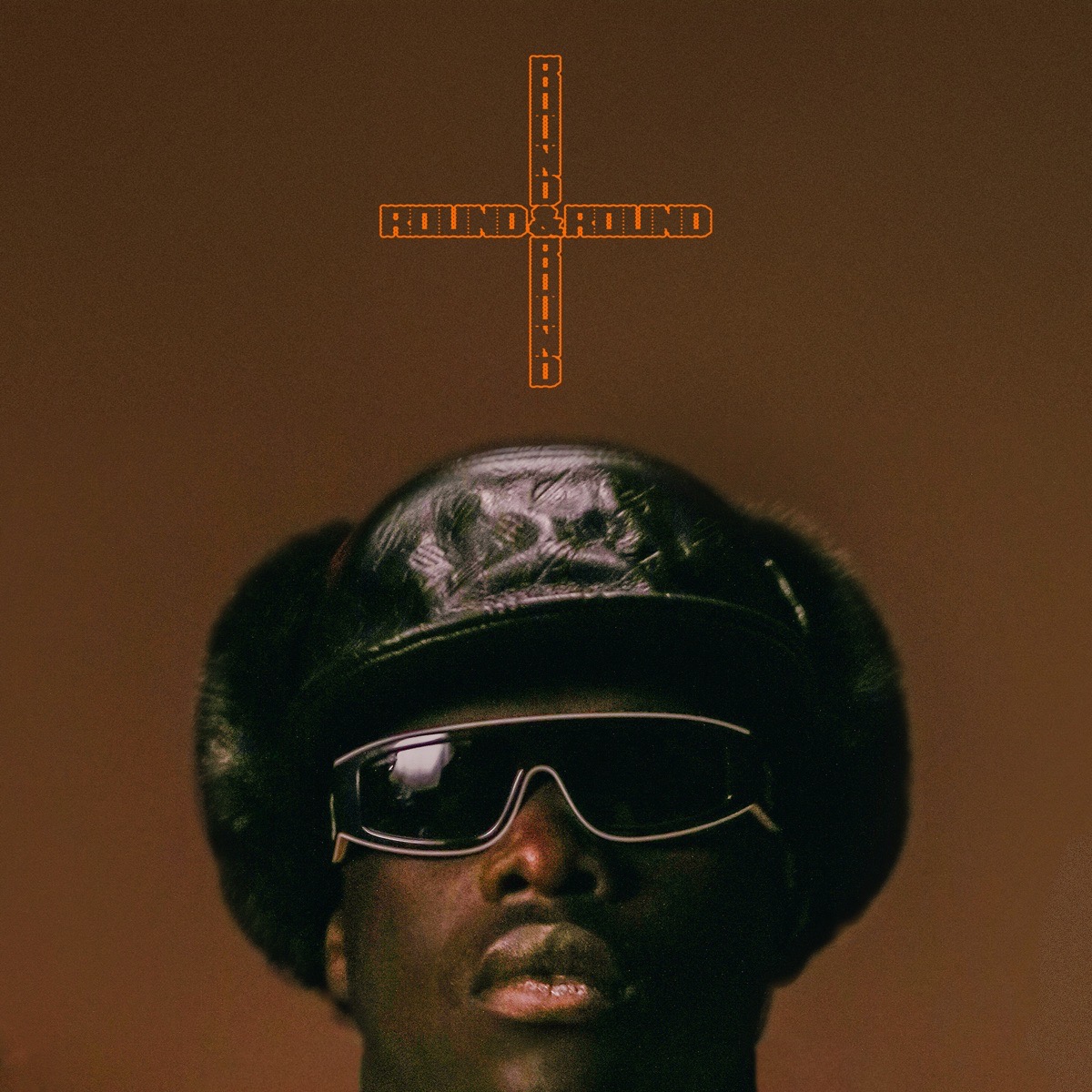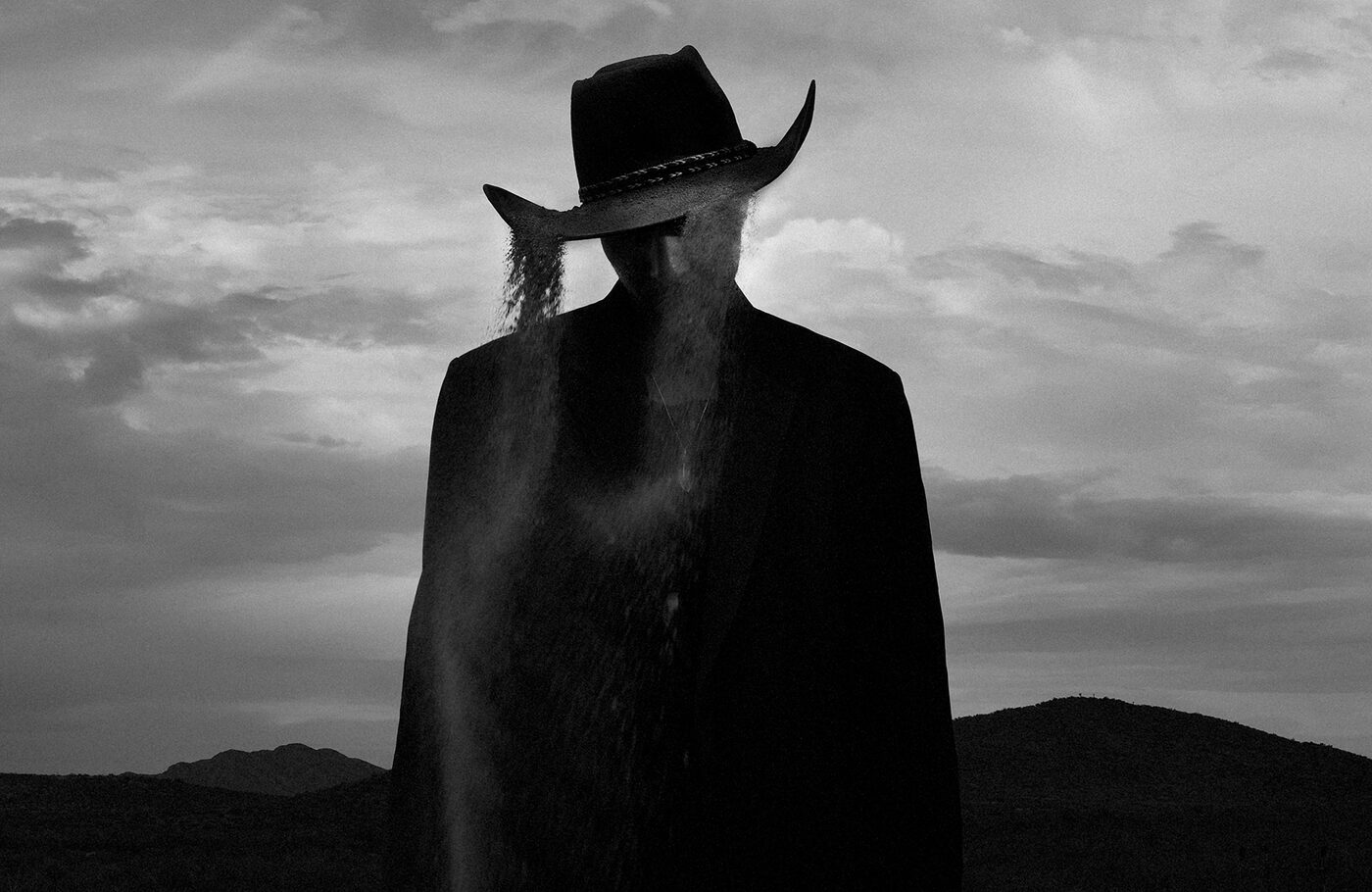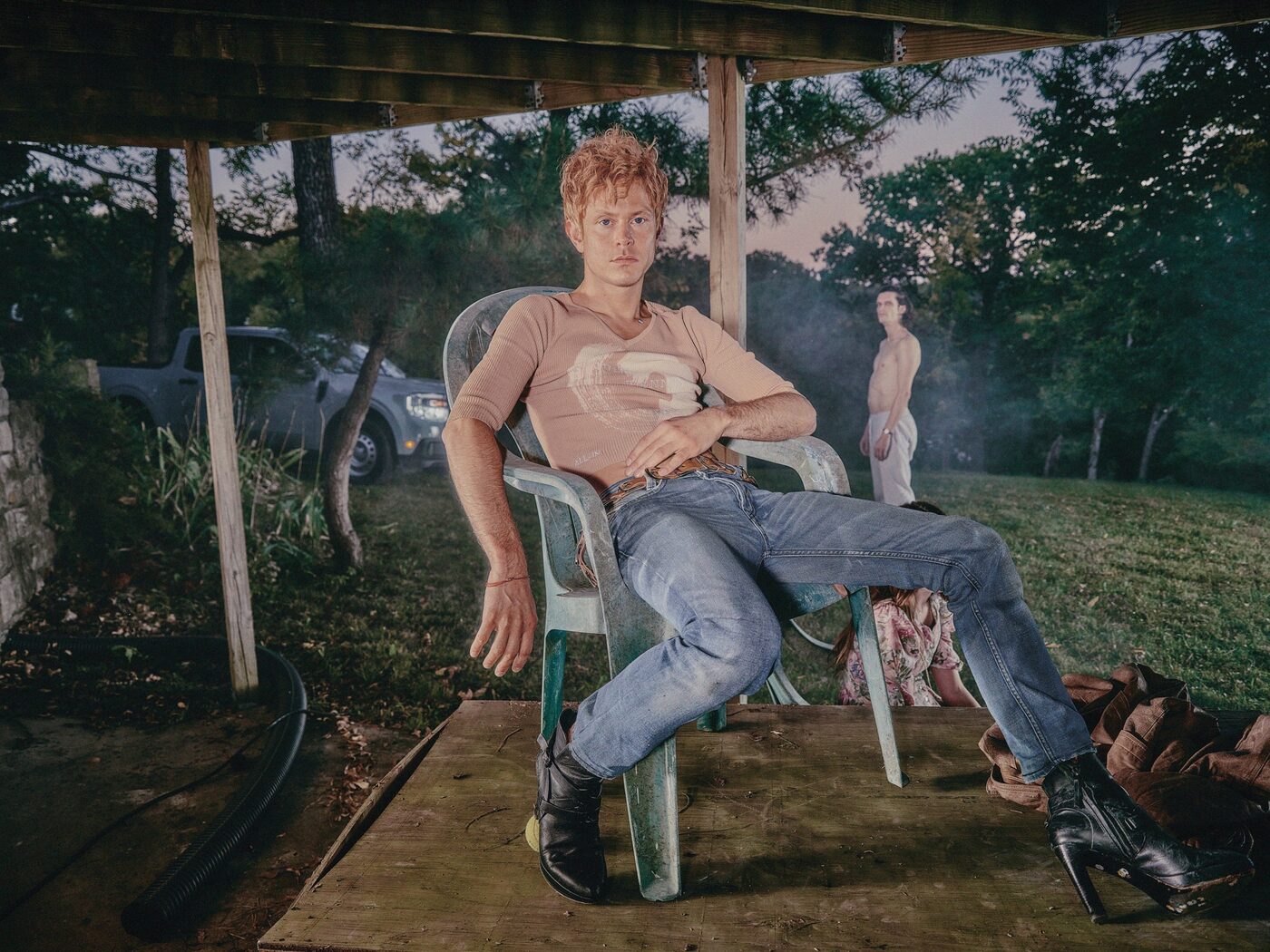
"Clean Heart," the third single from Glory, arrived March 25, 2025, three days before the album. It does not announce itself. It does not resolve. It ends and the listener is already somewhere else before realizing what happened. That is the entire method of Mike Hadreas at his best. Not the grand gesture but the thing that passes through you before you can brace against it.
Glory is Perfume Genius's seventh studio album and his most controlled piece of work. It is also, for that reason, the most affecting. Hadreas has spent the better part of fifteen years training listeners to expect the wound, and Glory delivers it without once showing you the blade. The record runs 41 minutes across 11 tracks and sounds nothing like its length. Songs end before you want them to. The feeling afterward is of having been somewhere very specific and very briefly.
The album addresses the body and its decay, domesticity, the inescapable weight of accumulated history. None of this is new territory for Hadreas. What is new is the angle. Glory does not ask for your sympathy. It does not require your understanding. It assumes you are already there, and it proceeds accordingly.
The Production and What Blake Mills Does Not Do

Blake Mills produced Set My Heart on Fire Immediately in 2020 and returned for Glory. The two albums are related but not identical in their aims. Set My Heart on Fire Immediately used space to create drama. Glory uses space to create weather. The distinction matters. On the fifth album, emptiness was structure. On the seventh, it is atmosphere.
What Mills does best is negative space. He removes the scaffolding. Guitars on Glory sit in rooms rather than tracks. Jim Keltner's drums breathe rather than anchor. Guitarist Meg Duffy, who performs as Hand Habits, adds texture that functions more as air than instrumentation. The album was recorded at Sound City Studios in Los Angeles, and the size of that room is audible throughout.
The critical instinct with producers like Mills is to call what they do transparent, as though their goal is invisibility. That misses it entirely. Mills foregrounds the instrument as organism, the sound as something with a body, and on Glory that approach aligns exactly with what Hadreas is writing about. A production style that made every note feel physical was the argument, not its decoration.
Alan Wyffels and the Music Inside the Music

Hadreas's partner Alan Wyffels plays piano, harmonium, and vocals throughout Glory. His contribution is not ornamental. On several tracks his parts are the structural center, and Hadreas writes and performs against them rather than atop them. This creates a specific kind of intimacy. The listener is inside a conversation rather than watching one happen.
The Wyffels presence has been part of the Perfume Genius live show for years and has been a studio fixture since No Shape (2017). But Glory is the album where the collaboration registers as essential rather than supplementary. The difference is in the space Mills leaves. Where earlier records filled their arrangements, Glory trusts the gaps, and in those gaps the dynamic between Hadreas and Wyffels becomes the emotional center of the record.
Wyffels plays harmonium on several tracks, an instrument that sounds antique until it does not, until it sounds present in a way that piano cannot always manage. On an album about the body and its history, there is something right about an instrument that breathes.
What "No Front Teeth" Proves About Aldous Harding

The second single from Glory, released February 19, 2025, is "No Front Teeth," featuring New Zealand singer Aldous Harding. The collaboration could have produced something cozy. Both artists are known for art song, for controlled intensity, for lyrics that work on a diagonal. Instead the track is one of the stranger things on the record, built around a restless piano figure and a vocal interplay that neither resolves into harmony nor commits to dissonance.
Harding's presence clarifies something about Hadreas's voice that is easy to miss when it is the only voice in a room. He sings in a register that resists sentiment even when the lyrics invite it. Next to Harding, who deploys vibrato as a precision instrument, Hadreas sounds stripped. The effect is not subtraction. It is exposure of a different kind.
The Visual Grammar of Cody Critcheloe

The music video for "It's a Mirror," directed by Cody Critcheloe, accompanied the album announcement on January 15, 2025. Critcheloe, who performs and directs under the name SSION, has directed Perfume Genius visuals for years. There is no gap between the aesthetic of the video and the aesthetic of the song. Both are interested in the same questions about the surface of a body and what it cannot contain.
Critcheloe's visual approach privileges discomfort over resolution. His frames are populated rather than composed, busy in a way that is structural rather than decorative. For an album as interior as Glory, the choice of a collaborator who traffics in spectacle might seem like a contradiction. It is not. Hadreas has always used the maximalist gesture to protect what is genuinely private, and Critcheloe understands exactly where that boundary lives.
The Reckoning That Glory Demands

Glory scored 90 on Metacritic based on 17 reviews. That number is worth taking seriously for reasons that have nothing to do with aggregation. The consensus is unusual for an album this specific. Paste Magazine gave it 9.8 out of 10. The Line of Best Fit called it a cinematic masterpiece. These are not words critics reach for in bulk. Glory earned them because it is genuinely difficult to explain what it does to a person who has not heard it. That experience, of something working on you by means you cannot immediately name, is rarer than it has any right to be.
Perfume Genius is not an artist whose reputation has ever depended on consensus approval. Learning (2010) was quiet and homemade. Too Bright (2014) was confrontational. No Shape (2017) reached for orchestral scale. Each record repositioned Hadreas against a different set of listener expectations. Glory does not reposition him. It arrives as a fully formed argument for what he already is, and the argument lands.
That is the difference between an artist who is growing and an artist who has arrived.