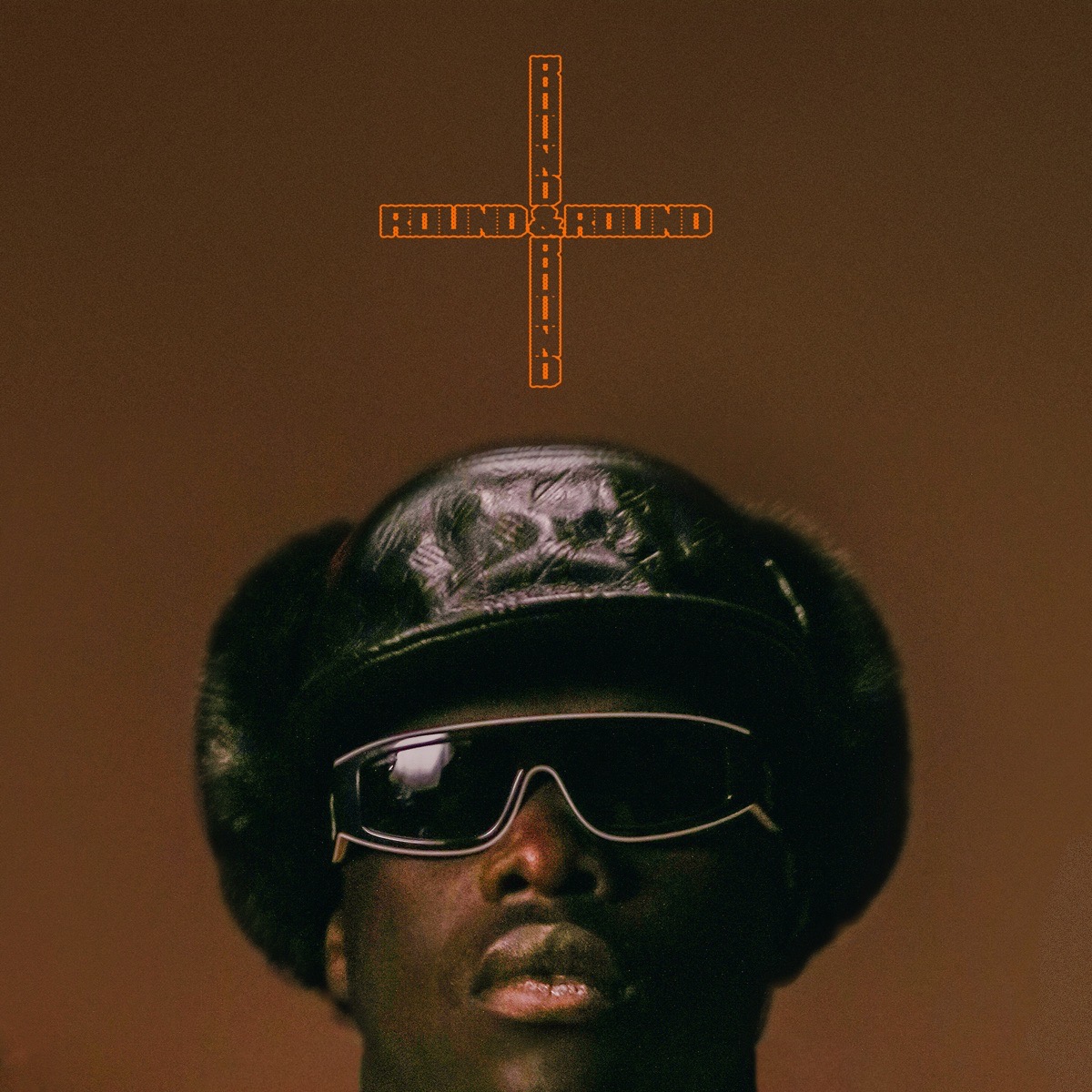
Daptone Records has spent more than twenty years operating as if the question of whether soul music could survive the departure of its classic era was a misunderstanding of what soul music actually was. The Brooklyn-based label's catalog, built around artists like Sharon Jones, Charles Bradley, and the Dap-Kings, has argued consistently that the genre's vitality was never about a particular historical moment. It was about a particular quality of attention, a way of making music in which the physical experience of playing together in a room, the actual sound of bodies and instruments in real space, is the primary vehicle for emotional content. This is why Daptone recordings tend to sound the way they do: present, warm, sometimes deliberate in ways that more polished production would smooth away.
Jalen Ngonda arrived at this label by a route that is itself a kind of argument for the music he makes. Born in Washington, DC, and raised in its suburbs in a household where his father introduced him to Motown at the age of eleven, he later accepted an offer from the Liverpool Institute for the Performing Arts and built a life and a sound on the other side of the Atlantic. His debut, "Come Around and Love Me," released through Daptone in September 2023, announced him as a singer and writer with gifts that went beyond period-faithful soul recreation. Rolling Stone named him to their Future of Music list. The praise came from people who understood what they were hearing: something real, delivered without irony or protective self-consciousness.
"Doctrine of Love," his second album and first since that debut established the terms, deepens what "Come Around and Love Me" proposed. The ten tracks run approximately thirty minutes, a compressed statement that trusts its material to carry weight without extension. The orchestral arrangements that his debut gestured at are more fully realized here. Horns that do not merely accent but carry the melody. Background vocals that land in gospel territory without committing to church. A rhythm section that provides steadiness rather than spectacle.
The Doctrine Itself
The album's title is a philosophical claim, not a rhetorical one. The doctrine of love, as Ngonda has described it, holds that every thought and action should be guided first by compassion for others, because love is the highest measure of human worth. This is not a novel idea. It has been at the center of religious and ethical thought across traditions for centuries. What makes it interesting as an album premise is that Ngonda is not writing songs about the doctrine. He is making the doctrine the formal principle. The music itself demonstrates what it is arguing: that love, as aesthetic commitment, as attention to craft and care toward the listener, is the basis of the exercise.
This matters because soul music has often used love as subject matter while operating on less generous principles: the pose of tenderness deployed as seduction, the language of care wrapped around a transaction. Ngonda's work, at its best, does not feel transactional. "Burning Temptation" and "I Can't Ever Leave You" describe states of romantic entanglement with a specificity that goes beyond lyrical formula. "Hannah, What's the Matter?" introduces a named character into a genre that often trades in types, treated with curiosity rather than flattery. These are small moves, but they accumulate into something that feels like genuine witness.
The track "Mr. Train Conductor" extends this further, using travel as a metaphor for emotional arrival without resolving the journey too easily. It is one of the album's most elegant constructions: a song that knows where it is going but takes its time getting there, which is exactly the quality that distinguishes the album as a whole from more impatient soul music.
What the Sophomore Record Reveals
The second album is where an artist's actual project becomes legible. The debut can be contained by the circumstance of its making, shaped by years of accumulated material and the energy of first introduction. The second album shows what the artist chooses to do with attention, what they decide matters, what they deepen versus what they discard. Ngonda deepens almost everything.
The production, handled within the Daptone infrastructure by collaborators who understand the label's philosophy of sonic presence, is more confident than on "Come Around and Love Me." The songs are more economical, structured as if Ngonda had thought hard about every bar. His voice has developed in the specific way that voices develop when they are used consistently and honestly: it has more range in the quieter registers, more texture at the edges of what he can reach, more apparent connection between what the lyric is doing and how the voice responds to it.
The transatlantic life, the DC roots and the Liverpool residence and the touring that has taken him through European and American concert circuits, seems to have given him perspective on what this music is for. Not nostalgia, exactly, though the Motown influence is audible throughout. Something more like inheritance: an understanding of a tradition specific enough to be used rather than imitated.
The Larger Conversation
Soul music in 2026 occupies a position that is simultaneously secure and contested. The genre's canonical period remains a fixed point of reference for producers and listeners across multiple overlapping scenes. But the artists doing the most interesting work in this territory are the ones who have internalized the tradition deeply enough to contribute to it rather than simply reproduce it. "Doctrine of Love" does not sound like a museum piece. It sounds like an album made by someone who understands why the music existed in the first place and has something of their own to say within those terms.
Thirty minutes is all it needs. The concision is itself a form of respect for the listener's time and for the material's integrity. By the time "Taken Out of the Picture" closes the record, the doctrine has been demonstrated rather than argued. Which is, in the end, the only way a doctrine worth following ever gets established.