A24 has spent the last decade proving that prestige cinema and cultural relevance are not mutually exclusive. Mother Mary, their April 2026 release starring Anne Hathaway and Michaela Coel, is the latest evidence.
The film casts Hathaway as Mother Mary, a fictional global pop star, and Coel as Sam Anselm, her estranged best friend and former costume designer, exploring the intensity and eventual collapse of their relationship on the eve of Mary's comeback performance. It is a melodrama in the best sense of the word: a film that takes the emotional temperature of fame, creativity, and the cost of visibility and turns it into something genuinely moving. Written and directed by David Lowery, with music composed by Daniel Hart and original songs from Jack Antonoff and Charli XCX, it announces itself as a film that understands the pop landscape it is drawing from.
The Cast
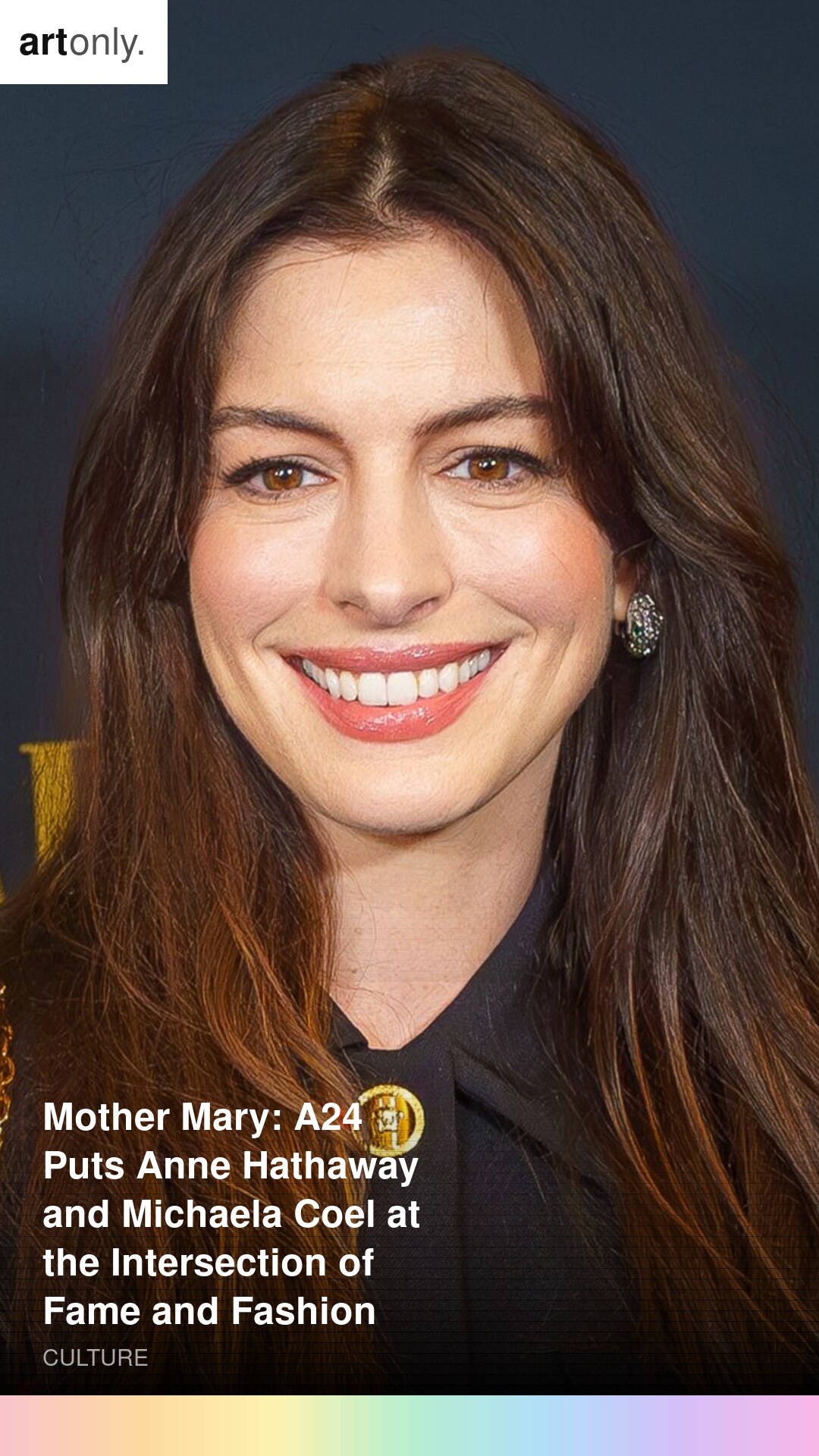
Hathaway and Coel represent two of the most interesting trajectories in contemporary acting. Hathaway has spent the past several years systematically dismantling the perception of her as a safe, mainstream choice, taking roles that demand vulnerability and risk. Coel, after the triumph of I May Destroy You, has become one of the most sought-after performers in the world, an artist whose presence on screen communicates intelligence and emotional depth without effort.
Together, they create a dynamic that is rare in contemporary cinema: two performers of equal weight, neither subordinate to the other, occupying the same frame with genuine chemistry. The film's central tension, a Black woman who shaped the visual identity of a white global icon without receiving the credit that shaping deserved, gives that chemistry something real to work against. Bina Daigeler's costume design carries enormous weight in making that argument visible without making it didactic.
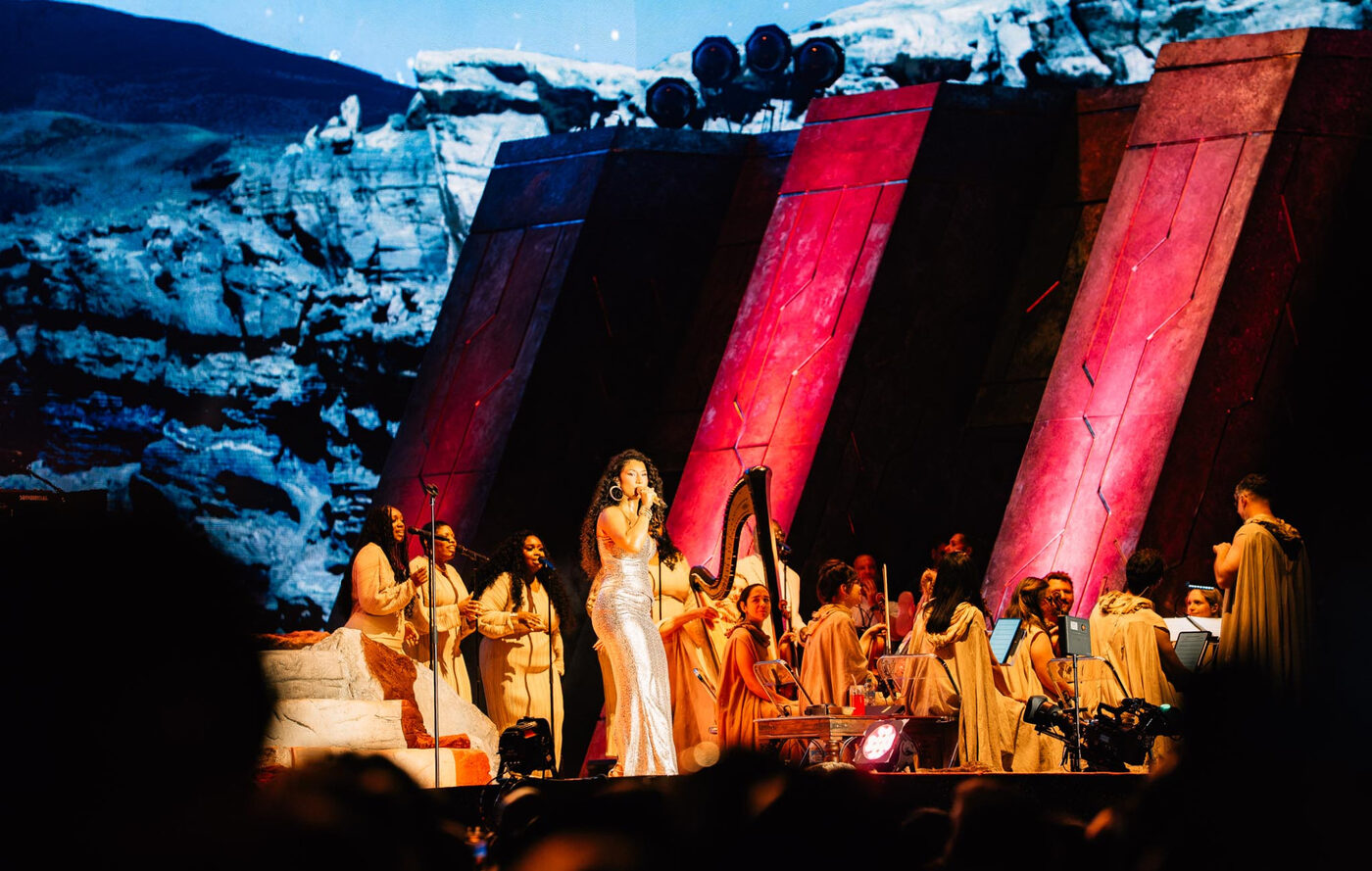
The supporting cast extends the film's ambitions. Hunter Schafer, FKA Twigs, Kaia Gerber, and Alba Baptista each appear in roles that contribute to the film's portrait of the ecosystem surrounding a performer of Mary's magnitude. FKA Twigs also contributed an original song, which is precisely the kind of casting decision that signals a film taking itself seriously as a document of the contemporary pop world rather than simply dramatizing it from a safe distance.
Fashion, Fame, Identity
Mother Mary sits at an intersection that defines 2026 culture: the point where fashion, music, film, and identity politics converge. The film does not treat these as separate territories. It understands that in the current moment, a fashion show is a cultural statement, a pop concert is a political act, and a relationship between two powerful women is inherently a story about power itself.
The specificity of the costume designer relationship as the film's central dynamic is a genuinely unusual choice. Fashion in film is usually background, texture, production design. Here it is the argument. The question of who deserves credit for the visual language of a public persona, who owns the image, who has historically been made invisible in the construction of icons, sits at the center of the story and gives the more operatic emotional beats their grounding.
This is where the film earns the A24 label in the substantive rather than the brand sense. It is formally ambitious, yes. More importantly, it has something to say that it actually says, and it says it through character and image rather than through dialogue that explains the theme back to you.
The A24 Machine
A24 continues to operate with an instinct for cultural timing that no other studio can match. From Everything Everywhere All at Once to Midsommar to Hereditary, they have consistently identified the stories that audiences need before audiences know they need them.
Mother Mary released in limited theaters on April 17, 2026, before expanding nationwide on April 24. It has earned a 70% approval rating on Rotten Tomatoes from 183 critics, a number that reflects genuine critical division rather than consensus failure. The disagreements are substantive and worth reading, because they locate exactly where the film challenges expectations and where it meets them. Those arguments are themselves evidence of a film doing something worth arguing about.
Mother Mary feels like another of those bets. Whether it connects commercially remains to be seen. Whether it matters culturally is already evident from the conversation it generated before anyone had seen it and has continued to generate since.
What the Collaboration Means
The pairing of Anne Hathaway and Michaela Coel is itself a thesis about where prestige cinema is going. Hathaway has spent the decade since her Oscar win navigating the gap between her acknowledged technical gifts and the cultural discomfort that surrounded her for years. The roles that have worked best for her, the ones that have used what she can actually do, have leaned into a quality of intensity that some audiences find alienating and others find riveting. Coel brings something entirely different: a writer-performer's intelligence, a refusal of vanity about what a performance needs to do, a track record with I May Destroy You that demonstrated she can hold the screen for a sustained work in a way that demands rather than solicits attention.
The film, directed by David Lowery from a screenplay, represents a bet that these two qualities in combination produce something neither could produce alone. The Jack Antonoff-scored soundtrack with additional contributions from Charli XCX and a song from FKA Twigs positions the film within a specific contemporary cultural conversation while Bina Daigeler's costume design insists on something more timeless. These are not contradictory impulses. They are the film's argument about itself: that it belongs to the present moment and to something larger.
Films that know exactly what they are tend to find their audience. Mother Mary knows exactly what it is.
The bet A24 is making with Mother Mary is on the audience's willingness to meet difficulty with patience. Previous A24 films have demonstrated that this audience exists and that it shows up. The question is always whether the specific film delivers on the implicit promise. The early evidence, the critical division that reflects genuine engagement rather than dismissal, suggests it does. A film that generates real disagreement is almost always more interesting than one that generates consensus. Mother Mary belongs to the first category.