The album was supposed to be dead by now. The logic was simple: streaming platforms incentivize singles. Playlists favor individual tracks over cohesive projects. Attention spans are shrinking. The 45-minute artistic statement was a relic of the CD era, destined to disappear like the jewel case that once housed it.
In 2026, the album is not only alive. It is thriving in ways that the streaming pessimists never predicted.
The Evidence
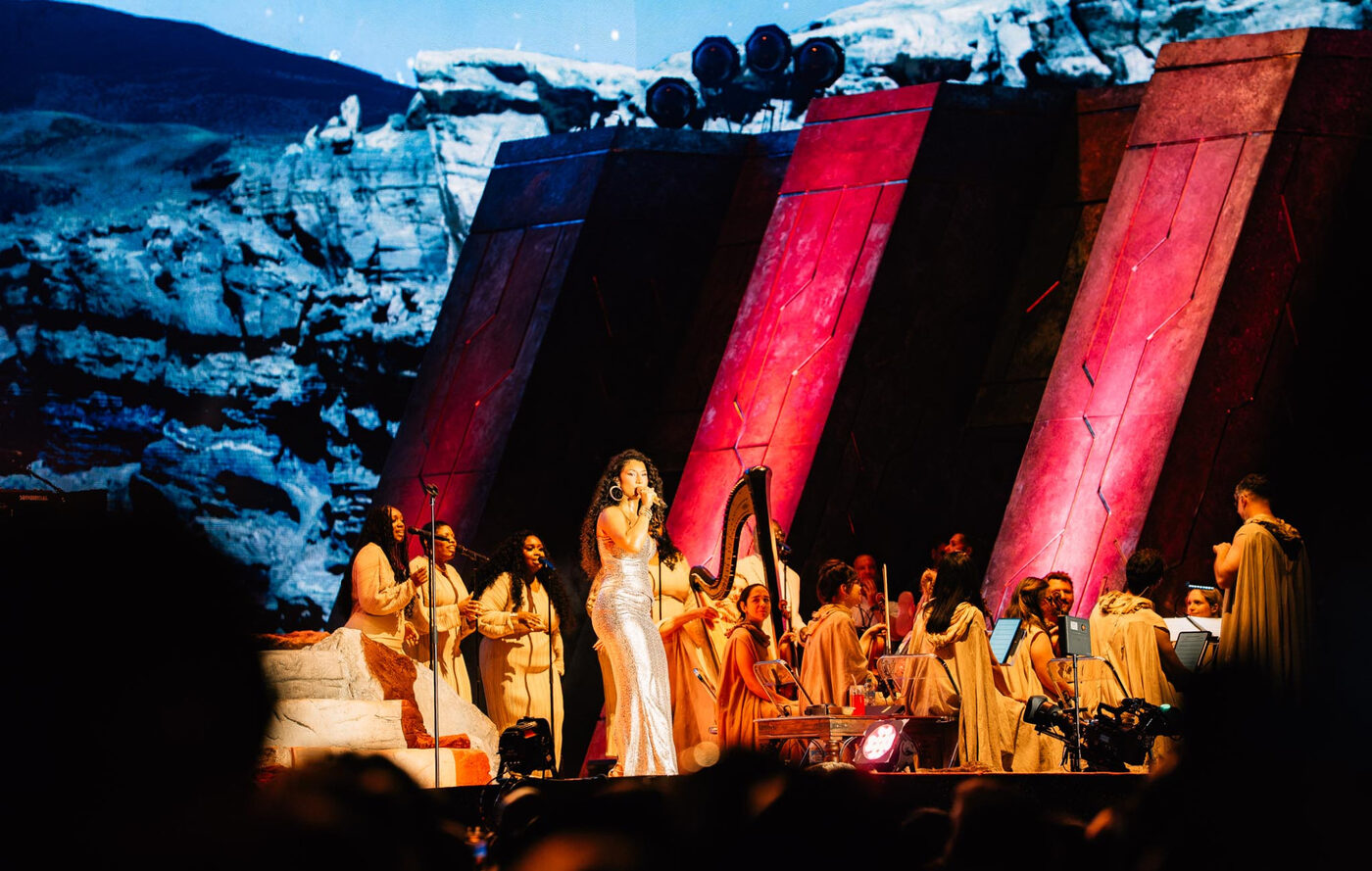
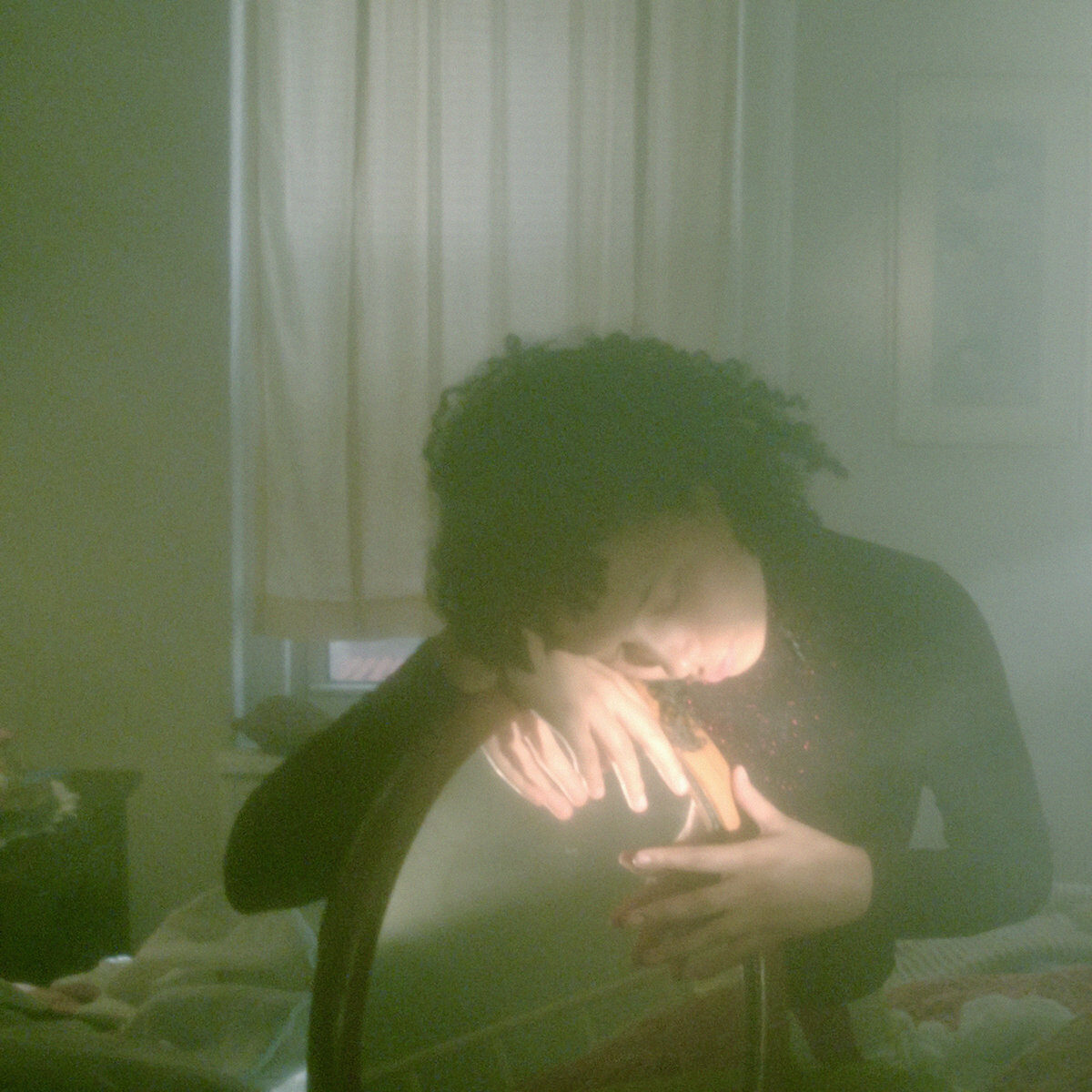
The most culturally significant music events of the past three years have been album releases. SZA's SOS dominated for two years straight. Beyonce's Renaissance reshaped dance music. Kendrick Lamar's GNX reignited the art of the diss track within a larger conceptual framework. Tyler the Creator's CHROMAKOPIA proved that experimental ambition and commercial success are not mutually exclusive.
None of these projects would have worked as a collection of singles. They demanded to be heard as complete statements, and audiences responded by listening to them that way. The sequencing mattered. The transitions mattered. The way one song set up the next mattered. These were not playlists in disguise. They were albums, and they were consumed as albums by tens of millions of people who were supposed to be incapable of sustained attention. The numbers from 2023 and 2024 make the case without ambiguity: the ten highest-streaming albums of those years were each released as complete projects, each consumed by their largest audiences as unified experiences rather than fragmented playlists.
The Vinyl Paradox
Perhaps the strongest evidence that the album is not dead is the vinyl market. Physical vinyl sales have outpaced CDs for four consecutive years. Listeners are not just streaming albums. They are buying them in the most inconvenient, expensive, and deliberate format available.
This is not nostalgia. A significant portion of vinyl buyers are under thirty. They did not grow up with records. They chose them. The choice represents something that streaming cannot provide: commitment, intention, and the physical pleasure of engaging with music as an object rather than a stream. Buying a record requires a decision. You spend money. You make space. You choose a side to start on. All of this is work, and people are choosing to do it.
The vinyl resurgence tracks almost exactly with the maturation of streaming. As songs became easier to access, albums became more meaningful as physical objects. The scarcity of physical music, not scarcity in the economic sense but in the sense of requiring deliberate acquisition, turns out to matter to a large group of listeners who want to make a commitment to the music they love.
What Changed
The album did not survive because the industry protected it. It survived because artists insisted on it. The most respected musicians of this era treat the album as their primary canvas, the format where their ideas are most fully expressed. They are not making albums because the market demands it. They are making albums because the art demands it.
Streaming, paradoxically, has made the album more important by making individual tracks disposable. When any song can be skipped, forgotten, and algorithmically replaced, the album becomes the only format that asks the listener to stay. And the listeners who stay, who commit to a 50-minute journey from beginning to end, form a deeper connection with the music than any playlist can generate.
The streaming economy rewards plays, not commitment. An artist who releases twelve singles accumulates twelve opportunities for a track to go viral. An artist who releases one album makes a single bet on a sustained piece of work. The album bet keeps paying off for the artists willing to make it.
The Conceptual Album Returns
What has been less noticed is that the conceptual album, the record organized around a central idea or narrative, has enjoyed the most significant revival of the streaming era. Kendrick Lamar's Mr. Morale and the Big Steppers and later GNX operated as unified statements that required front-to-back listening to fully comprehend. Beyonce's entire Lemonade-to-Renaissance arc has been sustained, project-by-project thematic work. Frank Ocean insisted on a visual album alongside Blonde to preserve the contextual framing that streaming would otherwise strip away.
These artists are not fighting streaming. They are working within it while refusing to let it determine what they make. The platforms get the files. The artists keep the vision. And the audiences, who were supposed to have lost the capacity for sustained listening, have shown up for every major album of the past three years with a level of collective attention that would have looked impressive in any era.
The Critic's Mistake
The mistake the streaming pessimists made was confusing the platform's incentives with the audience's desires. Spotify benefits from songs that get added to playlists and streamed on repeat. That is a real economic incentive. But the audience's desire is not identical to what the platform's economy rewards. Listeners want to be moved. They want sustained experience. They want the thing that a great album does and a great single cannot: the ability to go somewhere and stay there for forty-five minutes.
The critics who wrote the album's obituary were watching the platform and forgetting the people. Albums are not formats for an industry. They are formats for experience. The industry can change its incentives. The experience stays irreplaceable, and listeners know the difference. The numbers confirm what the argument should have assumed: people do not stop wanting to be moved just because the delivery mechanism changes.
The Future of the Format
The album is not going anywhere. It will continue to evolve, incorporating visual elements, interactive components, and narrative structures that take advantage of digital distribution rather than being threatened by it. But its core purpose, providing a sustained artistic experience that rewards sustained attention, is timeless.
The album was never about the format. It was about the commitment. As long as artists have something to say that requires more than three minutes to say it, the album will endure. And as long as there are listeners willing to sit with a piece of music for forty-five minutes, the album will find its audience. Both groups are larger than the pessimists predicted, and both are growing.