Amaarae: Black Star and the Future of Ghanaian Pop
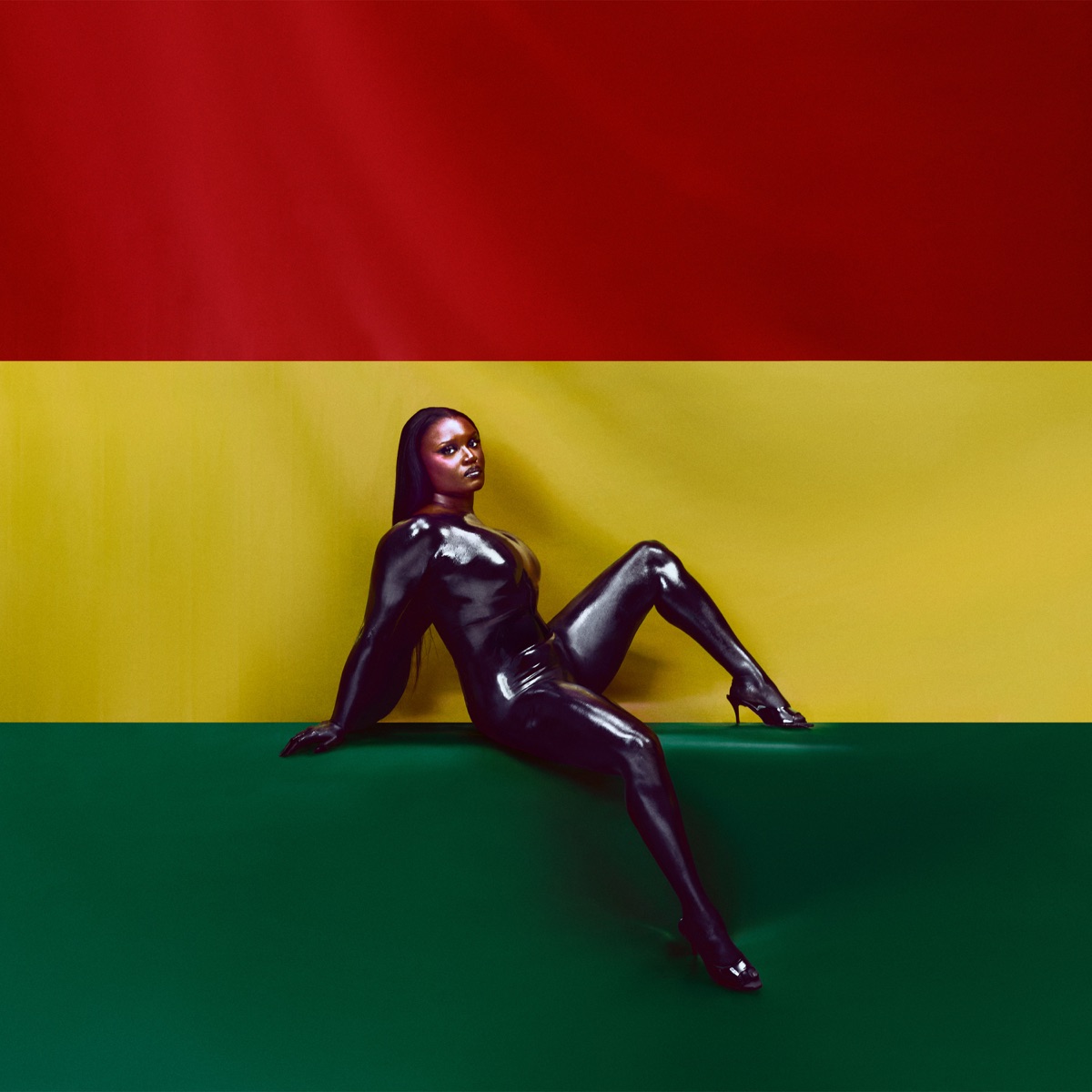
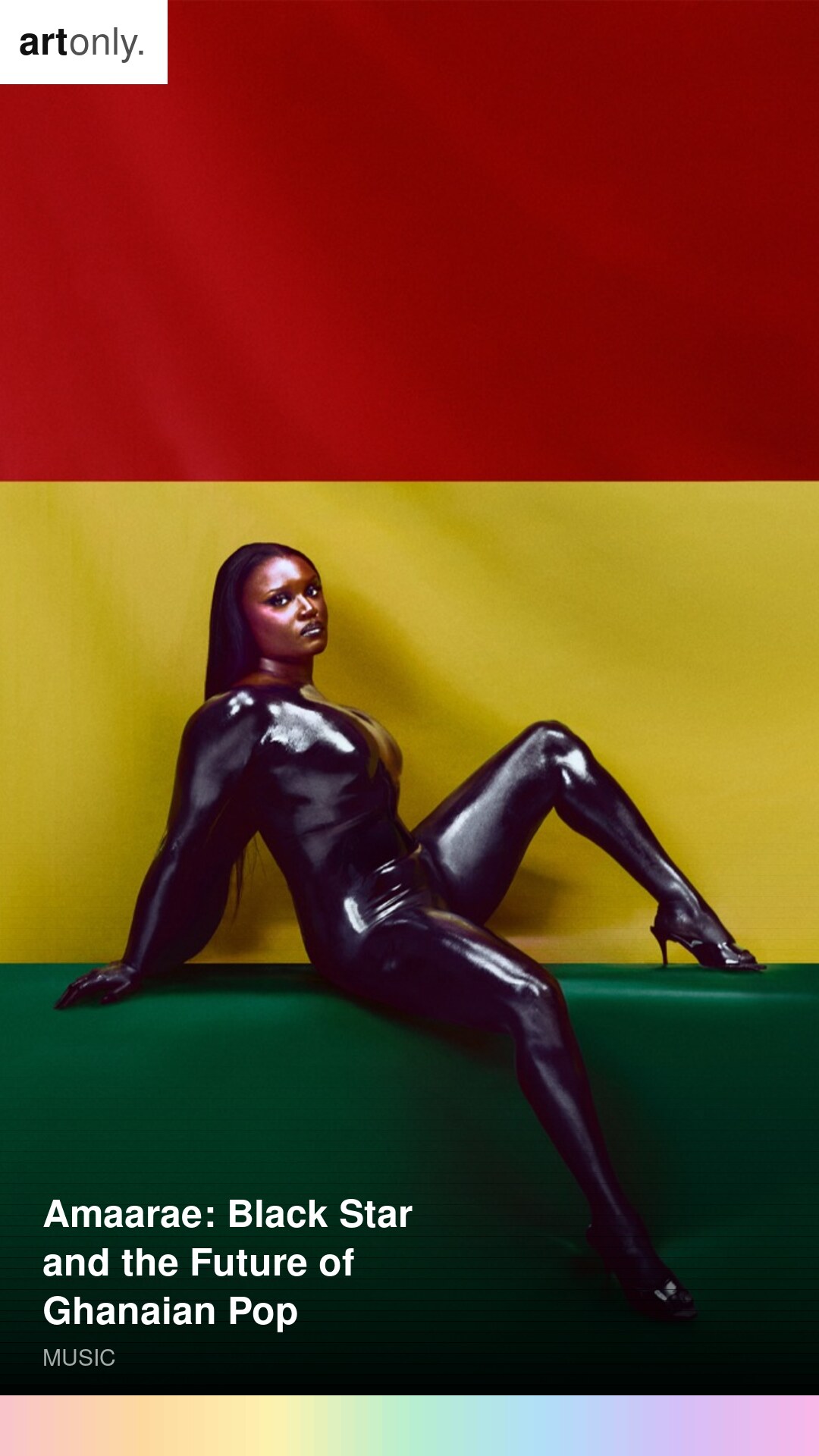
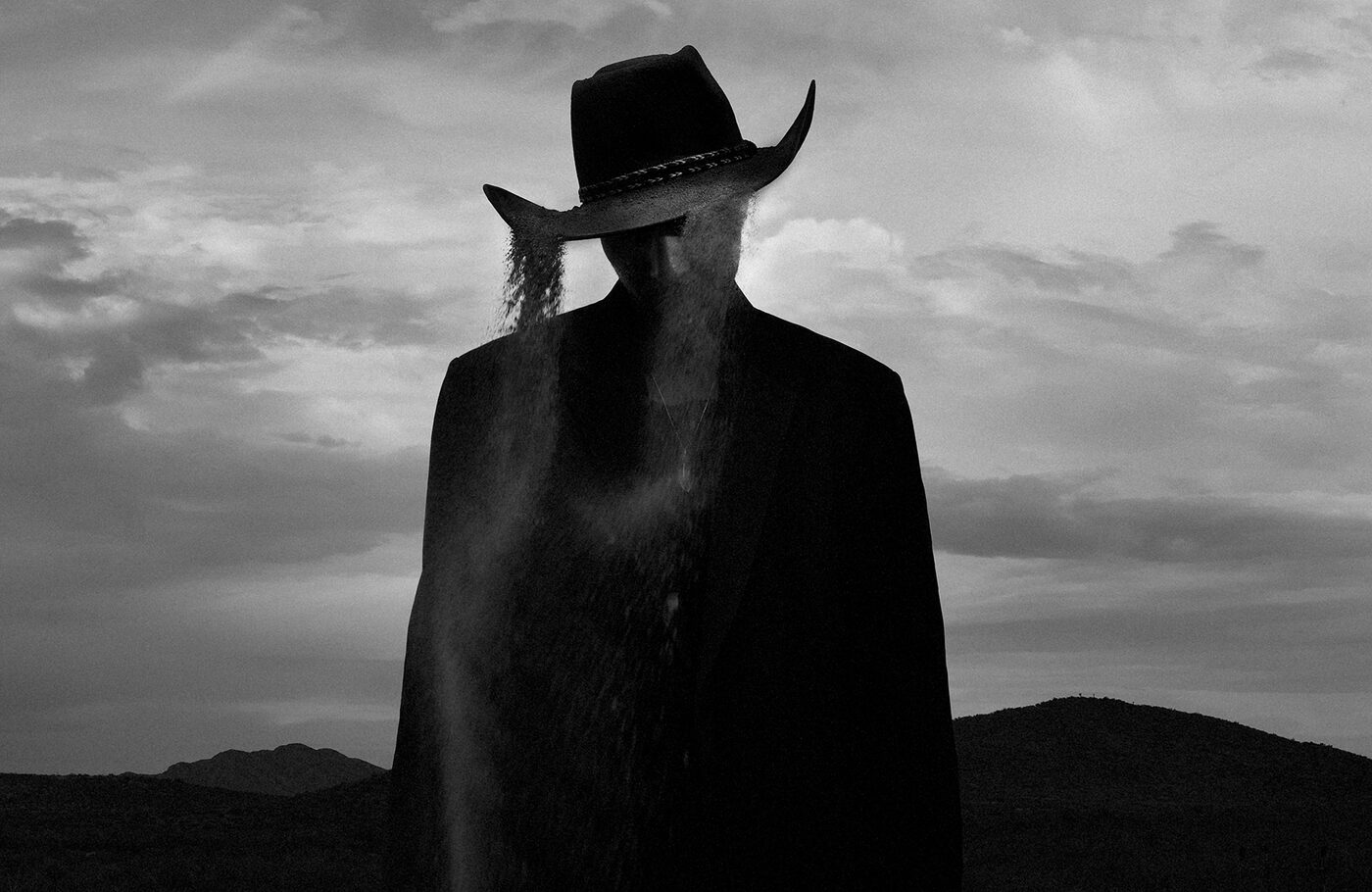
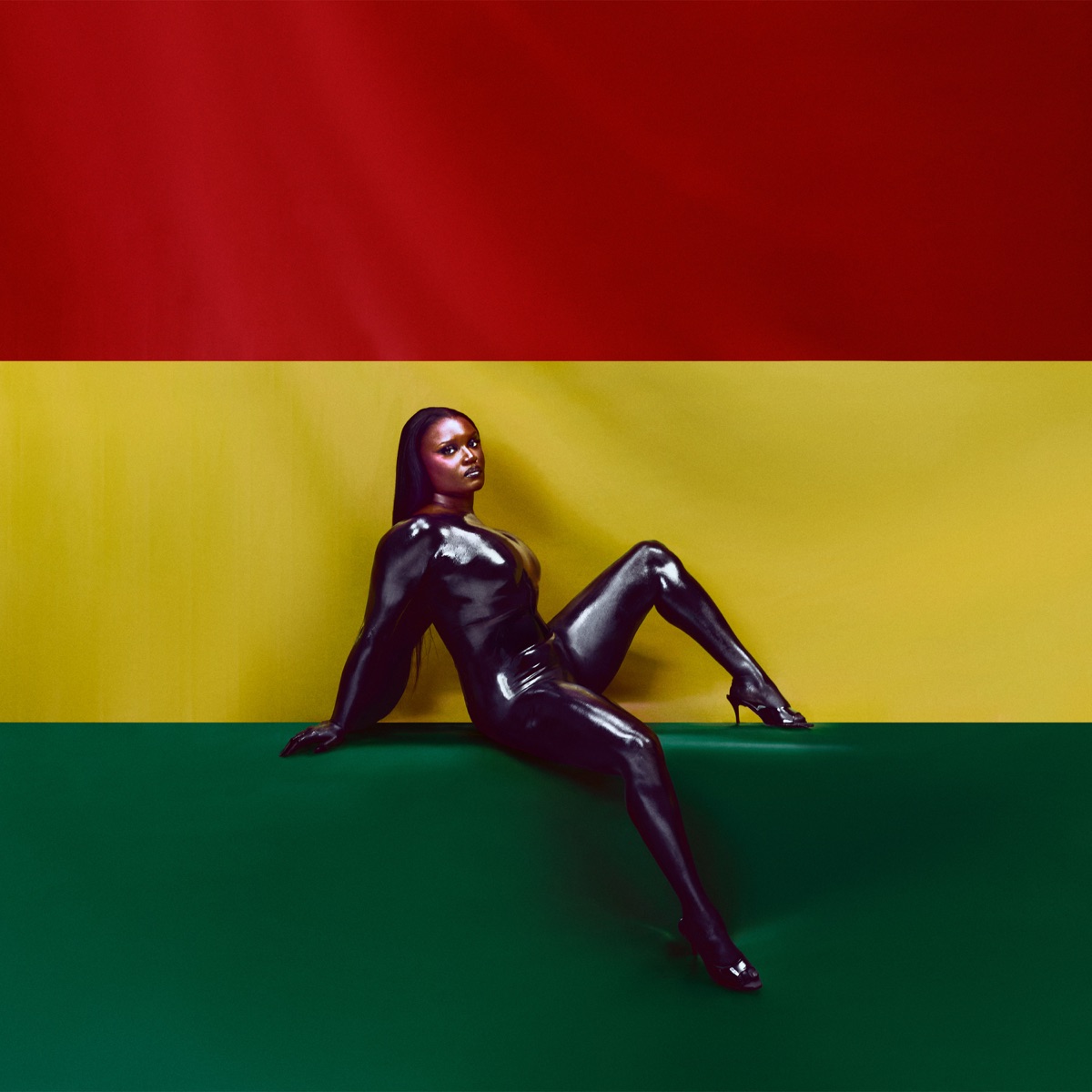
When Amaarae shaved her head on the Coachella stage in April 2025, partway through her set, while introducing her upcoming album, it wasn't performance for its own sake. It was a statement about shedding the old to make space for what's next. Black Star, released August 8, 2025 via Golden Child Entertainment and Interscope Records, is what came next.
Ama Serwah Genfi's third album is the most expansive thing she's made. It starts with "Stuck Up," where metallic snares and muted djembes crash into baile funk territory, and Amaarae's wordplay floats above the chaos like she owns it. Then "Girlie-Pop!" arrives and Jersey club rhythms splice into highlife's swaying groove, a fusion that should feel forced and instead feels inevitable.
The album moves through moods with confidence. "Kiss Me Thru The Phone Pt. 2" with PinkPantheress turns Sisqó's "Thong Song" inside out, wrapping parasocial longing in ambient trance production that makes both artists sound perfectly matched. "ms60" brings in Naomi Campbell for what becomes less a guest appearance and more an aesthetic statement, Campbell declaring herself the Black Star over a techno pulse.
What makes Black Star significant isn't just the music. Amaarae made history as the first Ghanaian artist to perform a solo Coachella set, building toward this from "Sad Girlz Luv Money" through Fountain Baby, a career arc that has been consistently ahead of where the industry was looking.
Pitchfork gave it Best New Music with an 8.8. That verdict holds.
The Tracklist as Architecture
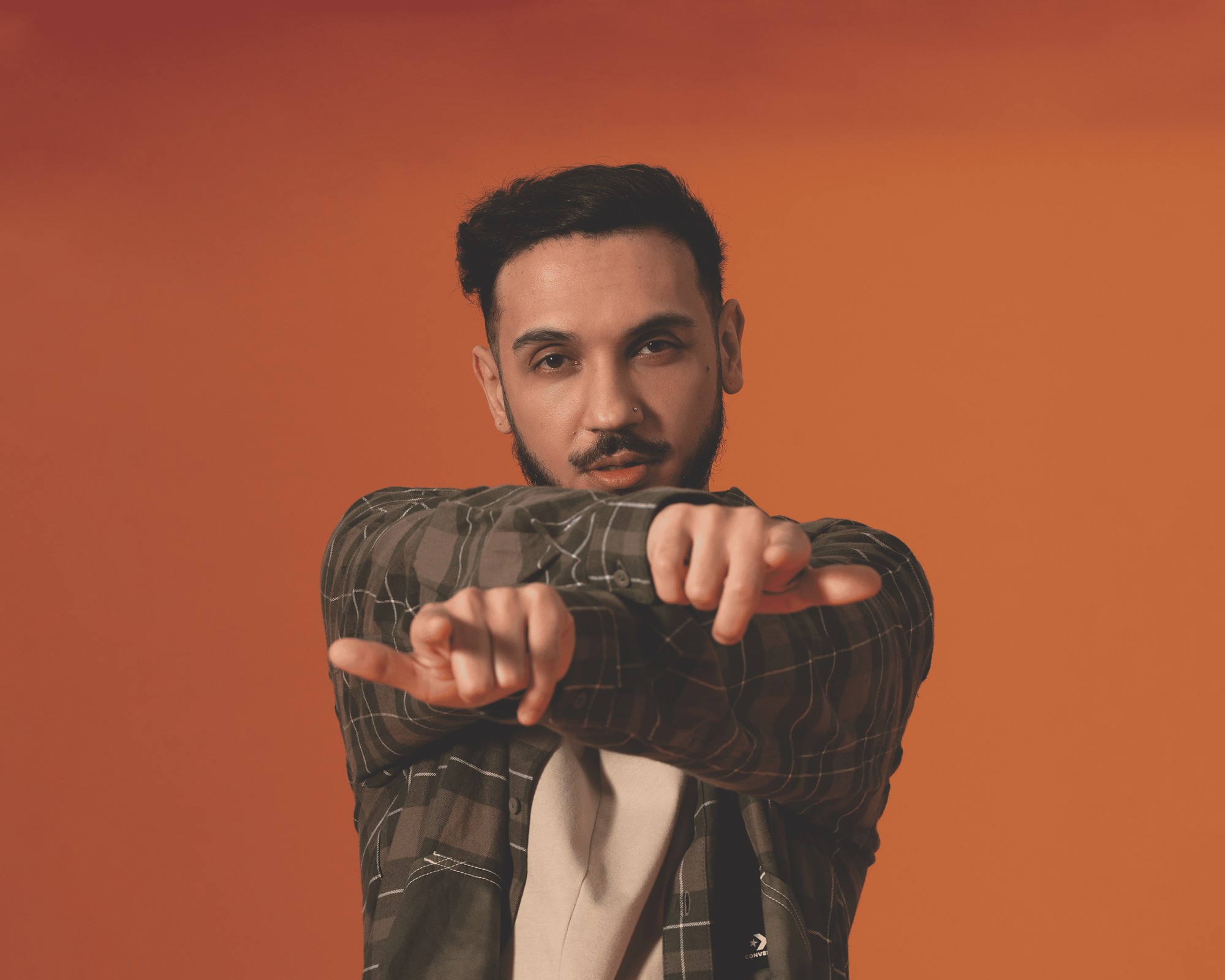
Black Star is 13 tracks, and that number matters less than the order. The album is sequenced like a night that starts at the pregame and ends somewhere you didn't expect to be. "Stuck Up" is the opening move, a declaration of intent before the room is ready. "Starkilla," featuring Starkillers and Bree Runway, arrives second and doubles down, Bree Runway's UK swagger threading through a production that owes as much to early 2000s rave culture as it does to Accra. That pairing, an artist born in the Bronx and raised between Accra and Atlanta alongside a Black British rapper over music built by a producer known for progressive house, is the clearest signal that Black Star refuses any single geography.
The middle section of the record is where Amaarae does her most intimate work. "She Is My Drug" is exactly what the title says it should be and nothing less. "S.M.O." and "Fineshyt" form a sequence of two tracks that sits in the album's emotional center, slow enough to feel like the room has cleared. Then "Dove Cameron" arrives as a title that doubles as provocation, naming a collaborator, an aesthetic, and a certain kind of celebrity femininity all at once. "Dream Scenario" follows it, and the pairing of those two tracks makes a case for Amaarae as someone who thinks in sequences, not singles.
"100drum" is the album's most direct connection to the dance music rooted in Black cultural heritage that runs throughout Black Star. And then "Free The Youth" closes it, a declaration that earns its ambition because the preceding 12 tracks have laid the ground.
Collaborators Who Serve the Record
The guest list on Black Star is not a feature strategy. It is casting. Every collaborator arrives in a role the record needs.
Charlie Wilson's contribution brings R&B lineage directly into contact with Amaarae's production, which keeps its eyes on what's next rather than what was. Wilson, whose career spans decades of foundational Black American music, is not here as a legacy cameo. His presence argues that Black Star is in conversation with a longer history, not trying to escape it.
Bree Runway on "Starkilla" is the sharpest guest turn on the album. Her approach to the track is all attack, which is exactly what that production demands. PinkPantheress on "Kiss Me Thru The Phone Pt. 2" is the opposite, all texture and suspension, dissolving into the ambient trance production rather than cutting through it. Both are correct. Both serve the track they are on.
Naomi Campbell on "ms60" is the most audacious choice. Campbell is not a recording artist. She is an icon of a particular era of Black luxury and visibility, and dropping her voice over a techno pulse, declaring herself the Black Star, reframes what the album's title even means. The Black Star is not just Amaarae. It is a lineage, a category, a claim.
Ghanaian Pop on the World Stage
Black Star arrives at a specific moment in the global reception of West African popular music, and Amaarae has spent her career shaping that moment rather than responding to it. "Sad Girlz Luv Money" in 2021, featuring Kali Uchis and Moliy, was the record that broke her internationally, a song built on Ghanaian highlife's DNA with an R&B and Afrobeats crossover appeal that spread through TikTok and streaming with a velocity the industry didn't predict. Fountain Baby in 2023 confirmed that the viral moment was not a ceiling but a floor.
Black Star draws explicitly from Ghanaian highlife, baile funk, and dance music rooted in Black cultural heritage, but it doesn't wear those influences as credentials. They are materials. The album uses them the way a skilled architect uses the structures that bear weight: you don't always see them, but nothing stands without them.
The Coachella set and the Governors Ball appearance in New York in 2025 were not just touring milestones. They were demonstrations of what it looks like when an artist who grew up between the Bronx, Ghana, and Atlanta stands at the center of a mainstream American festival stage and refuses to simplify her reference points for the occasion. The crowd came to her. That is the correct direction.
Why This Album Is the One That Counts
Every artist with a breakout moment faces the same test: can you make a record that justifies the attention? Amaarae's answer with Black Star is not to make the attention feel warranted in retrospect. It is to make the previous attention feel like it was always pointing here.
The record is specific where it needs to be specific. The baile funk of "Stuck Up," the highlife undertow of "Girlie-Pop!," the ambient trance of "Kiss Me Thru The Phone Pt. 2," these are not genre tags applied to tracks for categorization purposes. They are decisions about what each song needs to do and where each song needs to live. Amaarae makes those decisions with the confidence of someone who has been thinking about this longer than the conversation has been happening.
At 13 tracks, Black Star has no obvious single, which is either a problem for streaming or a statement about what albums can still be. Given that it earned an 8.8 and Best New Music from Pitchfork, the market is giving a provisional answer. The better answer is that the album holds its shape because Amaarae didn't design it around extraction. She designed it around experience.
The head shave at Coachella was a gesture. Black Star is the argument. The argument is complete.