Not Getting Better
The headline of the 2016 onepointfour profile of Amos LeBlanc is "It's Getting Better." It is a generous, welcoming framing. A director on the rise. A story of momentum. Optimism intact.
But read the piece closely and a different argument emerges. Not that LeBlanc is improving. That he arrived fully formed, and the industry is simply catching up to something that was already there.
At 22 he was directing full time. At 10 he was editing skate videos. Not consuming them. Editing them. Cutting rhythm into motion before most people his age could articulate what rhythm in film even meant. The years at Sheridan College in Media Arts were not where he developed the eye. They were where the eye got vocabulary.
The Decision That Changed Everything
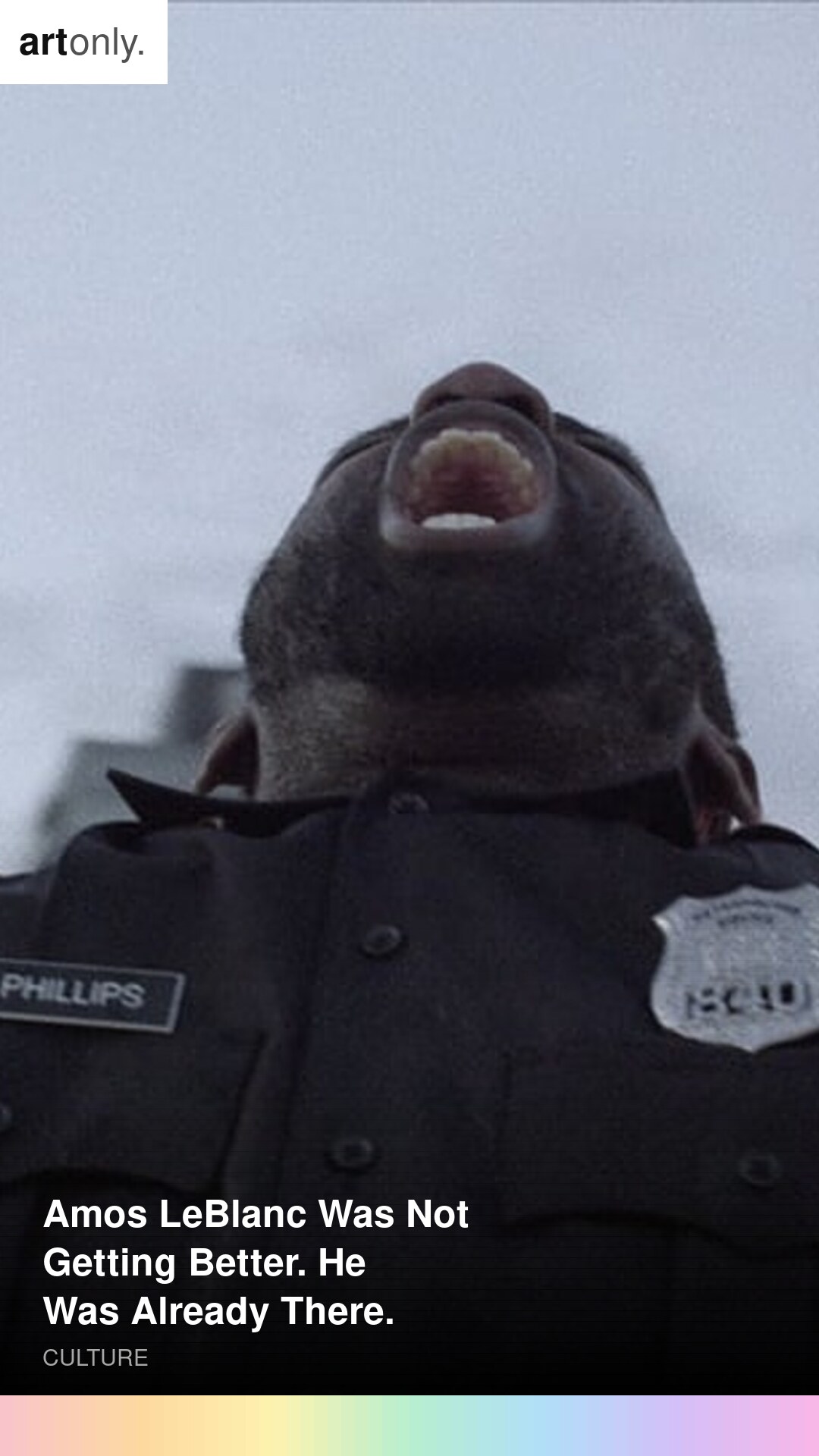
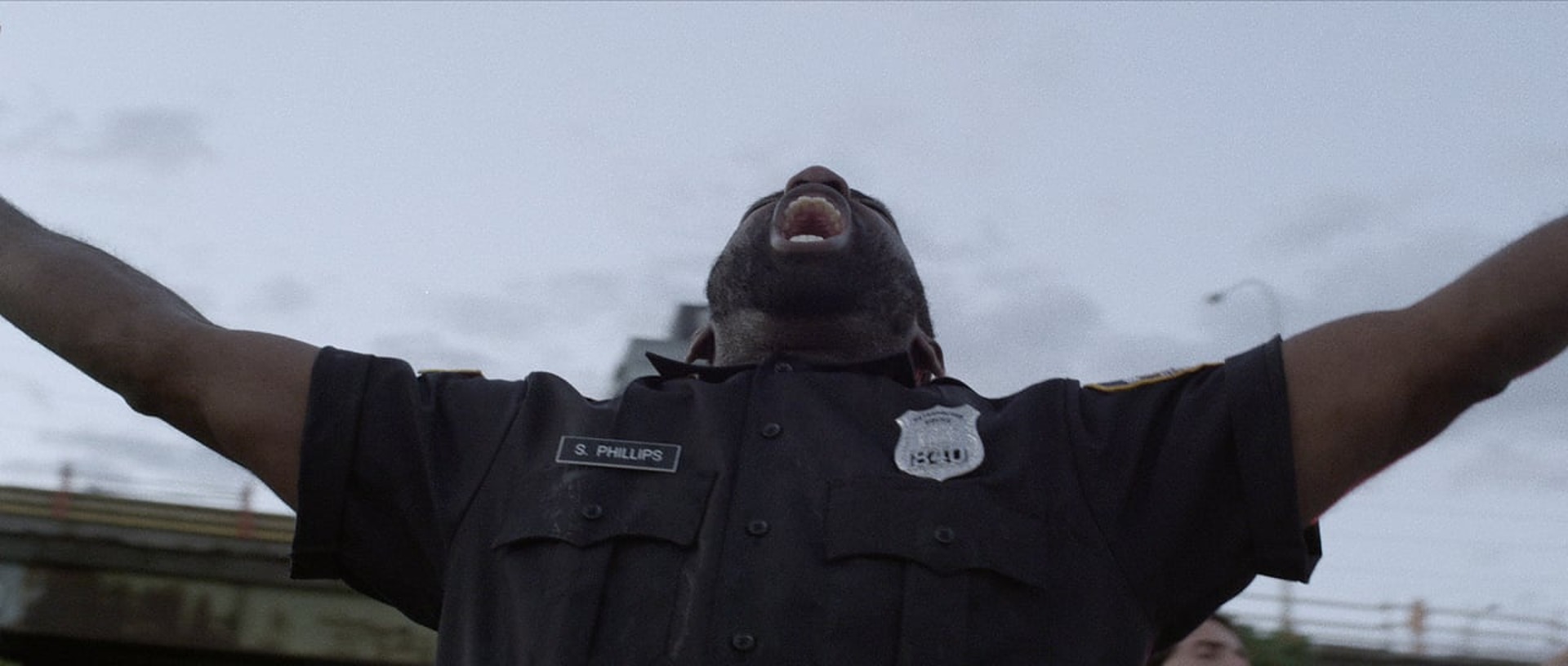
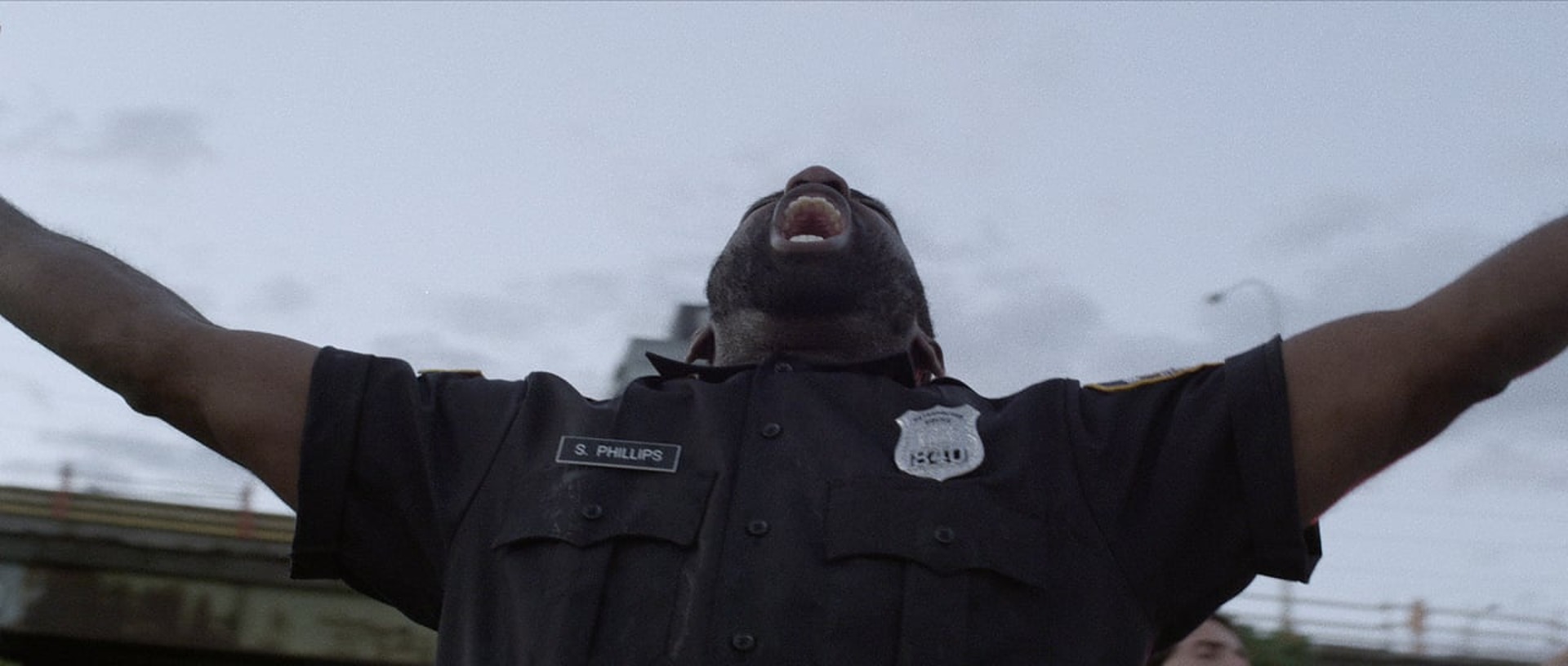
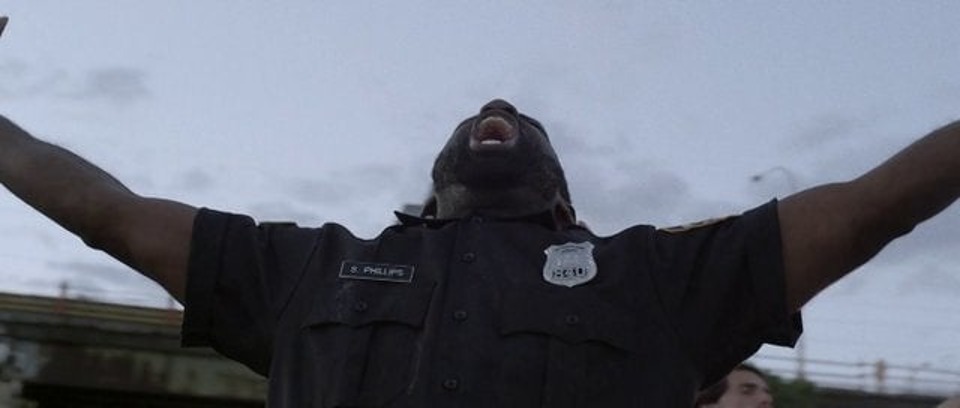
What separates the profile from a standard signing announcement is the moment where LeBlanc talks about Run This. He had the track. He had the bones of a concept. Then he made a single decision that changed everything: the protagonist has to be black. That decision was not cosmetic. It collapsed the entire premise of the video, the police corruption narrative, the moral weight of the ending, into something that could not have been told any other way. A different director makes a different call. Or does not recognize that the call needs to be made at all. LeBlanc recognized it, made it, and then built the video around its logic.
That is not a technique. That is a worldview operating as craft.
Run This won the 2015 Young Director Award at Cannes Lions, Gold in Music Video, North America. Before that it won MMVA Director of the Year. It was a Vimeo Staff Pick. The industry agreed. The point is that LeBlanc had already made the decision before anyone was watching, in a Toronto parking lot, with a kid and a Walkman and a script about what happens when the shoe is on the other foot.
Three Days Walking
His process is worth taking seriously as a working method. Three days walking Toronto with a track on repeat. Not a whiteboard. Not a treatment meeting. Three days of absorbing the music through the city until a concept surfaces that belongs to both the song and the place. The city is not a backdrop in this method. It is a collaborator. It pushes back. It suggests. The concept that comes out of three days of walking is different from the concept that comes out of a treatment deck, and anyone who has seen the difference on screen knows which one is worth watching.
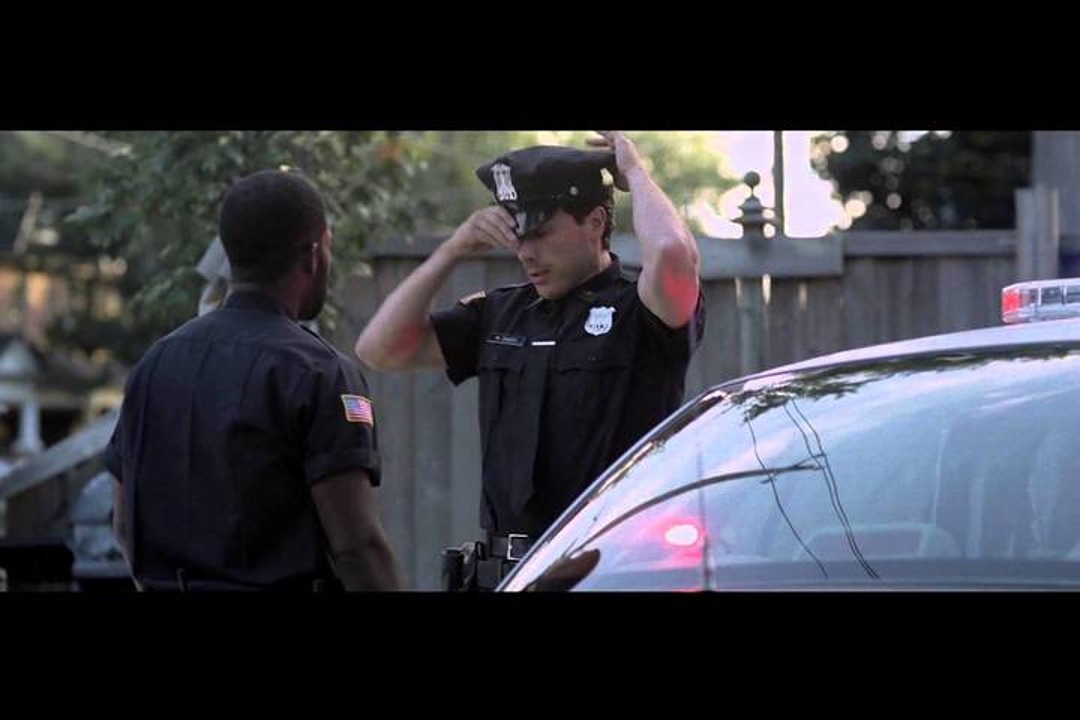
The profile mentions his location instincts almost as an aside: an American police narrative filmed in Ontario suburbia for Thugli because it reads correctly on camera. A California drought becoming a visual motif for The Gates because he arrived on location and paid attention to what was actually there. These are not accidents of production. They are a director working with reality instead of against it, understanding that the camera always knows the difference.
Authenticity as the Only Credential
His casting philosophy follows the same logic. Authenticity is the only credential. He will work with a trained actor if the person is right. He will cast off the street if the person is right. The credential question never comes up because the question he is actually asking is different: does this person make the scene true. That is a harder question to answer and a harder standard to hold, and the videos that hold it are the ones you watch more than once.
The Sweet Shop signing in 2016 opened the Asian market. That was the industry significance the piece was trying to convey. New territory. New opportunity. A step forward.
What the piece was actually documenting, without quite saying it, was a director who had already developed a complete philosophy of image making, a fully operational method for moving from music to concept to production to screen, and a set of commitments to authenticity, to place, to narrative necessity, to not being boring, that he had not assembled from external influence but arrived at through years of self directed practice.
Getting Visible
He was not getting better. He was getting visible.
Those are different things. One is about growth. The other is about recognition finally aligning with what was already true. The profile is optimistic because the industry is recognizing him. But the work was already there. The thinking was already there. The instinct that put a black protagonist at the center of a police corruption narrative and built the entire video around that decision was not a product of The Sweet Shop signing.
It was a product of a director who knew what he was doing before anyone in the industry was watching.
The Cannot Be Boring Standard
The "cannot be boring" standard is the most honest thing in the piece. It sounds minimal. It is actually total. Boring is safe. Boring is the thing you make when you are managing risk instead of chasing truth. A director who will not make a boring video is a director who has decided that the only way to do the work is to commit fully to whatever the work needs, including decisions that are uncomfortable, including protagonists whose presence reframes everything, including locations that push back and need to be listened to rather than controlled.
That commitment is not a technique you acquire. It is a position you take.
LeBlanc took it early. The industry noticed in 2016.
The article got the timeline backward. It wasn't getting better. It was always already this.