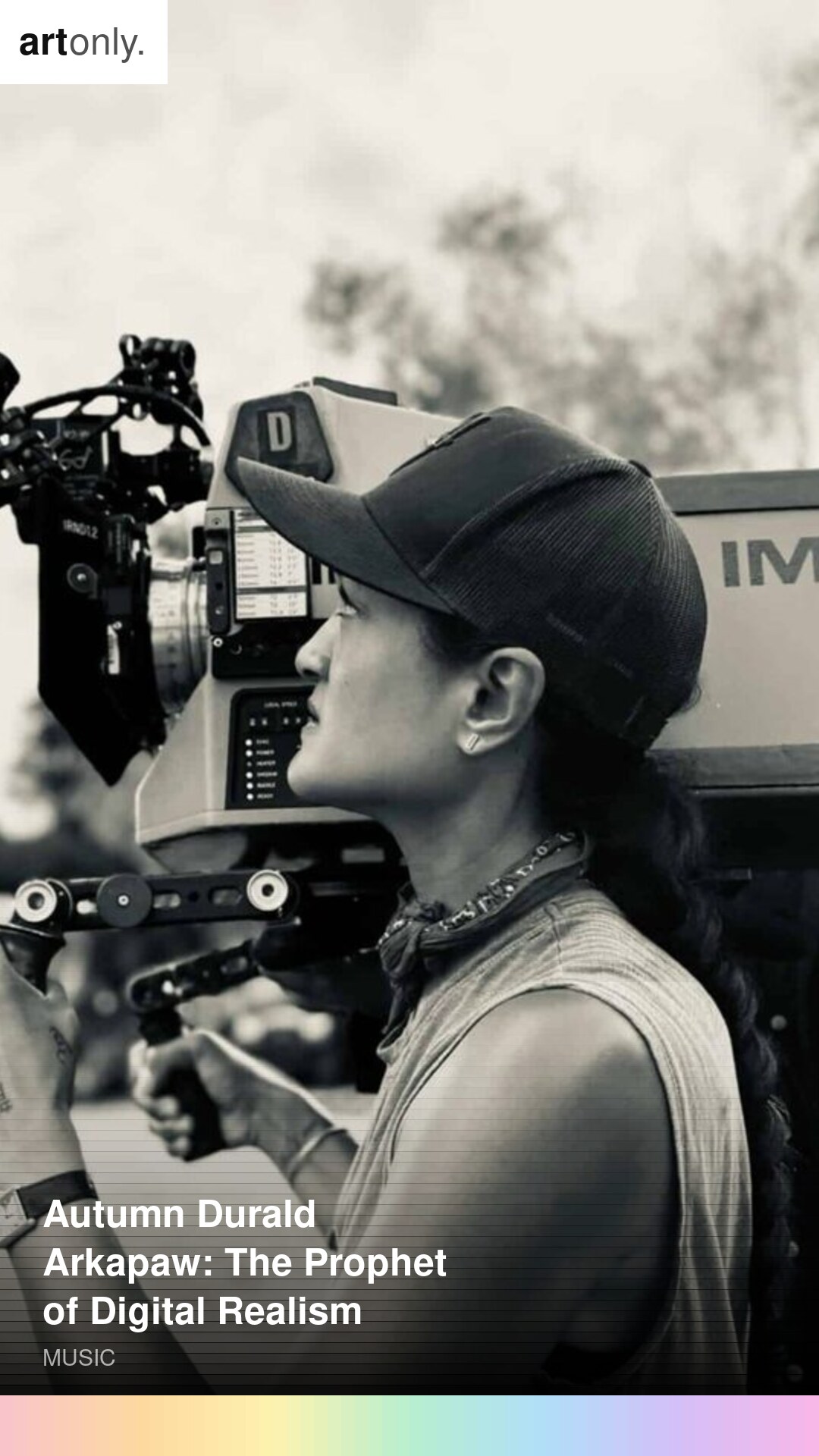
Autumn Durald Arkapaw approaches image-making with the precision of a sculptor. Her work across music videos, narrative film, and long-form visual projects is not decoration. It is an essential component of whatever music or story she is serving. She builds worlds where visual disorientation mirrors sonic complexity, where the frame itself carries emotional information that the soundtrack cannot carry alone.
From Music Videos to IMAX Film
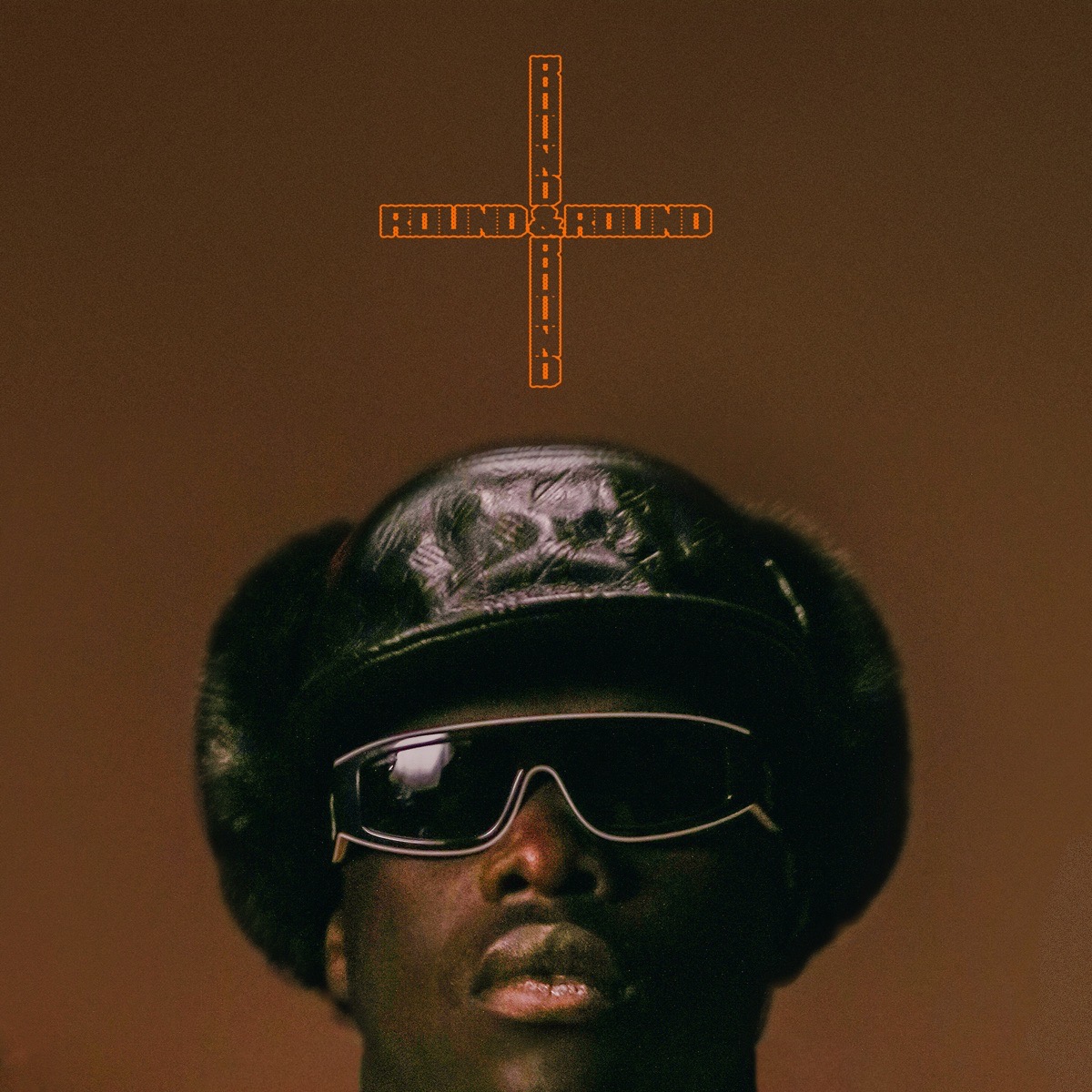
Before the world knew her name from the Academy Awards stage, Arkapaw was the cinematographer that artists trusted when they needed the image to match the ambition of the music. She shot projects for Solange, HAIM, Rihanna, SZA, The Weeknd, Arcade Fire, Jonas Brothers, and Big Sean. Her work on Rihanna's "Lift Me Up," the Wakanda Forever soundtrack track that earned an Oscar nomination for Best Original Song, demonstrated that she understood how grief and restraint can coexist in a single frame without collapsing into sentiment.
That body of music video work was the training ground for what came next. When Ryan Coogler cast her as the director of photography on Sinners in 2025, the collaboration produced something genuinely singular. Arkapaw became the first woman, and the first woman of color, to win the Academy Award for Best Cinematography at the 98th ceremony. She also became the first female cinematographer to shoot on IMAX 65mm and Ultra Panavision simultaneously, incorporating both 65mm formats in their widest aspect ratio (Anamorphic Ultra Panavision 70, at 2.76:1) and tallest aspect ratio (IMAX, at 1.43:1) within a single production. That is not a footnote. That is a technical decision that shapes how an audience inhabits a film physically.
Training and Sensibility
Arkapaw earned her MFA in Cinematography from the American Film Institute in 2009. The institutional training matters less than what she did with it. The AFI gave her vocabulary. The music video work gave her the understanding that you have three to five minutes to say everything or nothing, and that choosing nothing is sometimes the braver option.
What distinguishes her work across formats is her commitment to productive discomfort. She films bodies in states of transformation. She builds environments that feel structurally wrong in ways the eye cannot quite name. Her use of color pushes past beauty into something more unsettling. The camera moves with intention but never with comfort. Viewers do not relax inside her frames. They pay attention.
The Visual Logic of Music
Her background in music videos shaped a specific philosophy about the relationship between sound and image. Most directors treat the visual as illustrative, as a picture of the song. Arkapaw treats it as an equal argument. The image does not explain the music. It adds a second voice to the conversation.
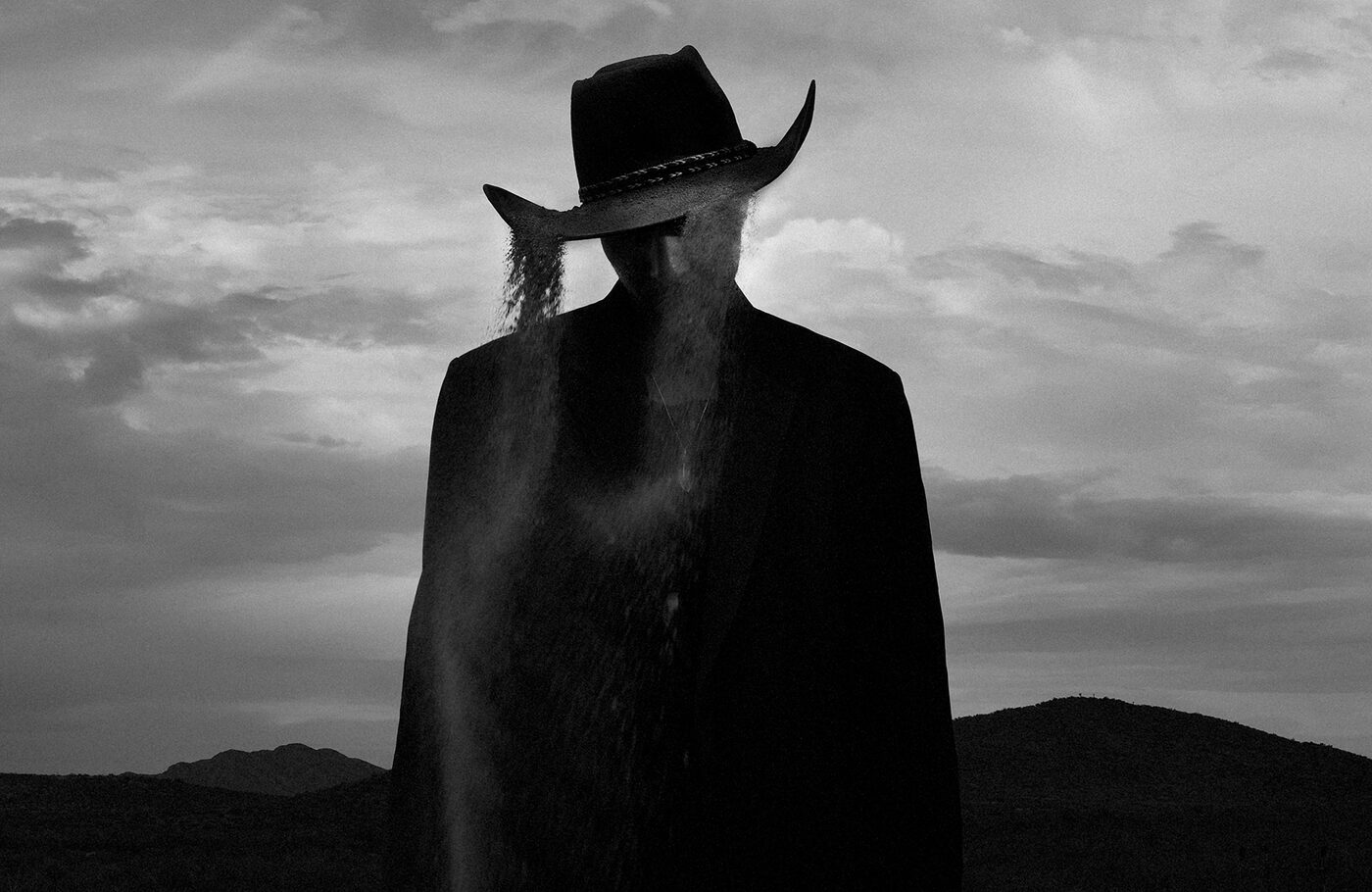
This is why her music video work holds up independent of the tracks it accompanies. A frame from one of her SZA or Solange projects carries its own internal logic. It is asking its own questions. The music is the context, not the explanation.
The skill she built in music videos, the ability to compress emotional weight into a compressed duration, translates directly to narrative film. Sinners is not a short film, but the visual economy she brought to it reflects the discipline of someone who learned to make every second count before she ever worked at feature length.
Sinners and the Large Format Decision
The specific technical choices Arkapaw made on Sinners deserve more attention than they typically receive in coverage focused on the Oscar milestone. The decision to shoot on 65mm film rather than digital was made in close collaboration with Ryan Coogler, and it was not a purely aesthetic call. Shooting on film, specifically the combination of IMAX 15-perf and Ultra Panavision 70, changed the production's physical relationship to the material. Film has a grain structure that digital lacks. It responds to light differently. It forgives certain kinds of imperfection and punishes others.
The Coogler and Arkapaw collaboration had history before Sinners. She worked on Black Panther: Wakanda Forever with him, which established the shorthand and trust that a project of Sinners's complexity required. On set, Arkapaw was operating the camera herself, which created a different rhythm between director and cinematographer. The blocking decisions and the lens decisions and the framing decisions happened in the same moment, in the same body. That directness is audible in the footage, even if the mechanism is invisible.
The Broader Impact
Arkapaw's 2026 Oscar win changed a specific conversation in the industry about who is trusted with large-format cinematography, with IMAX cameras, with the most technically demanding visual assignments. The conversation had been proceeding slowly for decades. She ended it by simply doing the work at a level that made all other arguments irrelevant.
For filmmakers and music video directors working behind the camera now, particularly women of color, the practical effect of that win is real. It changes what gets greenlit. It changes what producers consider possible. It changes whose name gets mentioned when a director says they want someone who understands how light and rhythm work together.
Her trajectory from AFI graduate to music video cinematographer to Black Panther sequel to Academy Award winner is not a straight line. It is a record of someone who kept expanding what she was willing to attempt. The music video work was not a stepping stone she left behind. It is present in every large-format decision she makes, in the understanding that the image has to justify itself emotionally before it can justify itself technically.
Arkapaw is Black and Filipina, and her background in both communities is not incidental to how she reads visual culture. The Filipino American experience of image-making has its own distinct relationship to the question of whose stories get filmed and how, a relationship shaped by a specific history of representation and misrepresentation in Hollywood. That awareness is not a political statement she makes in interviews. It is a set of instincts about what it means to look and be looked at, instincts that are visible in what she chooses to frame, what she chooses to leave dark, what she decides to hold in the center of the image versus what she places at its edge.
Arkapaw proves that visual authorship is not a secondary credit. Her influence on a generation of filmmakers working at the intersection of music and image is already undeniable, and it is only getting larger.