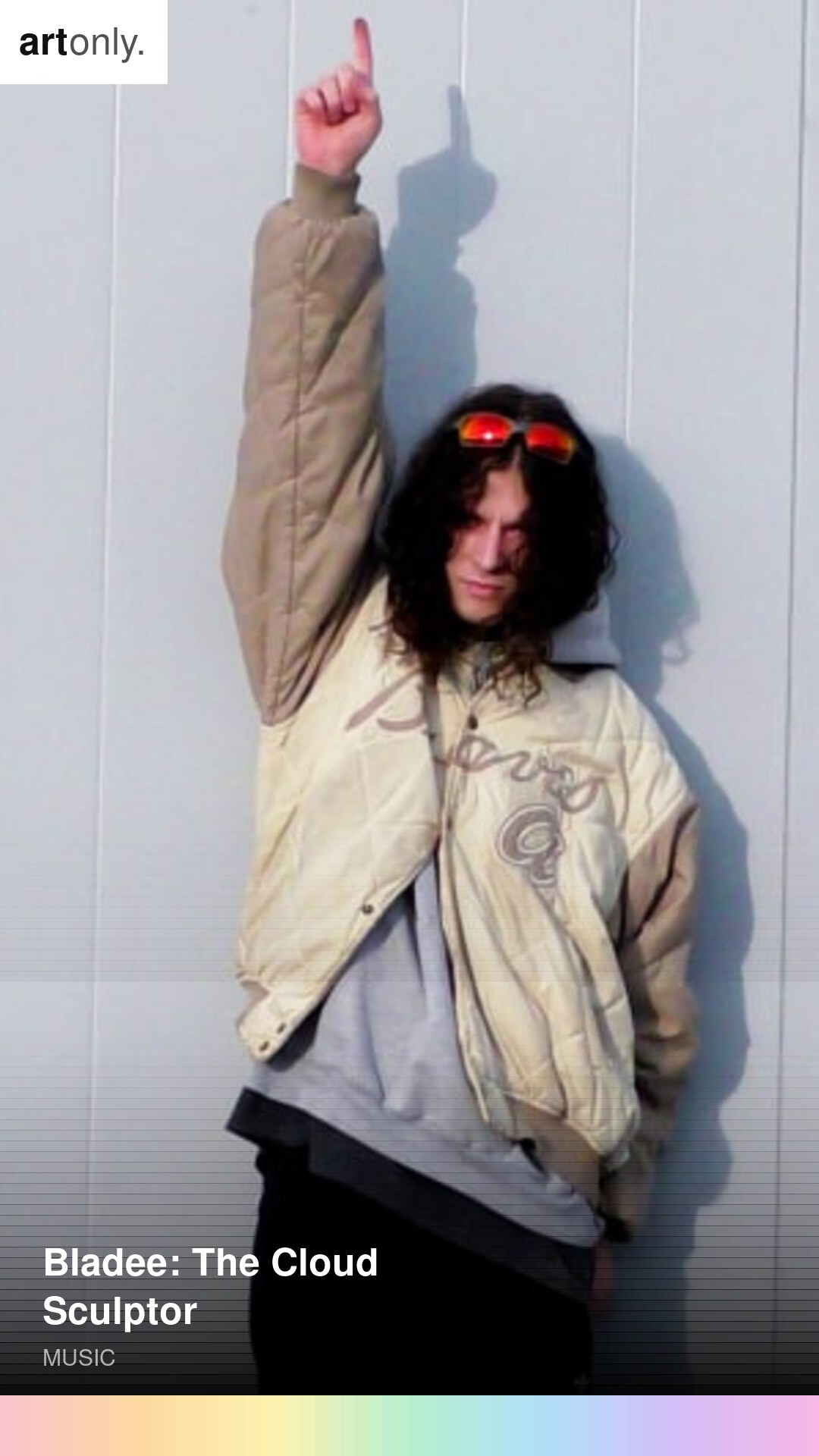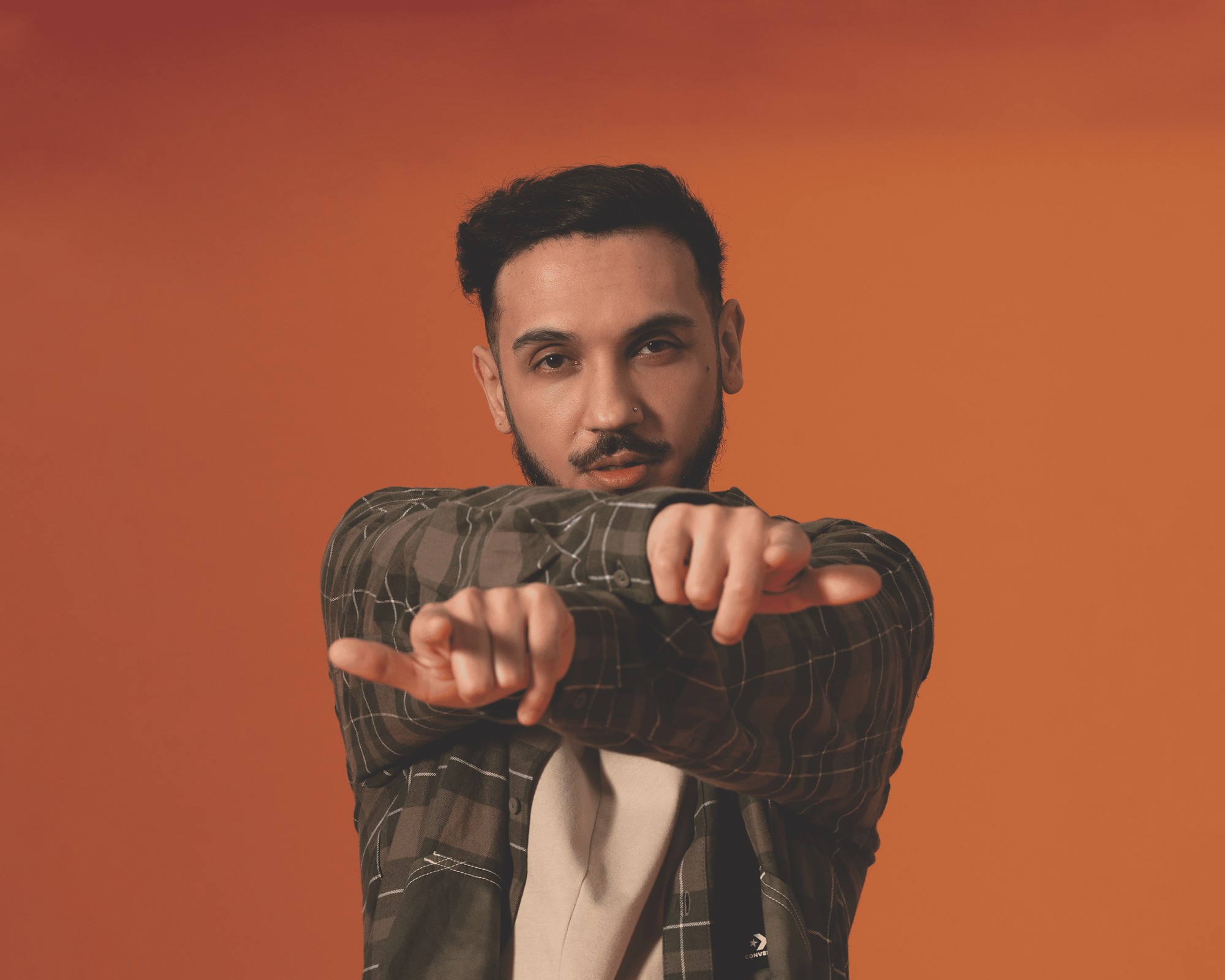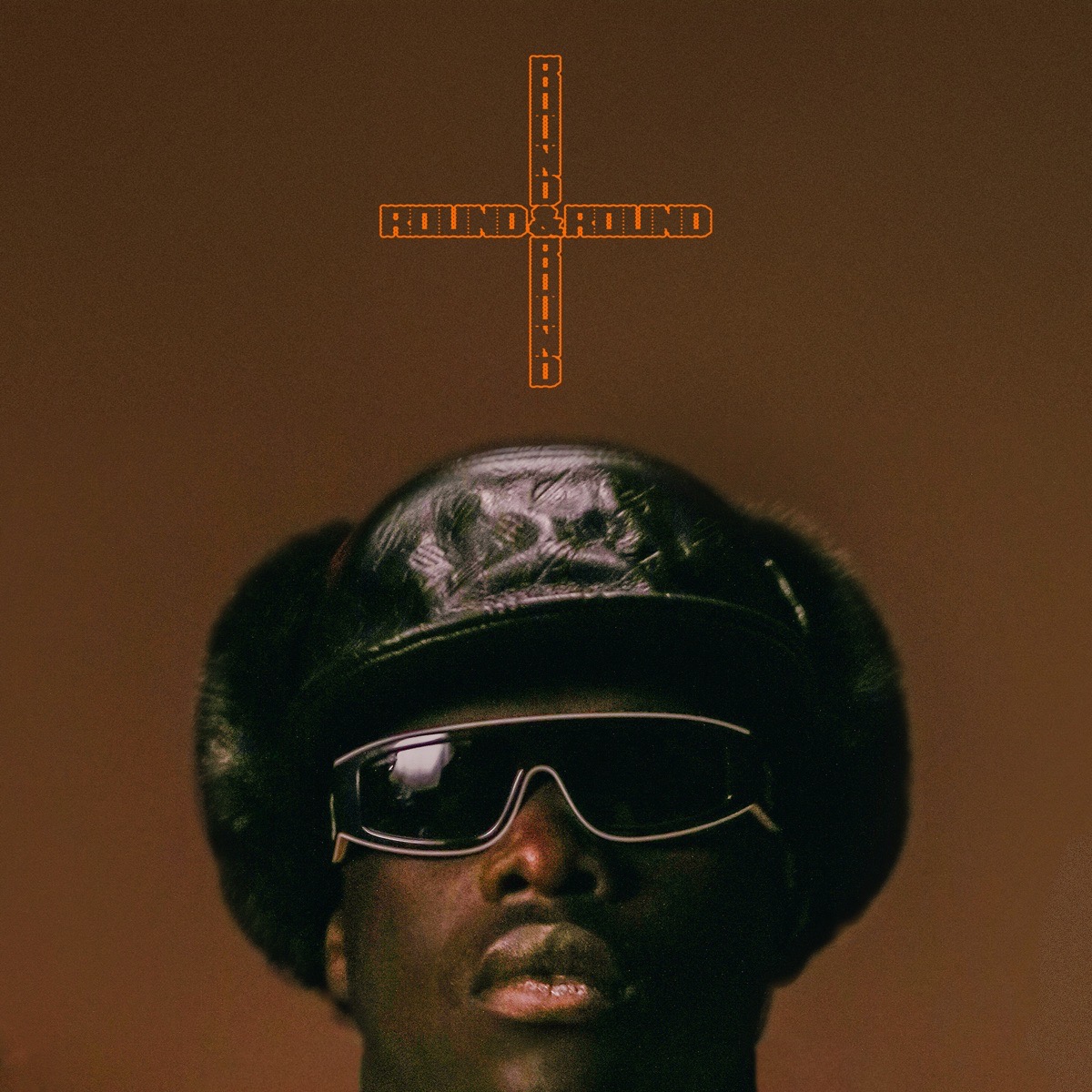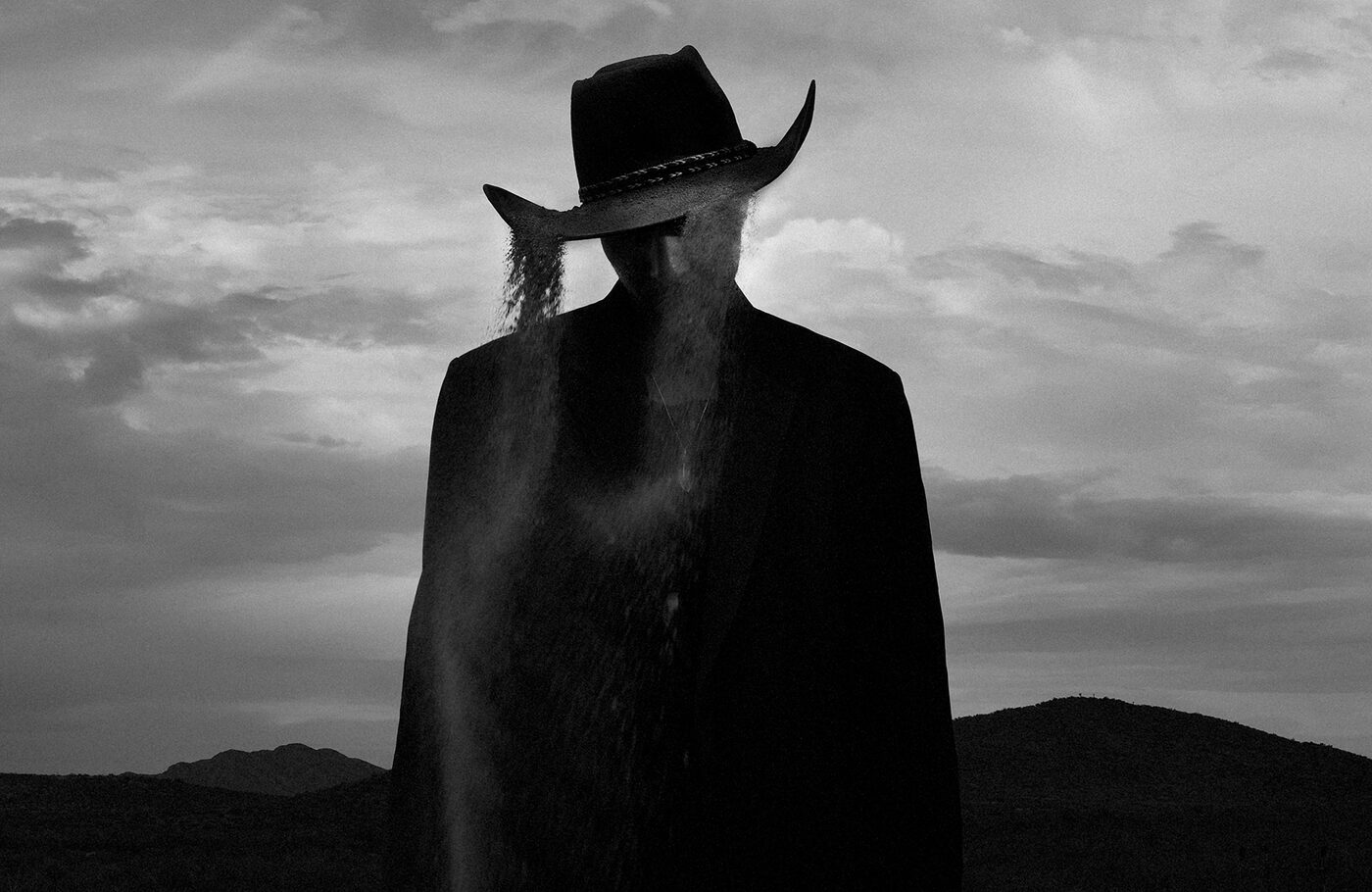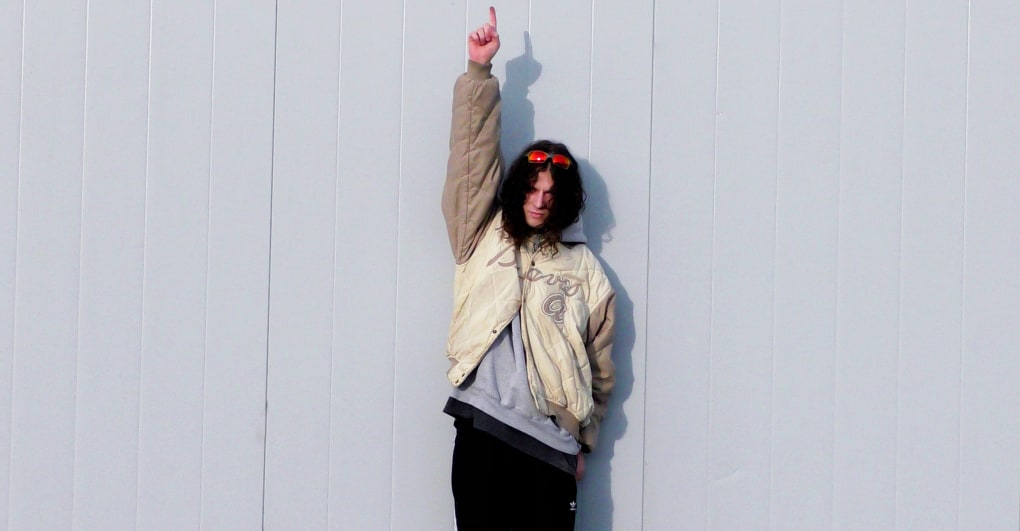
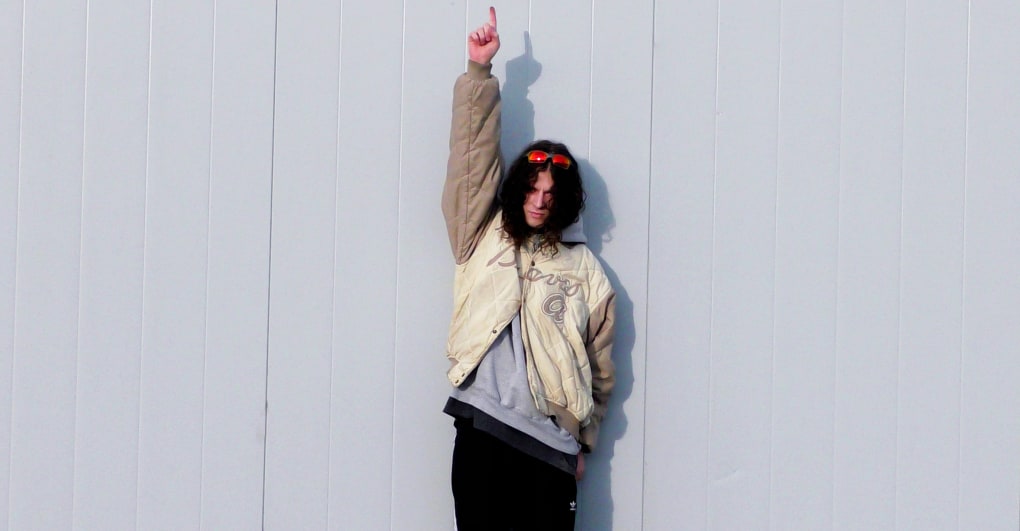
Bladee is Benjamin Reichwald, a Swedish rapper and core member of Drain Gang, the Stockholm-based collective that includes Ecco2k, Thaiboy Digital, Whitearmor, and Yung Sherman. Over the past decade, Drain Gang has built an aesthetic so distinctive and influential that its fingerprints are visible across significant portions of contemporary rap, electronic music, and internet culture. The collective operated largely outside mainstream infrastructure, releasing music through their own channels via the YEAR0001 label and building a fanbase through consistency and visual coherence. Drain Gang was formerly known as Gravity Boys, Shield Gang, and GTBSG before forming under the Drain Gang name in 2013. The name change was not cosmetic. It signaled a total commitment to a specific sensibility, one that would take years for the broader music world to catch up with.
The Drain Aesthetic
What Drain Gang created is a total artistic vision: the music, clothing, visual style, and emotional register all work together to produce a world with specific coordinates. The sound, crystalline, lightweight, emotionally mercurial, pairs with imagery that blends angelic iconography, Y2K nostalgia, and a kind of wistful nihilism. Bladee himself presents as a figure slightly out of time, both nostalgic and anticipatory.
The YEAR0001 label, based in Stockholm, became the institutional spine of that vision. Releasing through YEAR0001 meant maintaining control over packaging, timing, and presentation in a way that major label infrastructure typically does not allow. The collective understood early that the record, the visual, and the rollout are not separate decisions. They are one decision.
Within the collective, the roles are distinct. Whitearmor is primarily the beatmaker, responsible for the particular sonic texture that defines Drain Gang's production. Yung Sherman, also known as Gud, operates across production and collaboration, appearing on records by Bladee and Ecco2k in different capacities. The division of labor is clear enough that each record carries a specific signature, but the shared aesthetic is strong enough that all the work feels like it comes from the same place.
Where It Started
The beginning is instructive. Bladee's debut mixtape Gluee was released January 27, 2014. Produced by Whitearmor, Yung Sherman, Curtis Heron, and Bine, and featuring Thaiboy Digital, Ecco2k, and BONES, the tape got over 2 million plays on SoundCloud. That number mattered not just as a metric but as evidence of demand for something that did not fit inside existing genre categories. Gluee did not sound like rap in any conventional sense. It sounded like something assembled from the residue of genres, rap and pop and ambient and R&B all processed into a new form.
The fanbase that formed around Gluee was not accidental. It was a community of listeners who had grown up on the internet and were looking for music that reflected that experience directly rather than at a remove. Bladee's voice, detached, melodic, floating above rather than anchored to the beat, captured a specific emotional register that conventional rap delivery could not reach.
A Catalog of Moods
Bladee's solo discography is extensive and internally diverse. Albums like Gluee, Exeter, and Crest, his collaboration with Ecco2k, represent different phases of an ongoing investigation into what rap can sound like when the traditional genre markers are stripped away. At his best, he operates in territory that has no clear precedent, music that feels simultaneously weightless and precise.
Exeter, recorded during a week-long stay in Gotland, Sweden with Gud, is nine songs and explores minimalism, playfulness, and spiritualism. The confined recording conditions are audible in the focus of the album. Nothing is excess. The restraint is not poverty but discipline, a record that knows exactly what it is and refuses to become anything else. Gotland as a setting, an island with its own distinct character, gives Exeter a geographical specificity that grounds its more abstract qualities.
Crest, released March 18, 2022, is Bladee and Ecco2k collaborating on a nine-track album produced entirely by Whitearmor in a tiny red cabin in southern Sweden. It arrived as a surprise release, following Bladee's 2021 solo album The Fool. The image of Whitearmor producing an entire album in a small cabin in the Swedish countryside is inseparable from the record itself. Crest sounds like that setting: contained, precise, slightly removed from the world. Tracks like The Flag Is Raised, 5 Star Crest (4 Vattenrum), Desire Is a Trap, and Girls Just Want to Have Fun move between tenderness and ecstasy in ways that feel earned rather than performed. The Cyndi Lauper cover is not a joke or an ironic gesture. It fits the album's emotional logic completely.
The Collaboration Model
Drain Gang's collaborative model is worth examining as a practice. The collective does not simply feature members on each other's records. The collaborations are substantive creative engagements in which the participants bring distinct qualities that change the character of the work. Bladee and Ecco2k make different music alone than they make together. Crest sounds like neither artist's solo catalog. It is its own thing.
This approach, treating collaboration as a space for work that neither party could produce independently, distinguishes Drain Gang from collectives built primarily around brand extension. The individual projects remain individual. The collaborative projects are genuinely collaborative. That distinction produces a body of work with more range and more internal variation than a tighter house style would allow.
Yung Sherman's role across these collaborations as Gud gives the Exeter sessions a specific character. Sherman as a producer works differently than Whitearmor, and Exeter's sound reflects that difference directly. The album has a spaciousness and a willingness to sit with simplicity that distinguishes it from Whitearmor-produced records. Both are recognizably Drain Gang. Neither sounds like the other.
The Influence
Few underground acts of the past decade have generated the kind of aesthetic influence that Drain Gang has. The collective's approach to releasing music, building community, and controlling their visual identity has been studied and borrowed by artists across genres. That influence is a measure of how fully realized their vision was from the beginning, coherent enough to be legible, original enough to matter.
The specific qualities that spread outward include the production aesthetic, the vocal approach, the fashion sensibility, and the distribution model. The YEAR0001 infrastructure demonstrated that a collective operating outside mainstream channels could build a genuinely global audience without compromising the work to fit platform incentives. That lesson has traveled widely.
Bladee as a vocalist influenced a generation of artists who heard in his delivery a way of using the voice that did not require projecting emotion in conventional ways. The flatness is expressive. The distance is intimate. These are not obvious qualities and they required an audience willing to listen on different terms than pop music usually demands. That audience existed. The 2 million SoundCloud plays on Gluee in 2014 confirmed it before the broader world had a name for what Drain Gang was doing.
The question of why the work connects as deeply as it does comes back to specificity. Bladee's music is not made for a general audience. It is made for a specific sensibility, and the people who share that sensibility feel it completely. The absence of compromise, the refusal to smooth edges or translate the vision into more accessible terms, is what makes the connection so strong when it occurs. Generic music produces generic response. Specific music produces devotion.