Pink Dominated Everything
When Greta Gerwig announced she was directing a Barbie movie, the response ranged from cautious optimism to bewilderment. A prestige director tackling a toy franchise seemed like either a masterful subversion or a corporate surrender. The finished product turned out to be neither. It was something stranger and more interesting: a genuine philosophical comedy wrapped in hot pink production design that also happened to gross over 1.4 billion dollars worldwide, making it the highest-grossing film directed by a woman in cinema history and the top-grossing film of 2023 in North America.
What the Film Actually Was
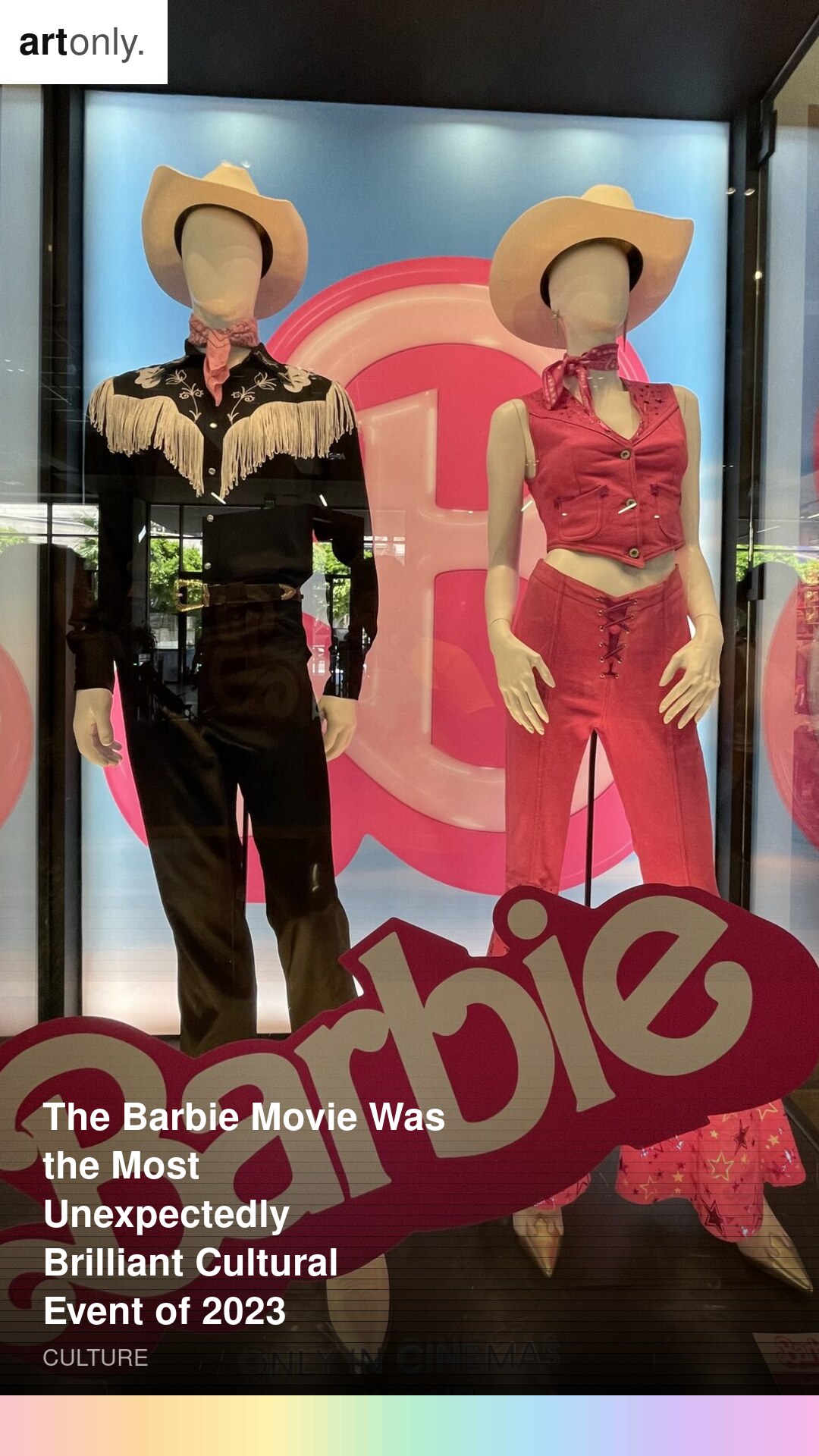
Gerwig wrote the screenplay with Noah Baumbach. Margot Robbie starred as the title character alongside Ryan Gosling as Ken. Both were earning twelve and a half million dollars for their roles, which matters not as industry gossip but as evidence of the project's seriousness at the studio level. Warner Bros. committed to this. The budget rose from its initial hundred million dollars to approximately 145 million. The marketing campaign cost another hundred million, minimum.
The film followed Barbie and Ken from Barbieland into the real world following an existential crisis. That premise, Mattel's most recognizable product suffering an existential crisis, was the first signal that Gerwig intended to work with full irony and full sincerity simultaneously. The film earns its philosophical pretensions because it takes them seriously while acknowledging how absurd it is to take them seriously inside a movie about a doll.
Gerwig's script asks real questions about femininity, purpose, the pressure to be perfect, and the strange experience of inhabiting a body that the culture has decided represents an ideal. It asks them in a way that is funny and accessible and does not condescend to its audience for caring about a plastic toy. The balance required to hold all of that without collapsing into satire or into sentiment is genuinely difficult. The film holds it for 114 minutes.
The Soundtrack as a Parallel Universe
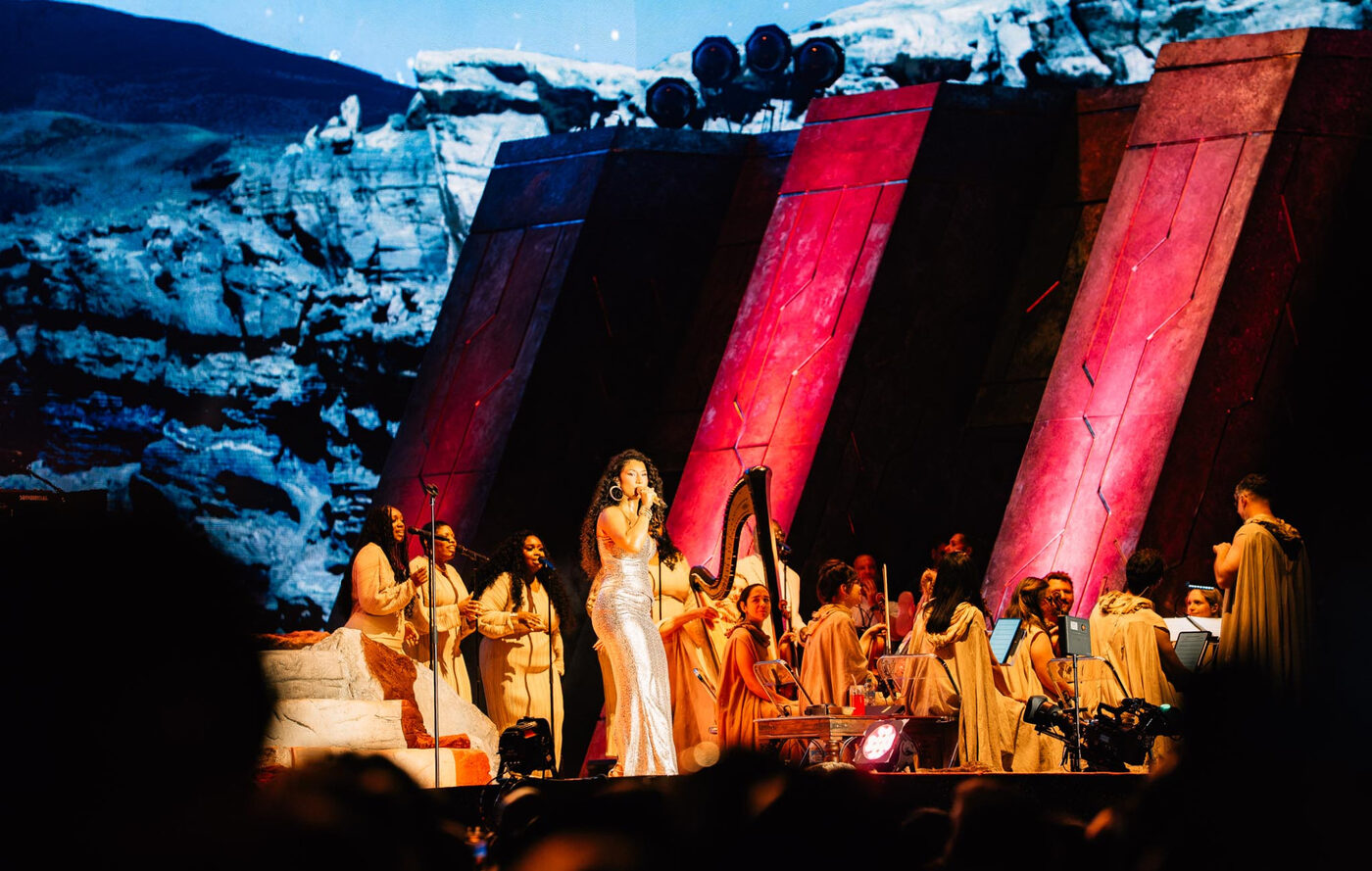
The film's soundtrack operated as its own cultural object, independent of the movie itself. Released on Atlantic Records on July 21, 2023, the same day as the North American theatrical release, the album was scored by Mark Ronson and Andrew Wyatt with music supervision by George Drakoulias.
The lead single Dance the Night by Dua Lipa topped charts in ten countries including the UK and Ireland and reached the top ten in 25 countries including the United States. The second single Angel by PinkPantheress and the third, Barbie World, a collaboration between Nicki Minaj, Ice Spice, and Aqua, which reached the top ten in fifteen territories, both demonstrated the curatorial intelligence behind the album. The range of artists involved, from Billie Eilish to Lizzo to Matchbox Twenty, signaled that this was a project people genuinely wanted to be part of at every level of the pop ecosystem.
The music was not an afterthought or a promotional vehicle. It was crafted as a companion piece. The soundtrack infiltrated radio, streaming playlists, and social media with a persistence that was not manufactured by a single moment but accumulated across months.
The Barbenheimer Phenomenon
The marketing campaign deserves its own chapter in advertising textbooks. The Barbie selfie generator, the pink-washing of every surface it could reach, and the positioning of the film as the cultural event of the summer against Christopher Nolan's Oppenheimer, which opened the same weekend, created the Barbenheimer phenomenon. People bought tickets to both films on the same day. They wore pink to Oppenheimer. They wore black to Barbie. The opposition was clearly orchestrated but felt organic because both films were genuinely worth seeing, and the contrast between them was real.
The marketing won because it had something to work with. A marketing campaign cannot generate that kind of cultural energy for a film without substance. The film had to earn it. It did.
A New Template
What the Barbie movie demonstrated is that audiences hunger for studio films that have a genuine point of view. The recognizable brand name alone does not carry a film to blockbuster status. What audiences responded to was the intelligence behind the pink veneer, the willingness to make a movie about a doll that also had something real to say about identity, purpose, and the strange experience of existing in a world that keeps trying to define you.
Gerwig understood that the only way to make a Barbie movie that mattered was to take the premise completely seriously while maintaining a sense of humor about the absurdity of the entire enterprise. The template she built from that understanding is not easily replicated. It requires a filmmaker with the specific combination of sincerity and wit that Gerwig has been developing since Frances Ha. Other studios will try to copy the surface. The surface is not the point.
What Gosling Did
Ryan Gosling's Ken deserves its own paragraph. The character could have been a joke, a foil for Robbie's Barbie, a straight man or a punchline. Gosling played him as a person, confused and striving and genuinely funny in ways that required real comedic precision. The I'm Just Ken sequence, performed with total commitment to a character who is genuinely lost about what he is supposed to want from existence, is one of the better pieces of comedic acting in a studio film in the last decade. It also does something structurally useful to the film's argument about gender and identity, providing the male counterpoint to Barbie's existential crisis in a way that extends the film's critique without softening it.
The film's writing is most intelligent in the way it handles Ken's awakening, his brief infatuation with patriarchy as a concept, as something he learned about from a fleeting encounter with the real world and adopted with the enthusiasm of someone who has never had an ideology before. The joke works because it is also an accurate observation about how ideology spreads, through surface contact, through the desire to belong to something that offers a framework.