The first five years of the 2000s produced some of the most consequential music of a generation. Hip hop expanded its vocabulary. Indie rock surged back to life. R&B found new emotional depths. The albums on this list are not simply good records. They are documents of a specific cultural moment, one that would never return. Here is a look at the ten best albums from 2000 to 2005 and why each one still matters today.
The Marshall Mathers LP, Eminem (2000)
Released in May 2000, The Marshall Mathers LP moved 1.76 million copies in its first week, making it the fastest selling album by a solo artist in US history at that time. Eminem had arrived two years earlier with The Slim Shady LP, but this album was more technically precise and more willing to push into uncomfortable territory. The record won the Grammy for Best Rap Album in 2001 and has since sold more than 25 million copies worldwide, earning Diamond certification from the RIAA. It changed the standard for what a rap record could say and how it could say it.
Kid A, Radiohead (2000)
Few albums generated as much anxiety before their release as Kid A. Radiohead had become one of the biggest rock bands in the world during the 1990s, and then they turned away from guitar music almost entirely. What arrived in October 2000 was built from electronic textures, rhythms influenced by jazz, and sounds that had rarely appeared on a mainstream record before. The album debuted at number one in both the United Kingdom and the United States and won the Grammy for Best Alternative Album. It is now recognized as one of the defining records of the century.
The Blueprint, Jay-Z (2001)
Jay-Z released The Blueprint on September 11, 2001. Despite the shock of that day, the album sold more than 427,000 copies in its first week and debuted at number one on the Billboard 200, where it remained for three weeks. The record was built around soul samples crafted by a young Kanye West and Just Blaze, and it gave hip hop a new production vocabulary. In 2018, the Library of Congress added The Blueprint to the National Recording Registry for being culturally, historically, and aesthetically significant, placing it among the first 21st century recordings to receive that honor.
Songs in A Minor, Alicia Keys (2001)
When Songs in A Minor arrived in June 2001, it debuted at number one on the Billboard 200 and went on to sell more than 10 million copies worldwide. The album announced Alicia Keys as a pianist with genuine classical training and a gift for emotional directness. At the 44th Grammy Awards in 2002, it won five awards including Best R&B Album and Song of the Year for the single Fallin. Keys also took home Best New Artist that year. Songs in A Minor set the tone for contemporary R&B at the start of a new decade and remains among the strongest debut albums in recent memory.
Is This It, The Strokes (2001)
Is This It arrived in the United Kingdom in July 2001 and in the United States that October, and it immediately reoriented the conversation around guitar music. NME gave it a perfect ten out of ten and called it one of the best debut albums in twenty years. Rolling Stone ranked it the second best album of the entire decade. Billboard, Entertainment Weekly, and Time all named it the best album of 2001. Recorded cheaply and quickly, the record sounded like five people who had nothing to prove. The Strokes put New York guitar rock back at the center of popular culture.
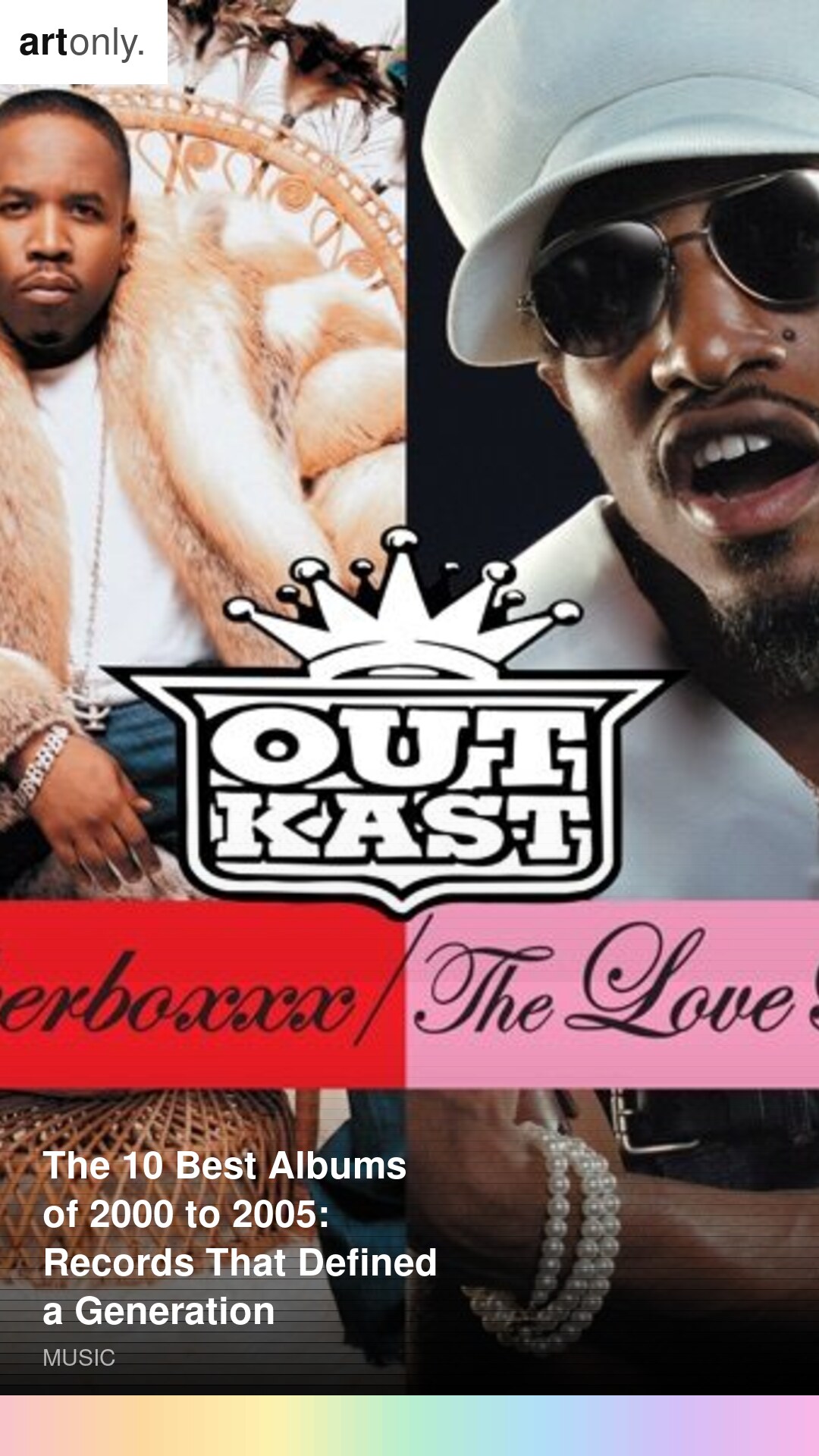
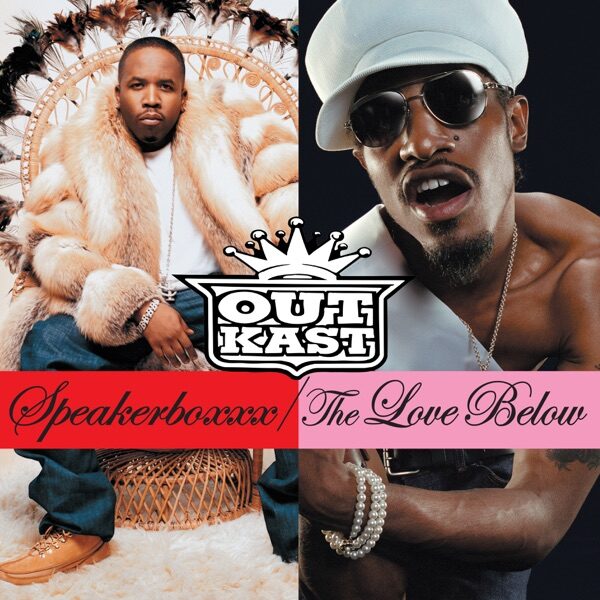
Speakerboxxx/The Love Below, Outkast (2003)
Outkast's double album released in September 2003 debuted with more than 510,000 copies sold in its opening week and spent seven weeks at number one on the Billboard 200. The single Hey Ya spent nine weeks at the top of the Billboard Hot 100. At the 2004 Grammy Awards, the album won Album of the Year, making Outkast only the second hip hop act to receive that award, following Lauryn Hill. The album has since become the highest selling hip hop record in history, certified 13x Platinum by the RIAA. Big Boi and Andre 3000 were each moving in entirely different directions and somehow produced something larger than either path alone.
Elephant, The White Stripes (2003)
Elephant arrived in April 2003 and introduced Seven Nation Army, a riff built not on bass guitar but on a guitar run through an octave pedal. Jack White achieved a deep low frequency rumble with just two people and no bass player, and the result became one of the most recognized sounds in rock. The album debuted at number six on the Billboard 200 and reached number one in the United Kingdom. It won the Grammy for Best Alternative Music Album in 2004. The White Stripes recorded Elephant in eight days at a studio in London, and that speed showed up in the directness of every track.
The College Dropout, Kanye West (2004)
Released in February 2004, The College Dropout debuted at number two on the Billboard 200 with first week sales of 441,000 copies and received ten Grammy nominations, winning three including Best Rap Album. Kanye had spent years producing for other artists, and the album arrived with a point of view shaped by that time behind the boards. He sampled from soul and gospel, rapped about family and ambition, and created a template that hip hop spent the next decade following. More than three million copies have been sold in the United States. The College Dropout was a statement of intent from someone who had not yet been given permission to make one.
Funeral, Arcade Fire (2004)
Funeral was released in September 2004 on the independent label Merge Records. The Montreal band had been playing together for only a few years, and the album was shaped in part by a series of personal losses suffered by members during its creation. That grief came through in the scale of the music, which stretched across strings, brass, keyboards, and layers of interlocking vocals in a way that felt personal and genuinely grand at the same time. Pitchfork gave Funeral a 9.7 out of 10 and named it the best album of 2004. It proved that independent music could compete at any level with the major label world.
American Idiot, Green Day (2004)
Released in September 2004, American Idiot debuted at number one on the Billboard 200 and sold more than 14 million copies worldwide. It won the Grammy for Best Rock Album in 2005, and the single Boulevard of Broken Dreams won Record of the Year at the same ceremony. Green Day had been making music since the late 1980s and in 2004 they made the most important album of their career. American Idiot gave punk rock a new kind of ambition, one that reached toward concept albums rather than short blasts of energy. It arrived at exactly the right moment and refused to be ignored.
Why These Albums Still Matter
The years from 2000 to 2005 were a period of genuine creative upheaval across popular music. Hip hop reached new commercial and artistic heights. Indie rock rediscovered its drive. R&B found space for classical training and emotional weight. Artists across genres took risks that defined rather than ended their careers. The ten albums on this list hold up not because nostalgia softens them, but because the music itself remains strong. These records changed the people who first heard them, and that kind of impact does not expire.