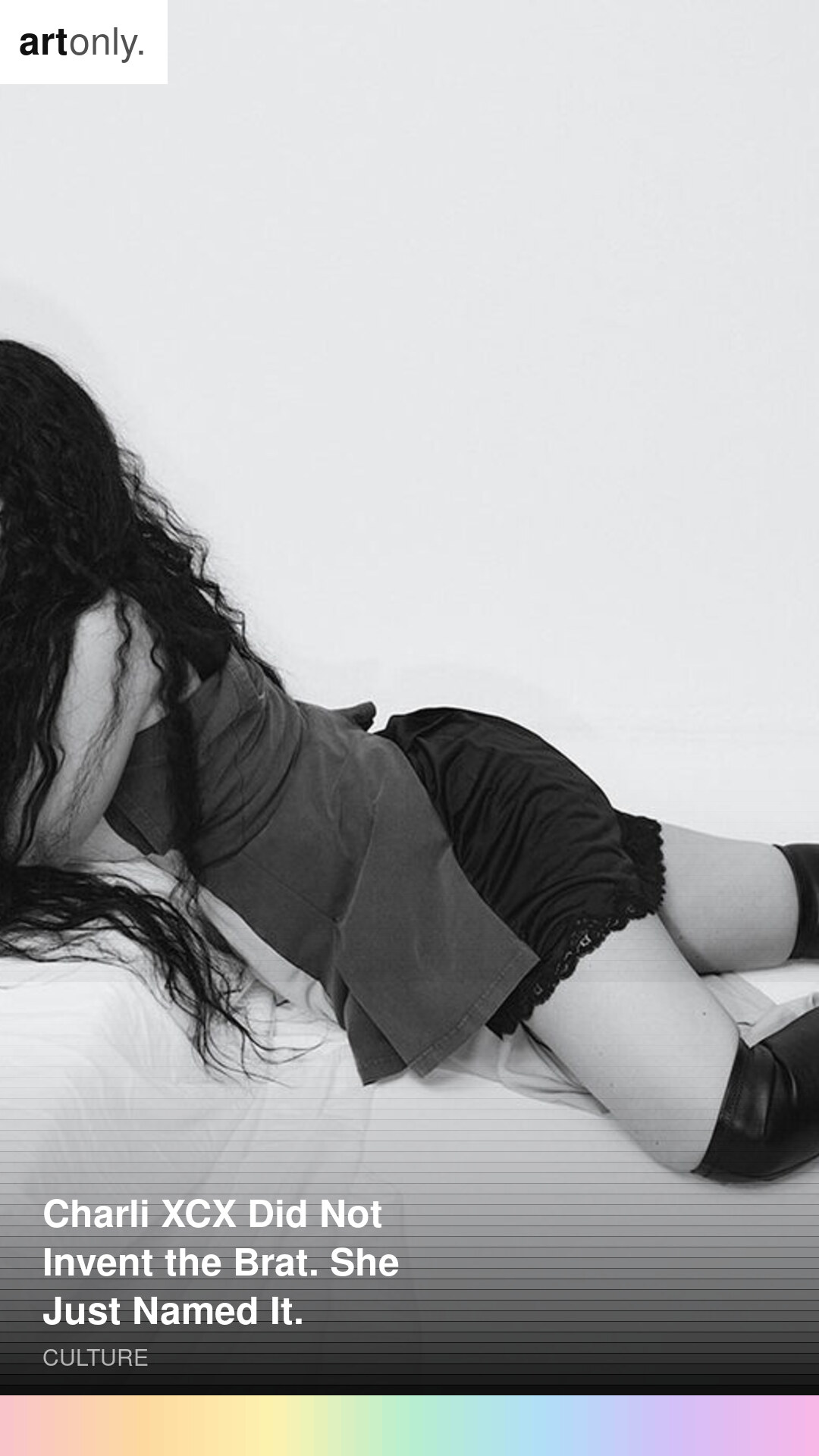
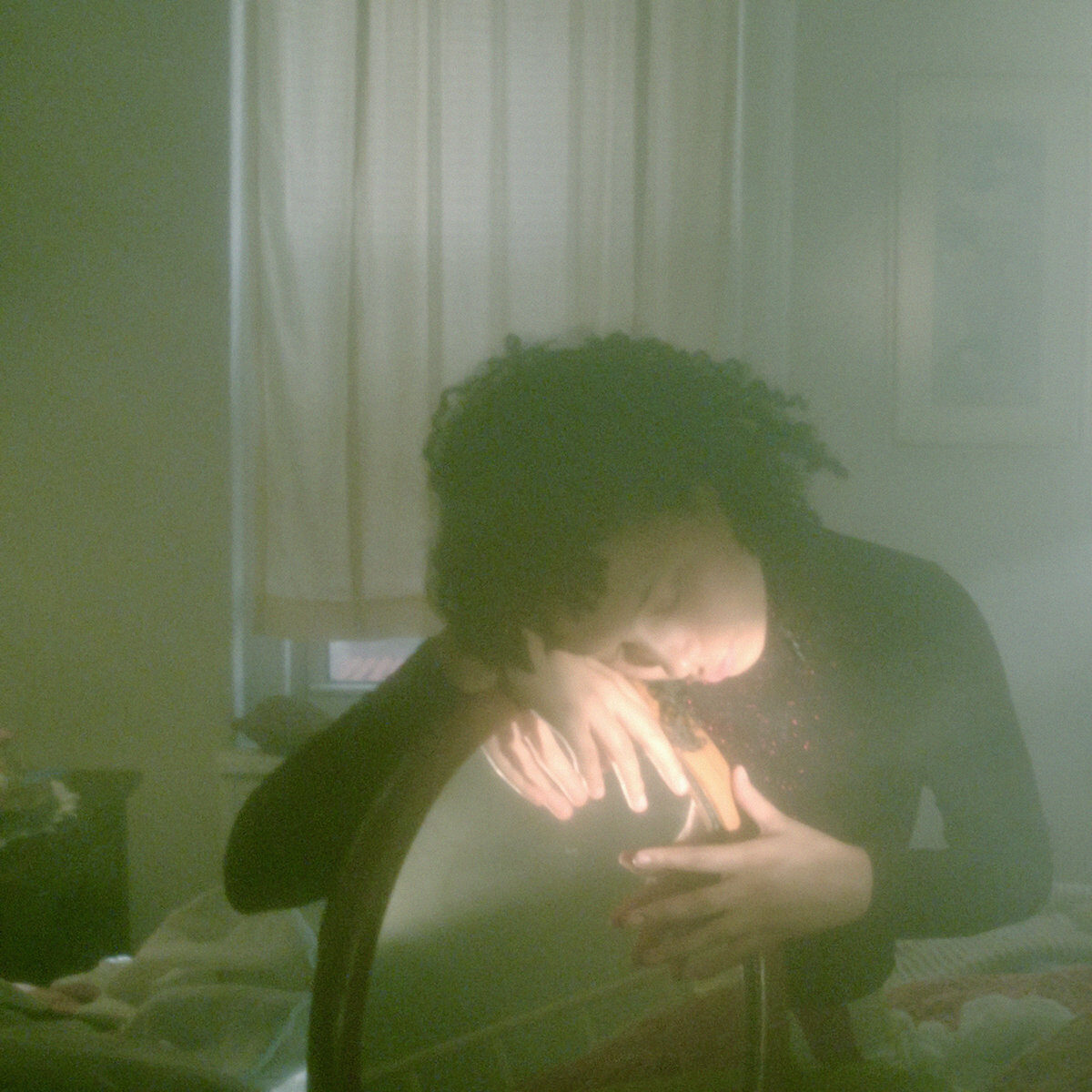
On October 31, 2024, Collins English Dictionary named "brat" its word of the year. Not artificial intelligence, not some portmanteau coined by a consultant. Brat. A word that had existed for centuries, refilled in the summer of 2024 by a British singer from Cambridge who released an album on June 7 with a lime green cover, no featured artists, and a working definition that would outlast the season.
Charlotte Emma Aitchison has been making music as Charli XCX since she was a teenager posting songs to Myspace around 2008. She spent years writing hits for other acts while her own name became shorthand among a specific kind of knowledgeable pop fan who was certain that mainstream audiences would eventually catch up. Brat was her sixth studio album, released on Atlantic Records after a contract renewal in early 2023. It arrived having already survived a decade of being too early, too online, or too deliberately abrasive for crowds that were still finding their way toward her.
The Green Was a Position

The album cover was a specific shade of lime green with blurred lowercase text and nothing else. No photograph. No elaborate composition. Just color and type, deliberately imprecise, deliberately refusing the polished presentation that the pop industry treats as a baseline requirement. The green became a cultural shorthand almost immediately. Brands repainted their social media presences in it. Fans wore it to shows. The Harris presidential campaign repainted its official social media banner in the same shade after Charli XCX posted three words on X in July 2024: "kamala IS brat."
The aesthetic made an argument. It said that slickness is a form of dishonesty, that imperfection can be chosen rather than apologized for. Brat summer, the phrase that emerged from the album rollout, was not really about the music. It was about permission. Permission to be contradictory, to be messy, to take up space without completing any assigned arc of self improvement. That permission had specific cultural weight in the summer of 2024 in ways that went beyond what a single pop album usually carries. Metacritic rated Brat the highest reviewed album of the year. Rolling Stone, the New York Times, and Billboard all placed it at the top of their year end lists.
The Sound Behind the Word
Brat was produced primarily by Charli XCX, A.G. Cook, and George Daniel. Cook has been her closest production collaborator for years, working across her mixtapes and earlier records, building sounds that are intentionally excessive: too compressed, too bright, too alive. Daniel, the drummer of The 1975 and Charli XCX's partner, contributed a rhythmic looseness that kept the album from becoming a pure exercise in genre theory.
The original release had no featured artists at all. That was a deliberate choice. The sound was interior and self-contained, a world with its own logic that required no outside validation. Tracks including "360," "Club Classics," and "Apple" were designed to feel immediately familiar, which is either exceptional craft or evidence that the culture had been ready for this record longer than anyone was willing to admit. None of the three songs runs past four minutes. The album runs thirty three minutes total. Nothing overstays.
What Collins Said and What It Meant
Collins defined brat as "a person who is confident, assertive, and hedonistic, though sometimes in ways that are irritating and offputting." That definition does real work. It acknowledges the friction built into the concept. Brat is not aspirational in any clean sense. It does not promise productivity or resolution or growth. It describes a person who knows herself but is not necessarily comfortable to be around. That specificity is what gave the word staying power beyond the album cycle.
The political adoption of the brat aesthetic by the Harris campaign was an unusual thing to observe in real time. A presidential campaign reaching for the iconography of an album about dancing, ambivalence, and staying out too late is genuinely strange political history. It did not save the campaign. But it marked something real: the recognition that cultural fluency, knowing what is resonant right now and why, had become a form of political capital that strategists were finally taking seriously. Charli XCX did not intend an endorsement. She said so plainly. She also said she was glad to help prevent democracy from failing forever, which lands somewhere between sincerity and a perfect post.
The Remix as Symposium
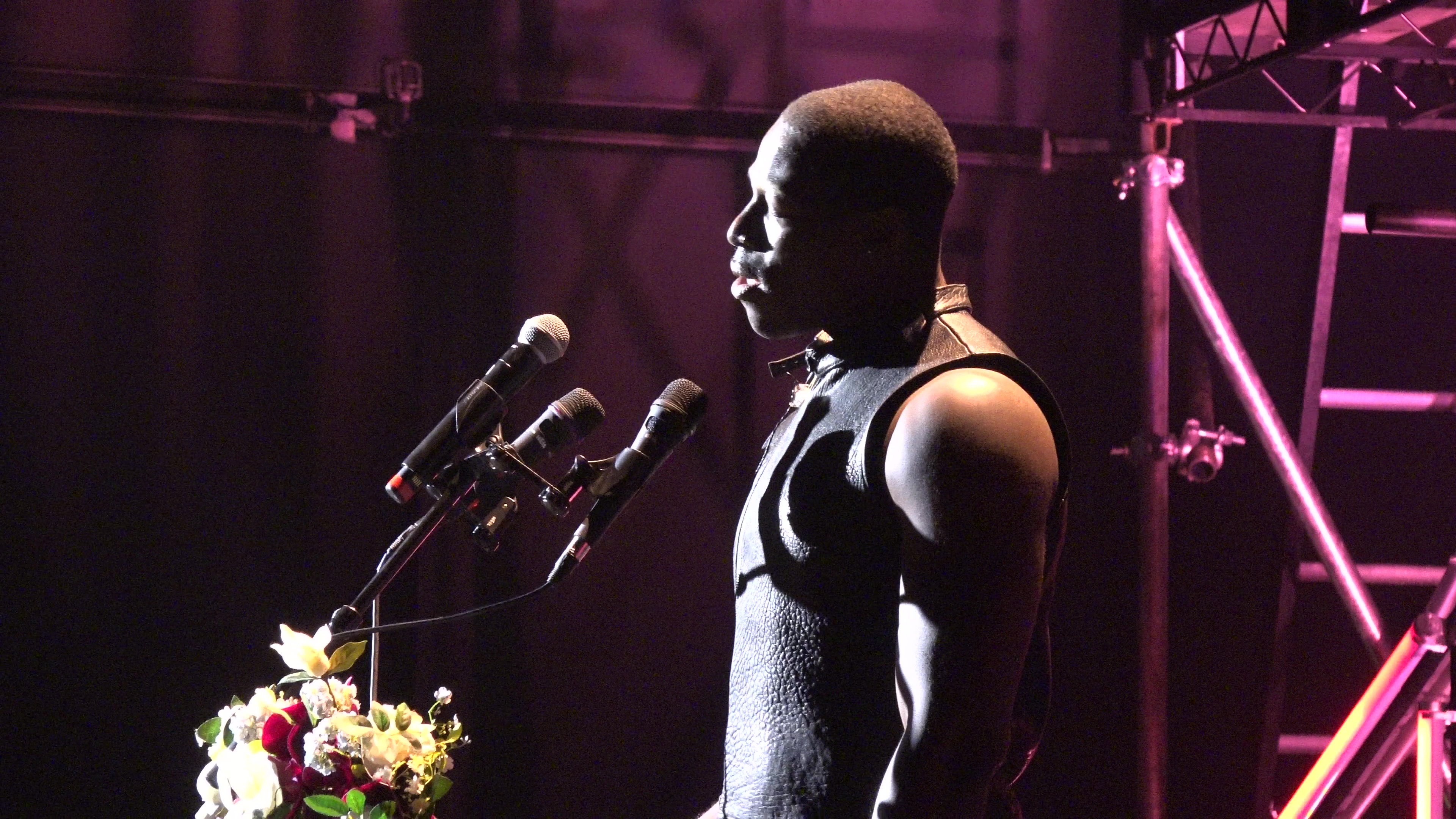
On October 11, 2024, the remix album arrived. Titled "Brat and It's Completely Different but Also Still Brat," it featured twenty guest contributors including Caroline Polachek, Billie Eilish, Ariana Grande, and Troye Sivan. The album's own title was the argument: the meaning of brat was not fixed. It could be translated across voices, across genres, across very different ideas about what pop music exists to do. Polachek brought theatrical melancholy. Eilish brought restraint. The record worked not because every contributor agreed on what brat meant but because each one engaged with the question rather than just lending their name to it.
A remix album is usually a commercial exercise. This one functioned as something closer to a critical conversation conducted in song, which is not a description that applies to most things released in 2024.
After the Year
In July 2025, Charli XCX married George Daniel at Hackney Town Hall in London. The news moved through the internet and settled. One more detail in the continuing story of someone who spent years being told her audience was too small, too niche, too particular to ever become a mainstream story. The brat era did not end so much as it resolved into the ongoing project of being Charli XCX, which was always the more interesting subject.
Collins gave her the word of the year. The Harris campaign borrowed her color. The music press exhausted its superlatives. None of it changes what the album actually is: thirty three minutes of confident, intentionally irritating, precisely constructed pop music made by a person who had been doing this long enough to stop waiting for the room to catch up.