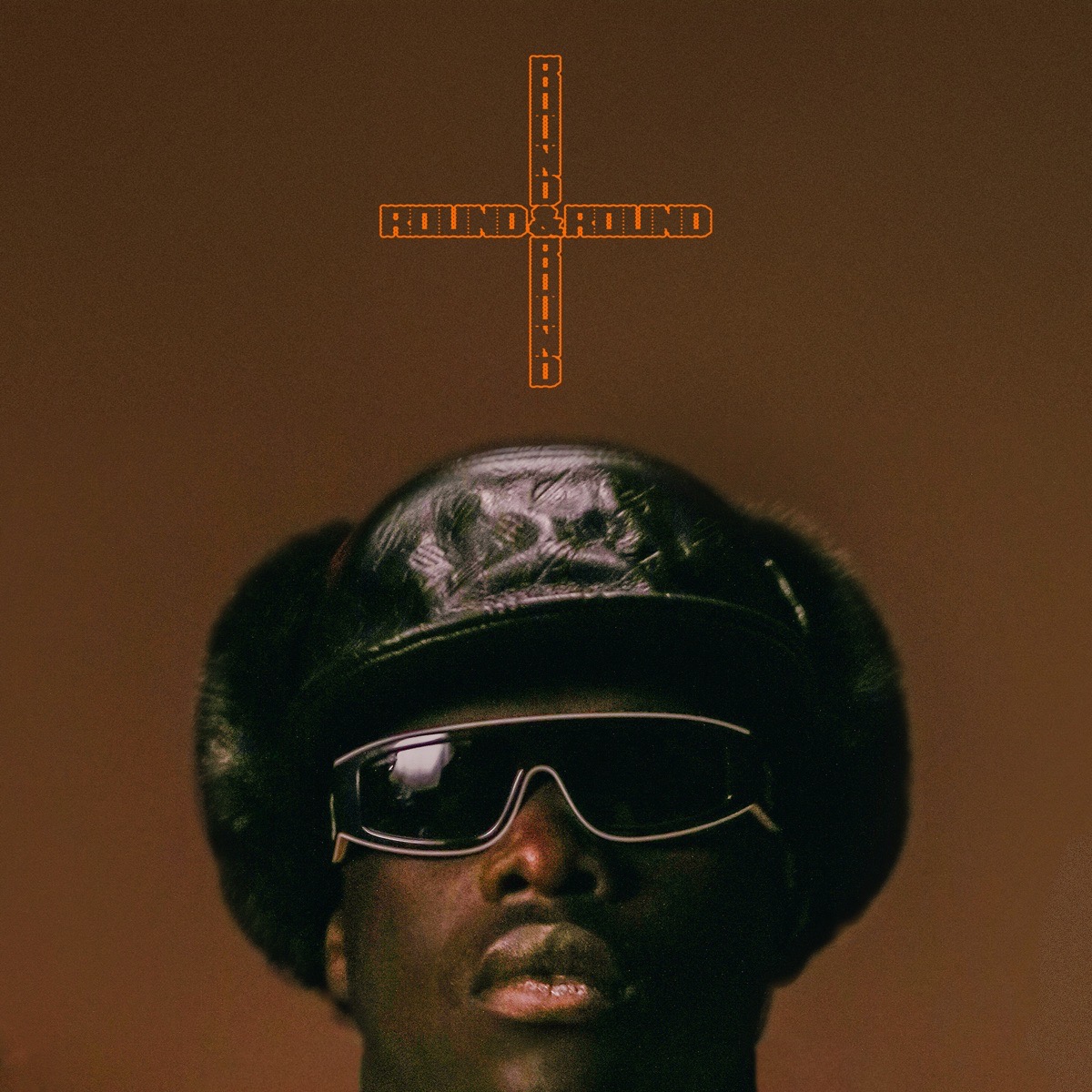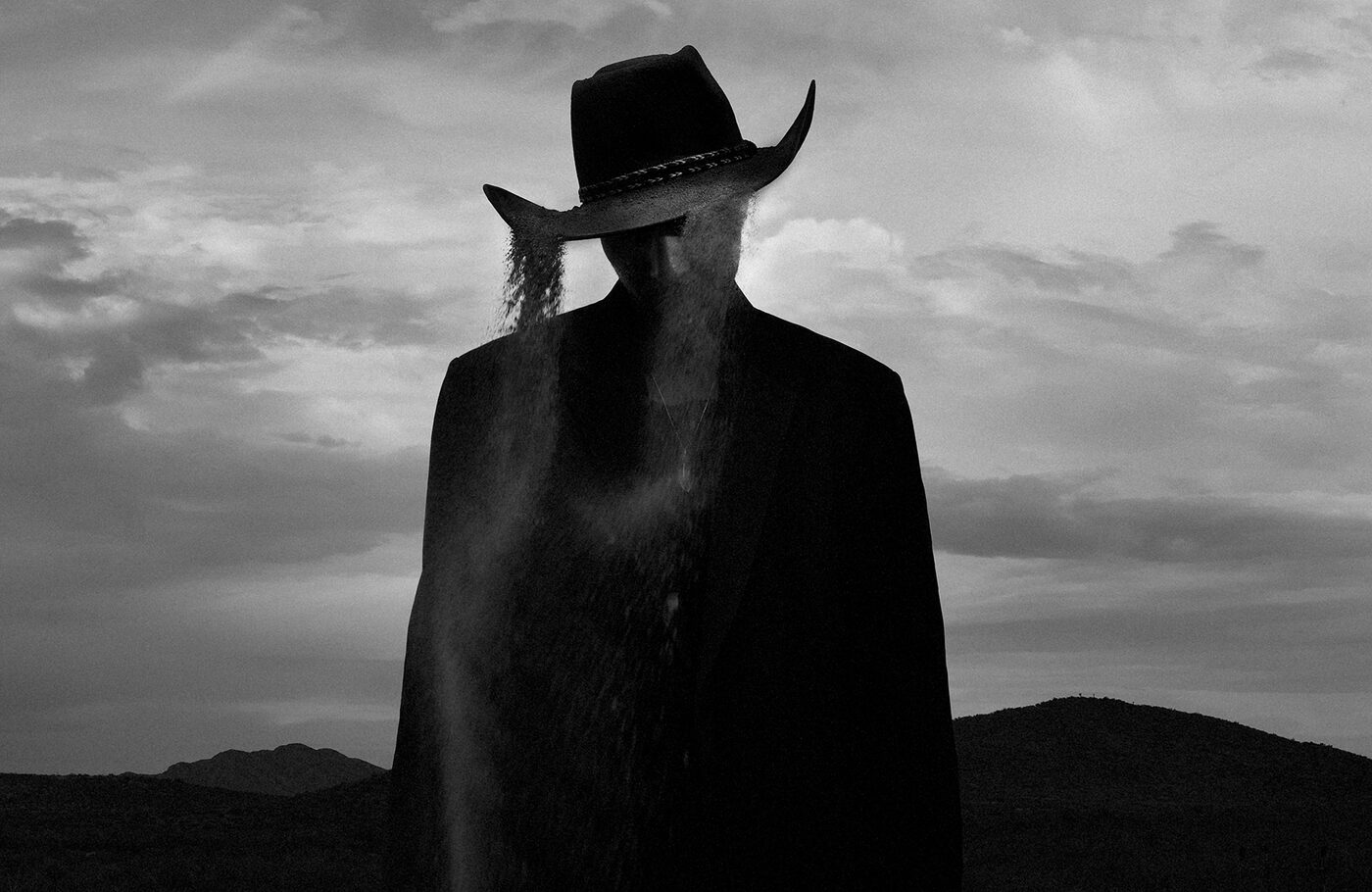
DARKSIDE released Nothing on February 28, 2025, through Matador Records. It is the third studio album from the group and the first to feature Tlacael Esparza as a full member. Nicolas Jaar and Dave Harrington formed DARKSIDE in 2011, releasing Psychic in 2013 and Spiral in 2021 before arriving here, to nine tracks described by the band as transmissions of negative space, telepathic seance, and spectral improvisation. Nothing is a title that means exactly what it says, and everything that says implies.
Jaar was born in New York and raised in Santiago, Chile, where his father is a sculptor and his mother a professor. He began releasing music as a teenager, and his debut solo album Space is Only Noise arrived in 2011 when he was twenty years old. The critical response was immediate and serious. The music had a quality that was unusual: patient, structural, uncommitted to any single genre or tradition but coherent in a way that genre allegiance can substitute for. DARKSIDE began around the same period as a collaboration with guitarist Dave Harrington, and the two have moved between individual projects and their shared one since, accumulating a body of work that keeps expanding in different directions.
Tlacael Esparza and the Third Member
The addition of Tlacael Esparza changes DARKSIDE structurally. Esparza is a percussionist and technologist who developed the Sunhouse Sensory Percussion system, a sensor and software tool that allows acoustic drums to generate electronic sounds in real time. His work has always existed at the junction between acoustic and electronic, physical and processed. This is the exact territory that DARKSIDE has operated in since Psychic, and Esparza's arrival formalizes something that was implicit in the group's project from the start.
The band has spoken about how Nothing grew from sessions of spontaneous improvisation, long jams that were then shaped and edited into the nine tracks on the record. Esparza's drumming is not a backdrop for Jaar and Harrington's electronic work. It is part of the same conversation, present in the same foreground, generating its own textures and directions within each piece.
The S.N.C. Video and Cuan Roche
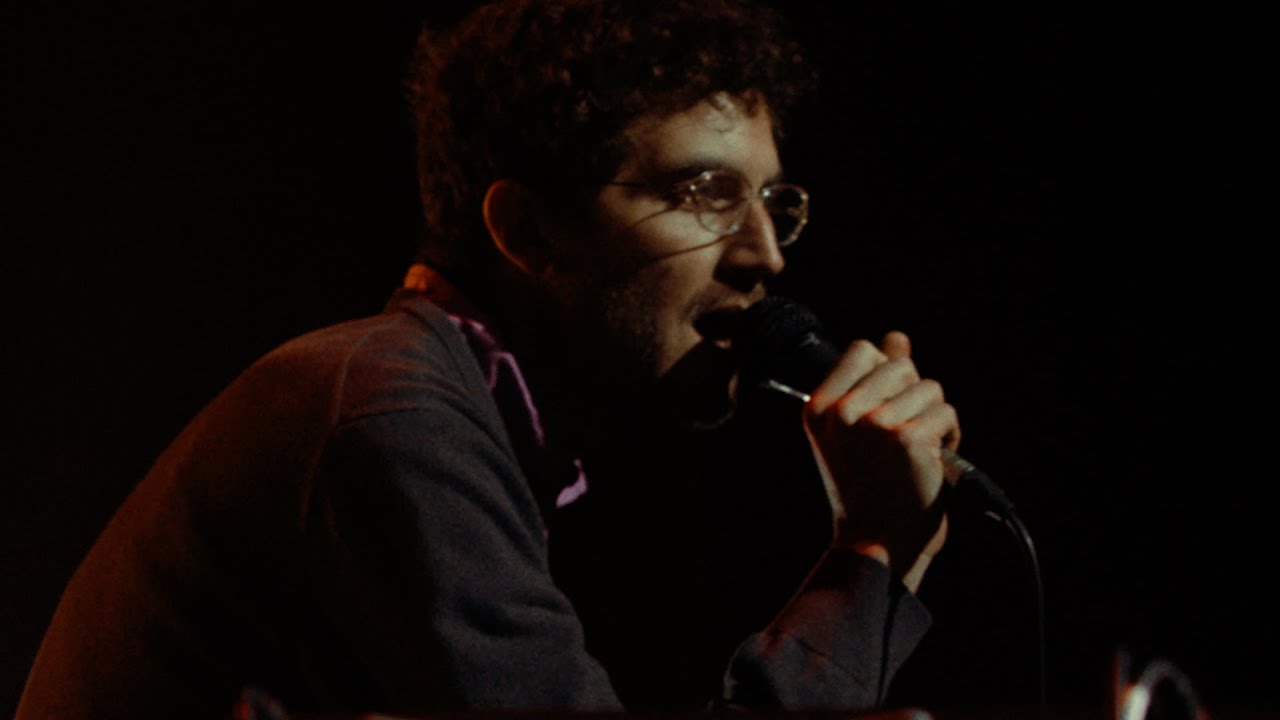
The lead single from Nothing, "S.N.C.," arrived with a video directed by Cuan Roche. The visual concept takes live footage of the band and runs it through distortions that recall cinema in extremis, boat trip psychedelia, images leaking into and out of themselves. The footage arrives on the other side of the process as something transformed rather than simply decorated. Roche worked with the material the band provided and built a visual equivalent of what the track does with sound: take something stable and make it liquid without losing the underlying shape.
[gallery-1:https://img.youtube.com/vi/fKiS9DPARDg/maxresdefault.jpg]
The band also released "Heavy Is Good For This," another single from the album, which demonstrates the range inside Nothing. Where "S.N.C." is propulsive and strange, "Heavy Is Good For This" moves differently, slower, with more space around its elements. The album is not a uniform tone. It is a series of different states that share a sensibility without repeating themselves.
Nothing and What It Builds From
The title Nothing is a kind of manifesto. It refers to negative space, to what you make by removing rather than adding, to the productive silence inside music rather than around it. Jaar has been interested in this question across his entire career. His solo records Space is Only Noise, Sirens, and Cenizas each approach it from a different direction. DARKSIDE allows him to pursue it in a context where the conversation is between people rather than internal.
Harrington brings a guitarist's understanding of texture and sustain that complements Jaar's electronic vocabulary. The two have been making music together long enough that their individual contributions are not always separable inside the recordings, which is precisely what collaboration should produce over time. Esparza adds a third voice that is both the most physical thing in the music and one of the most electronic, which is an interesting paradox to build around.
The Space Between Psychic and Nothing
The gap between DARKSIDE's albums has never been long enough to feel like absence but long enough to register. Spiral arrived eight years after Psychic. Nothing arrives four years after Spiral. Each record has found the group working in different territory while remaining recognisably themselves. This is a harder achievement than it sounds. Many groups with a strong initial identity either calcify around it or abandon it entirely. DARKSIDE moves.
The Matador Records relationship continues across Nothing. Matador has released the DARKSIDE albums and also works with Harrington's other projects. The label brings a certain seriousness of purpose that matches what DARKSIDE is doing, a commitment to releasing music that is not primarily interested in being accessible. Nothing is not inaccessible in any hostile sense. It is simply not optimized for first contact. It rewards the kind of listening that gives it space.
What Nothing Does Afterward
Nothing works on you after the listening ends. This is one of the markers of music that is doing something more than entertainment: it leaves traces. The nine tracks on the record have a quality of accumulation that persists. Days after a first listen, moments from the record surface without invitation.
Nicolas Jaar has built one of the more interesting careers in contemporary music by moving consistently across territories that most artists choose between. He records solo, collaborates as DARKSIDE, runs the Other People label, scores films, and performs live in contexts that range from clubs to concert halls. Each project is distinct but all of them share a seriousness about what sound can do when given room. Nothing is the current statement of that seriousness as a group: three musicians making music that earns its title and then exceeds it.