Against the Obvious Explanation
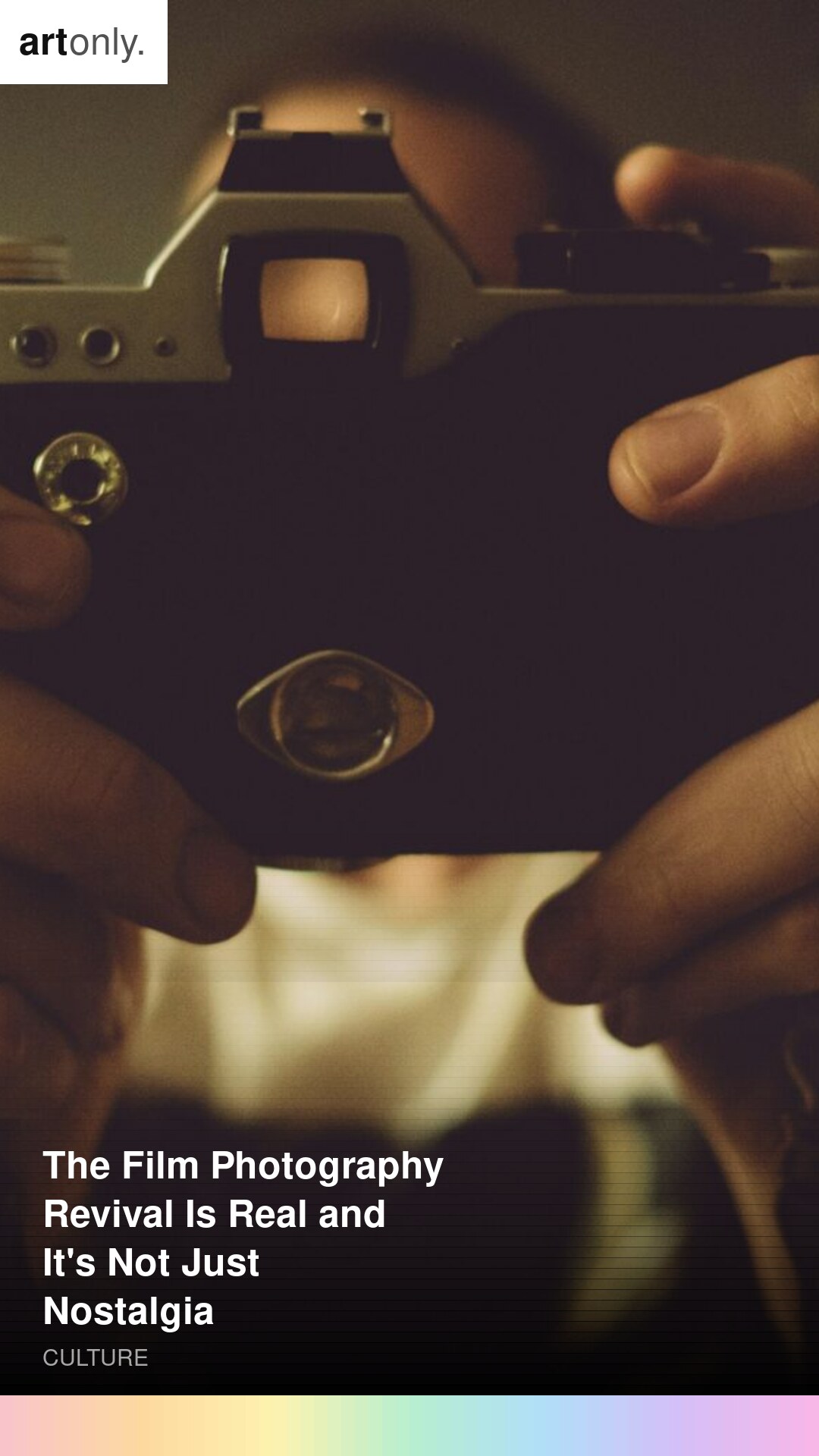
The obvious explanation for the film photography revival is nostalgia, the familiar cycle of cultural pendulum-swinging, where a generation that grew up with digital photography romanticizes the analog that preceded it, constructs an aesthetic from the grain and the light leaks and the chemical unpredictability, and calls this romance meaning. This explanation is not wrong. It is also not complete.
I've been thinking about why young photographers are returning to film in significant numbers, enough to have driven a surge in film sales, enough to have caused Kodak to restart certain film stocks and Fujifilm to raise prices because demand has outpaced supply, and the nostalgia account doesn't explain everything I observe.
Some of what's happening is specifically about slowness. Film photography imposes constraints that digital photography removes: the finite number of exposures on a roll, the cost of each shot (film plus development plus printing), the delay between taking the photograph and seeing it. These constraints require intention. You think before you shoot. You miss things you would have captured digitally. The photographs you get are the result of decisions rather than volume.
What Constraint Produces
This is an old argument, the argument that constraint generates creativity, that limitations force decisions that unlimited access doesn't require, and it applies to photography in specific ways. Digital photography has produced a democratization of image-making that is genuinely valuable and has also produced a quantity of images that makes individual images nearly meaningless. The photograph is so easy to make, and so easy to discard, that the making of it carries almost no weight.
Film restores weight. Not absolutely, you can still shoot thoughtlessly on film, still waste exposures, still make meaningless images, but the economics and the process push toward intentionality in ways that digital doesn't. The photograph as object, printed and handled, has a different relationship to time and memory than the digital image exists in.
The photographers I find most interesting who work with film are not doing so to produce images that look old. They're doing so because the process changes the nature of what they make, changes what gets photographed, how it gets photographed, the relationship between photographer and subject that the camera mediates.
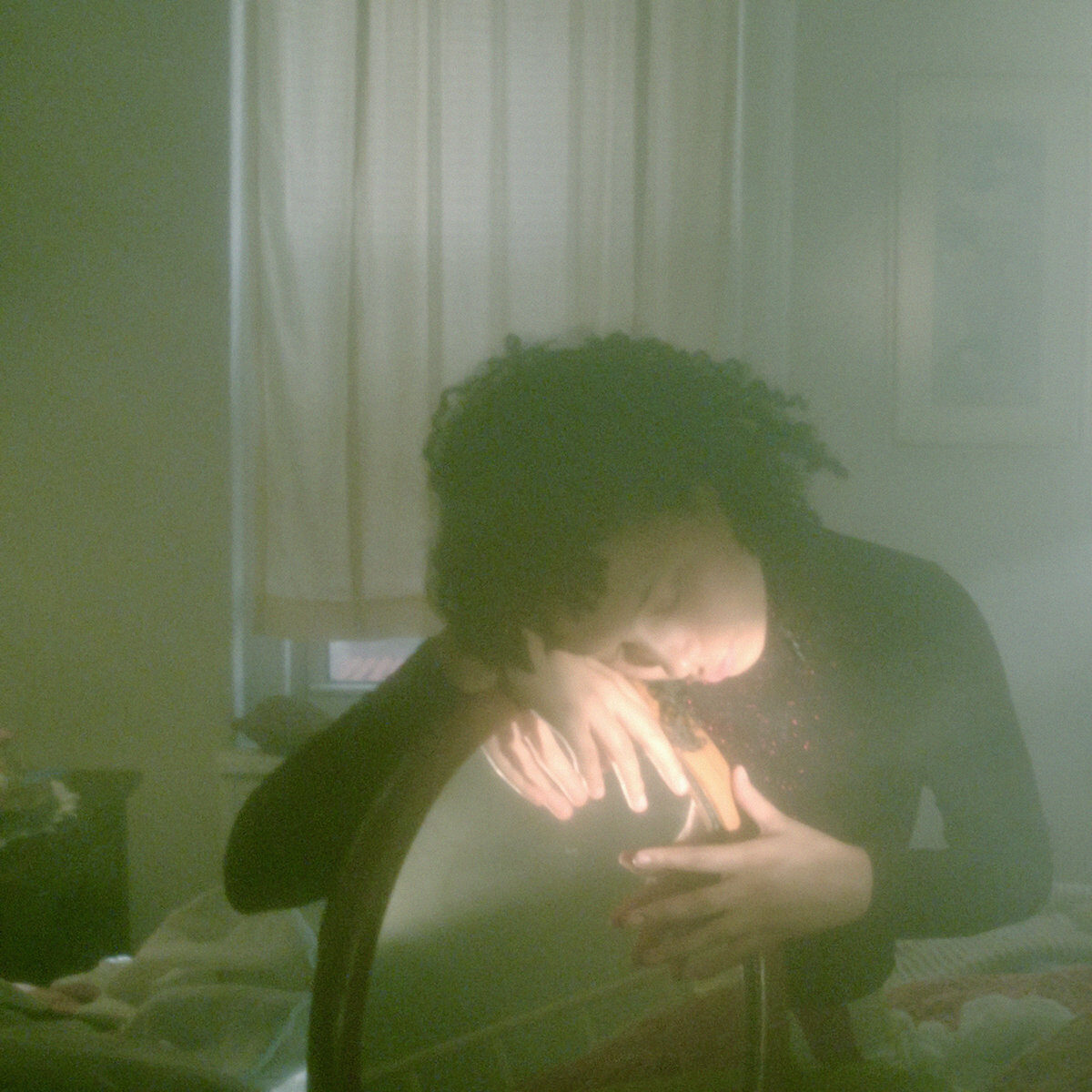
Deana Lawson uses large-format film for her portrait work, and the specific quality of those photographs, the tonal range, the spatial depth, the way the images describe their subjects, is inseparable from the process. The photographs could not look exactly like this made differently.
The Materiality Argument
There is a dimension to the film revival that is less about aesthetics and more about physicality. The digital image exists as data. It has no weight, no surface, no smell. It can be copied infinitely without degradation. It exists in multiple places simultaneously, stored on servers whose locations the photographer may not know. The relationship between the digital image and the moment it captures is purely informational.
Film frames this differently. The negative is a physical object that was present at the moment of exposure. Light touched it. The chemistry of the film responded to actual photons. The print is made from that original negative through a physical process involving light and chemistry and paper. The material history of the image runs directly back to the moment.
This is not a mystical claim. It is a description of a different relationship between image and referent, one that carries emotional weight for some photographers and some viewers in ways that have nothing to do with how the image looks. The photograph as artifact versus the photograph as data is a genuine distinction, and it matters to a significant number of people enough to accept the friction and expense that film involves.
The darkroom community that has grown around the revival is its own evidence. People are learning to develop film, to print in the darkroom, to handle the full physical chain of analog photography. That investment of time and skill suggests something more than surface-level aesthetic preference.
The Sustainability Question
The film revival faces material limits that digital doesn't. Film production is complex and expensive, requires manufacturing infrastructure that doesn't scale easily, depends on chemical processes that generate waste. The environmental argument for digital is real.
The counter-argument is that the image-making itself is more sustainable, that ten intentional film photographs have less environmental footprint than ten thousand digital images that will never be looked at again. This is speculative and probably impossible to measure.
What I keep returning to is the quality of the photographs being made. By some photographers, in some contexts, the constraint of the medium produces images that the medium deserves. That's enough for me. The revival is justified by the work.
Not just nostalgia. Something more complicated and more interesting.
The photographers I know who have moved to film have not become worse photographers. In most cases they've become more deliberate, more committed to specific images, more interested in the relationship between the photograph and the moment it captures. The constraint has done what constraint is supposed to do.
The photographers I know who have committed to film have also, without exception, become more selective editors. The finite roll forces a decision that digital delays indefinitely: what is worth keeping. When every frame costs money to develop and print, the threshold for what qualifies as worth printing rises. The resulting archive is smaller and stronger. This is not a universal recommendation. But it is a genuine consequence of the constraint, and it matters to the work.
This doesn't mean everyone should shoot film. It means the choice to shoot film is a meaningful one now in a way it wasn't when it was the only option. The intentionality is available. Some photographers are using it well. The images they're making are evidence that the medium still has things to offer. That evidence accumulates. It is the only argument that lasts, in photography or anywhere else. You make the image. The image either justifies the medium or it does not. The ones being made by the best film photographers right now do.