A Painter Who Picked Up a Camera
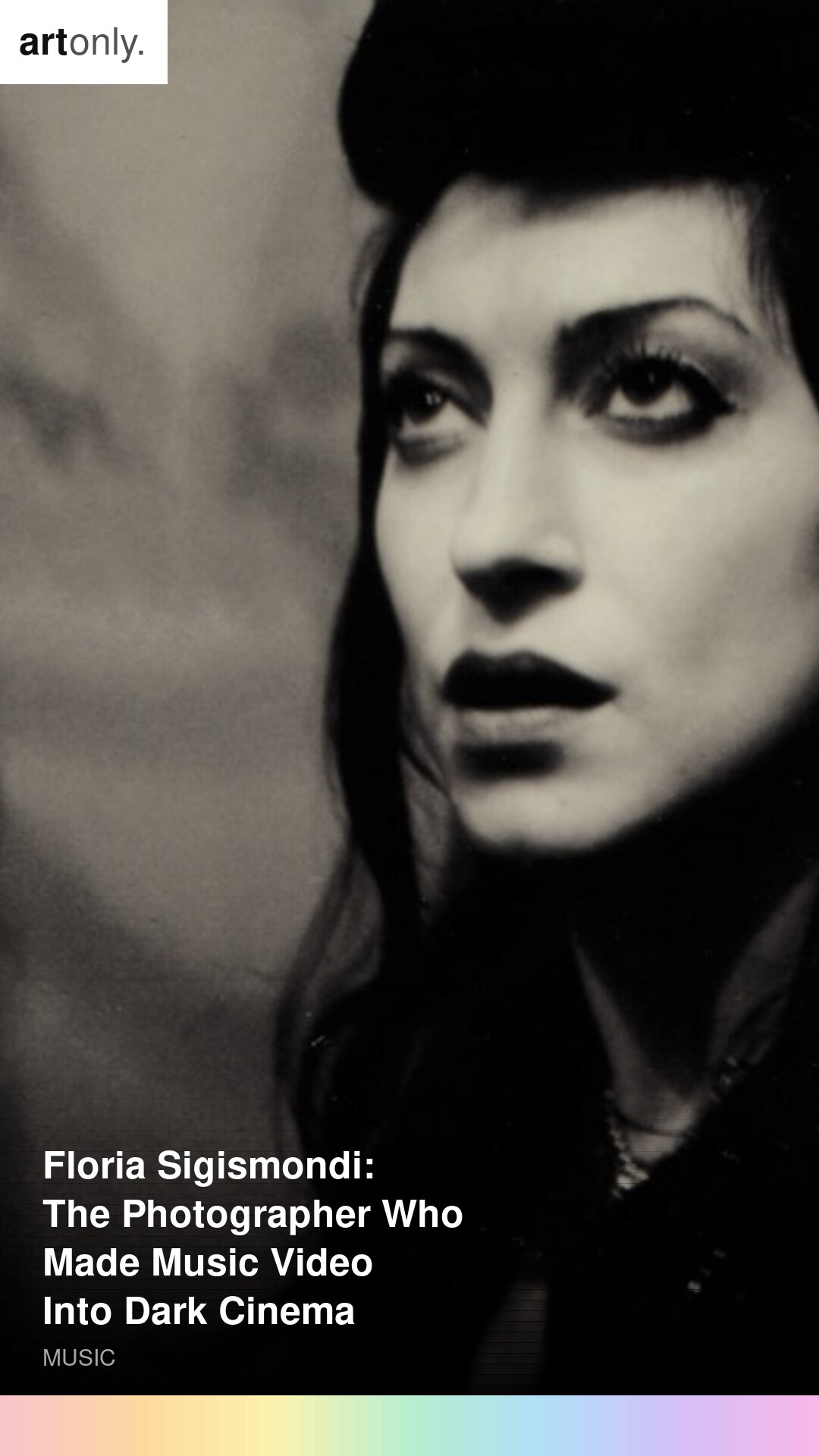
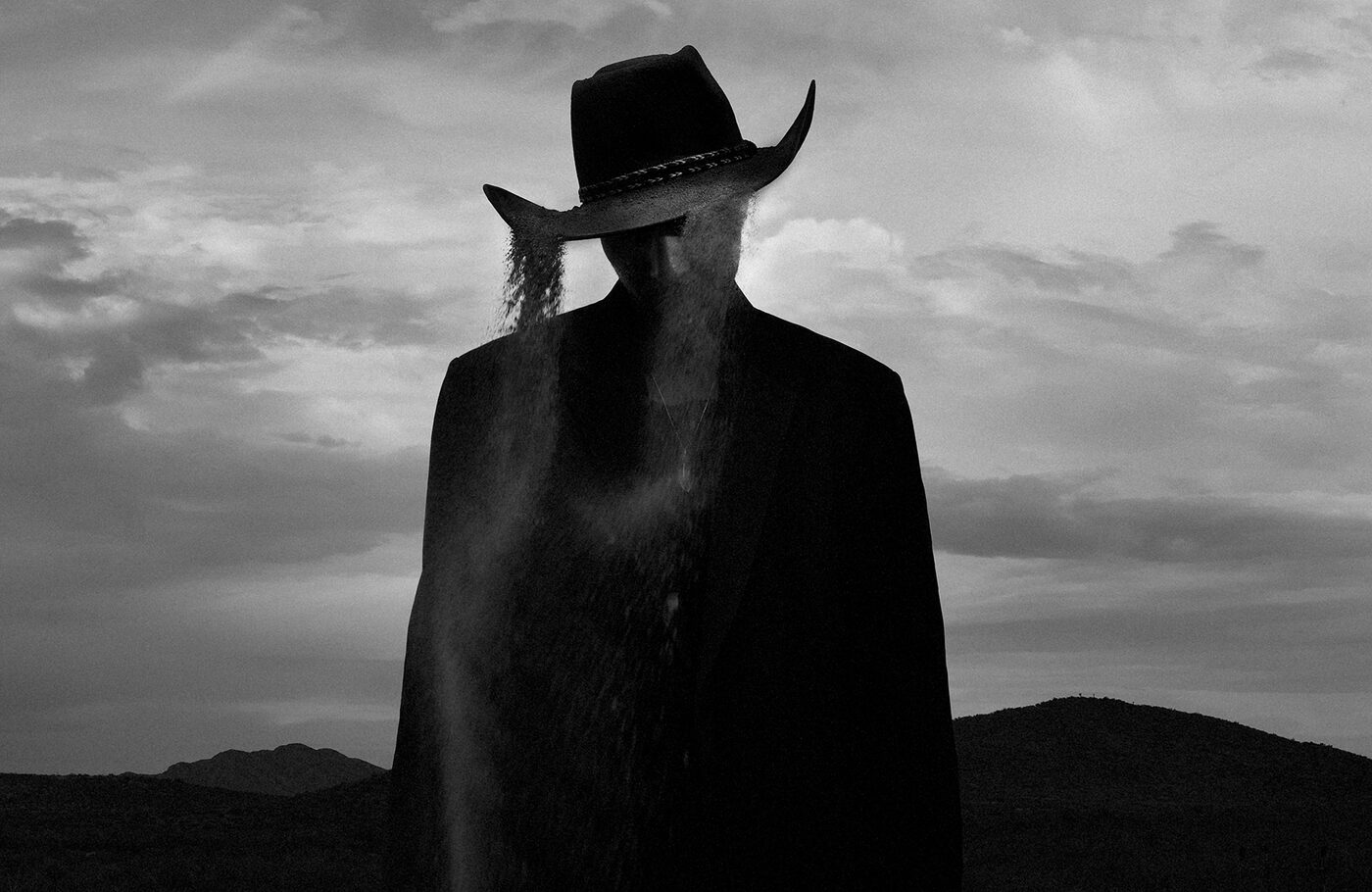
Before Floria Sigismondi ever directed a music video, she was building worlds in photographs. Single frames dense with mythology, fractured limbs, impossible skin textures, faces stretched into expressions registering somewhere between ecstasy and dread. She trained in fine art in Hamilton, Ontario, and carried the discipline of painting into everything she touched: every frame composed like a canvas, every shadow placed with intention.
What made her transition to video so complete was that she never stopped thinking like a photographer. Each video is a sequence of images that could stand alone. "The Beautiful People" (1996) for Marilyn Manson isn't a video so much as a collection of photographs in terrifying motion.
The fine art training is load-bearing here. Most music video directors approach the form cinematically: they think in sequences, in narrative arcs, in the grammar of commercial film. Sigismondi approaches it pictorially. Each shot is a composition first. The movement within and between shots serves the image rather than the other way around. This is an unusual orientation and it produces an unusual result: videos that can be paused at almost any moment and read as finished works.
The Manson Years
The collaboration with Marilyn Manson established Sigismondi as the defining visual voice of industrial rock, and more importantly, of a certain aesthetic philosophy: that music video could be a vehicle for genuine visual art.
"The Dope Show" (1998) puts Manson's body through a series of alien transformations borrowed from Hieronymus Bosch and Francis Bacon. The visuals don't illustrate the song so much as expand it, pushing it into territory the audio alone couldn't reach. Her background in photography meant she understood light and texture in ways most video directors simply didn't, and that knowledge let her construct images with a solidity that made them feel permanent.
"mOBSCENE" (2003) pushed further into cabaret grotesque. What Sigismondi understood was that Manson's appeal was never really about shock, it was about a very specific kind of theatrical darkness with art-historical depth. She gave that depth visual form.
The Manson collaboration is also significant because it established Sigismondi's method: deep immersion in the artist's own aesthetic universe rather than imposing a directorial vision from outside. This is rarer than it sounds. Most notable directors bring their established style to whatever project they're hired for. Sigismondi reads the artist and builds the visual world from inside their logic. The Manson videos look like Manson, not like Sigismondi, and that is precisely why they work.
Bowie, Rihanna, and the Art of Range
What's underappreciated about Sigismondi is her range. She directed "Disturbia" for Rihanna in 2008, a mainstream pop hit turned into a psychological horror film in miniature. She took the same visual intelligence she'd applied to industrial rock and found a way to make it work for something far more commercial without losing its soul.
Then there's "The Stars (Are Out Tonight)" for David Bowie (2013), one of the most sophisticated music videos of the decade. Tilda Swinton plays a parallel Bowie, both of them older, both of them facing celebrity as something alien and consuming. The video's psychological texture is dense enough to reward repeated viewing. It treats its audience as intelligent.
The breadth from Manson to Bowie to Rihanna isn't inconsistency. It's evidence of a director who operates from a visual philosophy rather than a style. The aesthetic changes; the commitment to constructed image-worlds doesn't.
The Bowie video in particular demonstrates something important about what Sigismondi does with age and time. Where most directors would have cast younger performers to embody celebrity's seductive power, she cast Swinton and Bowie himself as the central figures, and made the confrontation with their own imagery genuinely unsettling. Celebrity as haunting rather than celebration. That is a specific editorial position and it required a director willing to make Bowie uncomfortable in his own video.
The Runaways and the Question of Medium
Sigismondi directed The Runaways (2010), the biopic of the 1970s all-girl rock band, with Kristen Stewart and Dakota Fanning. It's a film that understands rock photography in the same way Sigismondi understands music video: as a site where image and music produce something neither could alone.
Her subsequent work, for Sam Smith, Sigur Ros, Christina Aguilera, Interpol, continued building a body of work that takes music video seriously as a medium. Not as promotional content. As cinema.
Why Sigismondi Still Matters
In an era where music video aesthetics cycle through nostalgia and algorithm-optimized visual trends, Sigismondi's approach feels genuinely countercultural. She builds visuals from the inside out, from what the music is doing, from what the artist is actually about, from a visual vocabulary grounded in the history of painting and photography.
Her influence runs through the current generation of art-directed video work more than is often acknowledged. The directors who approach video as short film, who care about texture and light as much as concept, are working in a tradition she helped establish.
The material conditions for music video have changed dramatically since the Manson years. Budgets have collapsed. The three-minute form now competes with TikTok clips and YouTube shorts for attention. The pressure toward content production rather than image construction has never been greater. Against this context, the ambition of Sigismondi's best work reads as a historical argument: that the form deserves more than it currently receives, that the standard she set is still possible to meet.
Music video is the most-consumed short-form visual art in the world. What Floria Sigismondi showed, across three decades, is that it can also be among the most serious. The directors who now approach music video with genuine visual ambition, who insist that the form can carry something worth the attention it asks for, are working in a tradition she demonstrated was possible. That demonstration happened across decades of actual work, not through manifestos. The work is its own argument, and it is still being made.