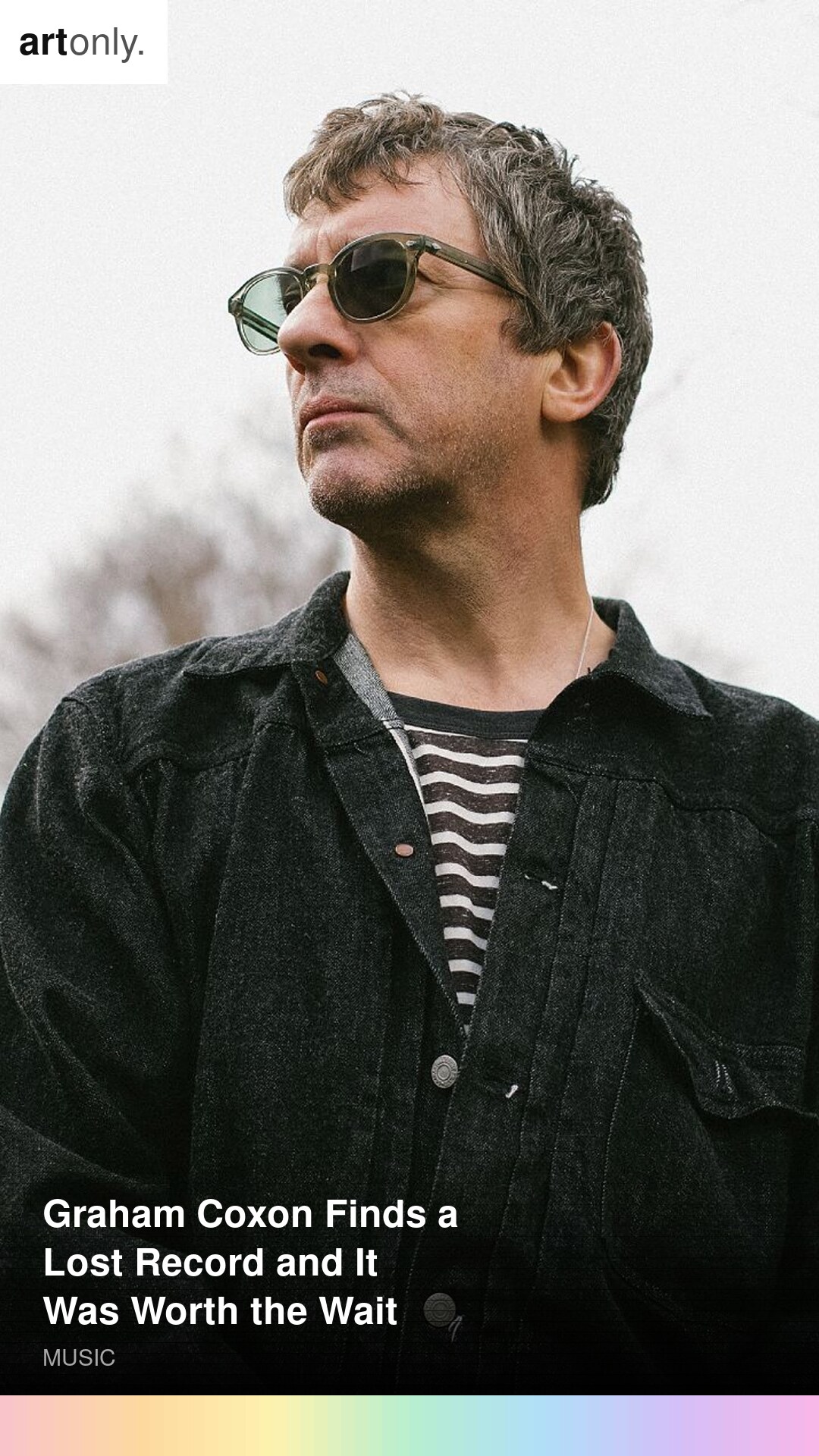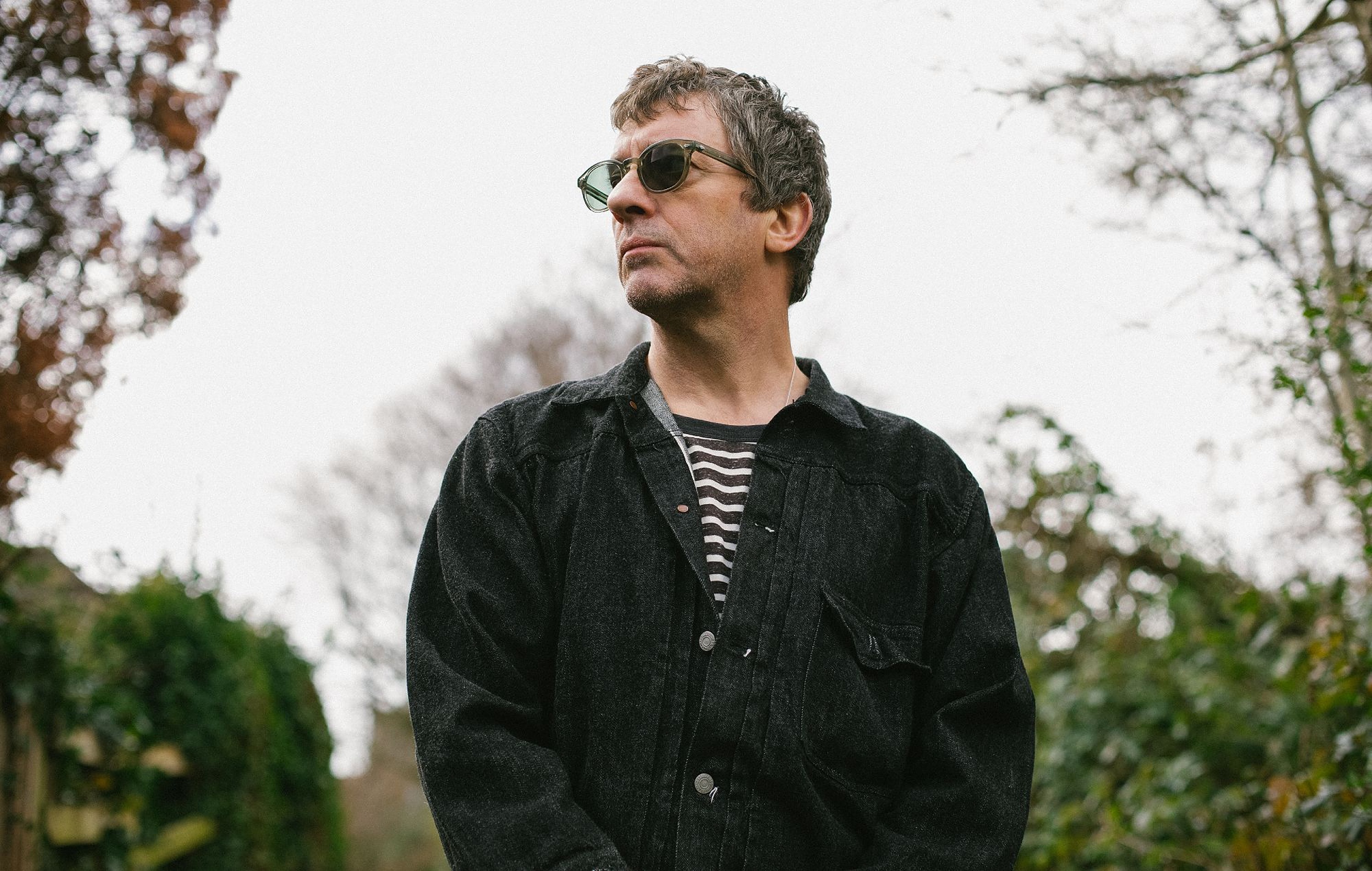
In 2011, Graham Coxon was doing what he often does: making music by himself, away from the complexities of maintaining one of the most scrutinized creative partnerships in British rock history. He had been a founding member of Blur since their formation in London in 1988, the band's guitarist and a key compositional voice, and his departure from the band in 2003 at the height of their tensions had been the kind of break that both parties spent years discussing in careful language. By 2011, Blur had reunited for festival performances and the relationship had stabilized into something workable. But Coxon was also operating in his own lane, the solo career he had been building since 2000 with records that moved through acoustic folk, krautrock influence, punk aggression, and melodic pop without settling permanently in any of them.
The sessions that year produced enough material for an album. Coxon intended it as the follow-up to his eighth solo record A+E, which would arrive in 2012. But Blur activity intervened, and then other projects, and the record stayed in the vault while the years accumulated. Fifteen years is a long time for an album to wait. Castle Park, released June 19 via Transgressive Records, is that album. It arrives after a decade and a half not as a historical document but as a genuine contemporary release, and the question that hangs over it is whether the music has survived the interval, whether what seemed worth making in 2011 still has something to say in 2026.
The answer is yes, and the reasons why tell you something interesting about what Coxon was working with. His solo catalog of eight records over nearly a quarter century forms a deliberately unsystematic body of work. It moves from the acoustic intimacy of The Sky Is Too High through the punk directness of Happiness in Magazines, through the krautrock explorations of The Spinning Top and A+E, without settling permanently in any of them. The through line is not a consistent style but a consistent restlessness, a willingness to pick up a new approach and follow it to its limit before setting it down. Castle Park represents, within this catalog, the melodic Kinks influenced side of his sensibility that has been present in his writing since the beginning but has not previously had a full album to itself.
The Kinks in the Room
Castle Park is a power pop record, which places it in a tradition that runs from the Kinks through Big Star through Matthew Sweet through a dozen other artists who understood that the three minute guitar driven song was a container capable of considerable sophistication when handled with care. Coxon has spent his career in conversation with this tradition without always foregrounding it. The fuzz and noise of his more abrasive solo records, and of Blur's grittier work, placed those recordings in dialogue with punk and post punk. Castle Park sets that dialogue aside. The record is about melody and arrangement and the particular pleasure of a song that goes exactly where it needs to go without detours.
Billy Says and Alright, the two singles released ahead of the album, establish the terms immediately. Both are built around guitar hooks that feel effortless in the specific way that actually requires considerable effort to achieve. The Kinks comparison that reviewers have reached for is accurate: Ray Davies's capacity to write songs about ordinary English life that were also somehow about something much larger, to find the universal inside the local, is what Coxon is channeling here. This is music about a specific geography, a specific class of English experience, rendered in forms that do not require familiarity with that geography to appreciate.
Dripping Soul, which brings a flamenco influenced guitar line into the record's midsection, and the orchestral pop instrumental Melodie Pour Christine suggest an artist who was, in 2011, working through a wider range of influences than the finished A+E record would eventually convey. The vault held the more experimental material, the directions Coxon was entertaining without being certain he wanted to pursue them as the primary statement of that period. As a separate collection, these songs demonstrate a range that his more stylistically coherent records have not always shown.
The Colchester Question
Castle Park takes its name from a park in Colchester, the Essex city where Coxon grew up. Blur's Damon Albarn was also a Colchester product, and the connection between the city and the band has always been complicated: Blur became definitively a London band in their public identity, and the specificity of their suburban and East Anglian roots was often flattened in the broader Britpop narrative. Coxon's solo work has been more willing to engage with that geography. Castle Park returns to it with an explicitness that his records have not previously attempted.
This is not nostalgia in the simple sense. The record is not asking the listener to share in the emotion of remembering a place from childhood. It is using that place as a formal anchor, a way of keeping the songs honest about where they came from and what they are made of. Produced with Ben Hillier, who has worked with Blur, Depeche Mode, and Elbow among others, the album has a warmth in its production that serves this specificity. Hillier's ear for making spaces that feel inhabited rather than designed is evident in every track.
The Weight of the Wait
Fifteen years is long enough to change the meaning of a set of recordings without changing the recordings themselves. What Castle Park sounds like in 2026 is not necessarily what it would have sounded like in 2013. The intervening period has included Blur's reunion album The Magic Whip, Coxon's soundtrack work, and the broader shift in how Britpop and its legacy are received. The context in which Coxon now operates as a solo artist is different from the context in which these songs were made.
What survives the interval is the directness of the writing. Castle Park does not sound dated in the pejorative sense. It sounds located. Its location in time is part of its texture. There is a specific quality in power pop, when it is made well, of songs that seem to have always existed, that you feel you have heard before even on first listen. This quality requires a certain kind of technical assurance, a command of hook and structure that produces inevitability. Coxon achieves this across the majority of the record, and the tracks that demonstrate it most clearly feel like additions to a catalog that already existed.
The argument that Castle Park makes, quietly and without fanfare, is that the Kinks adjacent British guitar pop tradition contains enough depth to support sustained investigation. Graham Coxon has been investigating that tradition since before Blur made it famous, and Castle Park is the most direct documentation of that investigation he has produced. The album took fifteen years to arrive. It was worth the wait not because the wait added anything to it, but because what was inside was already good enough to justify opening the vault and letting it out.