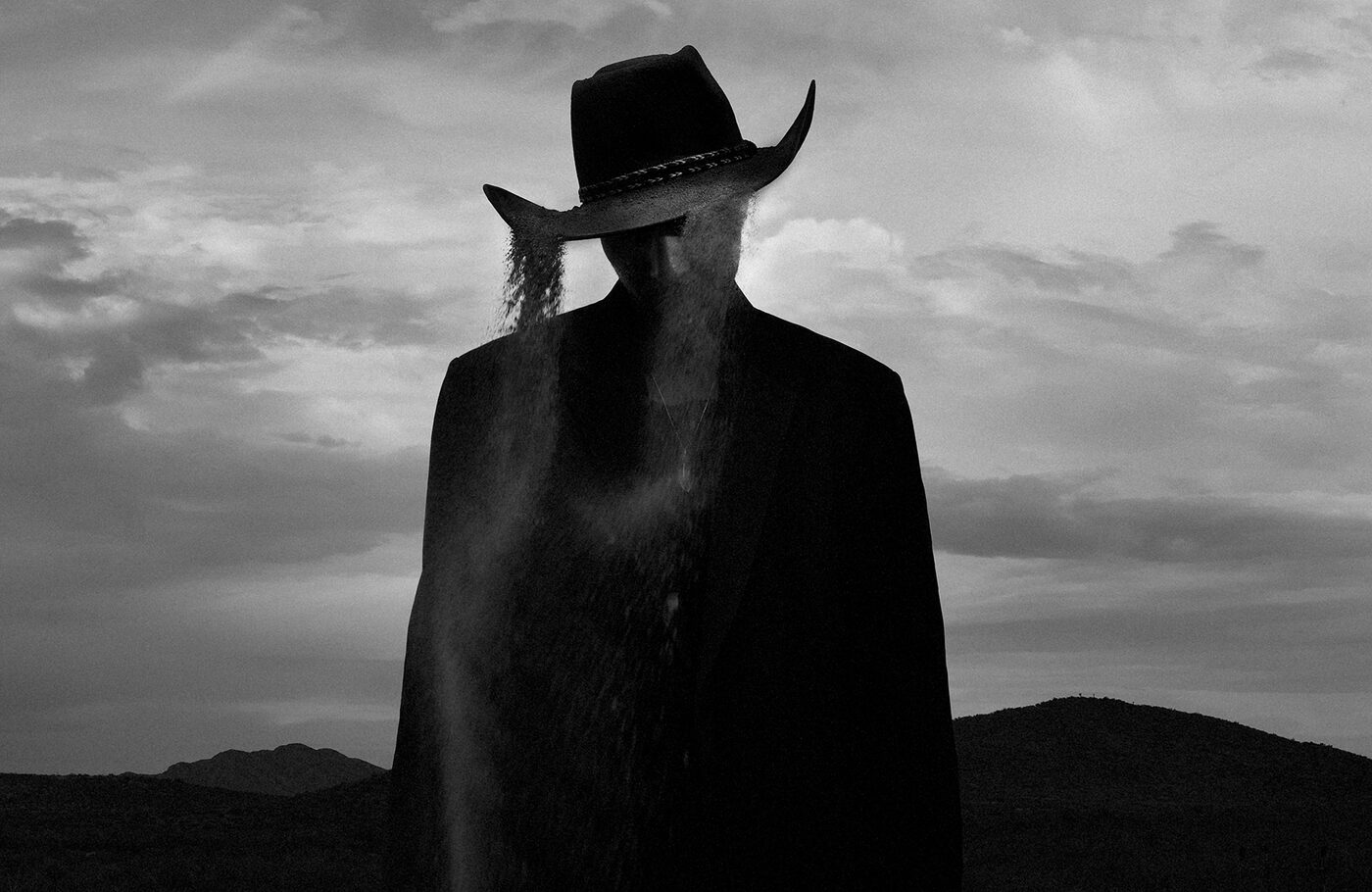
On June 10, 2008, Type Records released Dragging a Dead Deer Up a Hill, the fifth album by Liz Harris under the name Grouper. It arrived with almost no marketing, little press, and no tour in the traditional sense. It has since become a reference point for a generation of artists working in ambient folk, experimental music, and anything positioned between guitar and erasure. That trajectory is worth examining, because the mechanism that made Grouper influential is the same mechanism that the music industry is least equipped to replicate or reward.
Harris wrote and recorded the album alone. She played guitar, sang, and layered her own voice into something that resembled a transmission more than a performance. The songs are not difficult. They are not inaccessible. But they require the listener to stop moving. That requirement, eighteen years after that release, remains the clearest way to separate the work from music that merely uses similar instrumentation.
Heavy Water and the Albums That Followed

Dragging a Dead Deer Up a Hill opens with Disengaged and moves toward Heavy Water/I'd Rather Be Sleeping, the track most listeners point to as the album's center. That song places Harris's voice inside reverb until the voice and the reverb become indistinguishable. It is not a production trick. It is an argument about interiority. The song does not describe an emotional state. It creates the physical conditions for one.
In the albums that followed, including A I A in 2011 and Ruins in 2014, Harris worked toward a different kind of reduction. Ruins used piano as the primary instrument and removed most of the reverb. The result was not clarity but exposure. The songs sounded like they had been recorded in a room with no acoustic treatment, which was almost certainly the case. That choice would have been a creative risk for most artists. For Harris it was continuity. She has never worked toward effect for its own sake.
Shade and the Problem of Accessibility

Shade, released October 22, 2021 on Kranky, drew the strongest critical response of Harris's career. Pitchfork gave it an 8.2 and designated it Best New Music. Metacritic compiled fifteen reviews to an average score of 86 out of 100. The album was praised for its clarity, for the way acoustic guitar and voice sat closer to the surface than on earlier records, for what critics called approachability.
That framing gets it backwards. Shade is not more accessible. It is more exposed. The nine tracks, assembled from recordings made between 2006 and 2021, span a period long enough to contain several different versions of the same person. Unclean Mind and Followed the Ocean do not sound like they were written in the same year because they were not. The album holds those distances without explaining them. What critics called accessibility was the discomfort of listening to someone be honest across time.
The critical response to Shade as her most approachable record is the same response applied to dozens of artists whose work became readable only after the audience caught up. Harris did not move toward the audience. The audience moved toward a position Harris had been occupying for fifteen years.
Raum and the Limits of Categorization

In 2014, Harris released an album as Raum alongside Jefre Cantu-Ledesma, a San Francisco musician whose work sits at the intersection of ambient, noise, and drone. The record is not a side project in the career sense. It is evidence of where Harris's music lives when removed from the isolation of solo composition.
Cantu-Ledesma and Harris share an approach to sound as texture rather than information. The Raum collaboration makes explicit what the solo Grouper records keep implicit: that the music is as interested in the space between sounds as in the sounds themselves. That interest is not a stylistic preference. It is a position about what music can do to a listener's nervous system when the listener agrees to sit still.
The Raum record also clarifies a frequent misreading of Grouper. The solo albums are not solipsistic. They are not contained in the way that folk records or singer and songwriter work typically contains itself within an author's declared emotional frame. Harris builds environments. The collaboration shows what happens when someone else enters those environments with their own materials. The space holds.
Slow Walkers and the Geography of Sound

Harris and Australian sound artist Lawrence English released their debut as Slow Walkers in 2013 on Peak Oil. English runs Room40, a label out of Brisbane that has documented a specific kind of environmental listening practice since 2000. The collaboration was not a genre experiment. Both artists make music that registers place without describing it.
The Slow Walkers record is denser than most Grouper material. English brings a compositional mass that pushes against Harris's tendency toward dissolution. The result is not a compromise between two approaches. It is a demonstration that Harris's minimalism is not an absence of ideas but a controlled application of them.
That distinction matters because minimalism is often read as withholding. It is not. Harris's music gives the listener precisely what the music contains. There is no extra layer being kept back. The listening experience feels incomplete only if you arrive expecting density.
The Fifteen Years in Every Room
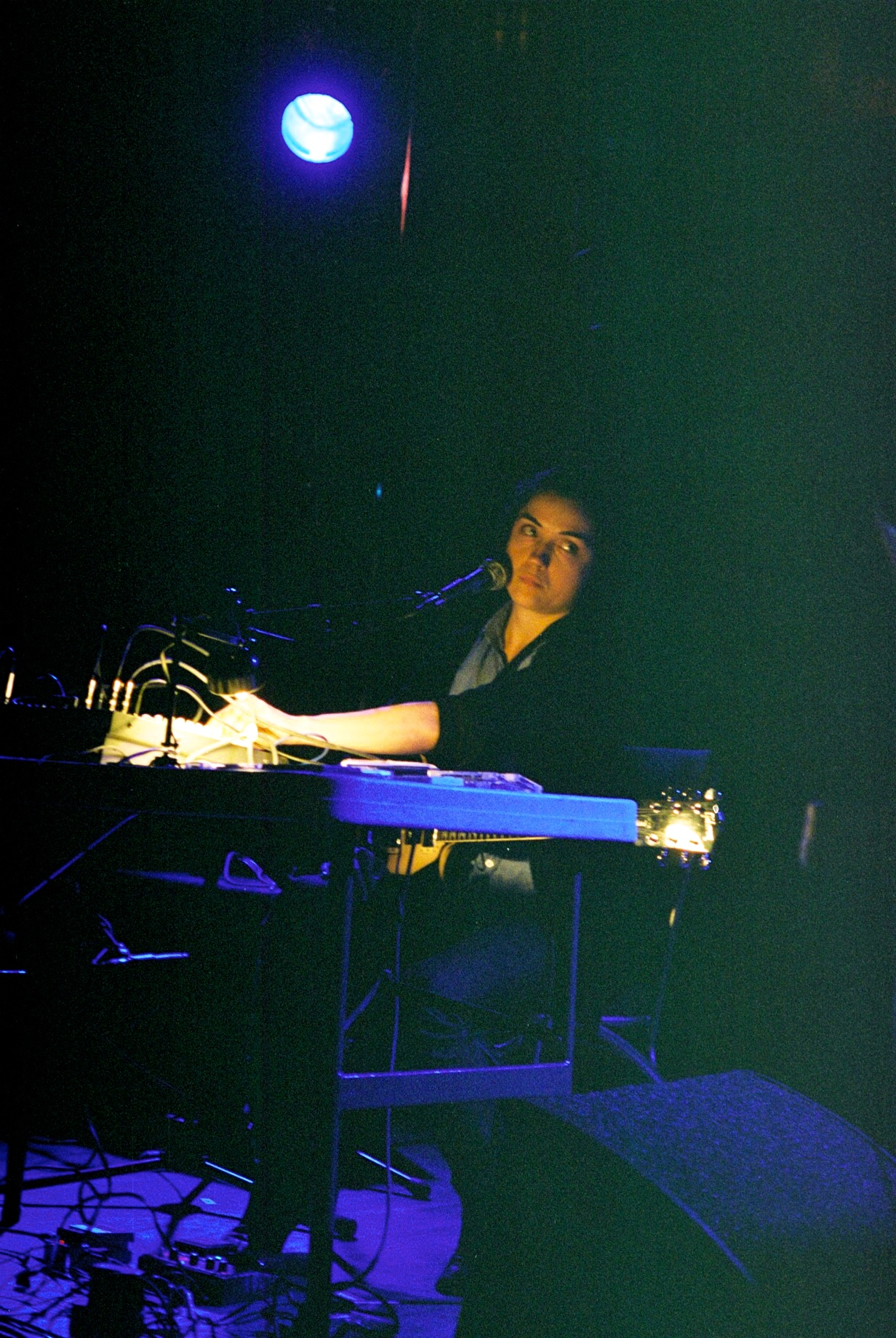
Harris records at home. That fact matters not because of the technology involved or the independence it implies, but because the domestic space shapes the music in ways that are audible. The recordings carry the sound of rooms that were not built for recording. Reverb comes from the walls. Noise comes from whatever was present when she pressed record.
This is not a low fidelity aesthetic in the genre sense. It is a documentation practice. When Harris assembled Shade from fifteen years of recordings, she was not curating a collection. She was presenting the actual artifact of the time those songs occupied. The album's span is not a concept. It is the truth of how the music was made.
Grouper has released music for more than twenty years without a major label, without a manager known to the public, and without the profile machinery that typically defines longevity in independent music. The catalog is intact. None of the albums have been disowned, reissued in distorted form, or followed by a pivot that made earlier work embarrassing. That consistency, across twelve records and as many years of turbulence in the music industry, is not the result of careful brand management. It is the result of Harris knowing what she is making and making only that.