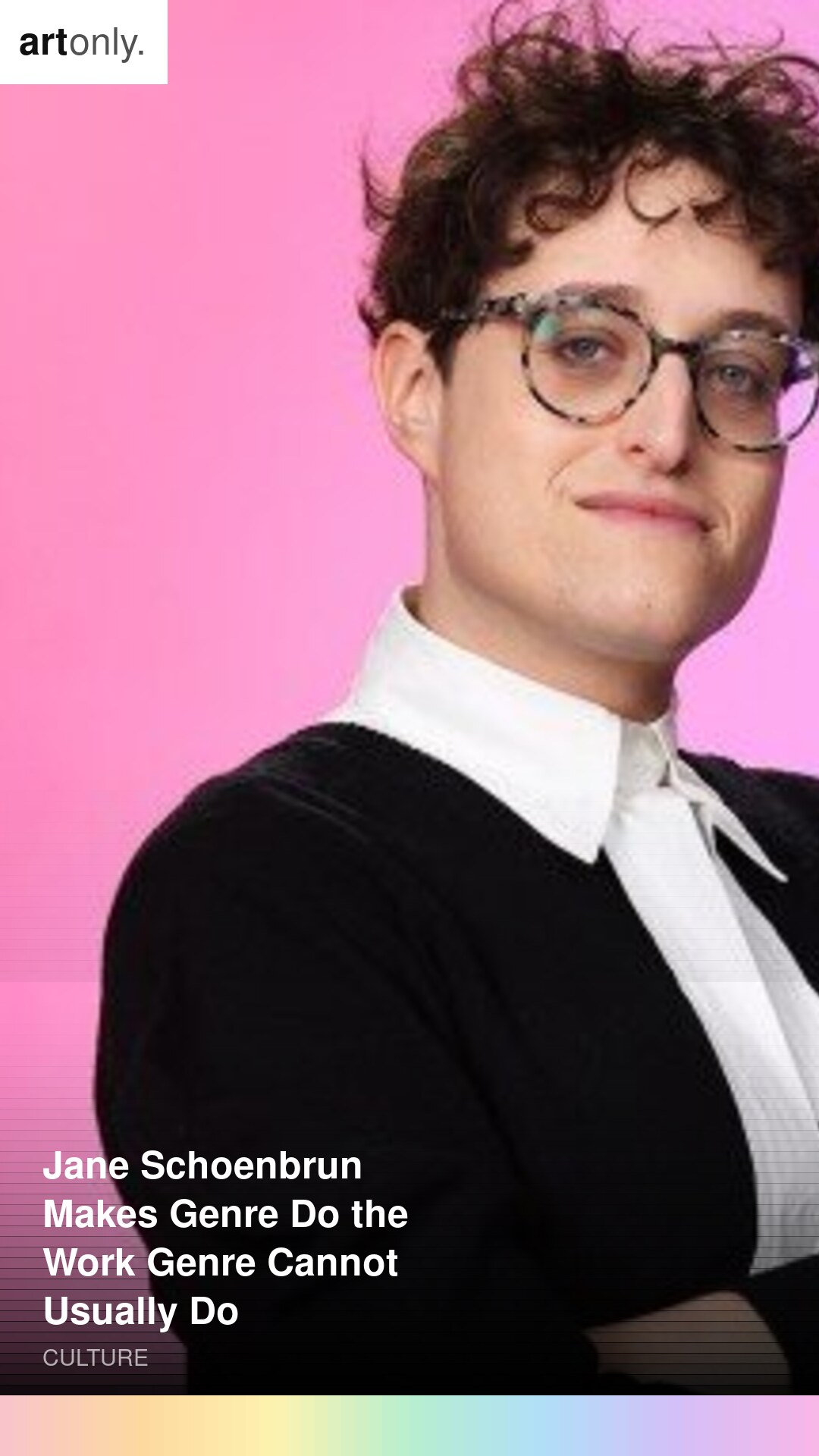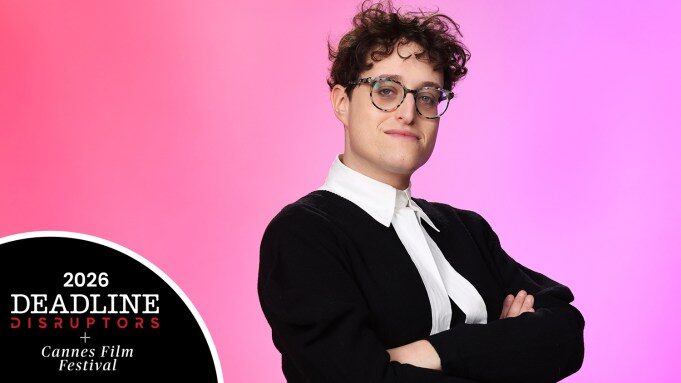
Schoenbrun's previous feature, "I Saw the TV Glow" (2024, A24), scored 86 on Metacritic and established them as one of the most formally interesting American directors working in genre. "Teenage Sex and Death at Camp Miasma" scored 91 on Metacritic based on reviews from 22 critics at Cannes. Those numbers measure critical consensus, not what the films are doing, which is harder to measure and more important to understand. Schoenbrun makes films about the psychic cost of living at a distance from your own experience. Three features, three increasingly larger institutional frameworks, one consistent subject.
What "Camp Miasma" Is About

The plot follows a queer filmmaker hired to direct a new installment of a long-running slasher franchise called Camp Miasma. The filmmaker becomes fixated on casting the reclusive actress who played the original final girl. As the two women begin working together, the dynamic spirals into psychosexual obsession.
Hannah Einbinder plays the filmmaker. Gillian Anderson plays the actress. The pairing is one of the film's structural arguments: Einbinder is known for "Hacks," in which she plays a writer working under a legacy performer. "Camp Miasma" inverts that comic dynamic and makes it horror. The roles are similar, the power dynamic is the same, and the outcome is completely different.
The screenplay originated from a Twitter poll in which Schoenbrun offered three project ideas and let followers choose. This is not an unusual origin story for a film, but it is a pointed one for a film about creative obsession. The fictional filmmaker is consumed by her fixation to the point of destruction. The person who chose what to make about obsession chose it by consulting the public.
Eric Yue and How the Film Looks

Eric Yue shot both "I Saw the TV Glow" and "Camp Miasma." In interviews about "I Saw the TV Glow," Yue described the collaboration as an attempt to make images they had never seen before, to find a visual language for gender dysphoria and dissociation that did not rely on existing representations.
The visual grammar they developed for "I Saw the TV Glow" carried into "Camp Miasma" with adjustments for the slasher genre. Slasher films have a specific visual vocabulary built from decades of convention: the point of view shot aligned with the killer, the isolation of the final girl, the theatrical use of shadow. "Camp Miasma" is a deconstruction of that vocabulary, which required Yue to work within the conventions well enough to break them legibly.
The film's setting adds formal complexity: "Camp Miasma" takes place partly inside the production of a film, which means the camera is often within the logic of filmmaking itself. The images of the film being made within the film become part of Yue's overall visual argument about what cinema shows and what it conceals.
The Queer Palm and Three Features

The Queer Palm is awarded at Cannes to films addressing LGBTQ themes in ways the jury considers significant. "Camp Miasma" won it. This matters less as a credential than as a record of how the film was received in the context of a major international festival.
Schoenbrun's debut feature, "We're All Going to the World's Fair" (2021), was distributed in the United States by Utopia. "I Saw the TV Glow" went to A24. "Camp Miasma" goes to Mubi. Each film has moved into a larger infrastructure without changing the underlying formal concerns.
Schoenbrun began writing "I Saw the TV Glow" three months after starting hormone replacement therapy. They have been explicit about the connection between their experience of trans identity and the films they make, while also being explicit that those films are not primarily about transitioning as a narrative arc. Both films are allegories, which is different from autobiography. The genre frame is not being used to reach a broader audience. It is the form the argument required.
What Mubi Means for This Film

Mubi operates a subscription streaming platform alongside theatrical distribution and tends toward films with more particular art cinema audiences than A24's broader base. The shift from A24 to Mubi is not a retreat. It is a different calculation about where this kind of film finds its audience over time, rather than at a single opening weekend.
The Cannes premiere and the August 7 US release date give "Camp Miasma" a longer runway than most films in this category. The film will have been discussed in Europe for nearly three months before American audiences see it theatrically. For Schoenbrun, whose films accumulate meaning from sustained engagement rather than opening weekend attention, this timeline is useful.
Schoenbrun is not building a genre career in the conventional sense. They are using genre as a framework that makes specific formal arguments available. The slasher film permits a controlled kind of dread, a set of known expectations that the filmmaker can satisfy or subvert. In "Camp Miasma," the choice between satisfaction and subversion is itself part of the film's subject. The film earned its 100% Rotten Tomatoes score at Cannes by doing something genre films rarely do: turning its own mechanics into its argument.