The North Wales Beginning

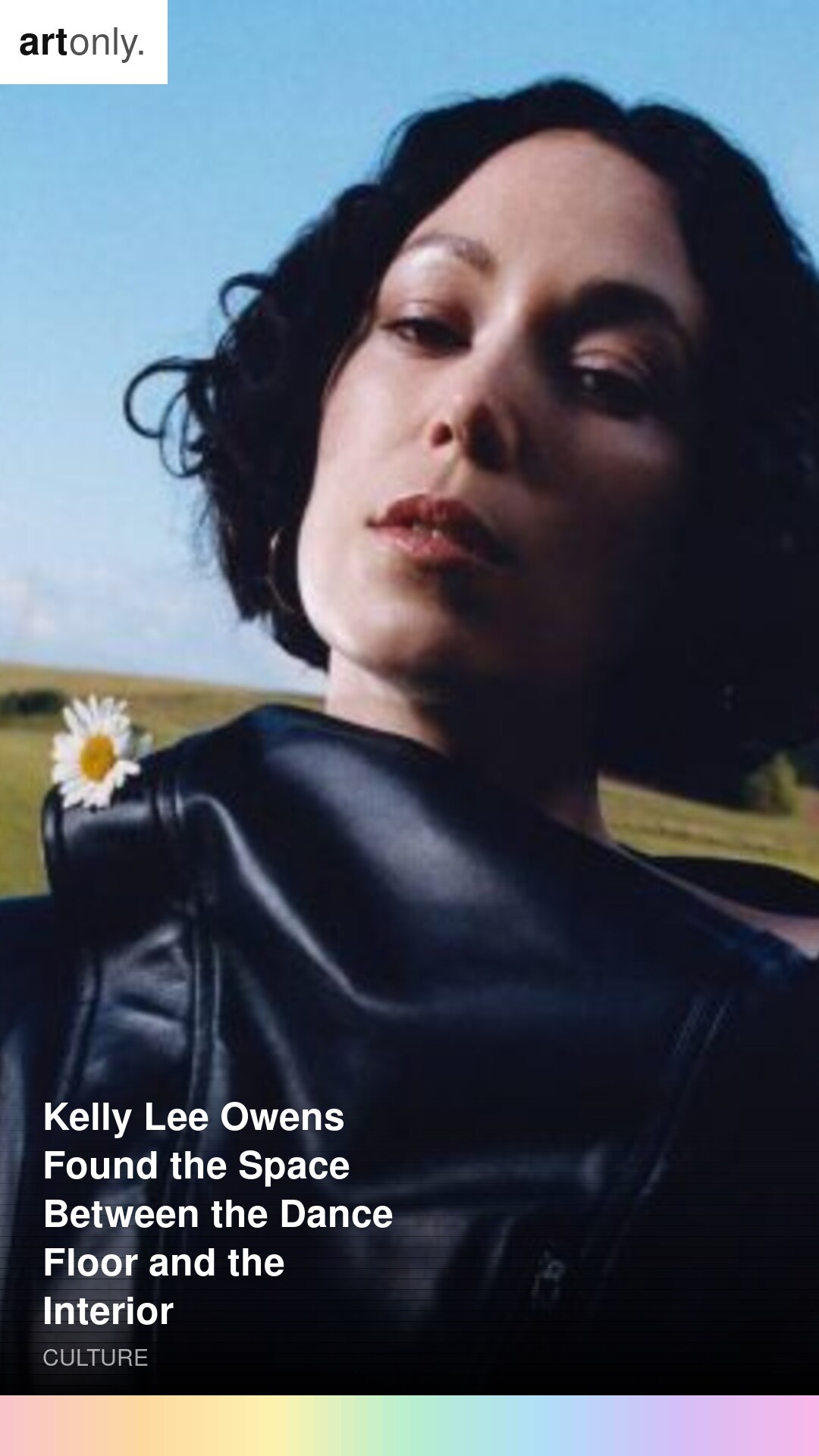
She grew up in Rhuddlan, a small town on the coast of North Wales, in the kind of environment that tends to produce either people who stay or people who leave and carry the place inside them permanently. Owens left. She moved through Bristol and eventually London, working as a nurse before music displaced everything else. The path to making records was not linear, and that circuitousness matters: she understands, in a way that more conventionally trained musicians sometimes do not, that music operates on the body before it operates on the mind.
Her debut album, the eponymous Kelly Lee Owens released in 2017, arrived as a confident statement from someone who had been thinking carefully about the relationship between techno's structural pleasures and pop music's emotional directness. The songs were not hybrids exactly, more like experiments in which two different logics were introduced to each other in a controlled environment. Critics praised it and electronic music audiences found it, but the reach was still defined by the world she had built it inside.
Inner Song and the Pandemic Interior

Inner Song, her 2020 album, arrived in the suspended time of the pandemic and gained its character partly from that context. It is a record about interiority, about what happens when the external world is suddenly inaccessible and the only territory available is the self. The album includes a cover of Joy Division's Rejoice, which she recorded alone and which became one of the most striking moments of her catalog. Owens's voice placed against Ian Curtis's words creates an unexpected gravity, a reminder that the emotional territory of British post punk and the emotional territory of electronic music were never as far apart as their aesthetics suggested.
LP.8, which followed in 2022, pushed further into abstraction, working through a set of structural experiments that satisfied critics without significantly widening her audience. It was the record of someone who knows exactly what she is doing technically and is still determining how much of that technical authority needs to be visible on the surface for listeners to feel it underneath.
Dreamstate and the Open Door

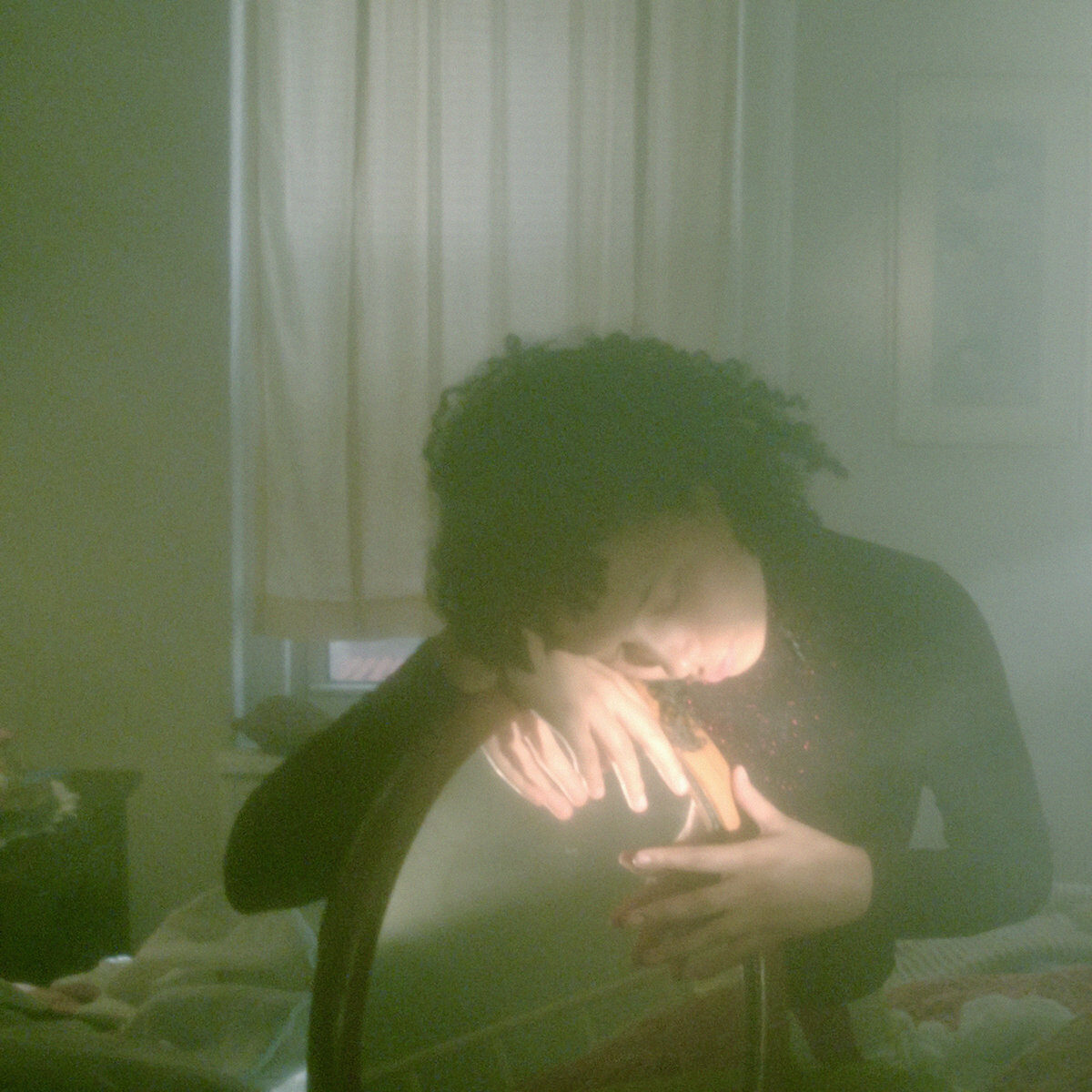
Dreamstate arrives as the clearest version of herself she has offered on record. Produced with George Daniel, who founded the dh2 label that released it, and with contributions from Tom Rowlands of The Chemical Brothers and the production duo Bicep, the album moves toward accessibility without abandoning the intelligence that has always defined her work. The house influences are more open here, the structures more inviting, but the emotional register remains serious. This is not pop music that has borrowed electronic form. It is electronic music that has decided to open its doors.
"Music, for me, has always been a direct door to get to a dreamstate," she said while discussing the record. That statement functions both as description and as manifesto. She is not making music about the dreamstate as a subject. She is making the door itself, building the threshold you cross to get there, which is a more difficult and more generous act.
What Wales Gave Her

The Welsh dimension of her work is not always legible to outside listeners, but it is always present. Wales exists at the edge of England culturally and geographically, a place with its own language, its own relationship to the landscape, and its own complex feelings about what it means to belong to Britain and to resist belonging to it simultaneously. Artists who grow up at that kind of edge often develop a particular capacity for occupying liminal spaces, for living between categories without resolving them into something simpler.
Owens occupies the liminal space between underground electronics and the mainstream, between personal emotional expression and the shared experience of the dance floor, between the private interiority that her album title references and the public release that electronic music promises. She has been navigating that position across four albums now, and Dreamstate suggests she has stopped treating it as a problem to solve and started treating it as the specific terrain she was built to cover.
Depeche Mode and the Lineage

Her touring relationship with Depeche Mode, which she described as feeling like being adopted by a family, is not incidental to understanding what she is doing. Depeche Mode occupy precisely the same liminal space she inhabits: they are electronic music artists who understood early that electronic music could carry the weight of the deepest personal feeling, that the machine was not a barrier to emotion but could be its most precise instrument. She belongs to that lineage not as a descendant who has softened it but as someone extending its argument into the present.
The electronic music landscape of 2024 was crowded with artists making dance music for algorithmic consumption, bright sounds designed to deliver brief pleasure and ask nothing further. Owens is building something different, a body of work that asks the listener to bring their whole self to the dance floor and trust that the music will meet them there. Dreamstate is the clearest proof yet that she can make good on that invitation, and it arrives at a moment when that kind of trust between artist and audience is rarer than it should be.