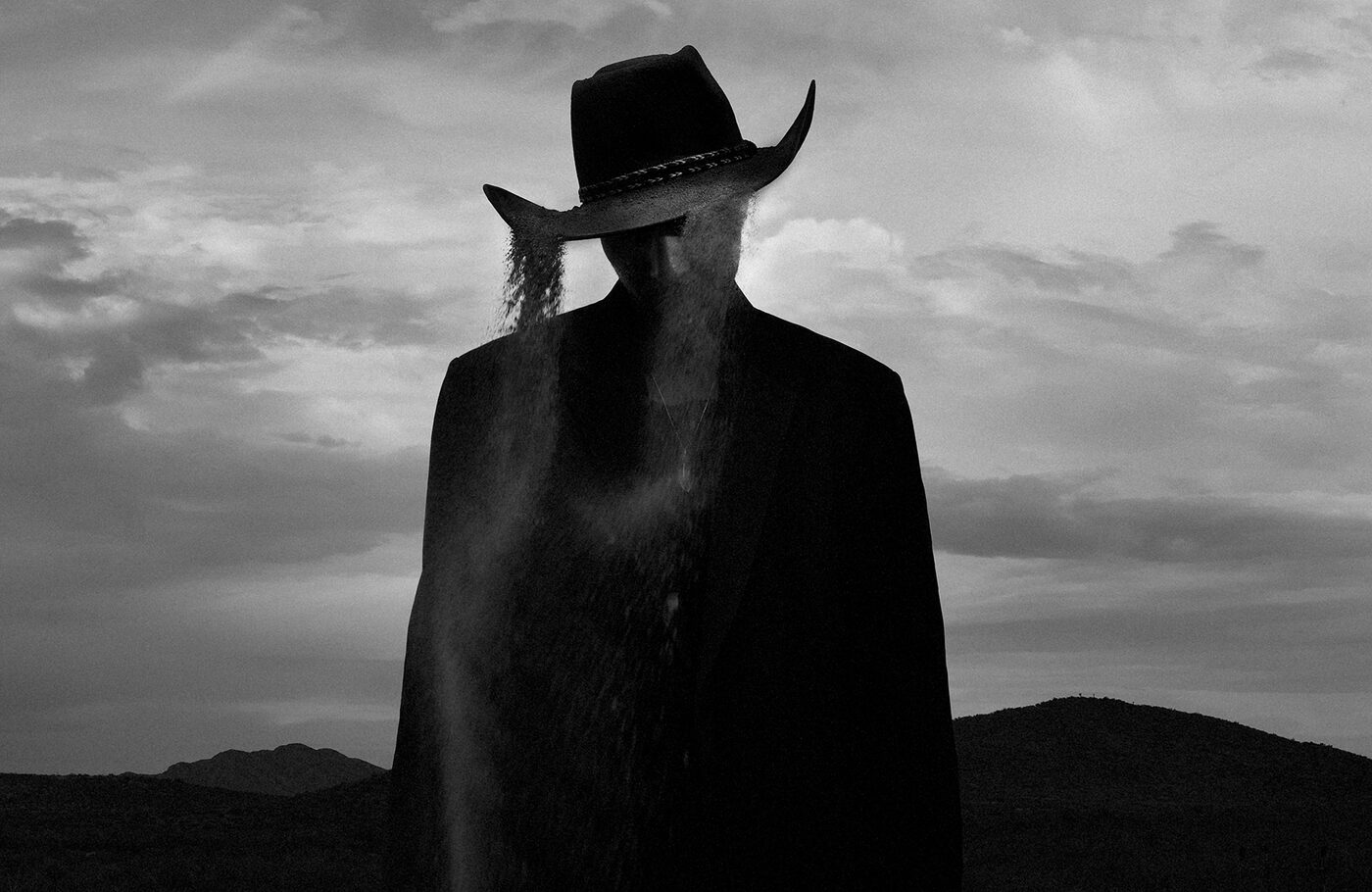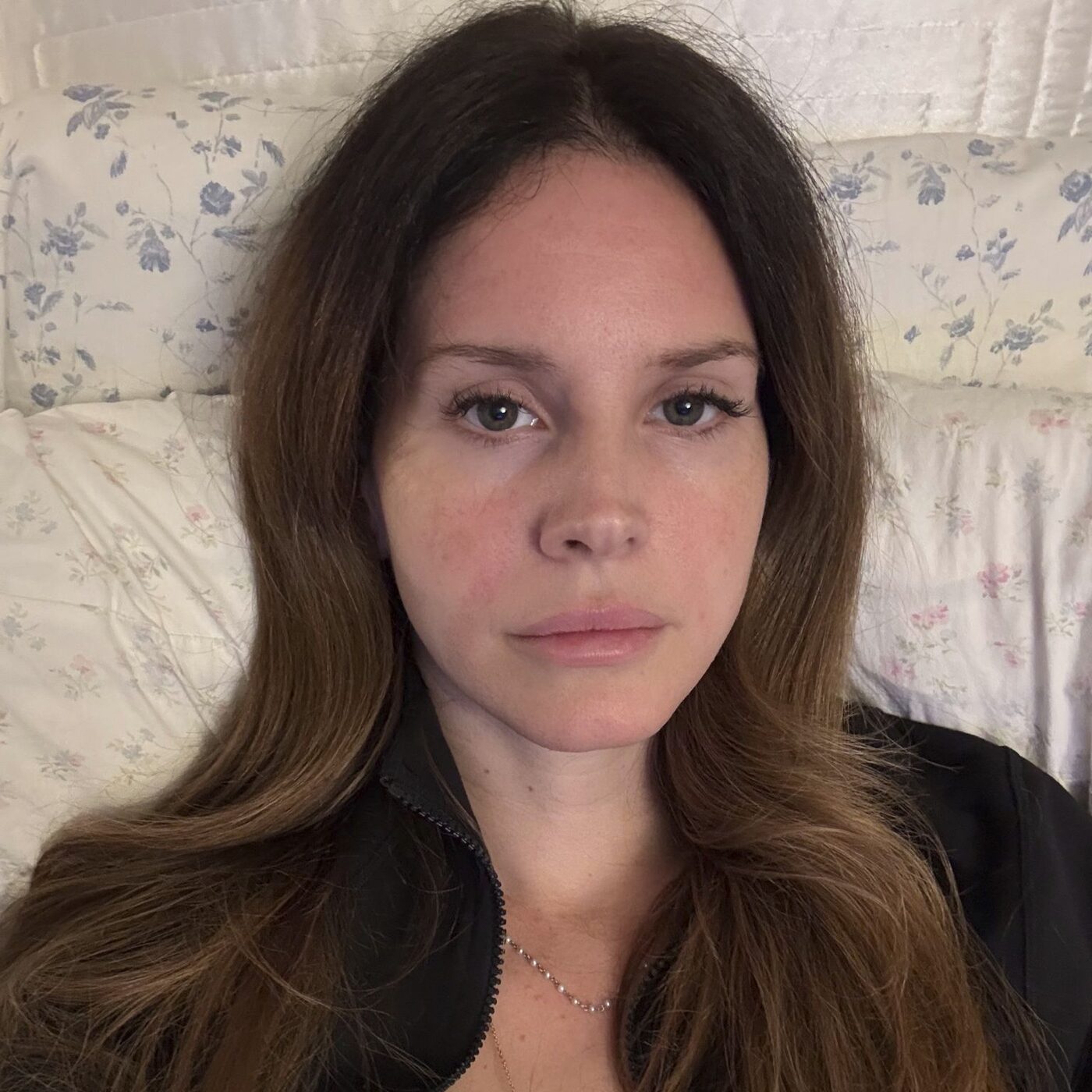
On February 17, 2026, Lana Del Rey released "White Feather Hawk Tail Deer Hunter," a song she told her Instagram followers was her favorite from her forthcoming tenth studio album, Stove. The track samples Ella Fitzgerald's 1945 recording of "Laura," threads Jack Antonoff and Drew Erickson's production around nearly whispered vocals, and arrives with the specific gravity of someone who has decided, for once, not to be heavy. That pivot is the most interesting thing she has done in years.
Del Rey was born Elizabeth Woolridge Grant in Manhattan on June 21, 1985. Born to Die, her major label debut, arrived on January 27, 2012, through Interscope and Polydor Records. It established the template immediately: lush orchestration, Americana signifiers stripped of their optimism, a voice that treated longing as landscape. The album peaked at number two on the Billboard 200 and reached number one in Australia and across Europe. It was influential from the first week and imitated almost immediately after, and Del Rey spent the decade that followed becoming the original of something that had already been copied everywhere.
Born to Die and the Template Problem
The albums that followed Born to Die each found new angles on the same essential question: how much beauty can coexist with melancholy before the whole thing becomes a caricature of itself. Norman Fucking Rockwell!, released August 30, 2019, and produced with Jack Antonoff and Rick Nowels, is the clearest answer. The songwriting turned plainspoken in ways the earlier work rarely allowed. "Hope is a dangerous thing for a woman like me to have" is not a metaphor. It is a statement.

The record received the best reviews of her career, a fact that seemed to matter to Del Rey in the way critical validation always matters to artists who claim not to care about it. It also confirmed something that had been building for years. Her actual instrument was not her voice but her relationship to Americana, to California, to the myth of American femininity, and to the gap between what those myths promise and what they deliver.
Did You Know That There's a Tunnel Under Ocean Blvd
March 24, 2023 brought her ninth album, Did You Know That There's a Tunnel Under Ocean Blvd. At 77 minutes, the project was so seriously intended that its ambition occasionally collapsed under its own weight. The tracks that worked, including the title track, "A&W," and "Grandfather please stand on the shoulders of my father while he's deep-sea fishing," were among the most formally unusual songs she had recorded. The album reached number one in Ireland, Australia, New Zealand, and the United Kingdom.
What Ocean Blvd made visible was a tension she had been negotiating since at least 2019. She was moving between elaboration and directness, and the album's most moving moments were its most stripped. Drew Erickson's arrangements in particular had a way of clearing space rather than filling it. That instinct toward subtraction pointed toward what Stove is now attempting.
Stove and the Decision to Start Over
Del Rey announced Stove after shelving The Right Person Will Stay, an album originally scheduled for release on May 21, 2025. The decision to restart after years of recording was not a commercial calculation. She described the situation plainly: the songs had become more autobiographical than she had expected, and the project needed more time. What began as 13 tracks expanded to a projected 19 before the title itself changed.
The country frame she has chosen for Stove makes more sense than any previous repositioning she has attempted. Her aesthetic was always Southern Gothic in its sensibility even when it was explicitly Californian in its imagery. "White Feather Hawk Tail Deer Hunter," written with her husband Jeremy Dufrene, her sister Chuck Grant, and Jason Pickens, sounds like a song that was always going to exist. The Southern Gothic undertow, the Fitzgerald sample, Antonoff and Erickson's restraint in production: everything in the track signals that the ornament is coming off, and what remains is a singer who has spent fourteen years building an aesthetic she was ready to leave behind.
The Fitzgerald Move
Sampling "Laura" was not a casual choice. Fitzgerald's recording of that song is associated with longing at its most idealized, a song about a woman who becomes more real in absence than in presence. Del Rey has spent her career working in the same territory, so placing herself literally inside that recording is either very confident or very strange. The track makes the case that it is both.
The song was produced by Jack Antonoff, who has worked with Del Rey since Norman Fucking Rockwell!, and Drew Erickson, the composer and arranger who has been central to her sound since Ocean Blvd. Erickson has a composer's ear for classical structure, and his work on strings and orchestral arrangements across the past three albums has been more significant than his credits typically suggest. His position as producer on the album's flagship single indicates that Stove is a project where arrangement is not decoration but argument.
What Stove Has to Get Right
An album of 19 tracks with a country flair, more autobiographical than anything Del Rey has released before, and longer in development than any of her previous projects carries specific expectations at this point in her career. She has now made enough major records that the critical frame for each new one is comparison to the others. Is this better than Norman Fucking Rockwell!? Is it as formally ambitious as Ocean Blvd? "White Feather Hawk Tail Deer Hunter" does not fully answer those questions, but it establishes something important. The song is not reaching. It sounds like an artist who already knows where she is going, and who made the album twice because the first version was not honest enough to get there.