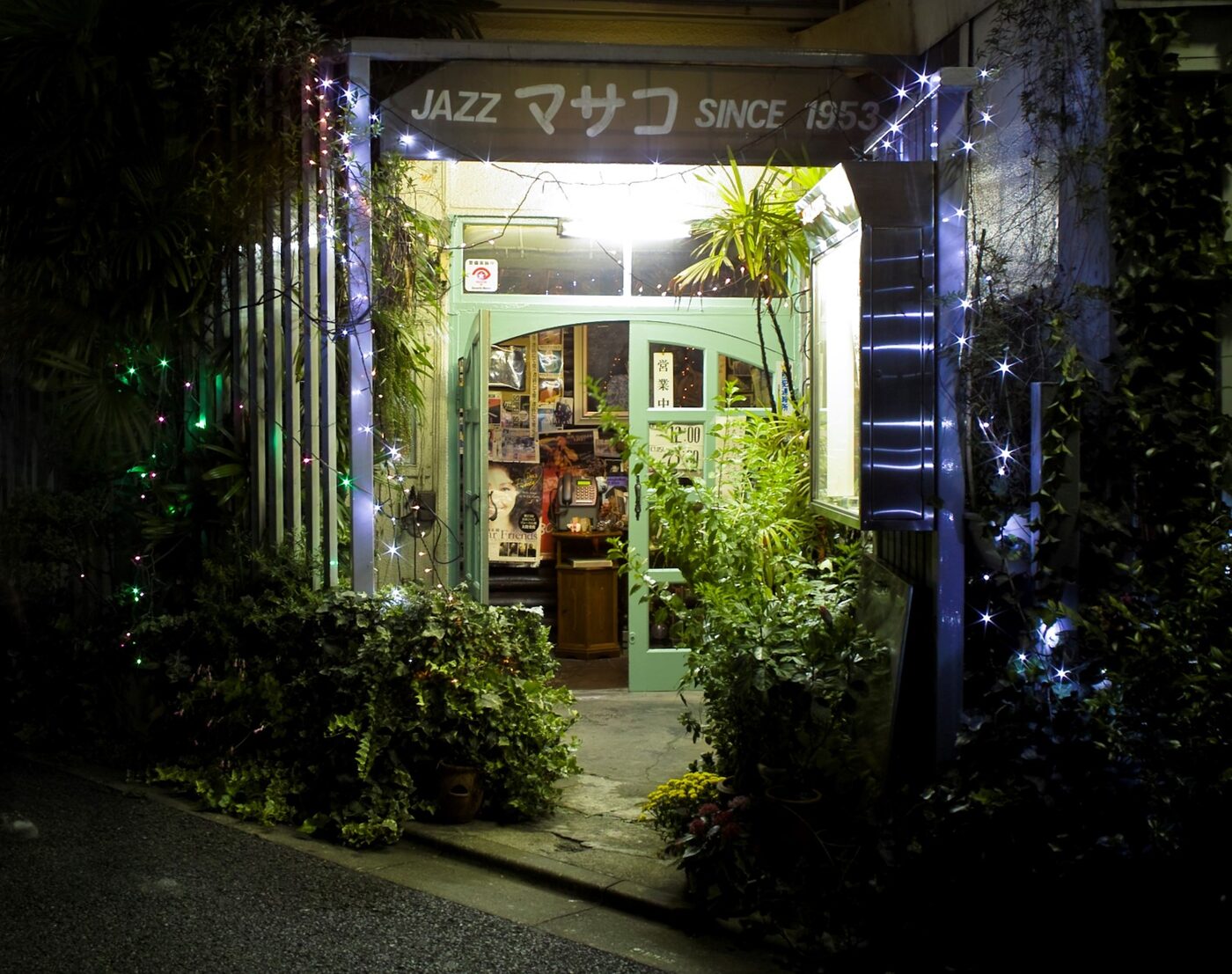
In 2025 and into 2026, the listening bar has gone global. Not as a novelty, not as a theme night, but as a permanent fixture in how a younger generation is choosing to spend its evenings, its money, and its attention. From Peckham to Lagos, from Mexico City to Seoul, rooms built specifically for focused, communal listening are opening at a pace that would have seemed improbable five years ago.
What a Listening Bar Actually Is
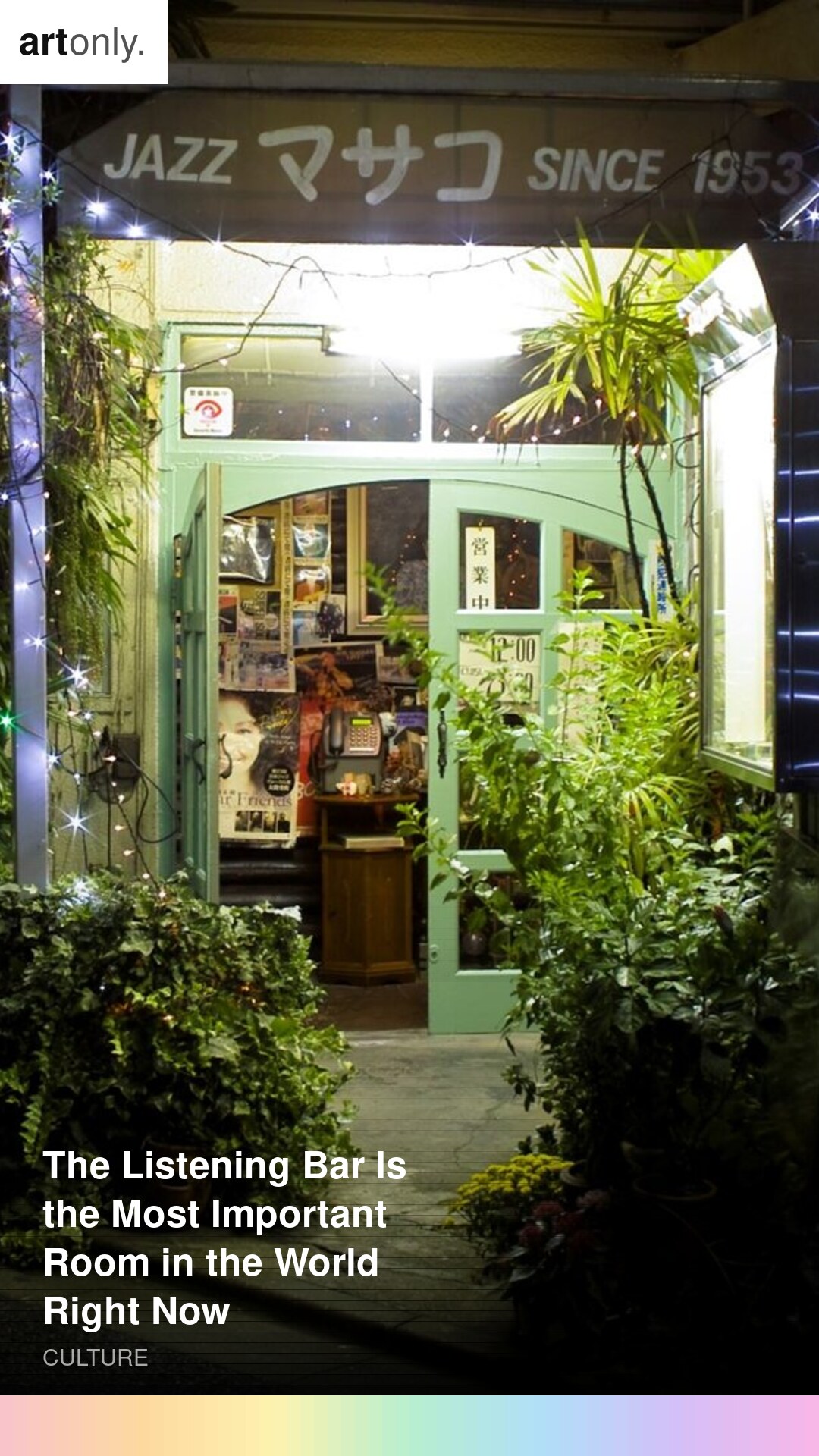
The Japanese kissaten model is specific. A listening bar is not a club. It is not a bar with music in the background. It is a space where the music is the purpose, where the sound system is considered furniture and the records are the program. The DJ, if there is one, curates rather than performs. Volume is high but conversation is low. Attention is the price of admission.
The oldest of these spaces in Tokyo, places like Bar Martha in Koenji or Jazz喫茶 Naru in Osaka, have been running for decades. They are small, often cramped, always intimate. The aesthetic tends toward analog warmth: thick wood, warm light, walls of sleeves. The sound system is typically vintage, cared for with the precision of an instrument.
What has happened in 2025 is that this model has been absorbed, adapted, and replanted by a generation that grew up with music as background noise and has decided, collectively, that this is not enough.
The Cities Leading the Shift
London has been the most visible site of this transformation. Corsica Studios in Elephant and Castle began hosting dedicated listening sessions in 2023, but by 2025 the format had spread to smaller venues with no club infrastructure at all. Spaces in Dalston, Hackney Wick, and Brixton have converted former studios and workshop rooms into listening rooms, often running only a few nights a week, always at capacity.
The programming at these spaces skews toward what algorithms struggle to serve: extended ambient works, rare soul pressings, free jazz, second-generation electronic music from Eastern Europe and West Africa. The sets run long. The transitions are slow. There is no pressure to dance, no pressure to perform for a crowd. The experience is surprisingly close to what a concert hall offers, without the formality or the ticket price.
In New York, the listening bar scene has taken root in Brooklyn and parts of Queens. Slowly but clearly, venues like those along the Morgan Avenue corridor have shifted their weekend programming toward what promoters are simply calling listening nights. The Nowadays backroom has hosted dedicated hi-fi sets since late 2024. The format spreads through word of mouth, which is itself part of the appeal. It feels discovered, not marketed.
Lagos is perhaps the most interesting case. In Lekki and Victoria Island, a handful of rooms have opened that blend the kissaten model with Nigerian audiophile culture, specifically the tradition of sound system appreciation that runs through Afrobeats and its predecessors. These spaces play everything from classic Fela Kuti pressings to contemporary Afro-soul to ambient electronic, and they draw a crowd that is young, well-dressed, and genuinely attentive. The listening bar in Lagos is not imported nostalgia. It is something new.
Why Now
The timing is not accidental. The listening bar emerges from a specific cultural exhaustion. Streaming has made music omnipresent and, for many, weightless. The algorithmic recommendation engine is efficient and impersonal. It delivers music faster than any human can curate and with none of the meaning that curation carries. When everything is available, nothing is selected.
The listening bar is, among other things, a rejection of this condition. It insists on selection, on sequence, on the physical fact of a particular pressing on a particular system in a particular room. The record sleeve is visible. The needle drops with ceremony. The room hears it together.
There is also a generational dimension that is worth naming directly. The people filling these rooms are not primarily the forty-somethings who grew up with physical media and feel its absence. They are often people in their twenties who have known only digital music and who are encountering the listening bar as something genuinely strange and genuinely appealing. For them, it is not nostalgia. It is discovery.
Therapists and cultural critics have both noted the way passive, screen-based entertainment has restructured attention spans, and there is something in the listening bar that addresses this directly. It demands the same kind of sustained focus that reading a novel demands. You sit with the music. You do not scroll while you listen. The room makes this possible by making it social, by surrounding you with other people doing the same thing.
The Sound System as Artwork
One of the most interesting developments within this global moment is the way the sound system itself has become a site of cultural investment and aesthetic attention. Sound engineers and hi-fi specialists who once worked primarily for recording studios are now being commissioned to build custom systems for listening rooms. The results are objects of real beauty.
In some spaces, the speaker cabinets are hand-built by craftspeople. In others, vintage components are sourced, restored, and reconfigured. The turntables in the better listening rooms are not consumer products. They are, in the most literal sense, instruments, calibrated and maintained with the care that a concert grand piano receives.
This investment changes the listening experience in ways that are hard to describe to someone who has not encountered it. The spatial quality of a well-designed system in a properly tuned room is not merely louder or clearer than a Bluetooth speaker. It is dimensional in a way that changes how the music is perceived. Instruments appear to occupy specific positions in space. The room seems to breathe with the recording. It is, for many people hearing it for the first time, genuinely surprising.
What It Means for Music Culture
The listening bar has implications that reach beyond the rooms themselves. It is changing what gets played in public, and therefore what gets heard, and therefore, slowly, what gets made.
Producers and artists who visit these spaces consistently note how differently their work sounds on a high-quality system versus the streaming-optimized compressed format in which most music is now released. Some are rethinking their mastering decisions. Some are releasing specific listening editions, higher-resolution files meant for exactly these kinds of spaces.
Labels focused on sound quality, including a number of smaller jazz and electronic imprints in Europe and Japan, have reported increased vinyl sales driven specifically by the listening bar circuit. Records are being bought for these rooms, played in these rooms, and then sought out by the people who heard them there. The listening bar functions as a kind of curated discovery engine that operates entirely outside the digital recommendation stack.
This matters because the recommendation stack has become, over the past decade, the primary way that music reaches new ears. Anything the algorithm does not favor tends to disappear, not because it is bad but because it is not optimized for a two-second attention window. The listening bar creates a different kind of exposure, one that is slow, deliberate, and rooted in the physical and social experience of sound.
A Room That Asks Something of You
There is a line attributed to the late jazz producer Manfred Eicher, founder of ECM Records, that music is a gift from somewhere beyond us, and that the least we can do is pay attention. The listening bar is built around exactly this idea.
In a cultural moment defined by abundance and distraction, a room that asks you to sit down and listen, really listen, without your phone and without your conversation, turns out to be offering something rare. Not escape. Presence.
The kissaten has been here for decades, patient and quiet, playing its records to whoever walked in. The world has finally walked in.