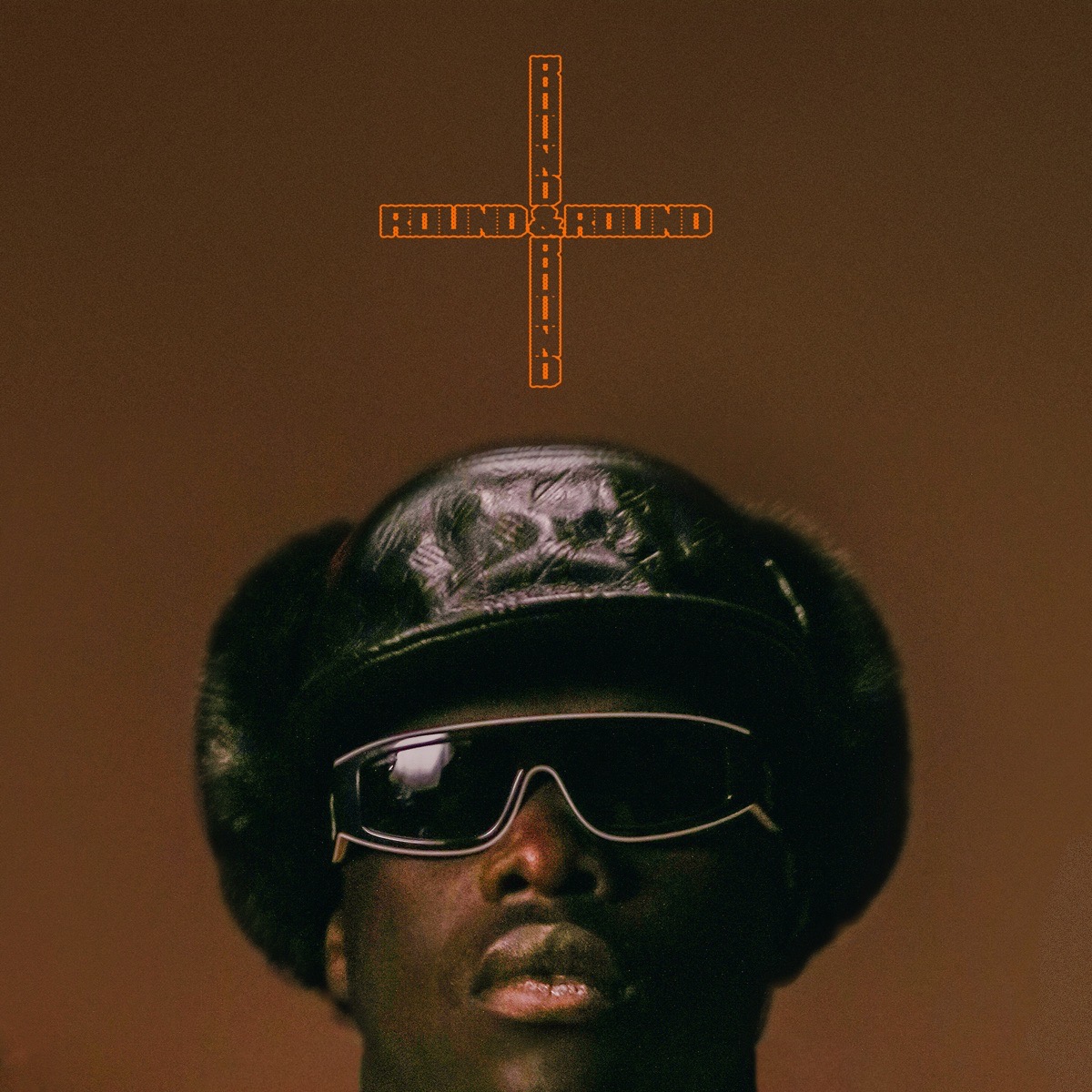
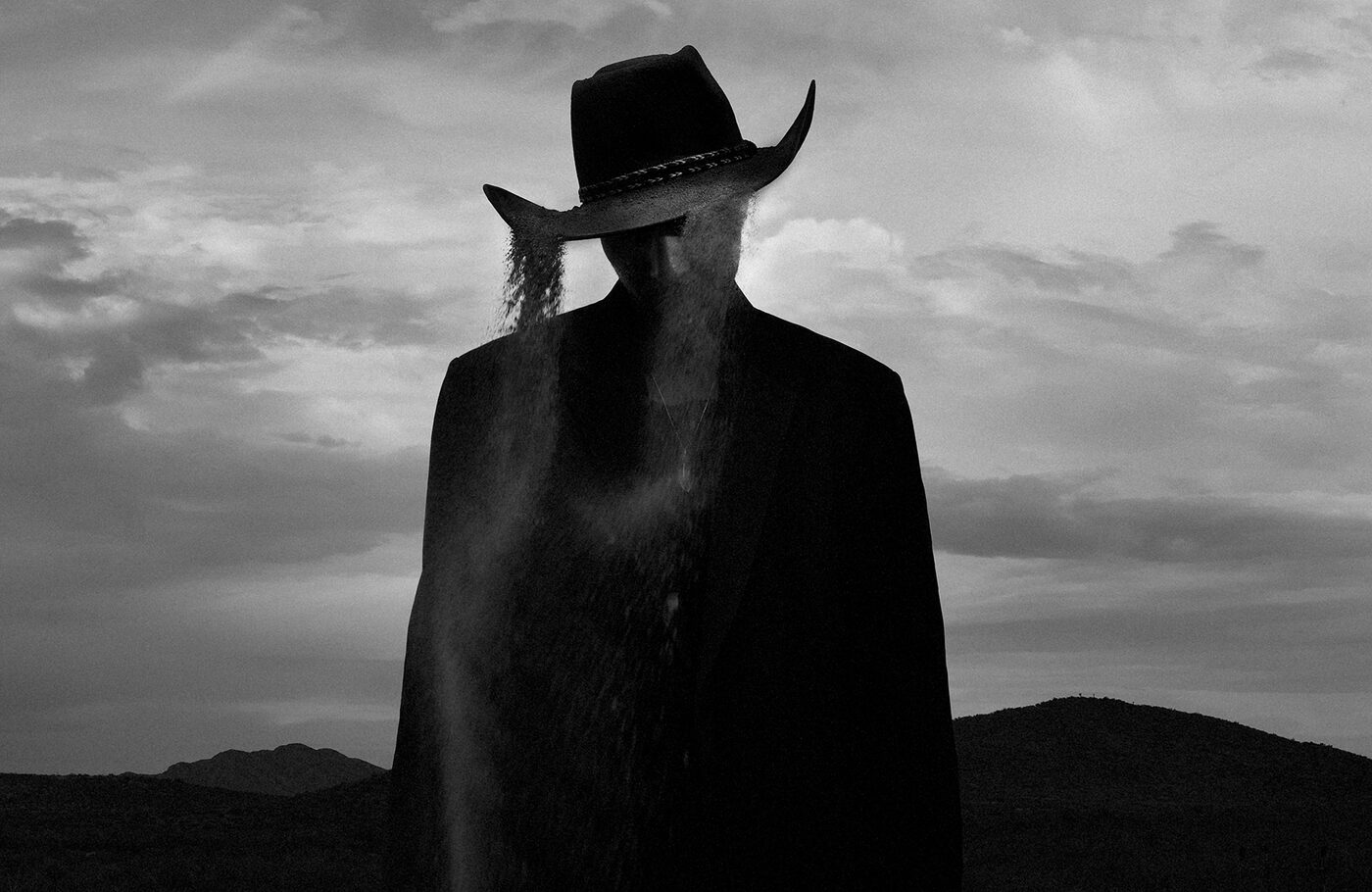
Mamas Gun have spent fifteen years building one of the most quietly remarkable catalogs in British soul. Seven albums in, frontman Andy Platts and his band show no signs of settling. Their latest, DIG!, is a record that earns its title: warm, deliberate, patient, and captured to tape. We talked to Platts about what that choice costs and what it gives back, the unexpected friendship with Brian Jackson, and why the closing track nearly did not exist at all.
On Tape and Why It Changes Everything
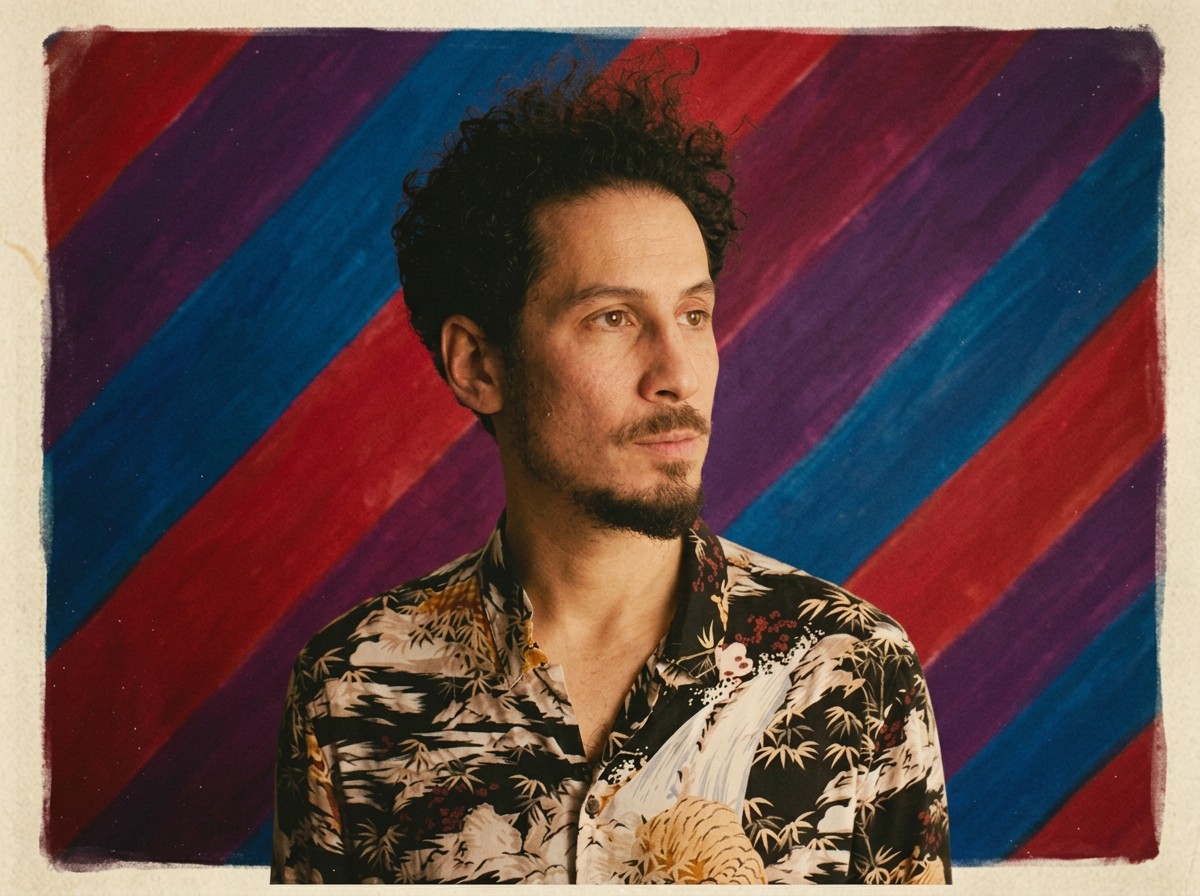
The band committed to recording DIG! to tape. What does that do to how musicians actually perform?
Tape has a magical quality. It makes musicians raise their game. When everyone in the room knows there is no undo button, no going back to tidy things up later, the focus changes. People are more present. You hear it in the performances. Space becomes a character of its own, something you choose rather than something you fill by default.
Is there a moment on the record where tape really earned its keep?
"Living on Mercy" is probably the clearest example. The sonic characteristics of tape just served that track in a way that nothing else would have. There is a warmth and a depth in the low end, a natural compression in the transients, that you cannot manufacture in a plugin. It is either in the room or it is not.
Brian Jackson
How did the collaboration with Brian Jackson come about?
I first met Brian in 2006. We stayed in touch loosely over the years. When we were putting DIG! together, our drummer Chris Boot was the one who suggested reconnecting. It felt right immediately. Brian is an extraordinary human being, and what he brought to the sessions was something none of us could have planned for.
What did he add specifically?
Flute melody and additional vocal presence. His contribution threads through the record like a second voice underneath everything. Anyone who grew up listening to Gil Scott-Heron knows Brian's playing. Having that sensibility in the room, that lineage, informed the whole session in ways that are hard to articulate precisely.
Restraint as a Practice
DIG! is notable for what it refuses to do. How do you think about restraint as a production decision?
Restraint for me is about not looking like you are trying too hard. It is patience. It is breathing room. If you crowd a great song, you lose it. The temptation in any studio environment is to fill every silence, to keep adding layers until the arrangement feels safe and full. But safe and full is not always where the feeling lives. Sometimes the feeling lives in what you left out.
Does that restraint come naturally, or is it something you have to fight for?
You fight for it every time. There is always a voice suggesting another part, another texture. The discipline is in trusting the song to carry itself.
Two Eras
Looking back across seven albums, how do you understand the band's arc?
There are really two eras for me. The first three albums carry a restlessness. We were still figuring out what we were, what sound we were after. Albums three through six represent something more settled: a definitive lineup, a refined process, and the ability to self-produce with real creative control.
What changed when you took on that control?
Everything. When you can walk into a room and make decisions without having to justify every single one to an outside producer, the music opens up. You move faster. You trust your instincts more. DIG! is the fullest expression of that second era.
Where Mamas Gun Sits Now
Where do you think the band sits in the broader landscape of soul music today?
The depth and pedigree of the songwriting. That is the honest answer. I do not hear that combination often in contemporary soul, and I mean that with full respect to everyone making music right now. It is simply a different set of priorities.
How do you navigate the line between honoring the tradition and making something original?
The homage is in using the language, the tonal vocabulary and rhythmic sensibility of soul music. The originality lives in the lyrics, in harmonic choices that do not resolve where you expect them to, in structures that follow the feeling rather than the format. We are not recreating anything. We are trying to make something that feels true.
Studio Versus Stage
How do you think about the difference between recording and performing live?
In the studio you are building an artefact, something permanent. Live, the music is ephemeral. Gone the moment it ends. Both require the band moving as one intentional unit. That is the constant. Whether the sound is being captured to tape or disappearing into a room full of people, it has to be real.
"Joy" and the Near Miss
The closing track "Joy" is one of the most affecting moments on the record. How did it come together?
It nearly did not make it. Up until the week before recording, it existed only as a voice memo on my iPhone. I had the seed of it but had not committed it to the band. It only became real in that final week before we went into the studio. I am glad it survived. As a closing statement it felt necessary.
2026 and What Comes Next
What does the rest of the year look like for Mamas Gun?
Scandinavia for the first time, which I am genuinely excited about. Southeast Asia continues. America is ongoing. South America is starting to come into focus as a real prospect.
What have you been listening to lately?
The Greyhounds out of Texas. Their live record "Live on 29th Street Vol 4" is extraordinary. And The Heaters, a band from San Francisco. There is a Donny Hathaway feeling to what they do that stops me every time.
What drives you to keep making records at this point?
Making records means more than it ever has to me. Songwriting is the best therapy I know. I would not trade it.