From Chewing Gum to Something Harder

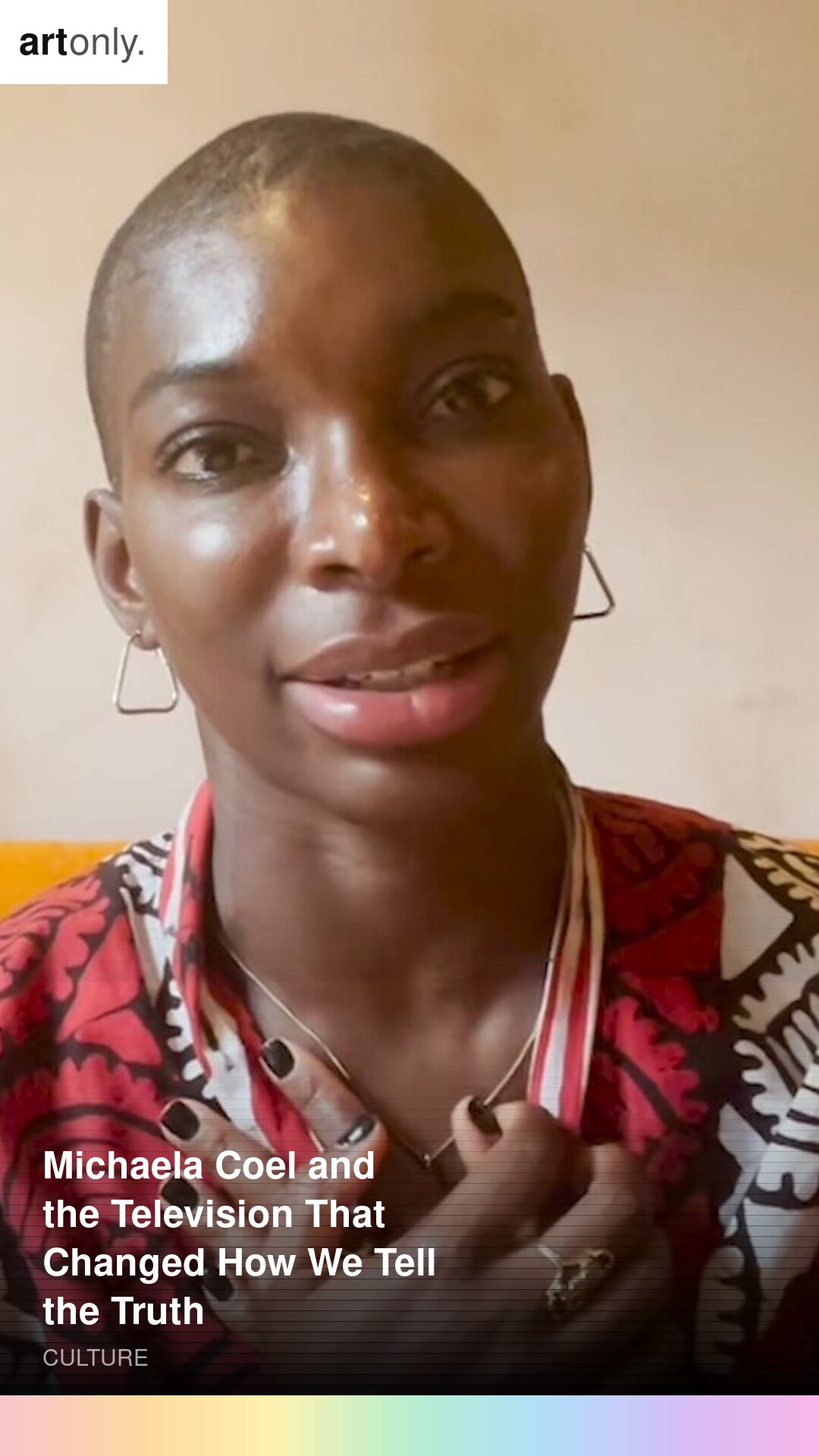
Michaela Ewuraba Boakye-Collinson was born in East London in 1987 to Ghanaian parents and grew up in the Thamesmead and Tower Hamlets areas. She trained at the Guildhall School of Music and Drama and arrived in the public consciousness through Chewing Gum, a comedy she created and starred in for Channel 4 beginning in 2015. The show, based on her solo stage show Chewing Gum Dreams, was set on a housing estate and centered on a young woman navigating faith, sexuality, and ambition with a combination of ferocity and bewilderment. It won a BAFTA for Best Scripted Comedy.
Chewing Gum established Coel as a writer of uncommon talent: specific in her observation, unafraid of tonal complexity, and capable of building genuine comedy from material that might have seemed too raw or too close for laughter. But it was I May Destroy You that revealed the full scope of what she could do, and the conditions under which she chose to do it.
The Making of I May Destroy You

In 2018, Coel disclosed publicly that she had been drugged and sexually assaulted by two men while working late on the writing of Chewing Gum. The experience became the origin of I May Destroy You. But to describe the series as autobiographical is to miss the point of what Coel did with that material. She did not transcribe her experience. She transformed it into an investigation of how survivors navigate memory, community, identity, and the pressure to respond to trauma in ways that make other people comfortable rather than truthful.
The series stars Coel as Arabella, a young writer who becomes a minor internet celebrity and then struggles to reclaim her sense of self after being spiked and assaulted at a party. The narrative follows Arabella over the course of a year as she pieces together what happened, what it means, and what she intends to do about it. The show refuses the clean arcs that would make it easier to watch. It insists on complexity where convention demands resolution, and on uncertainty where audiences might prefer closure.
The Collaboration with Sam Miller

Coel directed the series alongside Sam Miller, a British director whose credits include Luther, Fortitude, and Luke Cage. Miller brought a visual sensibility that matched the writing's combination of formal control and emotional rawness. The partnership was productive precisely because both collaborators were willing to let the material determine the form rather than imposing a pre-existing aesthetic on a story that needed to find its own shape.
Miller won a BAFTA for his directing on the series. Coel won multiple awards including the Emmy for Outstanding Writing for a Limited or Anthology Series or Movie, becoming the first Black woman to win in that category. The awards confirmed what viewers and critics had already established through their response to the work: that I May Destroy You was not simply an exceptional television drama but a work that had changed what television drama could be and what it was allowed to ask.
Language, Form, and Refusal

What distinguishes I May Destroy You from other television dramas about trauma is its formal intelligence. The series does not use the grammar of prestige television, with its slow reveals and cathartic resolutions, to tell a story about an experience that does not resolve. Instead it makes formal choices that embody the experience itself: time that is not quite linear, memory that is not quite certain, comic intrusions into scenes of horror, moments of grace that arrive without warning and depart just as quickly.
Coel wrote all twelve episodes herself. This level of authorial control is unusual in television, where writing is typically a collaborative and institutional process. The result is a series with an internal consistency of voice and vision that institutional writing rarely achieves. Every episode sounds like it was produced by the same intelligence, even as the tones shift from comedy to horror to tenderness to political anger and back again within a single scene.
The Argument the Series Makes

I May Destroy You arrived in the middle of a global conversation about sexual violence, consent, and accountability that had been accelerating since 2017. The series engaged with that conversation on its own terms, which were more demanding than the terms the conversation usually set for itself. It did not offer survivors a flattering mirror. It did not reassure audiences that the system would eventually deliver justice. It showed, instead, how people actually live inside these experiences: imperfectly, sometimes irresponsibly, always in relationship with others who are also imperfect.
The series asks difficult questions about consent, about the nature of harm, about the difference between justice and healing, and it does not answer them neatly. This refusal of easy answers is not evasion. It is the show's deepest form of honesty. Michaela Coel made something that required courage to watch because it required even more courage to make, and that demands the audience bring something to the experience rather than simply receiving it. In a television landscape built on comfort, that is a radical position. It has held, and it will continue to hold.