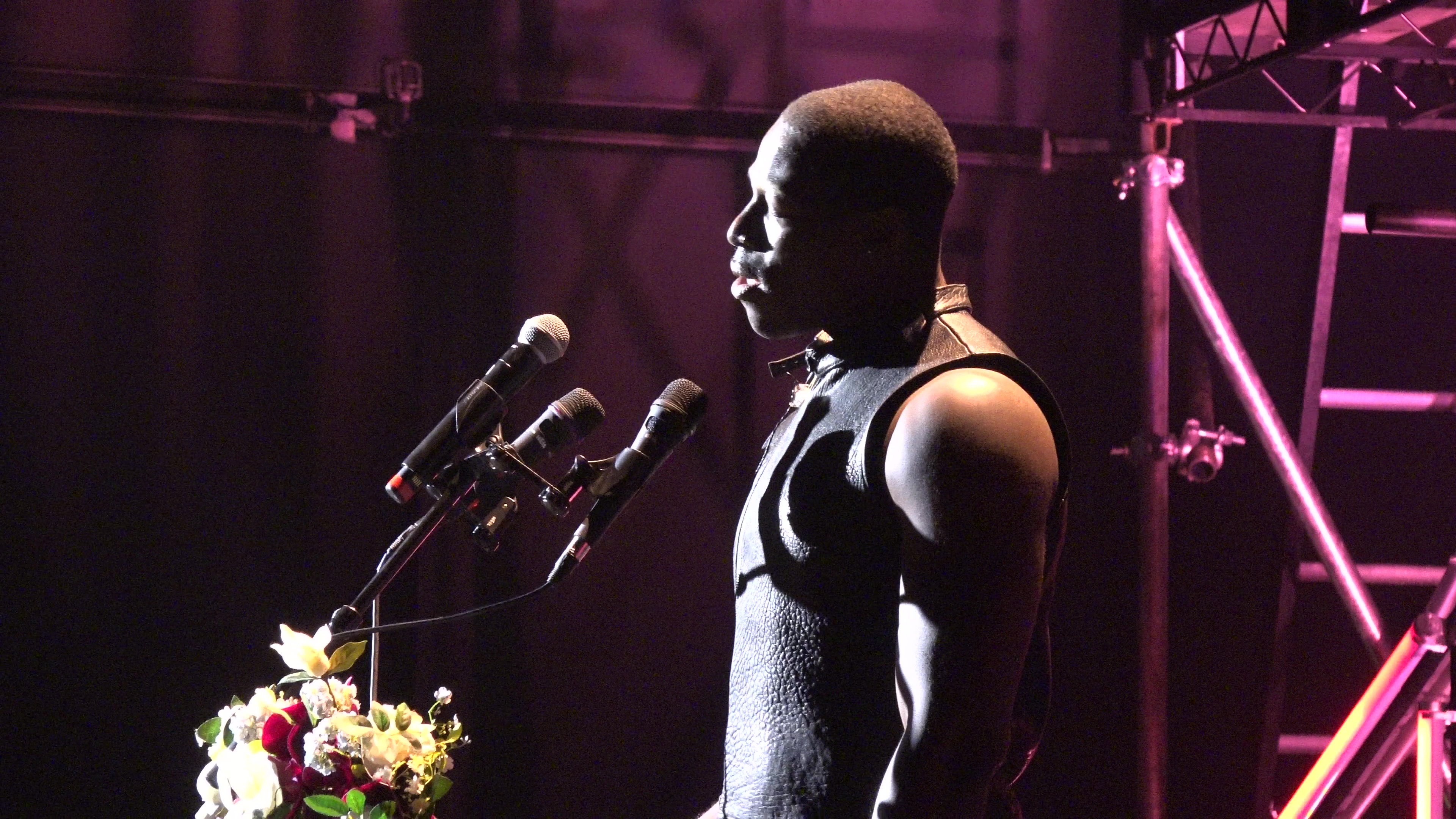
The Courtyard Returns
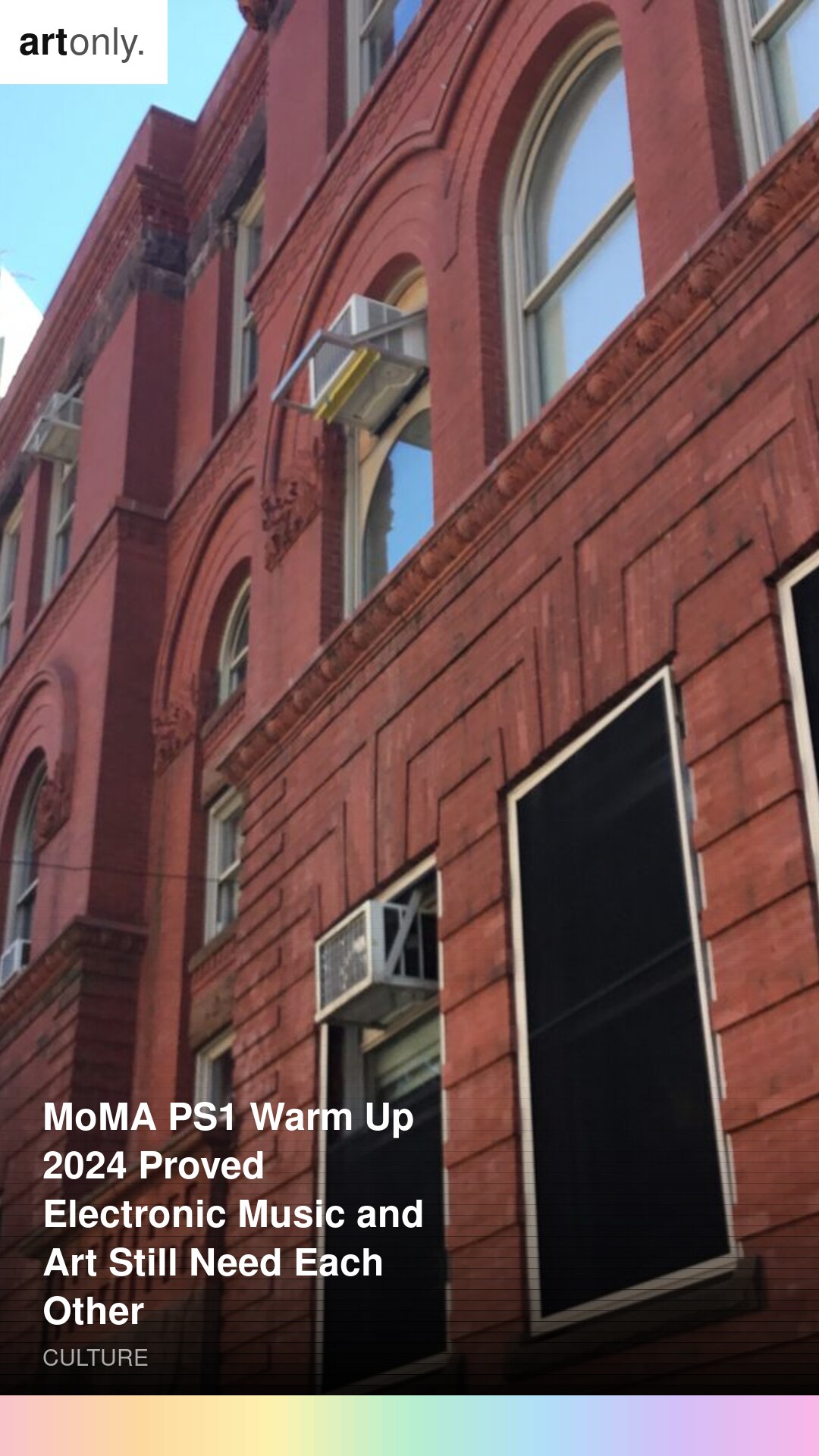
MoMA PS1's Warm Up series has been staging the collision between contemporary art and electronic music since 1997, and the 2024 edition demonstrated why this particular combination remains vital. The Long Island City courtyard, transformed each summer into an open-air venue surrounded by the museum's architecture, provides a context for hearing music that no nightclub or festival can replicate. The building itself is part of the instrument. The exposed brick, the overhead sky, the knowledge that you are standing inside a former public school that became one of the most important contemporary art spaces in the Western hemisphere, all of this enters the listening experience whether you invite it to or not.
Warm Up does not try to be a festival. This is its central curatorial intelligence. It runs on Saturday afternoons, ending at nine in the evening, a schedule that makes it accessible in ways that a midnight club set cannot be. It costs less than most concerts. It happens across multiple weeks, meaning the curatorial logic accumulates across a summer rather than resolving in a single night. The format is a position. It says that electronic music deserves the same sustained seasonal attention that a museum devotes to a painting exhibition.
Art Context Changes Everything
There is something fundamentally different about experiencing electronic music within an art institution. The framing matters. When a DJ performs in a space surrounded by contemporary art, the music is implicitly positioned as a cultural practice worthy of institutional attention. This is not mere pretension. Electronic music has historically struggled for the kind of critical and curatorial recognition afforded to other art forms, and spaces like PS1 have been crucial in bridging that gap.
The argument is not that all electronic music is high art or that the distinction between high and low culture is worth preserving. The argument is simpler and more useful. Context sharpens attention. When you hear music in a space that asks you to think carefully, you tend to think more carefully. The architecture of seriousness is also an architecture of listening. PS1 makes you a better audience for the music it programs, not because the music needs improvement but because the environment activates capacities that a crowded club at 2am does not.
The 2024 Programming
The curation leaned into the global and the experimental, featuring artists who operated at the boundaries of club music rather than its commercial center. Sets moved between ambient, industrial, experimental bass music, and dancefloor-oriented house and techno with a fluidity that reflected the curatorial philosophy. This was not a festival lineup designed to maximize ticket sales. It was a program designed to argue that electronic music is an art form with as much range and depth as anything hanging on the museum's walls.
The geographical scope of the 2024 programming was notable. Warm Up has never been a New York-centric series, and this edition continued the tradition of bringing in artists whose work emerges from scenes that American audiences rarely encounter through mainstream channels. The difference between hearing this music at PS1 and discovering it through an algorithm is the difference between curation and recommendation. Curation implies a position. It says this matters and here is why it connects to everything else we have presented this summer. Recommendation says users who liked this also liked that. These are not equivalent acts of cultural transmission.
What the Installations Do
Warm Up does not separate the music program from PS1's exhibition spaces. The museum remains open during the series, and the relationship between what is happening in the courtyard and what is hanging on the walls is part of the experience the institution is constructing. In 2024, the indoor exhibitions included work that engaged directly with sound, technology, and the politics of public space, which meant that moving between the galleries and the courtyard felt like moving between chapters of a single argument rather than between two unrelated programs.
This integration is rarer than it should be. Most institutions that present music treat it as an amenity, a way to draw audiences who might not otherwise visit. PS1 treats the music program as curatorial content with the same seriousness it applies to its visual art exhibitions. The result is a different kind of attention from both the institution and its audience.
The Social Dimension
Warm Up has always functioned as a social space as much as a musical one. The New York art world, the music world, and the broader creative community converge in the courtyard in a way that feels increasingly rare in a city where cultural spaces are disappearing at an alarming rate. The series provides a weekly gathering point that resists the atomization of cultural life into private streaming experiences.
The crowd at Warm Up is not a niche crowd. It is not exclusively young, not exclusively art world adjacent, not exclusively anything. The series draws people across communities in a way that reflects PS1's commitment to the borough it sits in. Long Island City is not Manhattan. The institution's decision to remain in Queens, to build its programming in relation to that geography, shapes what Warm Up is and who shows up for it.
Why It Matters
In an era when most cultural programming is designed for algorithmic optimization, Warm Up's continued existence feels almost radical. It is slow, physical, communal, and resistant to the logic of content. You cannot watch it efficiently. You cannot consume it in the background. It demands presence, and presence in a shared physical space with other people who have made the same deliberate choice to show up is itself a cultural practice worth defending.
The 2024 edition was a reminder that some cultural experiences still require showing up, standing in a courtyard, and letting the music and the architecture do their work together. The work they do is not decorative. It is the work of building and sustaining a shared sense of what culture can be when it operates at the intersection of disciplines, outside the logic of the market, in a place that insists on taking music seriously enough to put it inside a museum.