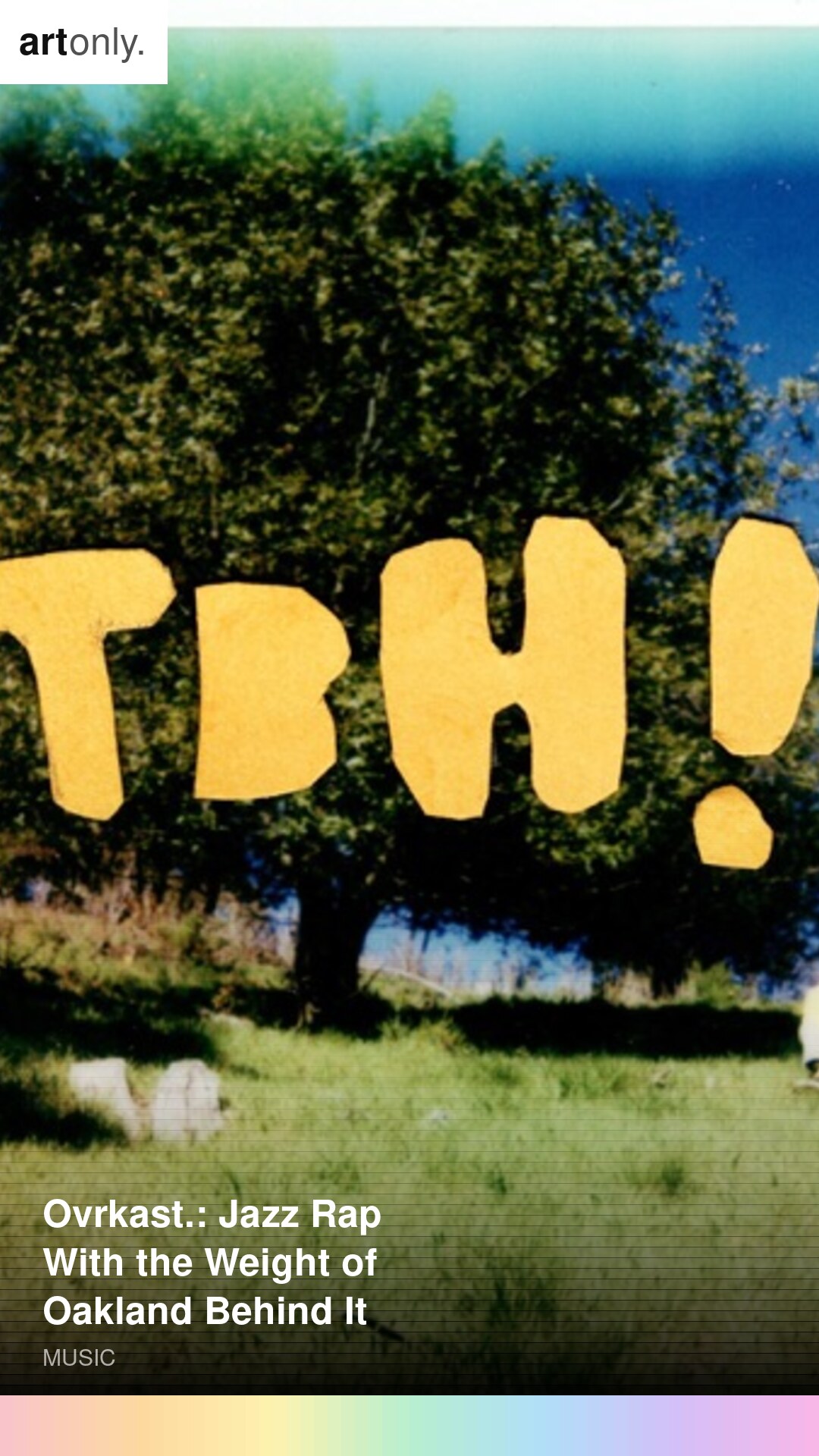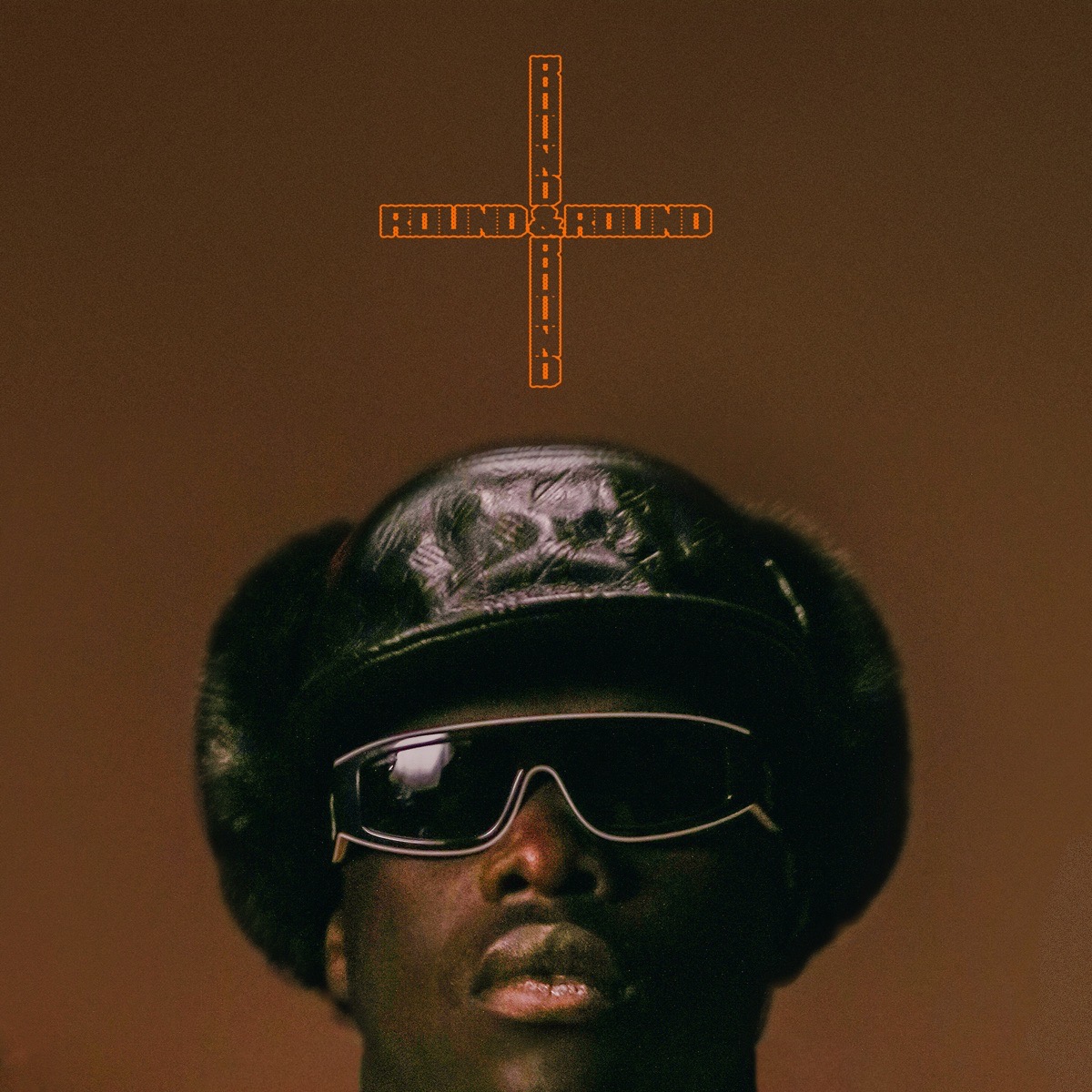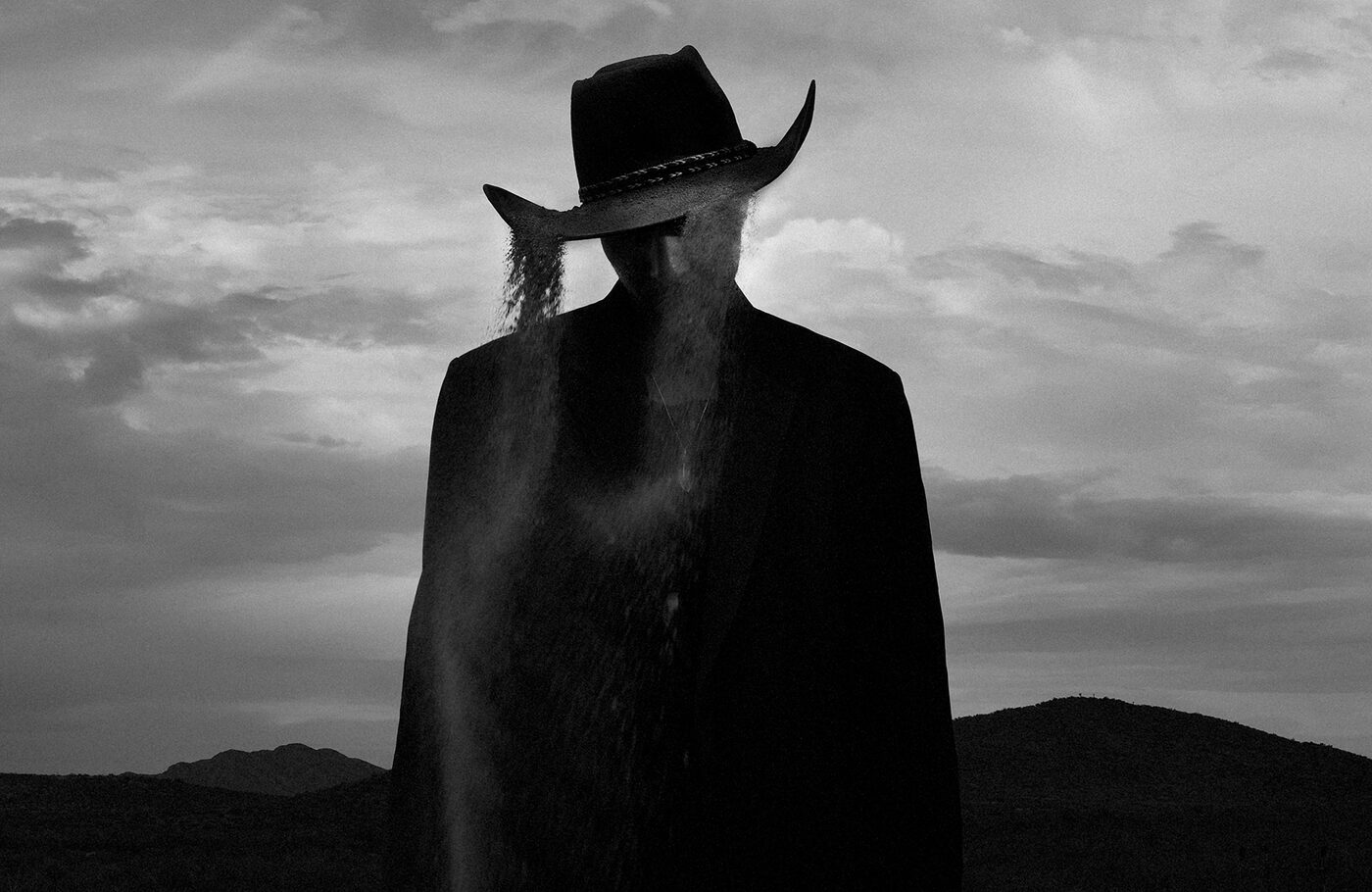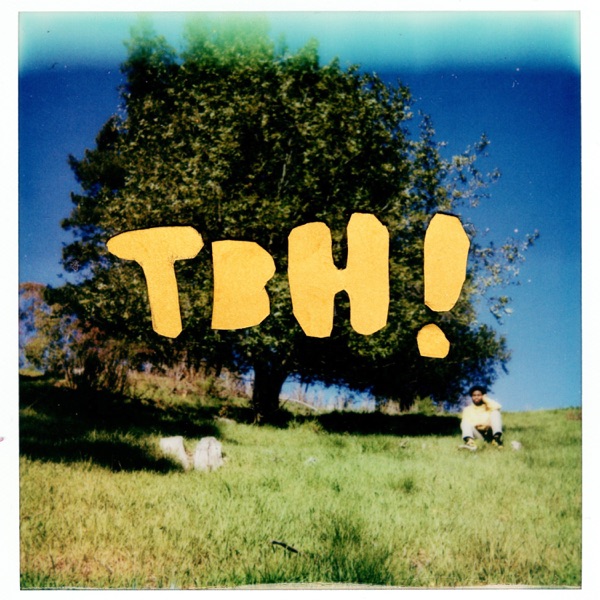
There is a version of rap that uses jazz as decoration, a horn here, a piano sample there, something to soften the edges and signal sophistication. And then there is what Ovrkast. does, which is something considerably more alive.
The Oakland rapper born Rasheed makes records that feel structurally jazz-informed rather than jazz-adjacent. The rhythms breathe. The verses don't always resolve where you expect them to. While The Iron Is Hot, the album that most clearly announced his intentions, works like an extended session, moods shifting, tempo suggestions rather than tempo rules, the production by Chuck Inglish and others moving underneath the words with the patience of musicians who trust the space between notes as much as the notes themselves.
Ovrkast. writes about the specifics of West Coast Black life with a precision that refuses nostalgia. The Oakland in his music isn't romanticized or elegiac, it's a place where people are navigating real pressure, making decisions in real time, trying to hold something together. He doesn't dress any of it up. The directness is part of the craft.
What Makes It Stick
The thing about jazz rap at its best is that it demands a different kind of attention. You can't just let it wash over you. Ovrkast.'s verses reward patience, there are references and observations buried in the middle of bars that open up on the third listen in ways they didn't on the first. "Iron Man" and "Rain" are the obvious entry points, but the album's second half is where the real architecture becomes clear.
With around 300,000 Spotify followers, he's not underground in the dismissive sense of the word. He has an audience that clearly hears what he's doing. But he hasn't been flattened by visibility either. The music still feels like it's being made for the people who will actually sit with it.
The Oakland Geography
Oakland sits across the bay from San Francisco and has spent decades watching wealth accumulate on the other side of the water while the conditions that produced its music, the density, the pressure, the specific community formations of West Coast Black life, get rearranged by displacement. Ovrkast. makes music inside that context. The weight of the city is not metaphor in his work. It is information. The way he writes about navigating situations, about loyalty and its costs, about what it takes to hold a position, draws on a specific knowledge of specific streets. You cannot make this music from somewhere else.
The jazz influence in While The Iron Is Hot is not decorative in the way it sometimes is in the genre. When producers working in jazz rap reach for saxophone samples or double-time piano runs, the effect is often of sophistication signalling, a way of saying this music takes itself seriously. Ovrkast. and his production collaborators use jazz structures differently. The rhythmic looseness is functional. It creates space for the verses to breathe, for meaning to accumulate across a bar rather than landing front-loaded. The patience required to listen to jazz, the willingness to follow an idea as it develops rather than waiting for the hook, is the patience required to hear what he is actually saying.
The Craft of the Verse
Ovrkast. writes long. His verses do not compress ideas into punchlines. They develop them. A concept introduced in the first quatrain is still being turned over in the third, arriving at a conclusion that the opening could not have predicted. This is difficult to sustain and most rappers working today do not attempt it. The streaming environment rewards hooks and brevity. Ovrkast. ignores that pressure. The verses on While The Iron Is Hot run until they are finished, not until they have hit a format target.
The internal rhyme schemes are worth paying attention to on a close listen. The end rhymes are often conventional. The interesting work is in the middle of the line, where syllables are doing double duty, sounding against each other while also carrying semantic weight. This density of construction means the verses reward transcription. When you write them out, you see the architecture. When you hear them in real time, you feel it without needing to name it.
The subject matter is consistent across the album without being repetitive. He keeps returning to the question of what it costs to remain yourself under pressure, what you trade away and what you refuse to trade, how you account for those decisions over time. The jazz structure is appropriate for that subject matter. Jazz is also music about navigating constraints with integrity, about individual voice inside collective form, about what you choose to hold and what you let go.
Why the Timing Matters
While The Iron Is Hot arrived at a specific moment in rap: after the trap era had reshaped what the genre's baseline production sound could be, and as a generation of listeners raised on that production were starting to look for something more sonically and lyrically substantial. Ovrkast. is not reacting against trap. He is simply making different music, rooted in different sources, for listeners who want something that sits differently in the body and the brain.
The 300,000 Spotify followers represent a genuine audience. They are people who sought this out, who passed it along, who told other people what they were hearing. That kind of audience formation is slower and more durable than algorithmic placement. It builds through trust rather than exposure. The listeners who find Ovrkast. tend to stay.
The career trajectory ahead is interesting precisely because he has not compromised to grow faster. The music is what it is. The audience that matches it will find it. The question of what happens when a substantially larger audience does find it, whether the music changes in response to that scale, is one worth watching. Based on the evidence of the album, the answer is probably no. This is music made from a position too specific to be adjusted for a broader market. That specificity is exactly its value.