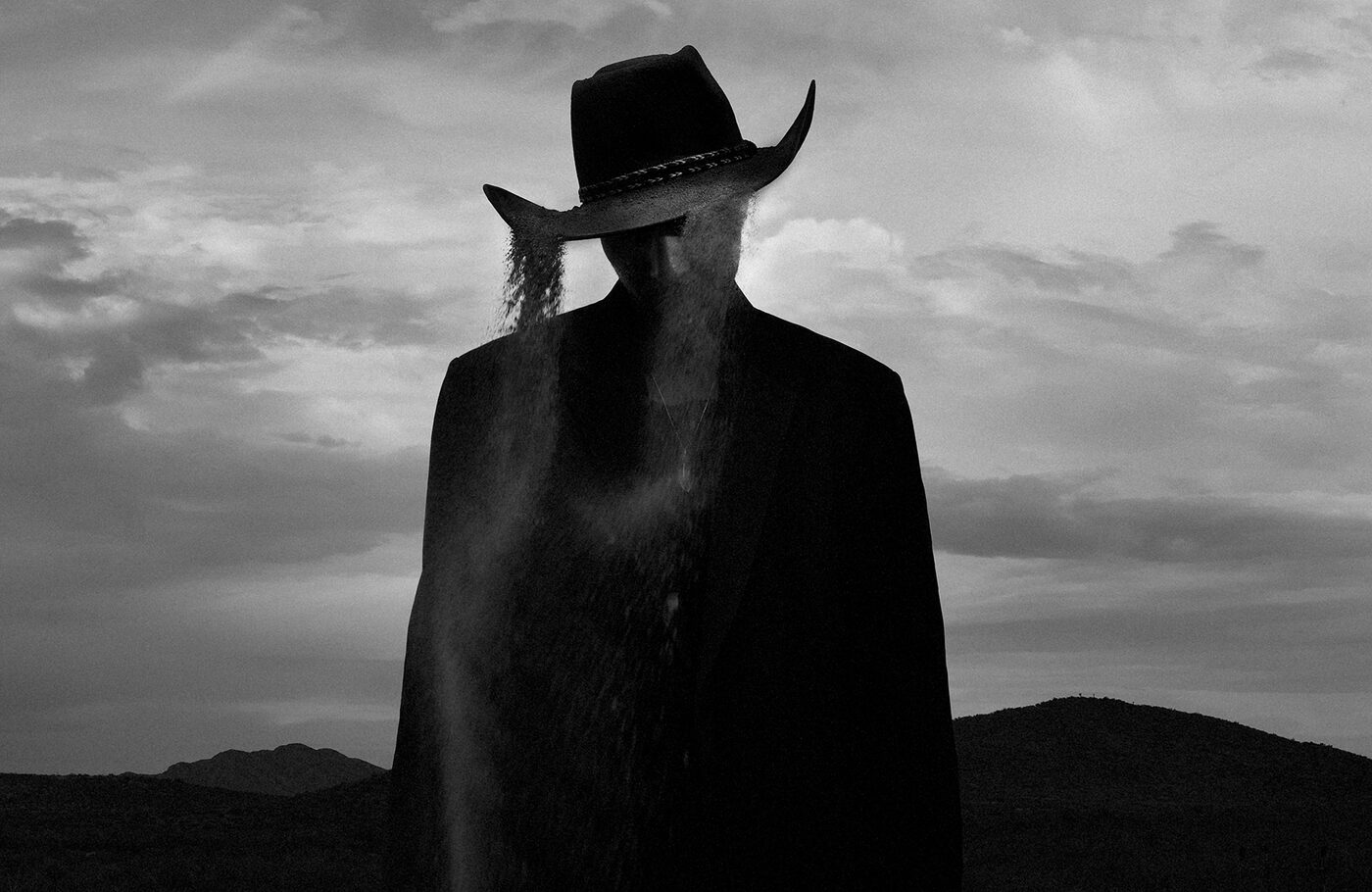
When Oxlade released "Arabambi" in June 2024 as the lead single from his debut album, the song had the quality of a thesis statement. Shot on location between St Lucia and Lagos, the music video directed by Montecarlo Dream used the visual contrast between Caribbean water and Lagos concrete to say something about where Oxlade's music lives: simultaneously rooted and in motion, drawing from sources that do not obviously belong together and making them cohere. "OFA (Oxlade From Africa)," released on September 20, 2024 through Troniq Music and Epic Records, is the full argument behind that single image.
A Voice Shaped by Lagos
Ikuforiji Olaitan Abdulrahman, who performs as Oxlade, grew up in Surulere, Lagos, the son of a university lecturer. He enrolled at Lagos State University to study History and International Relations before leaving to pursue music, a decision that proved correct in a way that has become difficult to overstate. He carries the intellectual habits of someone who was trained to think about cause and effect, about where things come from and what they mean in the contexts that surround them. That sensibility is present in his music.
His voice is smooth in a specific way: not polished in the sense of being sanded down but smooth in the sense of being frictionless, capable of moving across stylistic differences without losing its identity. He describes his sound as a bridge between the alte scene and the mainstream. "OFA" takes that bridge and builds something larger from it.

Away and Ku Lo Sa
Before "OFA," Oxlade built his reputation through two songs that traveled unusually far. "Away," the 2020 single directed by TG Omori, appeared on Rolling Stone's 50 best songs of that year and introduced a global audience to his particular combination of Afrobeats rhythm and romantic directness. Two years later, "Ku Lo Sa" found a second life on TikTok, spreading through a community of people who discovered that a song they could not place geographically described something they recognized immediately.
These two songs established a pattern: Oxlade makes music that travels not because it has been designed for export but because the emotional content is specific enough to be universal. The specificity is the accessibility. That is a rare combination, and it is what made the anticipation for a debut album so significant.

OFA
"OFA (Oxlade From Africa)" is a 16 track project that takes its geographic declaration seriously. The album spans Afrobeats, amapiano, Afroswing, R&B, and the coupé décalé tradition, treating each as an equal component of a single musical identity rather than a set of visiting influences. The production credits include P.Priime, Dre Skull, Egar Boi, Magicsticks, and Oxlade himself, among others, a roster that reflects the depth of talent currently operating within the ecosystem of African popular music.
Guest appearances from Flavour, Dave, Fally Ipupa, Wande Coal, Popcaan, and Bobi Wine make the album's geographic ambitions literal. This is not a Nigerian artist making a record that gestures toward a broader Africa. It is an artist assembling collaborators from across the continent and the Caribbean to make a point about where the music comes from and where it can go.
The International Architecture
Oxlade's deal structure reflects the same ambition as the music. Troniq Music handles the core creative infrastructure. Epic Records operates in France. Columbia Records holds his deal in the UK. This is not a standard arrangement. It reflects a deliberate effort to build access to markets that have historically been difficult for African artists to enter through conventional routes.
The Pandora Africa Next Artist designation in 2022 and the international touring that followed "Ku Lo Sa" indicated that the infrastructure was working. "OFA" arrived as the formal creative statement that the infrastructure was built to support. It is the record that answers the question that "Away" and "Ku Lo Sa" raised: what does a full Oxlade project actually sound like?
Arabambi
The single that preceded the album remains the best single-song introduction to what Oxlade is doing. The title comes from Yoruba and carries within it layers of meaning about protection, about being watched over, about the specific emotion of feeling held by something larger than yourself. The song sits between a love song and a spiritual statement, which is where the alte tradition has always been most comfortable.
Montecarlo Dream shot the video between St Lucia and Lagos, making the geography do symbolic work: two places that look nothing alike, both capable of producing the same feeling. That kind of visual is not accidental. It is a statement about how Oxlade thinks about where his music belongs.
What Comes Next
"OFA" was received with mixed reviews at release, with some critics noting that its ambition occasionally outpaced its execution. That is a fair observation. It is also an observation that could be made about most debut albums that attempt something genuinely ambitious. What "OFA" does, regardless of its individual moments, is establish the terms of who Oxlade is as a recording artist: someone for whom Africa is not a backdrop but a subject, not a setting but an argument.
At 29, with his debut behind him and the infrastructure of an international career in place, Oxlade is in exactly the position that "OFA" was designed to put him in. The question the album asks is not whether he can make music that travels. He already answered that with "Away" and "Ku Lo Sa." The question is what he does with the room that travel creates. "OFA" is where the answer begins.