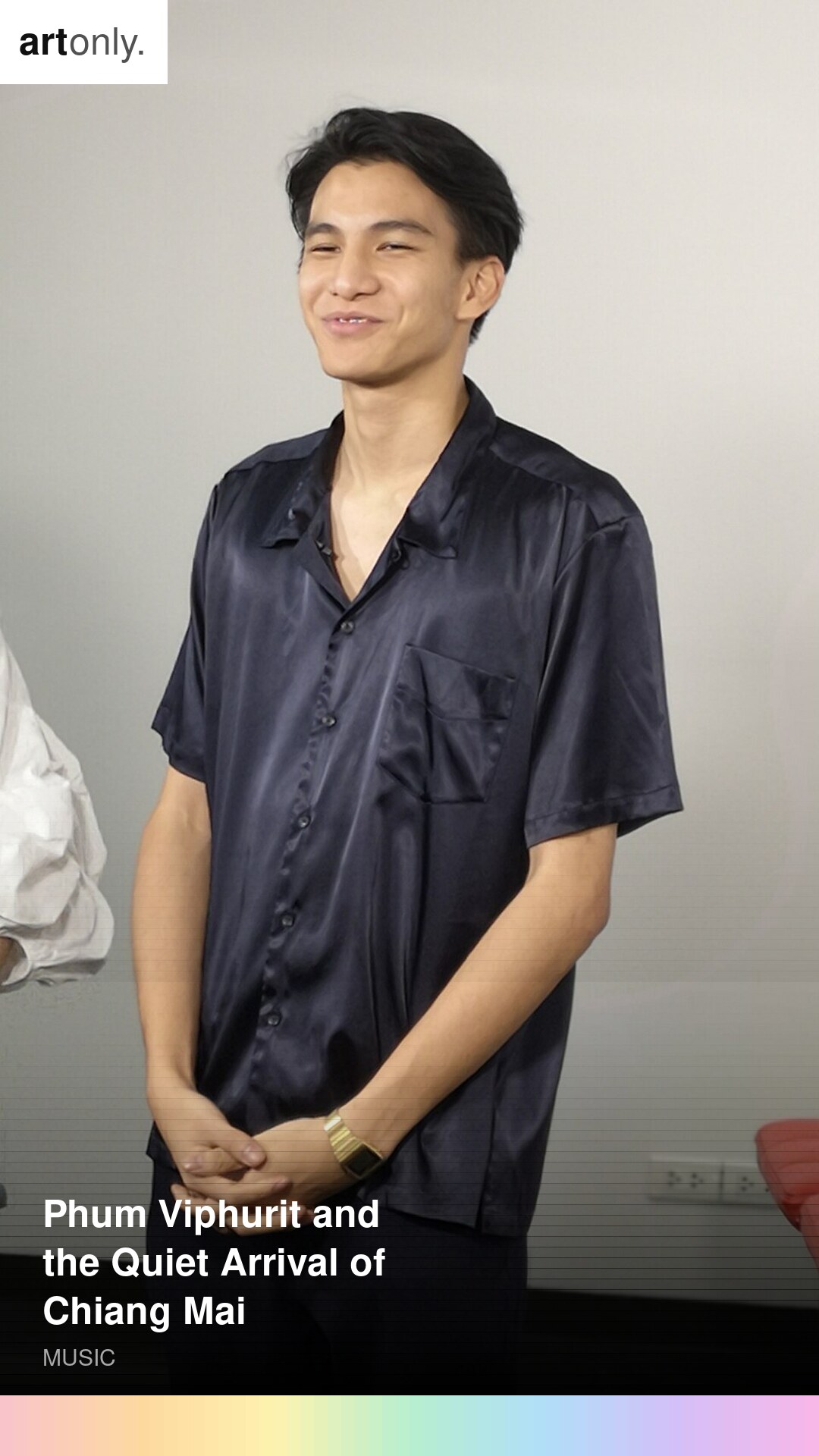
A Song You Did Not See Coming
In 2017, a song appeared on Spotify that had not been pushed by a major label, had not come with a press campaign, had not been seeded to playlists through industry connections. It had been placed there by a young musician from Chiang Mai, Thailand, who had recorded it in a home studio and put it out into the world with the modest ambition of being heard.
Lover Boy became one of the most shared indie pop songs of its year, spreading through playlist culture and social media recommendation in a way that the industry had not yet developed a reliable way to predict or manufacture. By 2019, it had accumulated tens of millions of streams and had introduced Phum Viphurit to audiences across Southeast Asia, Japan, South Korea, Europe, and North America.
The song is 3 minutes and 22 seconds long. It sounds like it was made for the exact moment in late afternoon when the light changes and you start thinking about someone you miss. It is not complicated. It is not trying to be anything other than what it is. And what it is turns out to be exactly what a lot of people needed to hear.
Chiang Mai and the Long Way In
Piphat Rujiraporn Viphurit grew up in Chiang Mai, a city in northern Thailand with a very different character from Bangkok. Where Bangkok is dense and fast and financially urgent, Chiang Mai is quieter, more culturally traditional, shaped by its proximity to mountains and its distance from the centers of industry and media.
For a young musician with a taste in music that ran toward British indie rock and American singer-songwriters, growing up in Chiang Mai meant developing artistic references in relative isolation from both the Thai pop mainstream and the Western music industry. There was no pathway from Chiang Mai to international recognition that he could follow, because that pathway had not existed for artists like him.
He spent time in New Zealand, where his family lived for part of his childhood, absorbing the musical culture there. He returned to Thailand and began making music that did not fit neatly into any category the Thai industry recognized as commercially viable. He was making something personal, something that drew on his genuine listening rather than on what the market seemed to want.
Lover Boy was the song that communicated what he had been building toward.
What the Song Does
The production on Lover Boy is warm and intimate in a way that became something of a template for a certain strain of indie pop that spread widely in the years after its release. Acoustic guitar, a rhythm that feels almost like it is moving at walking pace, a melody that is easy to follow without being simple, and a vocal performance that sounds entirely unperformed.
That last quality is the key one. Phum's voice has a breathy, unguarded quality that sits outside the vocal conventions of Thai pop, which tends toward a more polished, technically demonstrative standard. He sounds like someone singing because he has something to say, not because he is showing what he can do. In the context of recorded music, that naturalness is very hard to achieve and very easy to hear when it is absent.
The lyrics are in English, which is relevant for understanding how the song spread. He has spoken about his choice to write primarily in English as a reflection of his actual listening, the music that formed him was overwhelmingly English-language, and writing in Thai would have required a different relationship to language and melody than the one he had developed. This is not a strategic choice about markets. It is an honest account of where the music came from.
Spaceman EP and the Larger Vision
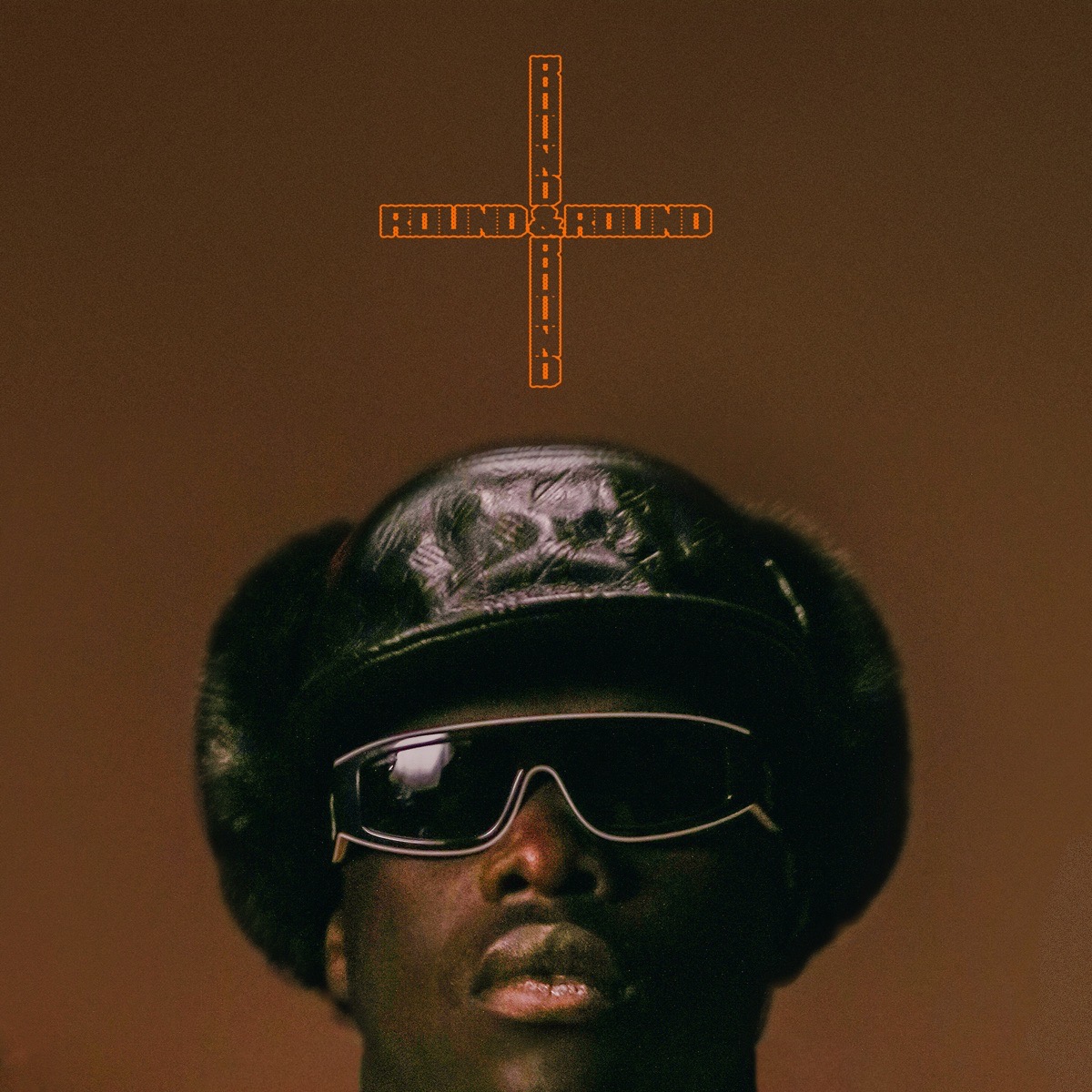
Lover Boy appeared on the Spaceman EP, released in 2018, which gave the song additional context. The other tracks showed that Phum was not a one-song artist. The EP has a coherent sonic identity: indie pop in the lineage of Real Estate, Vampire Weekend, and certain corners of the 1970s British folk revival, filtered through a sensibility that is unmistakably his own.
The production across the EP is consistently understated. There are no moments of stadium ambition, no attempts to signal commercial readiness through sonic maximalism. The music sounds like it was made in the space where the artist actually lives, which in a meaningful sense it was.
Following the EP, he released Hello, Anxiety, a full album in 2019, which received strong critical attention from the Asian indie press and from international outlets that covered the growing Southeast Asian alternative music scene. The album maintained the aesthetic of the EP while expanding the emotional range. The songs addressed anxiety, loneliness, and romantic uncertainty with the same quality of restraint that had made Lover Boy resonate.
The Southeast Asian Indie Moment
Phum Viphurit's rise coincided with a broader moment in Southeast Asian music. Cities like Bangkok, Manila, Jakarta, Kuala Lumpur, and Singapore had developed vibrant independent music scenes over the previous decade, scenes that were producing work of genuine quality but had limited pathways to international visibility.
Streaming changed the structural equation. The algorithm that recommended Lover Boy to a listener in London or Toronto did not know or care that the song came from Chiang Mai rather than Brooklyn or Manchester. It knew that listeners who liked certain other music also tended to like this music. The recommendation was purely based on listening behavior, and the listening behavior confirmed what the song actually was: a piece of music that worked for a wide range of people who valued a certain quality of intimacy in indie pop.
Publications like Bandwagon in Singapore and a range of Korean and Japanese music blogs were covering Southeast Asian indie long before Western outlets caught up. The regional infrastructure for this kind of music existed and had been developing for years. Phum was the artist who most visibly crossed from that regional conversation into a global one.
What Remains
By 2019, Phum Viphurit was playing festivals across Asia and had begun appearing at events in Europe. He remained based in Thailand, continuing to make music on his own terms, and he remained visibly uninterested in the kind of positioning and industry maneuvering that often accompanies the transition from independent success to mainstream attention.
This is not a posture. It is consistent with everything in his artistic history. He started making music because he wanted to make the music he wanted to hear. He succeeded at that before he succeeded commercially, and the commercial success did not appear to change the underlying motivation.
Lover Boy is now several years old and still sounds immediate. That is not a common thing. Songs that go viral through playlist culture often age poorly because they were optimized for discoverability at a particular moment. Lover Boy was not optimized for anything. It was just a song about missing someone, made by an artist from a northern Thai city who had developed a very specific sense of what he wanted music to feel like.
The algorithms found it. But it did not need them. It would have found its way regardless.