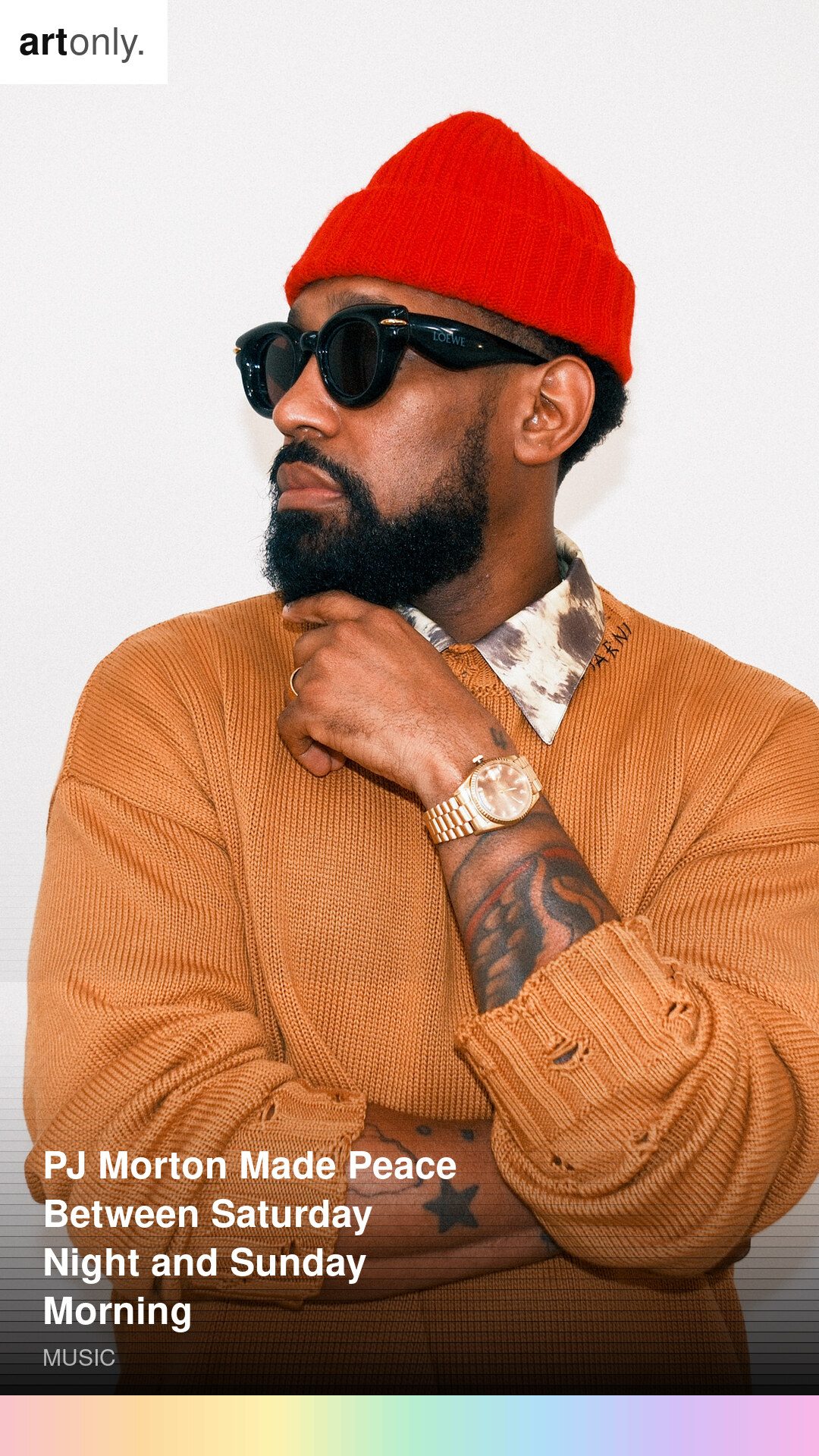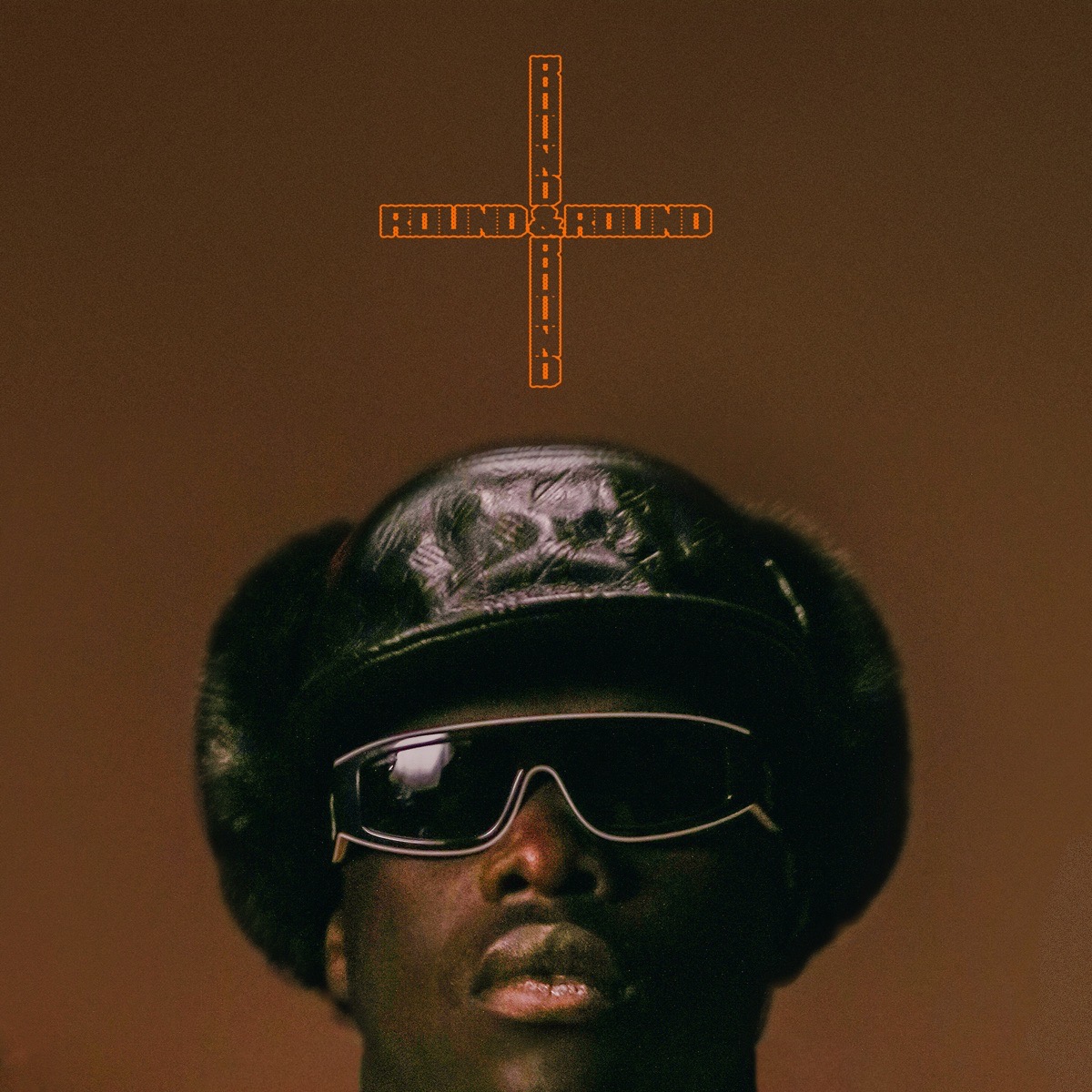
Philip James Morton was born in New Orleans and raised inside a denomination. His father, Bishop Paul S. Morton Sr., is the founder of the Full Gospel Baptist Church Fellowship International, a Pentecostal organization that by some counts reaches hundreds of thousands of members. Growing up inside that world means growing up with a very specific understanding of what music is for. It is not entertainment. It is testimony. It is the place where the spoken word runs out and something else has to take over.
That background explains a great deal about what made Morton unusual when he turned up, years later, as the keyboardist for Maroon 5. The contrast is hard to overstate. Maroon 5 is one of the most commercially successful pop acts of the past two decades. Their stage is enormous, their reach algorithmic. Morton played behind Adam Levine on stadium tours and television appearances while simultaneously recording his own soul records under his own name for his own label. The double life was not hypocrisy. It was discipline. He kept both things going because he believed both things mattered.
The Memoir and the Record
Morton published a book in 2024 called Saturday Night, Sunday Morning. The album that now carries that title is not an adaptation of the book. It is the same material thought through in a different form. Where the memoir traced the biography, the album inhabits the feeling. Both refer to the same division: the person who goes out and plays the secular room, and the person who goes home and means every word of the gospel. In New Orleans, the line between those two rooms has always been permeable. The city produces that particular tension with a certain generosity. Morton grew up knowing that the church and the club were separated by blocks, not by category.
The decision to structure the double LP as two discrete sides rather than a blend is the key artistic choice here. Saturday Night contains nine R&B songs. Sunday Morning contains nine gospel songs. Nothing bleeds across. Morton said in a Billboard interview that this is his first proper gospel album because it is the first one where he sings all the songs himself. He has released gospel records before, but always with the vocal humility of someone who is a producer and arranger first. This time the voice is exposed throughout.
Released on Juneteenth
The June 19 release date is not accidental. Juneteenth marks the announcement of emancipation in Galveston, Texas, on June 19, 1865. For Morton, releasing this particular album on this particular day is a statement about freedom in its fullest sense. The freedom to occupy both rooms without apology. The freedom to be a Grammy winner, a Maroon 5 sideman, a bishop's son, and a New Orleans soul artist, all at once, all on the same record.
Mutual, the lead single from the Saturday Night side, is a song about the particular vulnerability of early courtship between adults who have been hurt before. It does not gesture at that experience. It describes it with specificity. The production is warm and unhurried. Morton is not trying to compete with the current landscape of R&B production, with its processed textures and algorithmic sheen. He records at Studio In The Country, a historic facility in rural Louisiana, and the room sounds like it.
Mercy opens the Sunday Morning side and establishes a completely different register. The gospel songs are not packaged gospel in the contemporary praise and worship sense. They are the kind of music Morton grew up around. They carry the gravity of conviction. They sound like a man who actually means what he is singing.
The Guests and What They Say
Morton brought two guest artists to the record: Keyon Harrold, the jazz trumpeter who is a Grammy winner in his own right, and Rukhsana Merrise, a West London songwriter. The choices are pointed. Neither of them was selected to generate streaming attention. Both of them were selected because they fit the music.
Harrold's trumpet has appeared on records across genres, from Miles Davis tributes to contemporary R&B collaborations. His presence on the Saturday Night side adds a live instrumental warmth that sits naturally in the sonic world Morton built at Studio In The Country. Merrise's contribution brings a transatlantic sensibility that feels considered rather than cosmetic.
By the time you reach those collaborations inside the listening experience, the context has been established clearly enough that the guests feel like additions to something coherent rather than interruptions of something still finding itself.
What the Credentials Do and Do Not Explain
Morton has six Grammy wins and 22 nominations. He won Best R&B Song for co-writing H.E.R.'s song I Can't Breathe. He has won Best Gospel Album multiple times. He is a producer whose fingerprints are on a wide range of records beyond his own. None of that explains Saturday Night, Sunday Morning. The credentials are the result of a long career spent working at a level of craft most people do not sustain. The album is the reason for the career.
This is the record Morton has been building toward. Not because it is the most commercially ambitious thing he has released. Not because it proves something to critics or to the Recording Academy. It is the most personal. A man who grew up inside a denomination, who made his living in secular rooms for decades, who wrote a memoir about living in both places, finally made the record that matches the life. The separation is intact. The communion is real. You can go from Saturday Night to Sunday Morning in a single listen and understand exactly what that journey has cost him, and what it has given back.