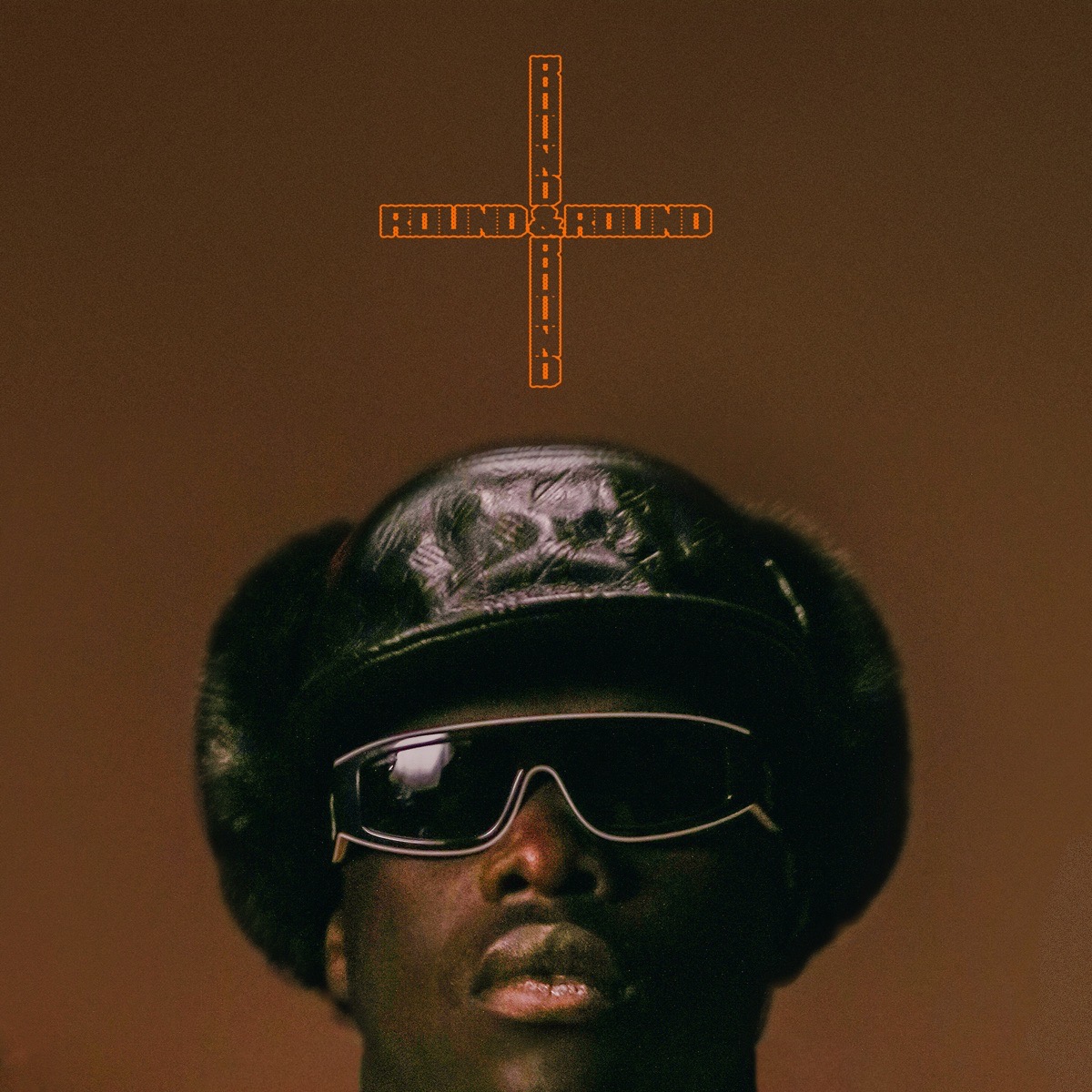
The premise of "Kicking My Feet and Screaming" is architectural. Ruel's second studio album, "Kicking My Feet," arrived in 2025 with a specific emotional mandate: celebrate the heightened state of early love, the phase where ordinary experience becomes almost unbearable in its brightness. That album did what it set out to do. It leaned into what Ruel has called "the cringe," the butterflies, the walking on air, the particular irrationality of being someone in the grip of wanting another person. "Kicking My Feet and Screaming," released June 12, 2026, on Recess Records and Giant Music, takes the same relationship and walks it through fire.
The Architecture of Feeling
The structural decision to release the two albums as companions is not a gimmick. It is a way of honoring how love actually moves. The same story has different chapters, and the chapters do not all feel the same. Ruel, born in the UK and raised in Sydney, has been building toward a project with this kind of ambition for over a decade. He signed his first record deal at fourteen. He sold out rooms in cities that typically require years of groundwork before an unknown can fill them. He received early attention from Elton John and Zane Lowe, both of whom recognized something in him that the Australian industry was still catching up to. The trajectory was always pointing toward something that matched the size of his voice, and "Kicking My Feet and Screaming" is the fullest realization of that.
The sequencing of the 21 tracks across an hour is careful. "Hate Myself" opens not with self-pity but with anger turned inward, the particular feeling of knowing you have made choices that have cost you something irreplaceable. "In Your Mind" moves into territory that is harder to name: the space where someone lives inside your imagination even after they have left. "Faking Smiles" is the album's clearest statement of emotional exhaustion, the performance of being fine when fine is exactly what you are not. These are not pop themes in the abstract. They are states of being, and Ruel treats them with a precision that most songwriters at twenty-three would not have the craft or the nerve to attempt.
Production Without a Single Voice
The production on this record was shaped by Joel Little, Julian Bunetta, Kenny Beats, and Dan Wilson, a set of collaborators with no single dominant aesthetic. Little has built major-label careers from the ground up, working with artists like Taylor Swift and Lorde. Bunetta knows how to scale intimacy to arenas without losing the thing that made the song personal in the first place. Kenny Beats operates at the intersection of hip-hop and experimental indie in a way that consistently refuses the easy option. Dan Wilson, who has written songs for Adele and Semisonic, understands architecture. The fact that the record sounds cohesive despite those varied inputs says something about how clearly Ruel knew what he wanted. The collaborators served the album rather than the other way around.
What the record does with grief, which is the correct word for what many of these songs are about even when they do not announce it, is to refuse sentimentality. "Debbie Don't Cry" understands how exhausted a person can become by their own feeling, how the body can want to stop producing the emotional response even as the emotional response continues. "Talking to the Driver" is stranger and more removed: a song about displacement, about how the mind goes somewhere else when staying present is too costly. "Since the Day You Left Me" earns its plainness because it does not mistake transparency for weakness.
The Second Half Opens Up
The sequencing in the album's second half releases pressure. "Wild Guess" and "When You Walk In The Room" are both about proximity and what proximity does to someone who has decided it cannot mean anything anymore. "I Can Die Now" is the album's most grandiose title and also its most restrained song: a joke about completion that reveals itself as something genuinely felt. "The Suburbs" arrives toward the end with a different texture, more space, more distance, the sound of a person who has been running and has finally stopped long enough to look at where they are.
The closer, "dst (outro)," is only fifty seconds, and it works precisely because the album has earned that kind of silence. A record with twenty-one tracks could easily overstay its welcome. This one does not, because each track is doing something distinct within a single emotional argument. Ruel has enough compositional intelligence to know that an outro can land harder than a finale.
What the Double Project Means
The pair of albums is now complete. Part one was about wanting. Part two is about losing and what you do with the body after that. Taken together, they constitute one of the more coherent statements in contemporary indie-pop about what romantic love actually costs, not in the abstract, but in the specific and daily accumulation of moments when you choose to feel rather than protect yourself from feeling.
Elton John and Zane Lowe were both public about what they saw in this artist. That kind of attention at fourteen is a specific kind of pressure. It can produce someone who learns to manage expectations, who shapes their output around the need to justify the early praise. Ruel has done something different. He has built a body of work that justifies the attention on its own terms and on its own timeline. "Kicking My Feet and Screaming" does not sound like the record of someone who needed to prove something. It sounds like the record of someone who knew what they were building and took the time to get it right.
Ruel is twenty-three. The architecture he has constructed across these two albums is more structurally sound than most artists build in a full decade. That is the fact about him that is hardest to look at directly: not the talent, which was obvious early, but the patience. He did not rush the story. He waited until he had something to say about what comes after the beginning, and then he said it in twenty-one songs.