Sudan Archives: How to Build a World With Violin and Chaos
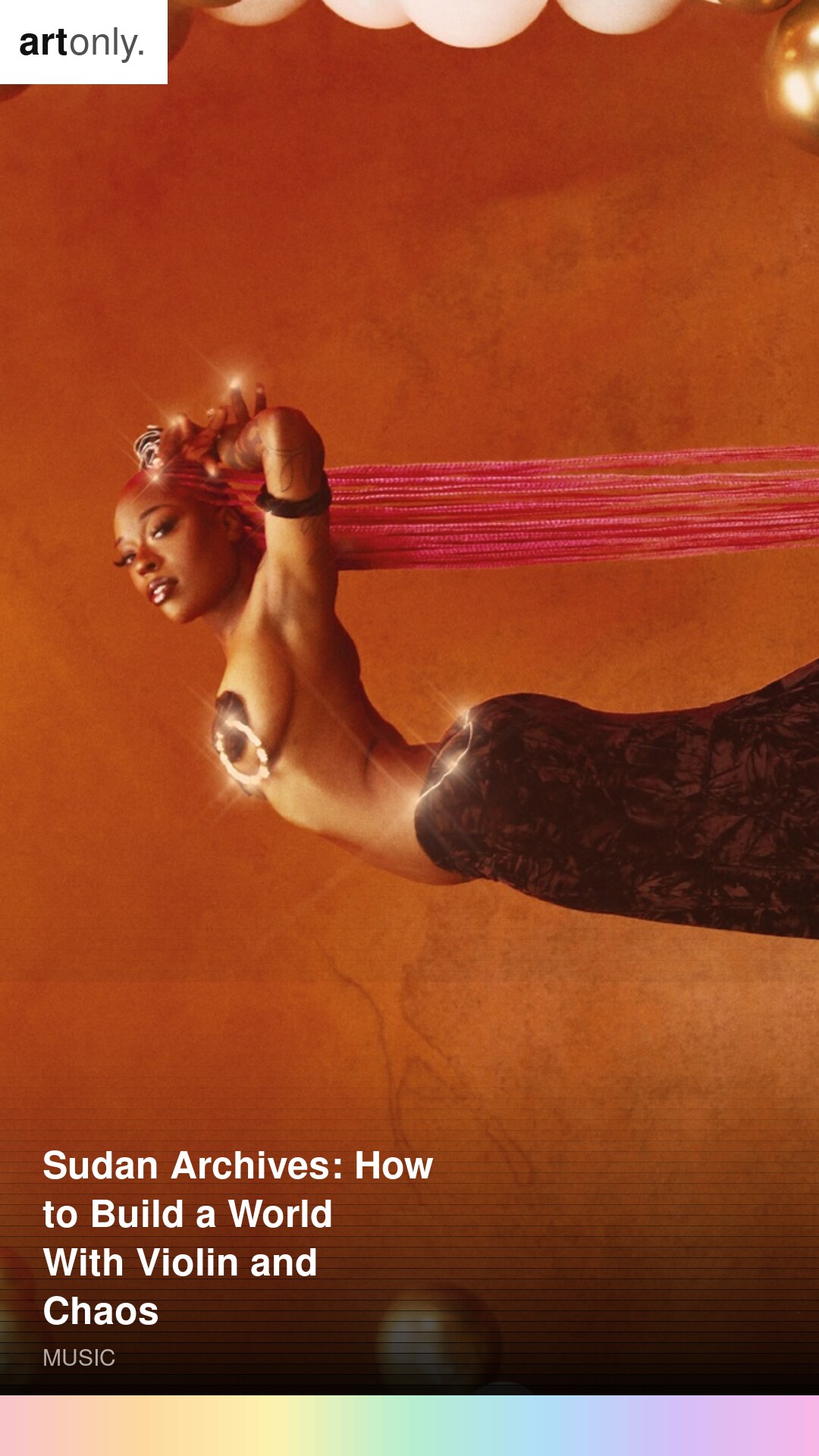
There's a moment in "NBPQ (Topless)" where the violin cuts through everything, production, tempo, voice, and you realize you're listening to something assembled differently from anything else in the R&B orbit. That's what Sudan Archives does. Cincinnati-born, LA-based Brittney Parks writes music that refuses the usual containers.
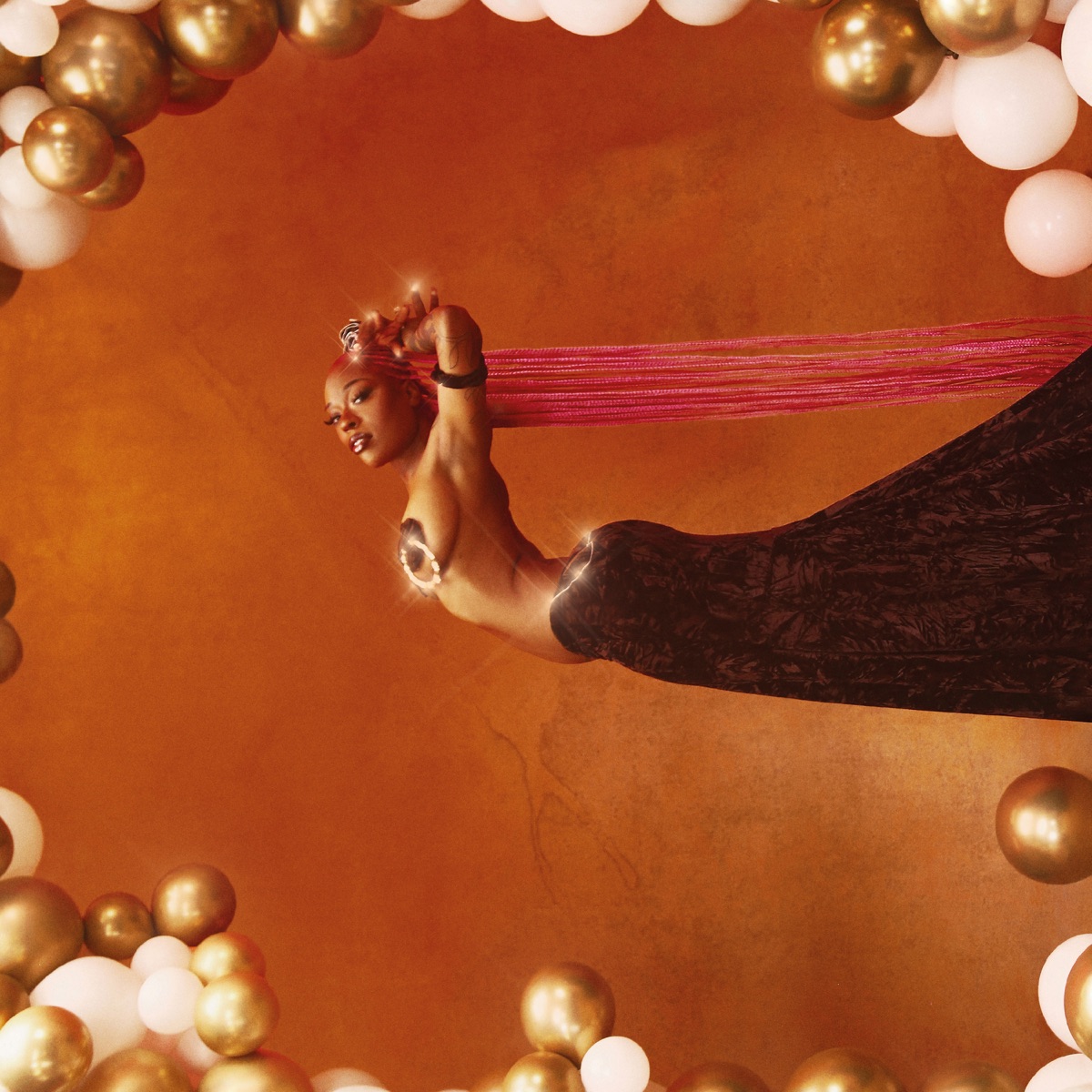
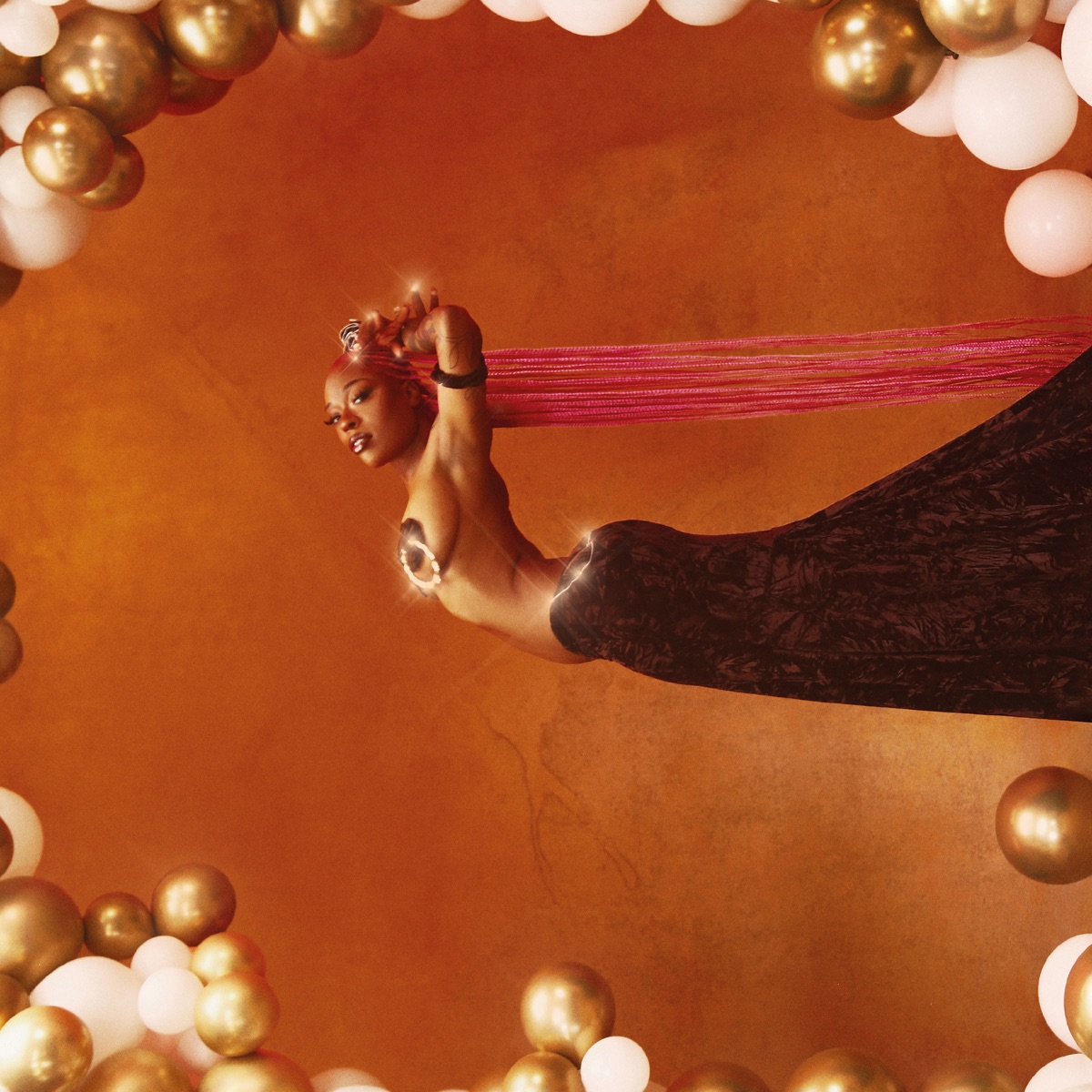
Natural Brown Prom Queen, released on Stones Throw Records in 2022, is her most fully realized statement. Across 18 tracks she weaves self-taught violin into trap percussion, traditional West African rhythmic patterns, and electronic textures in a way that sounds both technically complex and physically immediate. "Selfish Soul" hits like a pop song and sounds like an experiment. "Freakalizer" bounces with a kind of joy that most producers wouldn't think to pair with strings. "Home Maker" sits in a slower, more tender register, the violin carrying something the words don't need to say.
The album is named for an experience: the moment when a Black woman walks into a room as she is, without apology. Parks has said she wanted the record to feel like a coronation, not a plea. It does.
The Violin as Architecture
What's easy to miss on first listen is how technically sophisticated the arrangements are. The violin isn't decoration. It's the architecture. Parks builds from it outward, adding layers of bass, synth, and drum machine on top. She sounds less like someone who plays violin in an R&B context and more like someone who rewired R&B through violin to begin with.
Parks is self-taught on the violin, which matters. She didn't learn the instrument inside a tradition that would have told her what violins are for. She learned it as a sound-making tool and found her own uses for it. The playing reflects this: unconventional, physically committed, technically idiosyncratic in ways that produce results no conservatory-trained violinist would arrive at. The technique sounds earned rather than instructed.
The West African rhythmic influence, which Parks has spoken about directly in interviews, doesn't sit on top of the production as an add-on. It shapes the fundamental rhythmic logic of the music. The way beats are subdivided, the way tension is built and released, the relationship between percussion and melody, all of it reflects a rhythmic vocabulary that is distinct from both American R&B convention and Western pop production. This is where the music earns its originality most completely.
The Title as Statement
Natural Brown Prom Queen is an image and an argument. It names something specific: a type of beauty and presence that has been systematically excluded from a certain kind of cultural ceremony. The prom queen is a specific American figure, and Parks is claiming that designation without irony, without quotation marks, without performing the claiming as a critique. She just takes the title.
This directness is characteristic of the entire project. The album does not build its case apologetically. It does not argue for inclusion. It proceeds from a position of inclusion already assumed, and everything else follows from that assumption. The music is confident in the way that something is confident when it knows exactly what it is and doesn't require external confirmation.
Stones Throw and the Context
Stones Throw Records has a long history of releasing music that sits at the intersection of experimental and soulful, from J Dilla's posthumous releases to Madlib's various projects to Mild High Club's psychedelic pop. The label's sensibility, which favors artists doing something genuinely new with familiar materials, made it the right home for this record.
Parks' debut EP, Sudan Archives, released in 2017, established the core elements: violin-centered production, rhythmic complexity, a vocal style that is both vulnerable and assertive. The full-length Athena in 2019 expanded the vision. Natural Brown Prom Queen is where the expansion became complete, where formal sophistication and emotional directness arrived simultaneously in the same body of work.
Touring and the Live Argument
Parks performs alone with a loop pedal, building her violin layers in real time on stage before adding production elements over the top. The live setup makes visible what the recordings can obscure: that this music starts from a single instrument and a single person deciding what that instrument can do. The loop pedal performances are not a lesser version of the studio work. They are a different argument for the same vision.
She has toured across the United States, Europe, and Australia. The live audience has grown with each project, and the growth reflects something genuine: people who hear the recorded music and want to understand how it is made. The question the live show answers is worth asking. Watching Parks build a layered violin texture from nothing in real time, over the course of a song, is one of the more striking demonstrations of compositional process that a live music context can offer. The seams are visible and the seams are part of the art.
Why It Still Sounds Ahead
Three years on, Natural Brown Prom Queen still sounds ahead. That's the mark of something real. The production choices that seemed unusual in 2022 have not been absorbed into the mainstream, which means the record hasn't dated in the way that forward-looking music sometimes dates once the future it predicted arrives. It still occupies a space that no one else has settled into.
The album's best songs hold up to repeated listening in the way that good writing holds up: there's more there each time, more internal logic to the arrangements, more emotional precision in the vocal performances, more to hear in the layering. The album received the Polaris Music Prize shortlist nod and critical coverage from publications across the US and UK that typically orbit a different sonic territory. The recognition was a confirmation of what the music already demonstrated on its own terms. Parks is working on what comes after this. Whatever that is, Natural Brown Prom Queen will stand as the record that established the terms. It is a complete argument made without apology, and it landed.