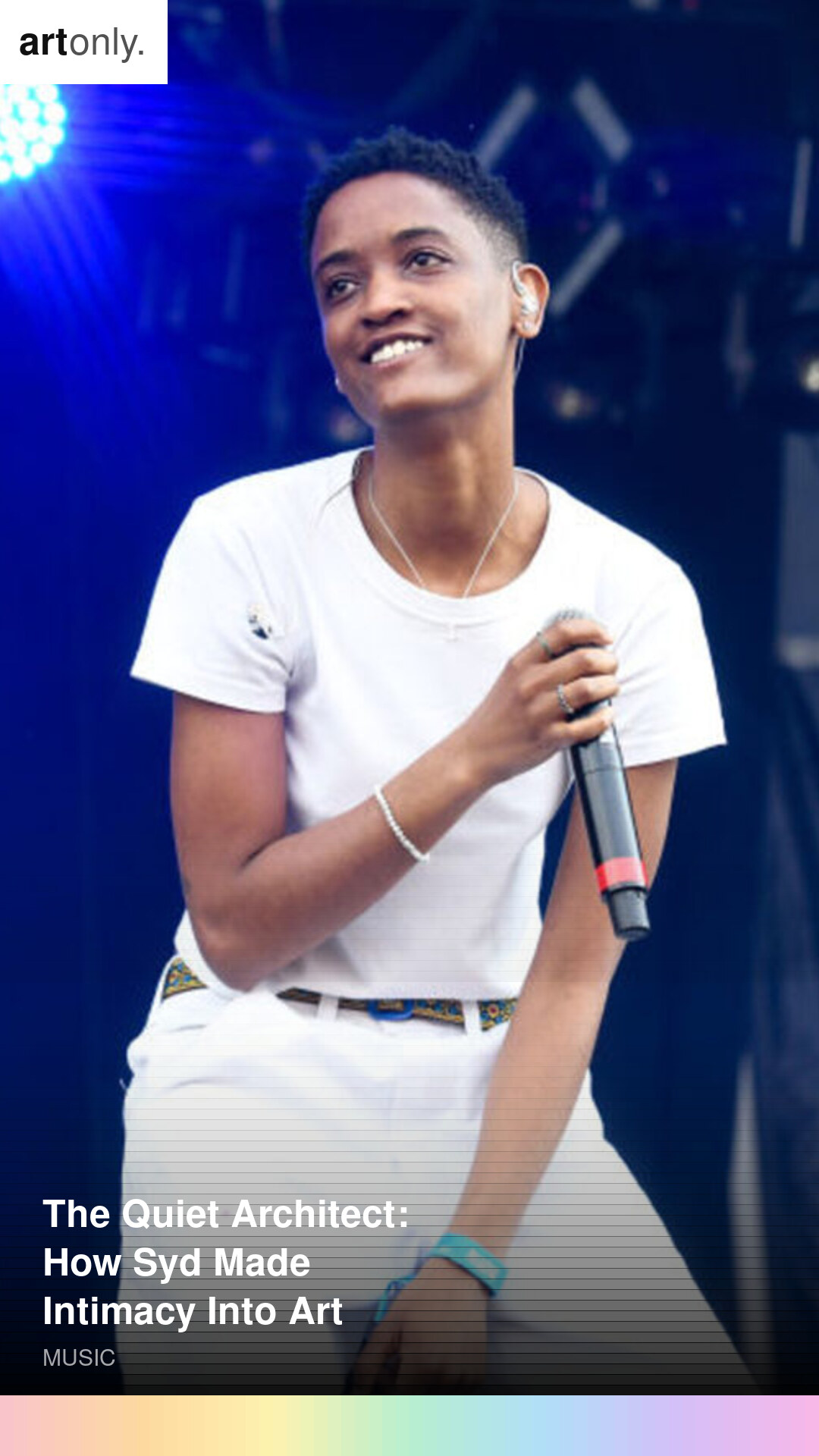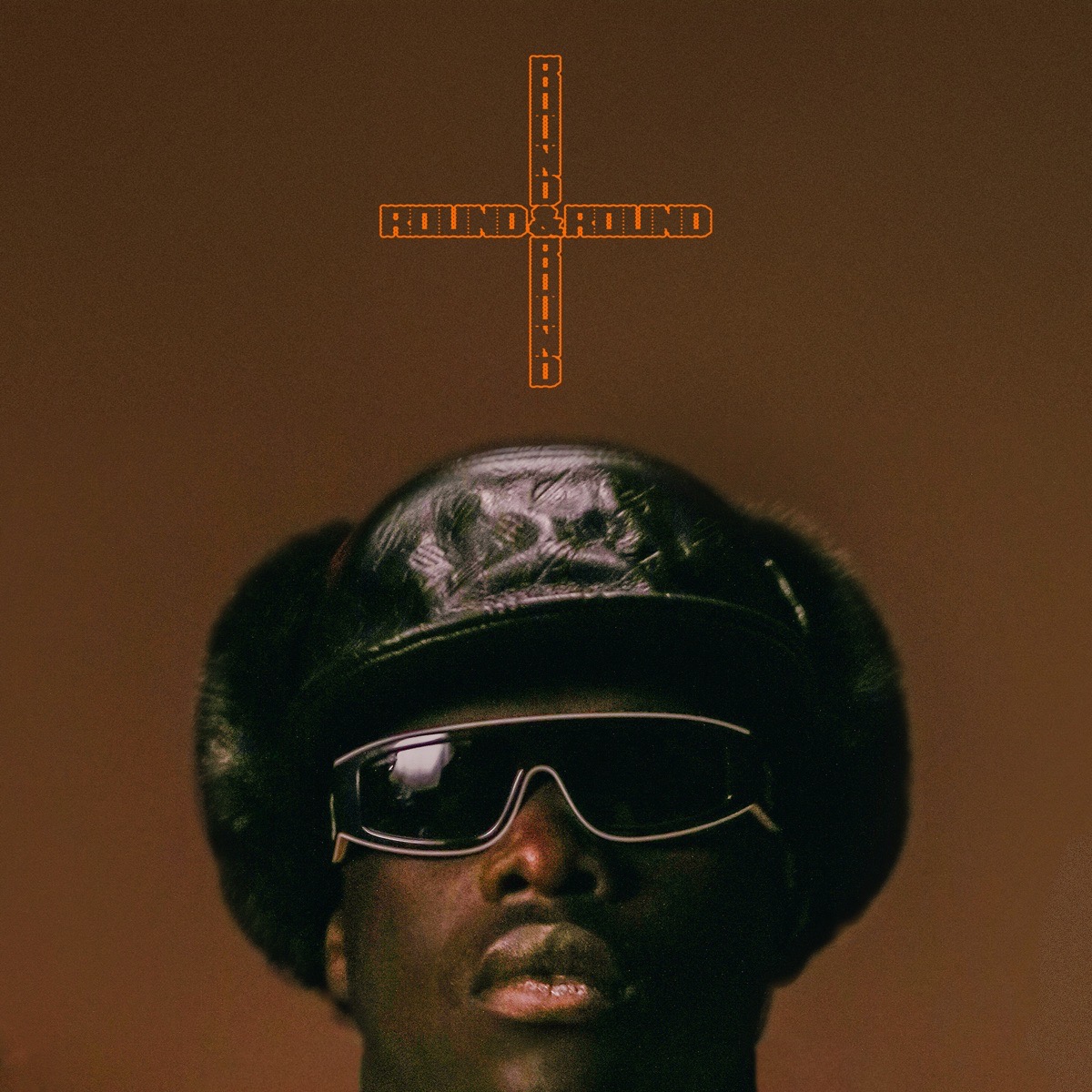
There is a particular kind of quiet that precedes something large. You hear it in the pause before a record drops onto a turntable, in the exhale between a question and its answer. Sydney Loren Bennett, who records and performs under her first name alone, has lived inside that quiet for much of her career. She has been the woman behind the board, the engineer who became the artist, the Los Angeles native who built rooms for other people to inhabit before she began furnishing her own.
Syd first appeared in the public consciousness as the sole female member of Odd Future Wolf Gang Kill Them All, the prolific Los Angeles collective that also launched the careers of Tyler, the Creator, Frank Ocean, Earl Sweatshirt, and Steve Lacy. Her role was technical at first. She operated the recording equipment. She shaped the sound. Most of the early Odd Future material was captured in her home, a space the collective called The Trap, and the warmth and rawness of those early recordings owed much to her ear. That ear belonged to someone who had grown up listening across genre lines and who understood that the best records feel like confessions rather than performances.
She cofounded The Internet in 2011 alongside keyboardist and producer Matt Martians. The band, which expanded to include Steve Lacy, Patrick Paige II, and Christopher Smith, became one of the defining acts of the neo soul renaissance that bloomed through the early part of that decade. Their albums moved in a slow, aquatic way, and Syd's vocal presence within the group was at once central and deliberately restrained. She sang like someone sharing a secret, not projecting from a stage but leaning across a table. The group earned Grammy nominations and critical recognition, but it was the devotion of a specific and intensely loyal audience that mattered more. These were listeners who had been waiting for an R&B that did not perform its emotions but simply held them.
Her 2017 solo debut, Fin, was the clearest statement of what Syd could do when given a canvas that was entirely her own. The album moved through desire with a calm and architectural intelligence. Tracks like "All About Me" and "Body" explored attraction without urgency, presenting intimacy as something that unfolded in its own time. The production was spare and precise, built on low end warmth and careful space. Critics noted the album's refusal to chase trends, and that refusal turned out to be its strength. Fin aged well because it was never trying to be anything other than what it was.
She returned with Broken Hearts Club in 2022, and the album confirmed a continued evolution in her songwriting. Where Fin was interior and still, Broken Hearts Club reached outward in moments, with a sonic palette that incorporated nods to house music and contemporary production while never losing its essential warmth. The album arrived as Syd was speaking more directly in interviews about her identity and her artistic intentions. She told NME that she no longer cared about outside validation, that she had arrived at a certainty about her own abilities that external opinion could not shake. The statement was not arrogance. It was the confidence of someone who had spent years doing the work.
In September 2025, she released "GMFU," a single that demonstrated continued growth and a sharper, more confident energy. The production was tighter, the vocals more assured, and the sentiment bracingly direct. The song found an immediate audience and confirmed that Syd had no intention of settling into the comfortable middle of a career. She was still moving.
What makes Syd remarkable is not any single record but the coherence of a vision across a decade and a half of work. She entered the music industry through engineering, through technical knowledge, through the physical process of capturing sound, and that origin shaped everything that followed. Her records feel built rather than assembled. There is architecture in her arrangements, a sense that each element has been placed with intention and cannot be removed without affecting the whole.
Her vocal approach draws on classic soul while refusing to mimic it. She sings without embellishment, without the runs and flourishes that have become genre shorthand, and the result is a directness that can feel almost startling. She is not asking for your attention. She is simply speaking, and the music is speaking with her.
The R&B landscape has shifted considerably since Fin arrived in 2017. The genre has fractured and expanded, absorbing influences from drill, ambient music, and new production styles, and the resulting diversity has created space for artists who do not fit neatly into any single category. Syd has always operated in that liminal zone. She is neither mainstream enough to dominate pop radio nor obscure enough to be claimed as purely underground. She exists in the place where serious music lives, the place where the people who care most about sound come to find what they are looking for.
Her work with The Internet has not been abandoned. The band's collaborative spirit continues to inform her solo output, and the relationships forged in that context have shaped her approach to artistry in profound ways. Steve Lacy went on to achieve massive commercial success, and Syd's path has been different, more deliberate in some ways. But deliberateness is not a limitation. It is a strategy, and it is working.
There is also the matter of her visibility as a Black queer woman in an industry that has historically struggled to make space for artists who occupy more than one marginalized identity. Syd has not made her identity the centerpiece of her work in a performative sense, but she has not hidden it either. Her presence simply is what it is, and the audience that has gathered around her over the years reflects that honesty.
The next chapter of her solo work is forming. Hints of new material have circulated, and the anticipation among her listeners is real. Whatever arrives will almost certainly bear the hallmarks of everything that came before: the careful production, the intimate vocals, the sense that the record was made for a specific kind of listening, the kind that happens in small rooms late at night when the world outside has gone quiet.
Sydney Loren Bennett built The Trap for other people. She has been building her own architecture ever since.