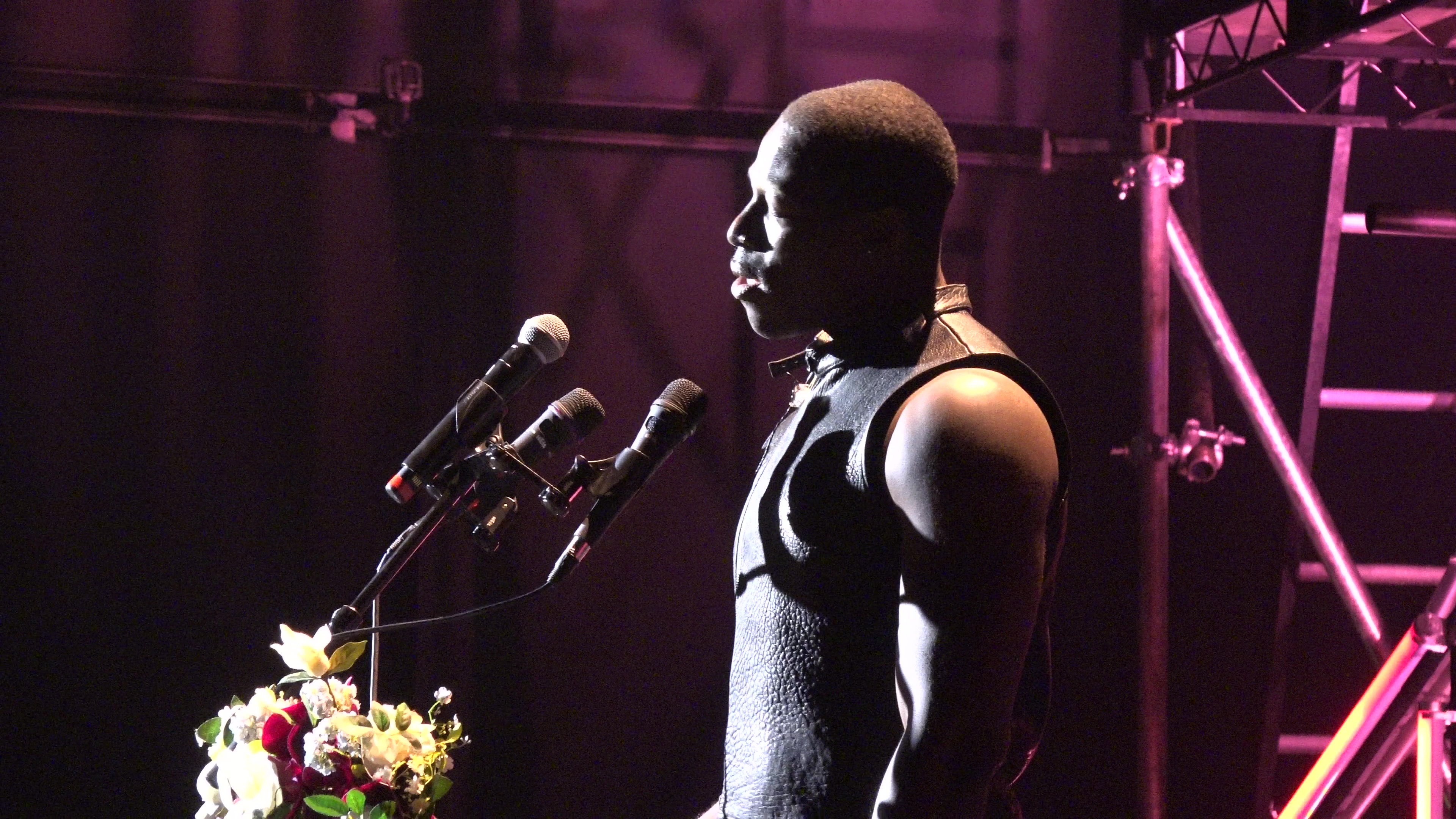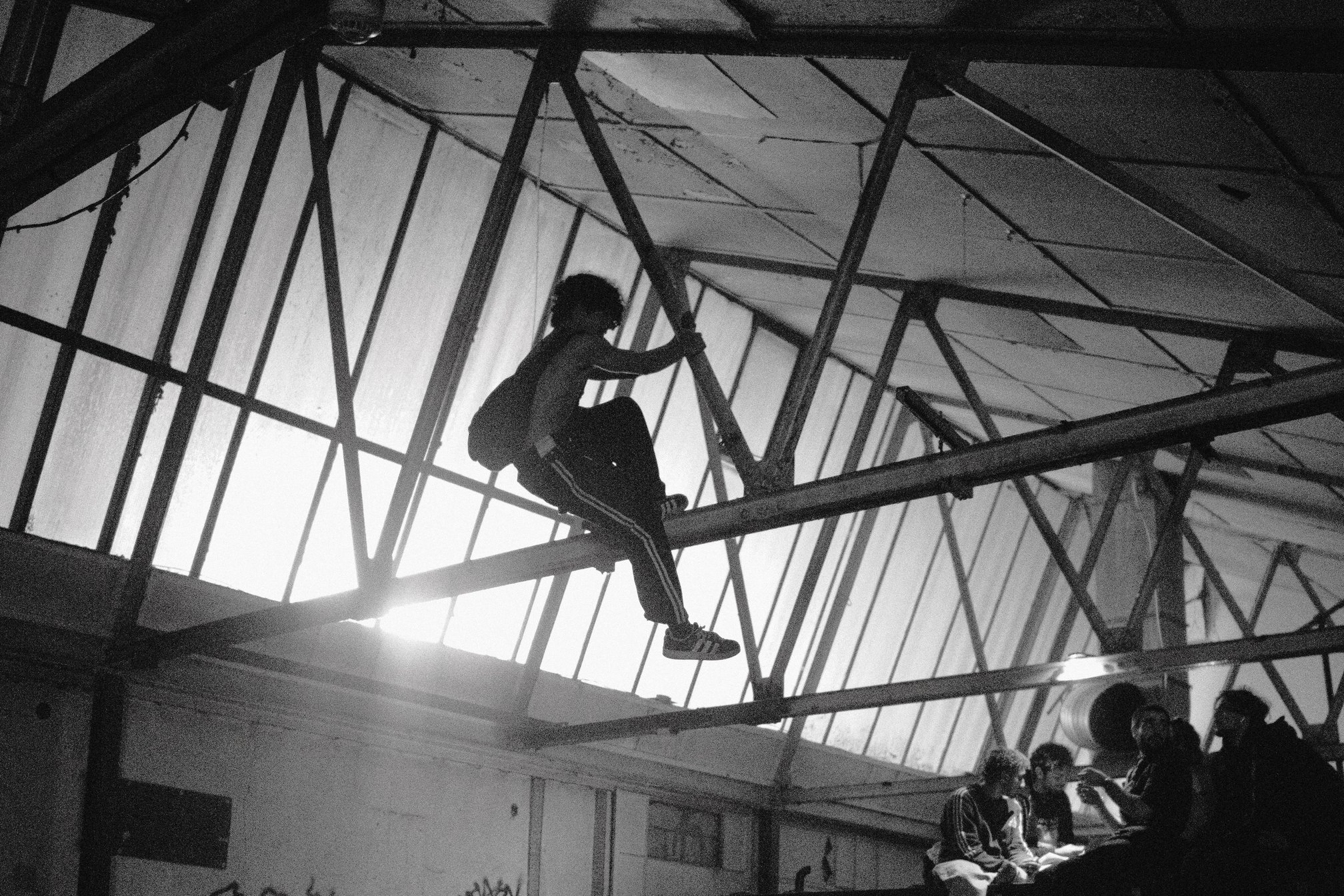
When clubs reopened in 2021 after the pandemic closures, something was different. The conversation before reopening had been primarily about economics, the financial damage to venues, the loss of livelihoods for promoters and performers and bar staff. What the reopening revealed was that the period of closure had done something to the culture too: had clarified, for the people who cared most about it, what they were returning to and why it mattered.
London's underground club scene in 2022 felt charged in a way I hadn't felt in it for years. Not the charge of novelty, novelty is easy and usually cheap, but the charge of necessity. People dancing because they needed to be dancing. People in rooms together because the alternative had been rooms alone. A quality of attention and gratitude that the scene had been too cool to perform before the lockdowns changed everyone's relationship to the option of absence.
The specific venues I keep returning to in my memory of this period are all mid-sized at most, Fold, Corsica Studios, venues in Peckham and Dalston and Hackney that have been doing this work for years without mainstream recognition. The nights I remember are the ones where the music and the room and the particular group of people who showed up on that particular Friday aligned into something that felt like more than the sum of its parts.
What the Scene Is Actually Doing
The London underground club scene is not one thing. It's a constellation of communities, Black queer club culture and its multiple lineages, the predominantly South Asian scenes that have been developing in East London, the diasporic African club cultures, the various electronic music subcultures that have been evolving since the early days of UK garage and jungle and grime, that occasionally overlap and more often operate in parallel.
What unites them is a commitment to the club as a space for communities that don't always have spaces, as a place where the norms of the dominant culture are temporarily suspended, as a site for collective experience that is simultaneously physical and political and joyful.
The mainstream can't touch this because the mainstream operates on the logic of broad appeal, of the averaged preference, of the experience designed for nobody in particular because it needs to work for everybody. The underground runs on specificity. The best underground nights are for particular people in particular moods looking for particular things, and the specificity is what makes them irreplaceable.
The Sound Architecture of These Rooms
The production values at smaller venues are not incidental. The sound systems at Fold and Corsica Studios are designed and maintained with a seriousness that most large clubs cannot match, not because large clubs lack the budget but because large clubs serve a different function. A sound system optimized for a room of three hundred people can do things with sub frequencies and spatial imaging that disappears when you scale up to two thousand. The physical experience of bass at that scale is a full-body event. You feel it in your chest, your jaw, the soles of your feet. That is not metaphor.
The music that works in these rooms tends to share certain qualities: patience, a willingness to take the crowd somewhere rather than drop them immediately into intensity, the kind of dynamic range that only matters when the low end is physical. The DJs who understand this, who build sets around the architecture of the room and the specific people in front of them, are doing something closer to composition than selection.
Who Is Building This
The people running these nights are doing organizational work that mostly goes unrecognized. Booking, promotion, negotiating with licensing authorities and local councils, managing the economics of door prices that remain accessible while production costs keep rising. That work is the infrastructure on which the culture rests. Without it, the music has nowhere to happen.
Several of the most significant nights in 2022 were run by people from the communities they were serving, which matters because it determines what gets booked and who feels comfortable showing up. When a Black queer night is run by Black queer people, it looks different from when it is run by allies, however well-intentioned. The curatorial instinct comes from a different place. The safety calculus at the door is different. The music is different. That difference is the whole point.
What Might Be Lost
I'm aware that writing about the underground with this kind of enthusiasm is its own form of threat, that visibility, once sufficient, changes the thing made visible. The history of subcultural London is also the history of scenes discovered, amplified, commodified, and ultimately diluted into something that resembles the original without being it.
The venues are under pressure from developers, from rising rents, from the economic logic that treats a former warehouse as potential luxury apartments rather than a cultural infrastructure that has generated something irreplaceable.
This is the same story every time. It doesn't have a good ending usually. But the thing itself, while it's happening, while the rooms are full and the music is right and the people who need to be there are there, that thing is still happening.
I'm still going. So are the people who know.
The nights I remember from 2022 are not the big ones. They're the smaller gatherings, fifty people in a room the right size for fifty people, a sound system the right size for the room, music that knew exactly who it was for. The intimacy of those nights is what I'm describing when I say the underground is doing something the mainstream can't touch. The mainstream can't be intimate at scale. The underground doesn't try to be anything other than what it is.
Those rooms still exist. The people who run them are still running them, still booking the music that matters, still creating the conditions for something to happen. I'm still showing up. Some things are worth showing up for.