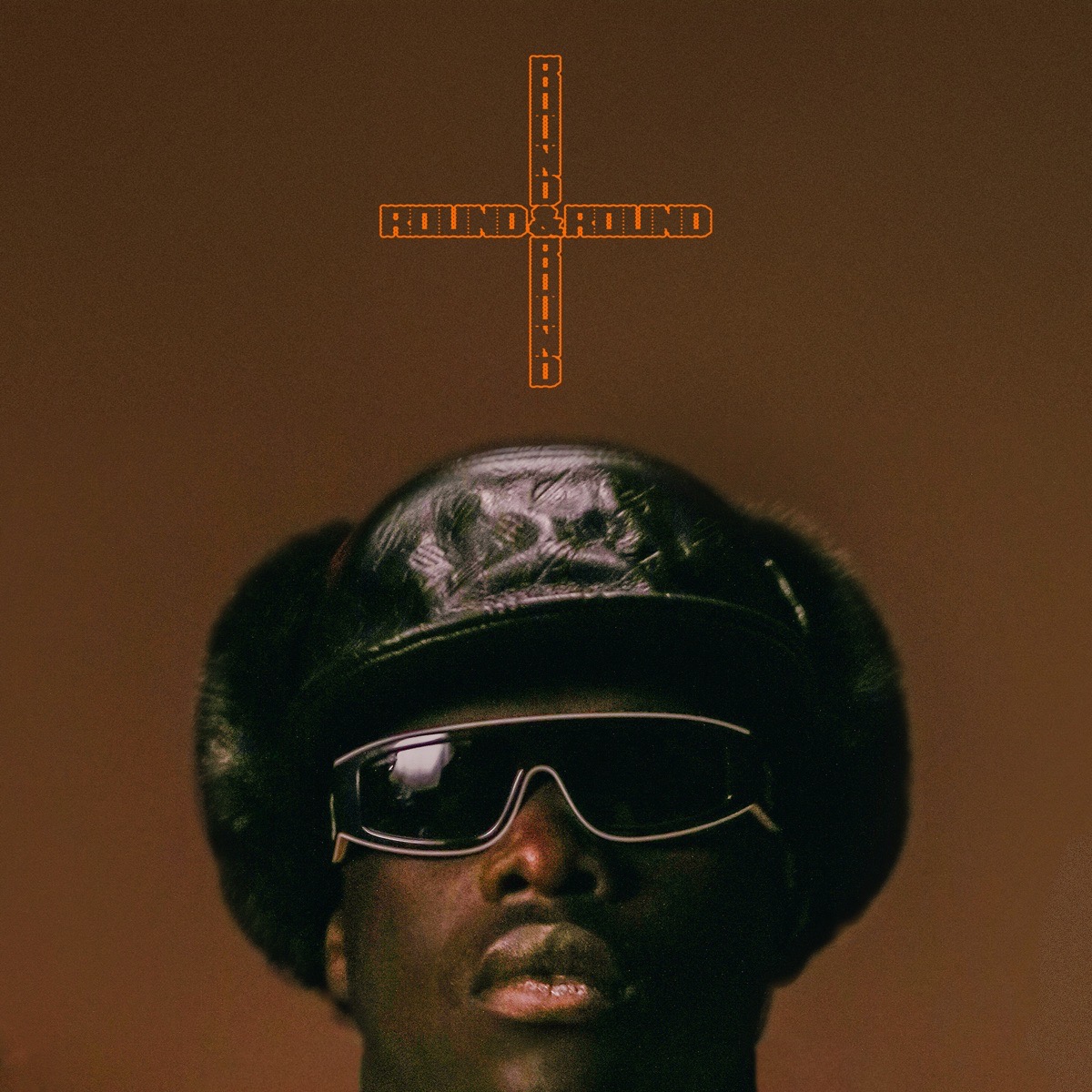
There are producers who chase the spotlight and producers who feed the people who stand in it. Joe Thornalley, working as Vegyn, has spent a decade being extraordinarily good at the second one while also making some of the most interesting solo work no one talks about.
You know his work even if you don't know his name. He contributed production to Frank Ocean's Blonde and Endless, the two records that reshaped what an R&B album could look like in 2016. He hosted Blonded Radio. He played the PrEP+ nights in New York. He moved quietly through a moment that was very loud, left fingerprints on it, and then went back to London.
His own label, PLZ Make It Ruins, has been operating since 2014. It started as a record label and became something more porous, a space for releasing music but also for thinking about what releasing music means when the industry has collapsed into streams and algorithmic placement. Vegyn has been deliberately contrary about it in a way that does not feel performative. He is not making a statement. He is just not playing the game.
The Frank Ocean Years
The contributions to Blonde and Endless are worth dwelling on because of what they did and what they did not do to Vegyn's profile. Blonde is one of the most critically examined albums of the decade. Every production credit on it has been scrutinized. Vegyn is on that record, and yet the scrutiny mostly passed him by. He was not interested in claiming territory from the spotlight. The work was its own reward, or at least it was its own reason.
That relationship with Frank Ocean, the Blonded Radio hosting, the PrEP+ parties that briefly made him a New York fixture, gave him access to a network and a context that most London producers his age would have leveraged aggressively. He chose not to. He went back to London and kept making music on his own terms. That decision, repeated over a decade, is the shape of his career.
The Solo Discography
His solo discography reflects the same contrary logic. Don't Follow Me Because I'm Lost Too!!, a sprawling 2022 release, dropped with almost no promotional apparatus and turned out to be one of the more fascinating electronic records of that year, dense, melodic, occasionally overwhelming, and deeply unhurried. Tracks like Skullflower and Debold operate with a logic that is hard to trace but easy to feel.
The album's title is a kind of anti-invitation. It tells you exactly what kind of artist made it: one who is not going to guide you through the experience, who is not interested in making the listening easy, who trusts that the right people will find the work and meet it where it is. That trust is either arrogant or honest, and the music is honest enough to make the distinction irrelevant.
The Electronic Record That Nobody Talked About
The critical silence around Don't Follow Me Because I'm Lost Too!! is worth examining as a phenomenon. The record received attention from the publications that pay attention to difficult electronic music, but it did not cross into broader cultural coverage the way that a record of its quality, from a producer with his profile, might have if it had been accompanied by a conventional promotional campaign.
This is the bet Vegyn keeps making: that the work is enough, that the right people will find it, that the absence of noise around the release is not a failure of marketing but a success of intention. The people who found Don't Follow Me Because I'm Lost Too!! found it because they were already paying attention, and their attention was rewarded in proportion to its quality. That is a model that requires patience from both the artist and the audience. Both have delivered it.
PLZ Make It Ruins
PLZ Make It Ruins as a label has operated like an extension of Vegyn's thinking about what music is and how it should circulate. It has released his work and the work of collaborators and friends, without the kind of marketing apparatus that contemporary independent labels are supposed to maintain. The releases appear, they exist, people find them or they don't.
This is not a romanticized version of the underground. It is just a set of practical decisions about how to operate in an industry that rewards noise over quality. The counter-move is to produce quality and let the noise happen elsewhere.
Headache and the Collaborative Mode
His Headache project with vocalist MIC delivered Thank You for Almost Everything in late 2025, another record that refuses to announce itself. It is warmer than his solo work, structured around something close to pop songwriting, and easier to hold, though not easier to understand.
The collaboration with MIC reveals a different side of his production instinct: his solo work optimizes for density and complexity, but when he is building a frame for a vocalist he pulls back, creates space, makes decisions about what to leave out rather than what to add. The songs arrive fully formed, which is harder than it sounds when the production is as restrained as it is here.
Vegyn does not seem interested in being discovered. That's fine. The work is there when you go looking for it, and it holds up every time.
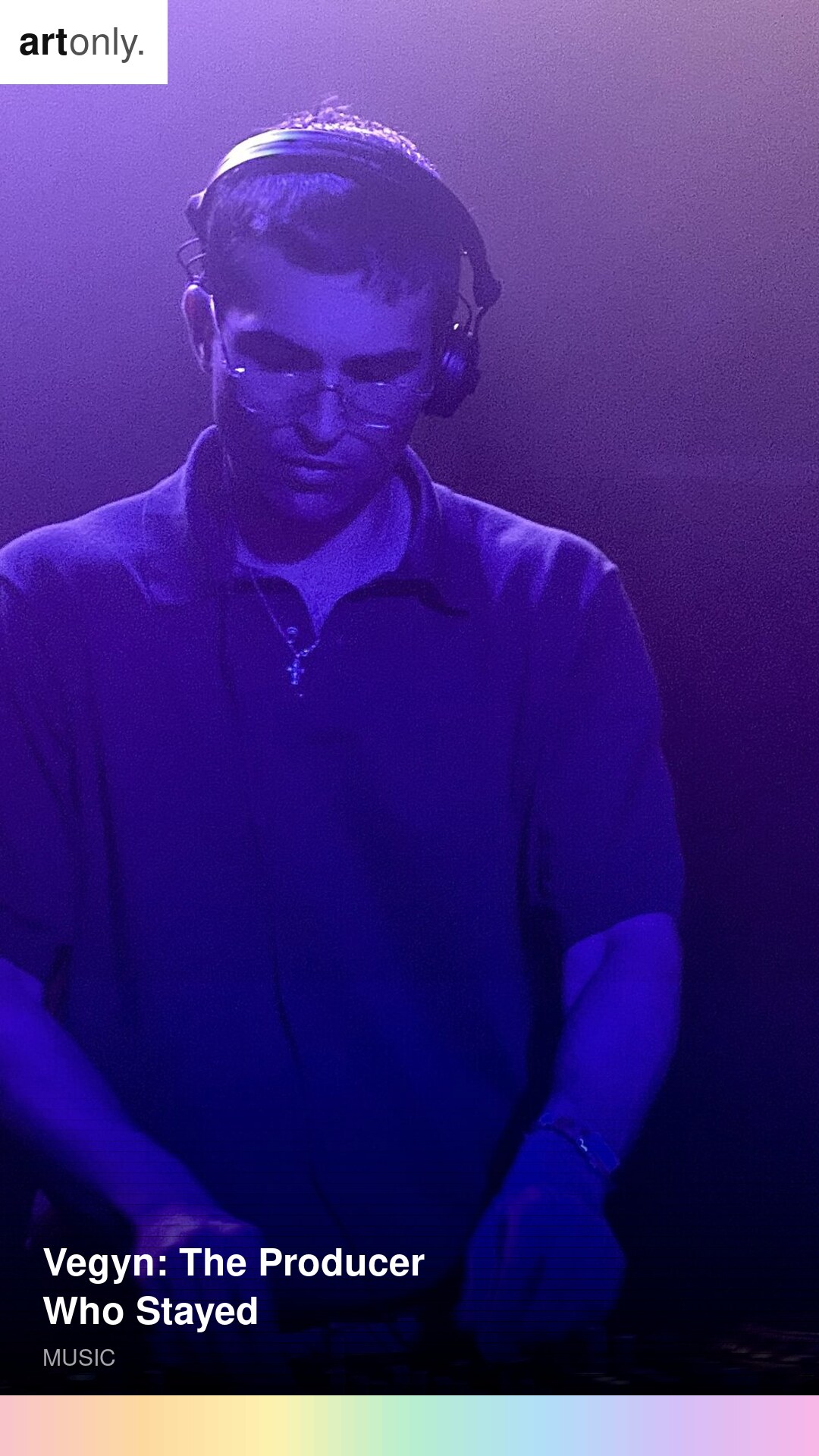
The name on the studio credits is a small thing to look for. It will not always be loud. But the music that surrounds it tends to be something worth finding.