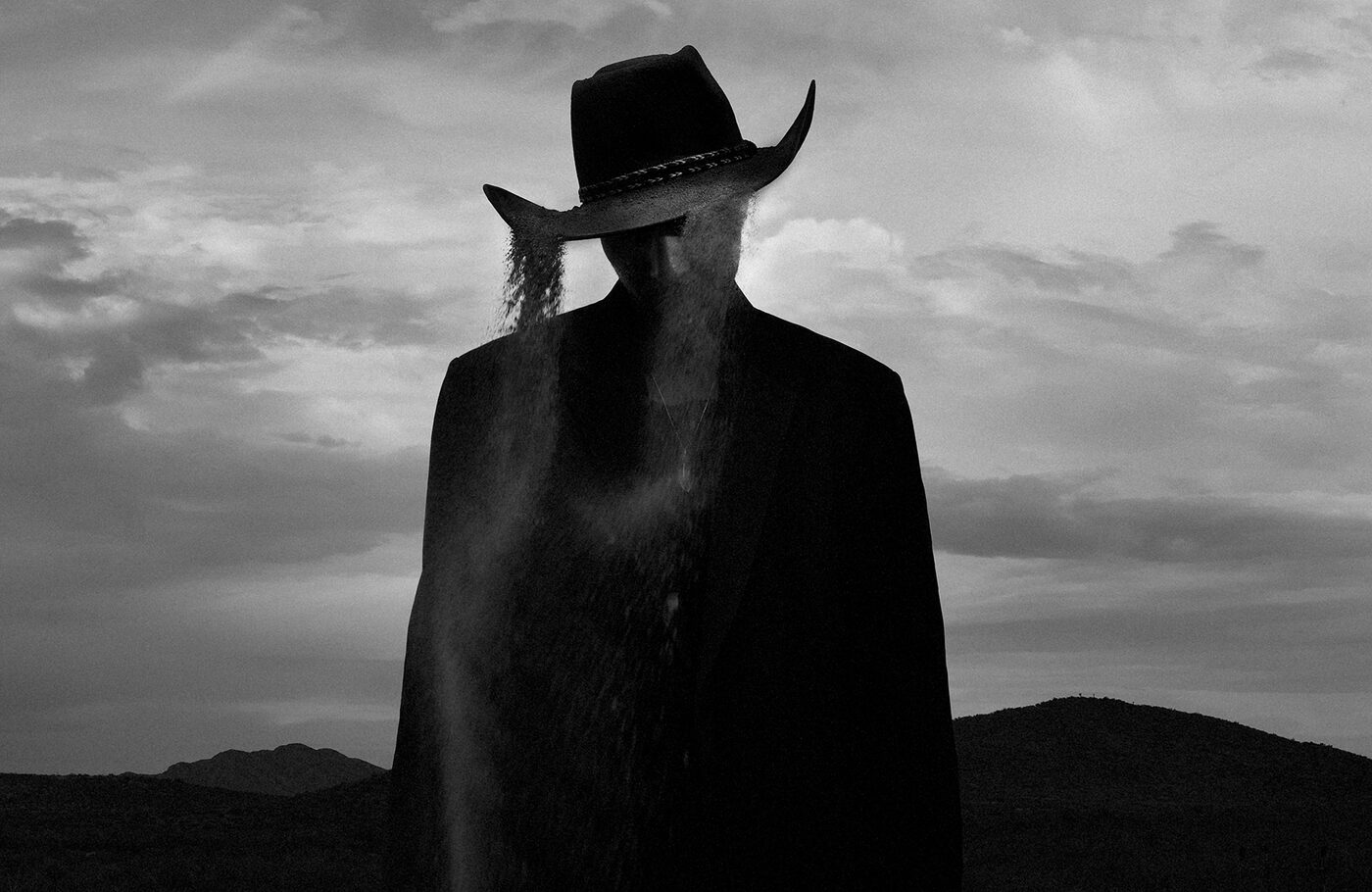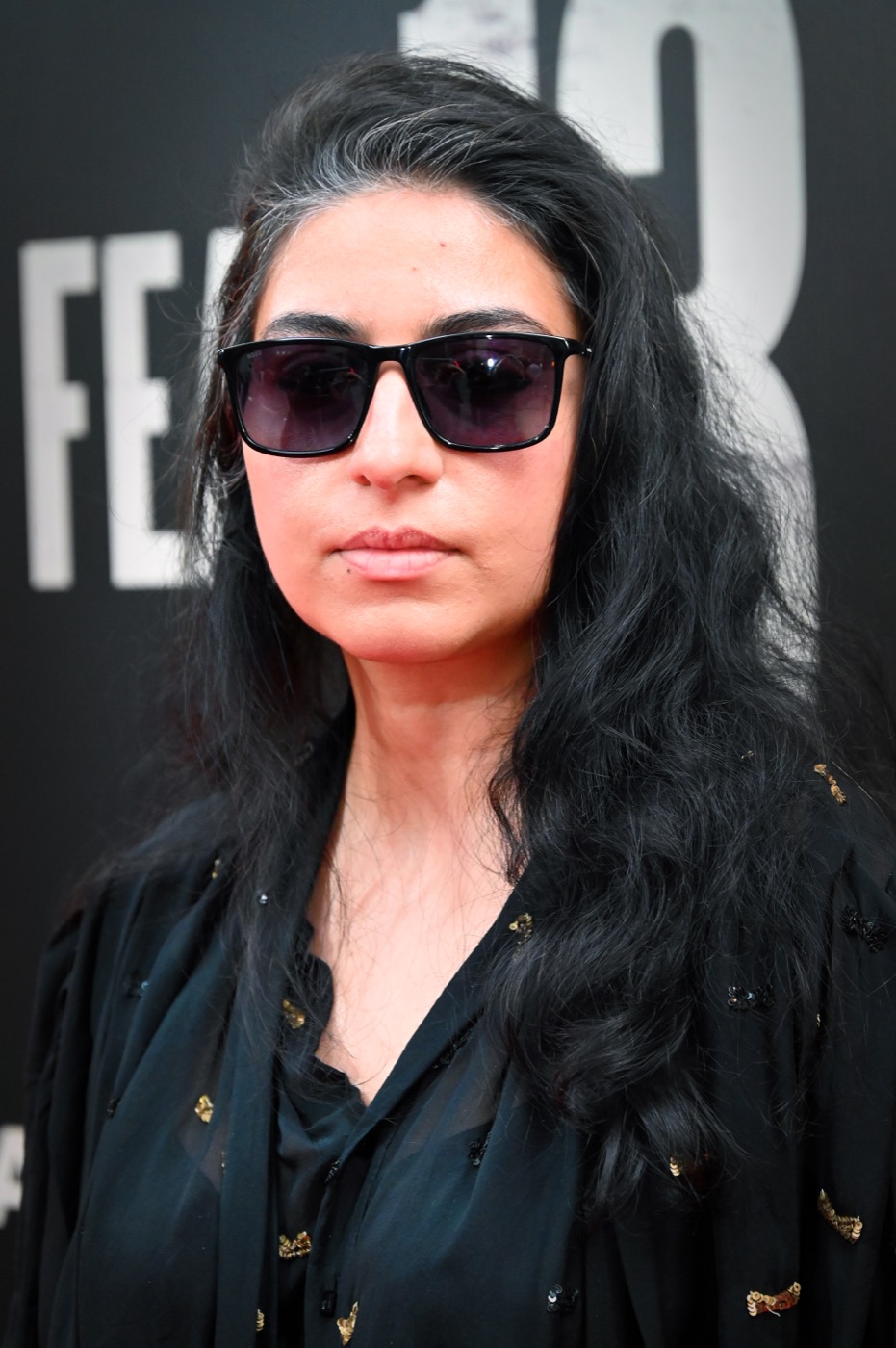
Arooj Aftab is a Pakistani American singer, composer, and producer who has quietly reshaped what global music sounds like in the twenty first century. Born in Riyadh, Saudi Arabia, raised in Lahore, Pakistan, and trained at Berklee College of Music in Boston, she now makes her home in New York. Her work draws from Urdu classical poetry, jazz minimalism, Sufi devotional music, and ambient electronic production, blending these traditions into something that feels simultaneously ancient and entirely new. In 2022 she became the first Pakistani artist ever to win a Grammy Award, a milestone that introduced her to a far wider audience while barely scratching the surface of what she has been building for over a decade.
Early Life and the Road to New York
Arooj Aftab was born in 1985 in Riyadh, Saudi Arabia, where her Pakistani parents were living at the time. Around the age of ten the family returned to Lahore, Pakistan, where she grew up surrounded by the rich tradition of Urdu language and music. She taught herself guitar as a teenager and shaped her vocal approach by listening to Billie Holiday, Begum Akhtar, Hariprasad Chaurasia, and Mariah Carey, a listening education that crosses continents and genres in a way that would come to define her artistry.
She moved to the United States at the age of 19 in 2005 to study at Berklee College of Music in Boston, earning a degree in music production and engineering. That technical foundation gave her the tools to not only perform but to produce and engineer her own work with full control over the result. After graduating she relocated to New York, where she began scoring films and working as an editor, building the infrastructure that would eventually support her recording career. She was also among the first musicians in Pakistan to use the internet to share her work in the early 2000s, and her early online recordings helped spark a Pakistani indie music scene that had few precedents at the time.
The Discography: From Bird Under Water to Night Reign
Arooj Aftab released her debut album, Bird Under Water, independently in 2014. The record introduced her as a distinctive voice working at the intersection of jazz and South Asian classical traditions, though it reached only a small audience at the time. Her second album, Siren Islands, followed in 2018 and developed her sound further, expanding the spare arrangements into something more textured and emotionally complex.
The breakthrough came with her third album, Vulture Prince, released on April 23, 2021, through New Amsterdam Records. The record was dedicated to the memory of her younger brother, Maher, and its grief is woven into every arrangement. The songs stretch out slowly, allowing silence to carry as much weight as sound. The album features a rotating cast of guest musicians, with a different combination on nearly every track. Guitarist Gyan Riley appears on the lead single "Mohabbat," and that collaboration gives the track a quality that is both intimate and expansive. A deluxe edition of Vulture Prince followed in June 2022, adding a track featuring sitarist Anoushka Shankar.
In 2023, Aftab released Love in Exile, a collaborative album created with jazz pianist Vijay Iyer and multi instrumentalist Shahzad Ismaily. The record was built largely from improvisation and represents one of the most ambitious experimental projects of her career. It received significant critical attention and further cemented her reputation as an artist willing to push against the boundaries of any single genre or format.
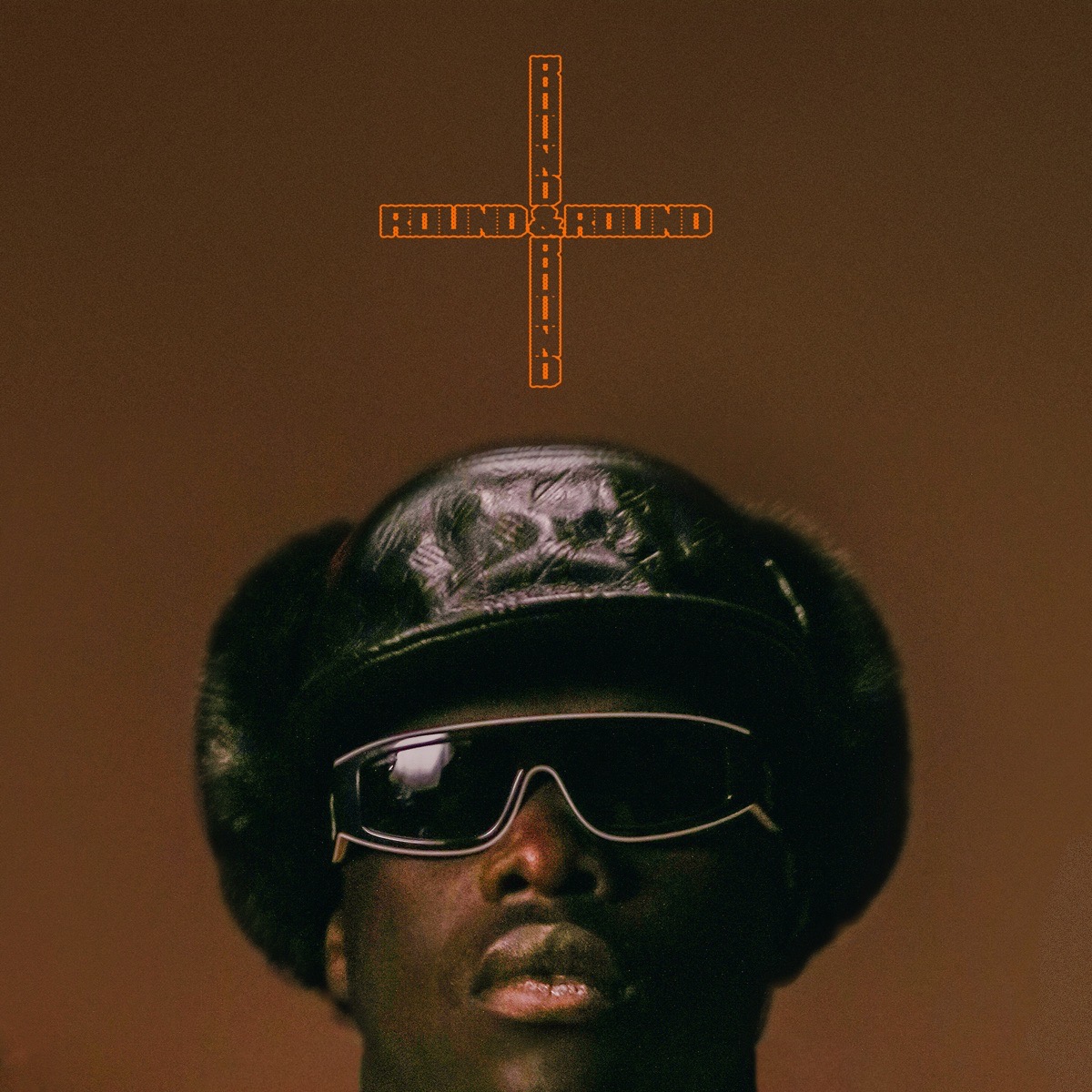
Her fourth solo album, Night Reign, arrived on May 31, 2024, through Verve Records. The album continued to develop the nocturnal, introspective quality that has characterized her work across all four records, featuring contributions from Gyan Riley, Kaki King, Maeve Gilchrist, Vijay Iyer, Shahzad Ismaily, Moor Mother, and Elvis Costello, among others. Vijay Iyer appears on piano on the track "Saaqi," and Shahzad Ismaily contributes synthesizer to the record.
The Grammy Win and the Song That Changed Everything
At the 64th Grammy Awards in April 2022, Arooj Aftab won the Best Global Music Performance award for the song "Mohabbat" from Vulture Prince. She also received a nomination for Best New Artist, a remarkable recognition for an independent artist working in a tradition unfamiliar to much of the Recording Academy's membership. The win made her the first Pakistani artist ever to receive a Grammy Award, and in 2023 she became the first Pakistani artist to perform at the Grammy ceremony itself.
The recognition given to "Mohabbat" was not limited to the awards circuit. Barack Obama selected the track for his 2021 summer playlist. The song was named one of the best songs of the year by both Time magazine and The New York Times. On Pakistan's seventy fifth independence day, President Arif Alvi honored her with the Pride of Performance Award, the country's highest recognition for excellence in art and music. All of this attention arrived for a song sung in Urdu, built around classical poetic forms, and recorded on an independent label.
How She Makes Her Music: Style and Approach
Aftab's music resists easy categorization. She works across jazz, minimalism, neo Sufi devotional traditions, Hindustani classical music, indie folk, and ambient electronic production. Her singing style is spare and controlled, drawing from the classical Urdu ghazal tradition without being bound by its conventions. Her arrangements favor open space over density, allowing individual sounds to exist with room around them. The effect is music that asks the listener to slow down rather than keep up.
What sets her apart from other artists working at the intersection of South Asian and Western musical traditions is her refusal to treat either tradition as a backdrop for the other. The Urdu poetry she sets to music is not ornamentation layered over a jazz framework. The jazz harmonies and jazz inflected rhythms she uses are not a veneer applied to classical forms. The two exist in genuine conversation, and the result is music that does not sound like it is trying to be anything other than itself.
Her production background shapes this approach in practical ways. She controls the sound of her records with considerable care, working from a technical understanding of how the studio itself can function as an instrument rather than just a place where music is captured.
Why Arooj Aftab Matters
Arooj Aftab arrived at a moment when audiences were genuinely hungry for music that moved beyond the boundaries of format and geography, and she offered something that radio formats and streaming algorithms had not quite accounted for. Her success is not the product of a marketing campaign or a calculated crossover move. It developed through years of independent work, critical word of mouth, and a growing community of listeners who found in her music something they could not easily find elsewhere.
She has also opened doors. Her Grammy win brought international attention to Pakistani independent music and demonstrated that listeners around the world are willing to engage seriously with music sung entirely in Urdu, built around classical forms, and rooted in personal grief. She is a genuinely world expanding artist, someone whose work does not just reach across borders but makes those borders feel like a less useful way of thinking about music altogether.
For anyone coming to her music for the first time, Vulture Prince is the essential starting point. Night Reign rewards patience and repeated listening. Love in Exile rewards curiosity about what improvisation sounds like when it is built on real trust between musicians. Any of the three will make clear why she matters.