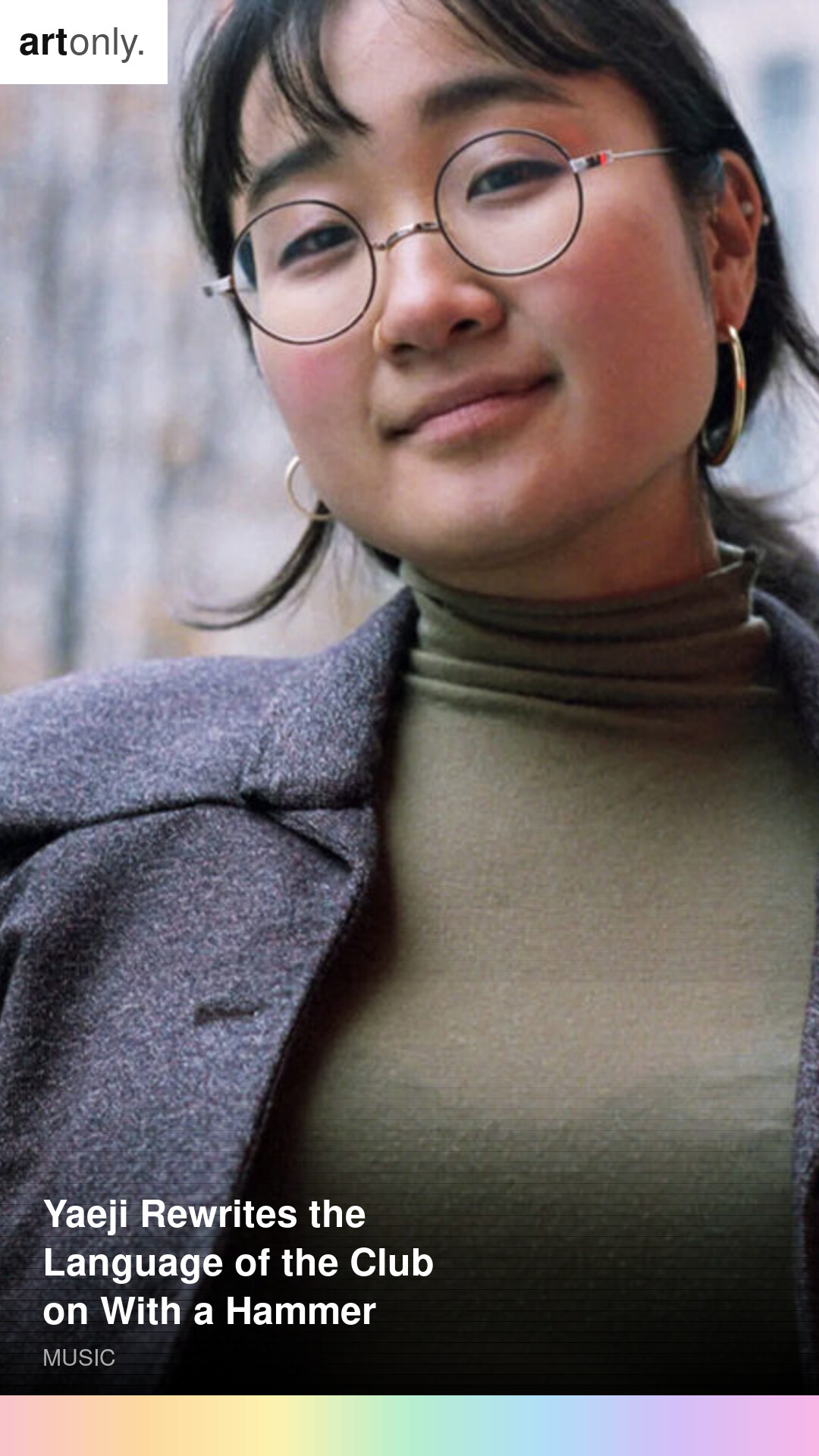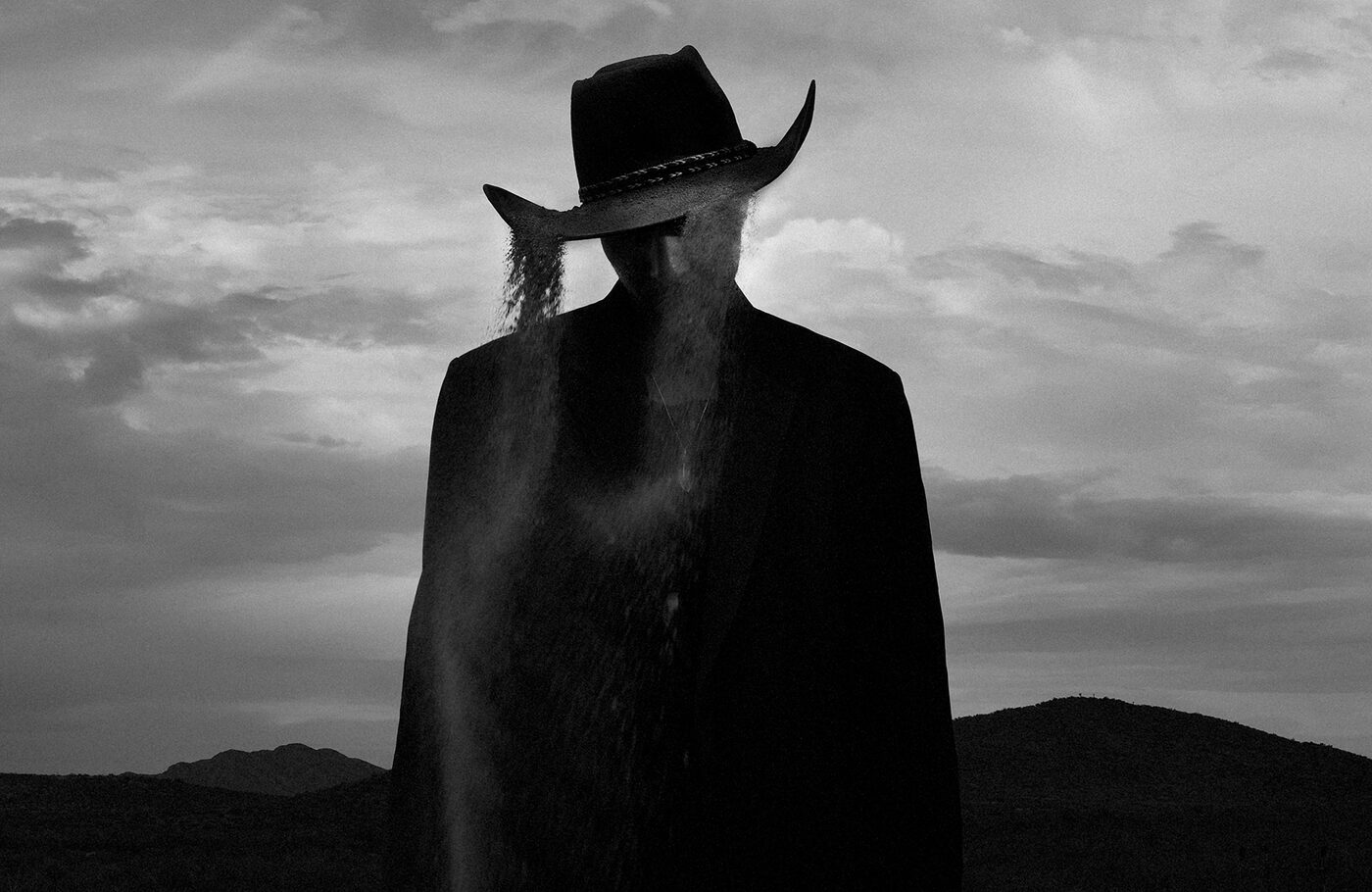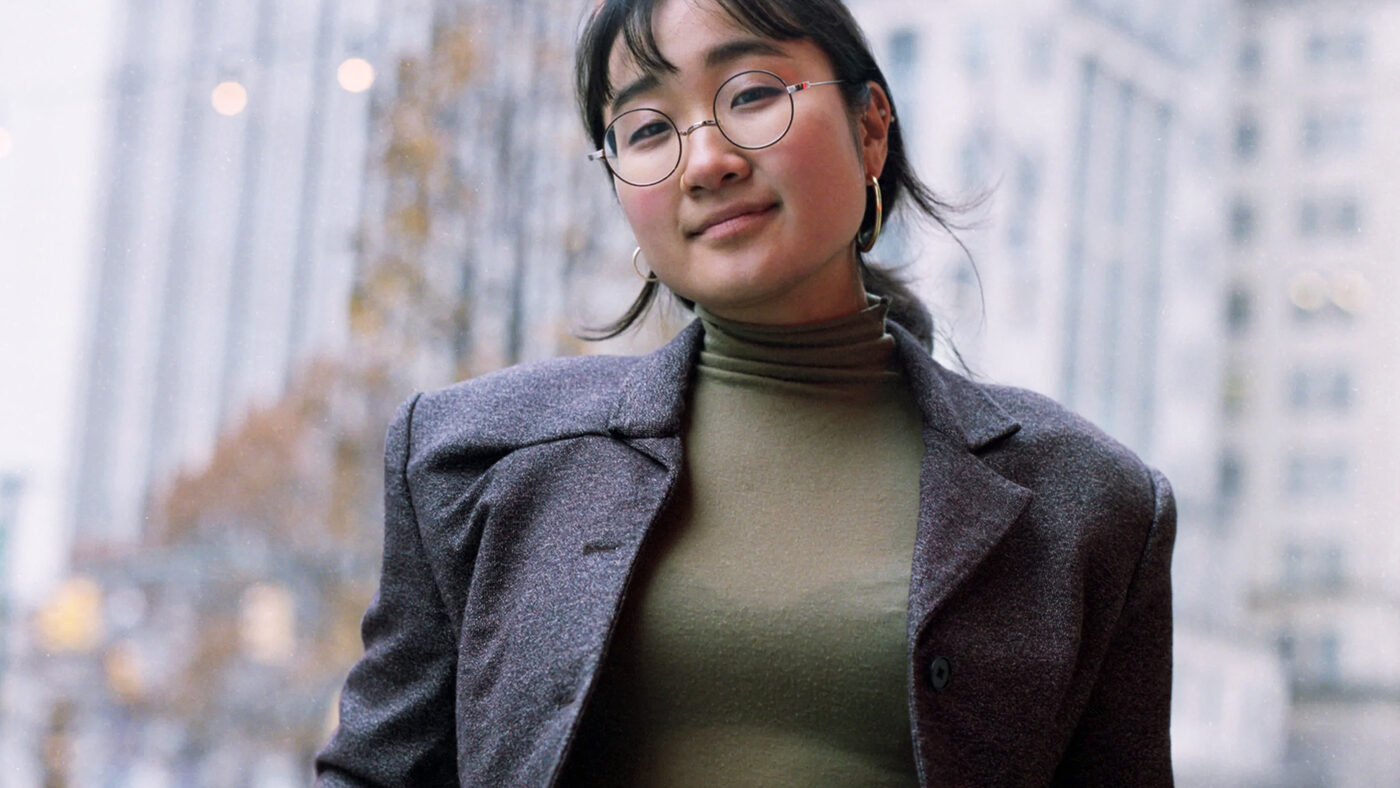
Kathy Yaeji Lee arrived in underground club culture as something that culture rarely produces and almost never sustains: an artist who sounds genuinely like no one else. Her early EPs, released from 2017 onward, established a template for music that was simultaneously intimate and danceable, murmured and insistent, Korean and English in a proportion that shifted from track to track without ever feeling calculated. With a Hammer, released through XL Recordings in April 2023, proved that template was not a phase. It was a foundation.
From Seoul to Brooklyn, From House to Something New

Yaeji was born in Seoul and grew up moving between South Korea and the United States, spending significant time in Atlanta and later settling in Brooklyn, New York. The experience of being between cultures, of being legible in two languages and fully at home in neither, is one she has discussed openly and translated directly into her music. Her vocals shift between Korean and English within a single song, not as a performance of identity but as an accurate description of how she actually thinks and moves through the world.
Her early releases on the Godmode and Episteme labels introduced a sound built around house music rhythms, vocals delivered in a register between speech and song, and production that found power in restraint. Tracks like raingurl and drink i'm sippin on became touchstones in the electronic underground not because they were louder than anything else in the room but because they were stranger and more honest. The intimacy of her delivery, almost a whisper over club rhythms, created a productive tension that proved enormously influential on a generation of producers who followed.
The Architecture of With a Hammer

With a Hammer was Yaeji's first full-length album, and it announced a significant expansion of her musical vocabulary. Where her earlier work was rooted in house and its adjacent forms, the album incorporated trip-hop textures, elements of rock, and live instrumentation she played herself, including guitar. The result was an album that sounded nothing like a debut: it had the confidence of an artist who knew exactly what she was building and precisely why she was building it.
The album was shaped in collaboration with producers K Wata and Enayet Kabir, alongside guest contributions from Loraine James, a producer based in London, and Nourished by Time, a vocalist from Baltimore. These collaborations were not decorative additions to a finished work. Each guest brought a perspective that pushed the album into territory Yaeji could not have reached alone, and the editing of those contributions into a coherent whole was itself an artistic act of considerable discipline.
The title track set the emotional register for everything that followed: unsettling, precise, and direct in a way that resisted easy categorization. A hammer, in Yaeji's hands, was simultaneously a tool of destruction and a tool of construction. The album used both meanings, often within the same song.
Language as Instrument

One of the most distinctive features of Yaeji's music is her relationship to language. In an industry that has historically pressured Korean artists to choose between markets, Yaeji has refused the choice. Her use of both Korean and English in a single song is not a compromise between two audiences. It is an assertion that the two audiences are the same audience, or ought to be treated as such.
This position carries political weight that Yaeji has never avoided. The experience of being Korean American in a culture that treats those identities as separate and sometimes in tension is central to her work. She approaches that experience through texture and rhythm rather than through explicit declaration, which gives the music a universality that more didactic approaches sometimes lack. Listeners who share her specific experience recognize it immediately. Listeners who do not are still drawn in by the feeling, which is itself a form of bridge that few artists manage to build without collapsing either side.
The Collaborators and the Community

Yaeji has been consistent in crediting the community around her as central to her creative process. The video for raingurl, co-directed with Enayet Kabir, was made with friends rather than professional models or hired performers. The aesthetic was underground because the underground was where she actually lived, not because she was trying to signal authenticity from a safer distance. There is a meaningful difference between these two positions, and her early work made that difference legible.
XL Recordings, the UK label that released With a Hammer, gave her the resources to expand without requiring her to change direction. The relationship between artist and label on this record felt genuinely collaborative: the album sounds like a Yaeji record made with more room to breathe, not like a Yaeji record made to satisfy a commercial brief. That distinction matters. It is audible in the music.
A Sound That Belongs to No One Scene

The critical response to With a Hammer was warm and came from a wide range of sources. It received serious attention from critics who cover electronic music, from critics who cover independent rock, and from publications whose typical terrain is neither. This crossover was not a result of compromise. It was a result of Yaeji making music that was genuinely difficult to place in any existing category, music that made its own category and then invited listeners to find it.
In 2026, as electronic music continues to fragment and the boundaries between genres continue to dissolve, Yaeji's position as an artist who has always refused those boundaries looks less like a personality trait and more like a structural argument about what music can do. The case she has been making since 2017, that intimacy and the dancefloor are not opposites, that English and Korean are not opposites, that underground and accessible are not opposites, has aged better than almost anything her contemporaries produced in the same period. With a Hammer was the fullest statement of that case. The next one will be worth waiting for.