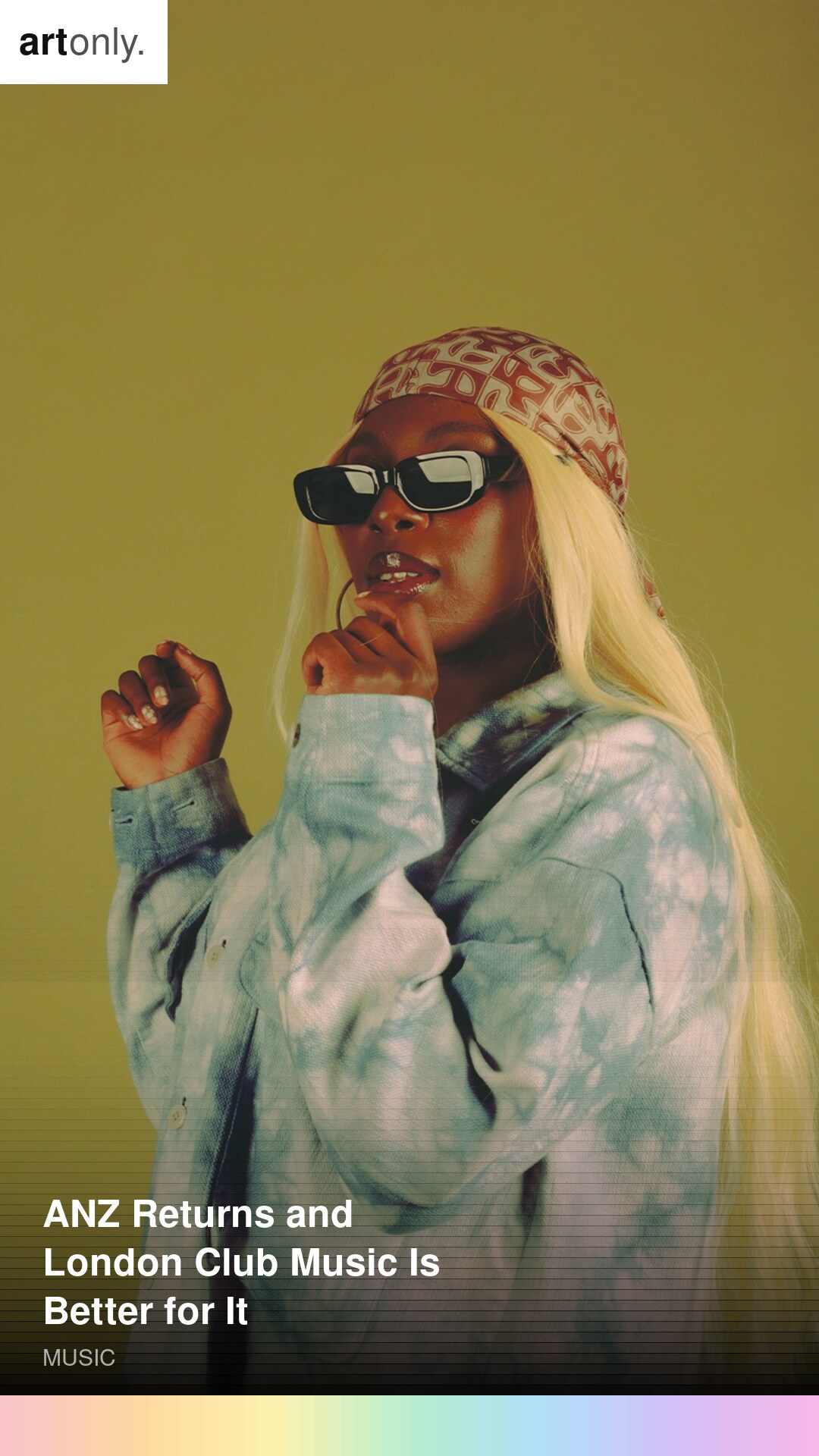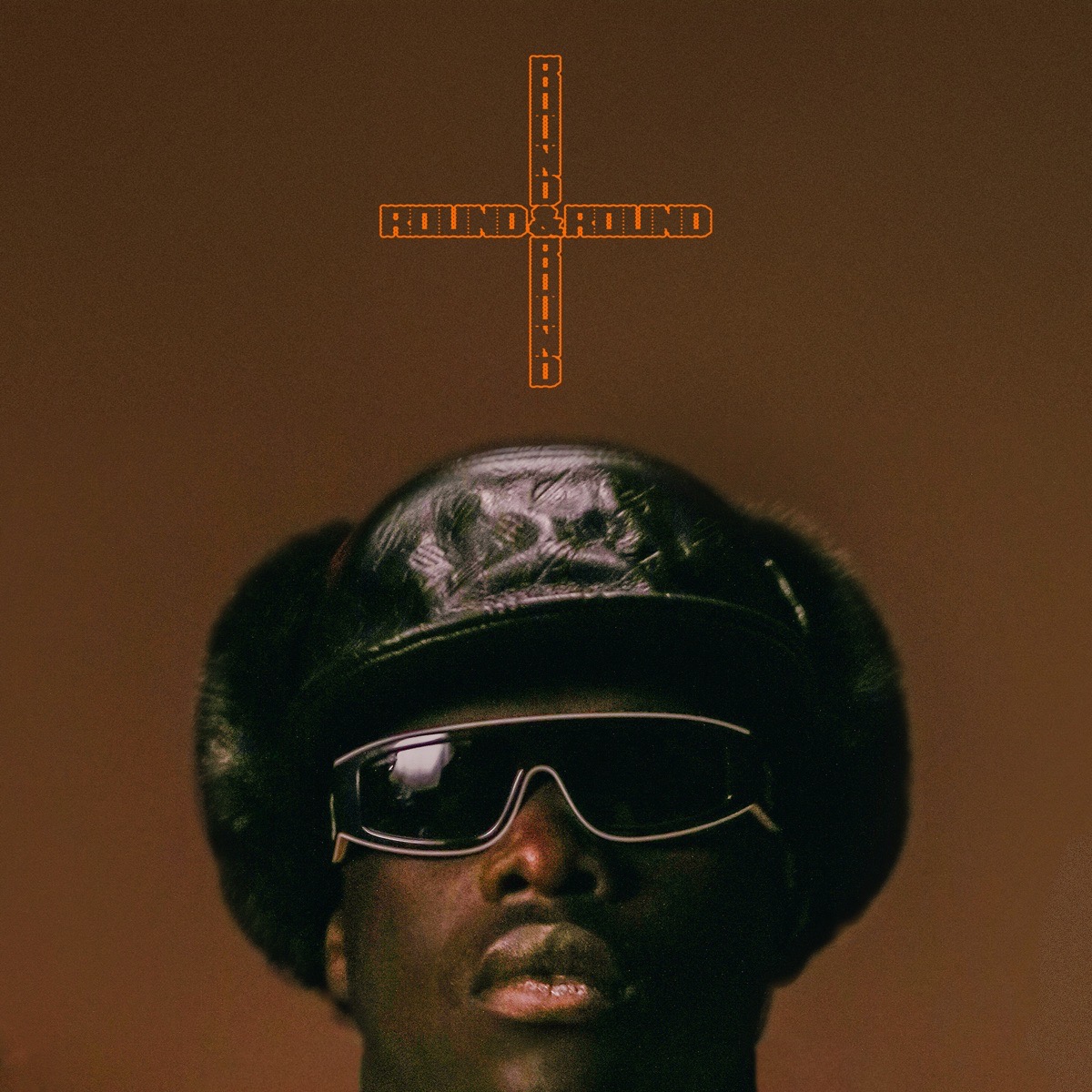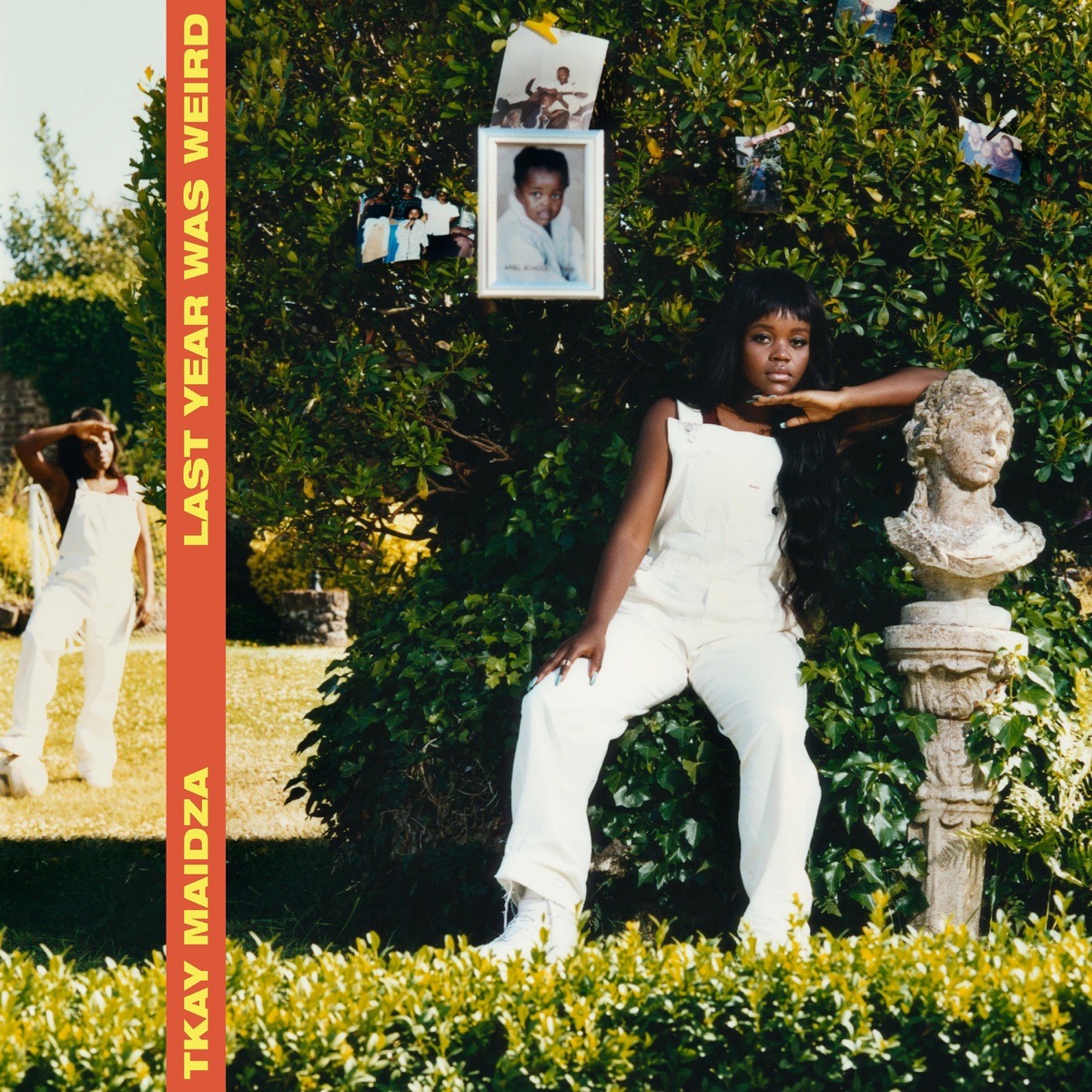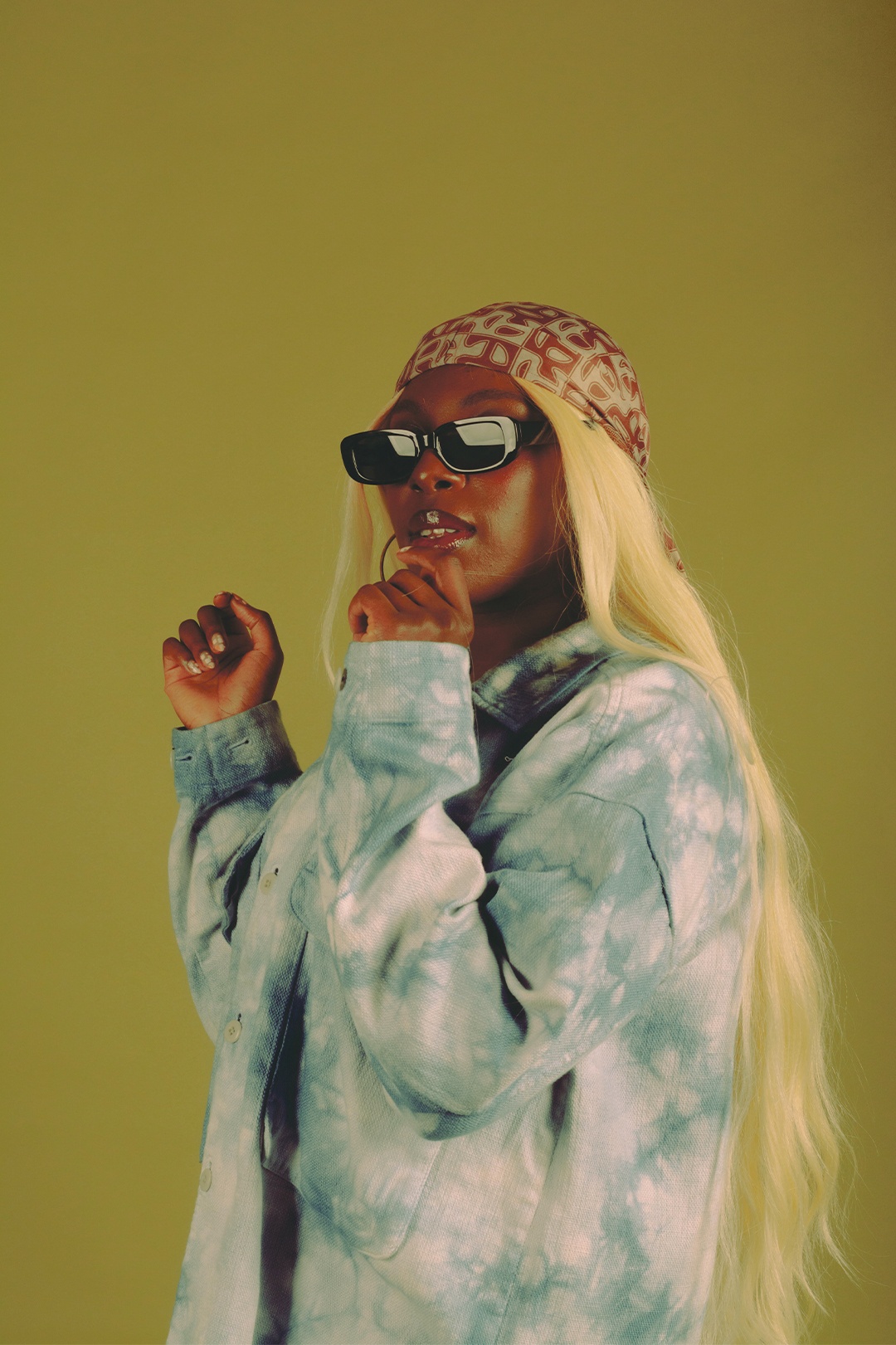
I wrote about ANZ in 2022 after All Hours and I said she deserved more attention than she was getting. She has gotten more attention since. This is not me taking credit for anything. I am one writer with a readership that I cannot measure and that certainly doesn't move the dial on anyone's career trajectory. What happened is that ANZ kept making music, kept DJing, kept building the slow accumulation of genuine respect that real careers are built on, and the world caught up. I say this not to summarise a success story. She's still not as famous as she should be. But the catching-up process is real and it's happening.
The new work is different from All Hours in ways that are interesting rather than alarming. The production has shifted toward something slightly harder-edged, less inclined toward the softer textures of the debut, more willing to let the rhythm be confrontational. She hasn't abandoned warmth. That quality that made All Hours so distinctive, the sense that the music cares about the listener, that pleasure is a value and not an embarrassment, remains. But she's placed it in a slightly more demanding context. The warmth has to do some work now to get through.
This is what good development looks like. Not a complete break with what came before, but an expansion and complication of it. The foundation remains visible. The structure built on it is new.
London in 2024
The London club scene that ANZ inhabits has itself continued to develop. The infrastructure of nights and venues that supports this kind of music, always precarious, always under threat from rising rents and licensing restrictions and the indifference of local authorities to the cultural value of nightlife, has survived and in some ways thrived. New nights have emerged. New spaces have opened. The community that makes this music and dances to it has demonstrated, again, its capacity to persist and regenerate in the face of considerable structural hostility.
ANZ has been central to this community in ways that go beyond her own recorded output. She's been playing nights, supporting other artists, being visible in the ways that scenes require their senior practitioners to be visible. Not as gatekeepers, not as arbiters of legitimacy, but as presences that give a scene continuity and identity. This is invisible work in the sense that it doesn't generate press releases, but it's real work and it matters.
The Hessle Audio Context
The label context around ANZ's work provides useful information for understanding its ambitions. Hessle Audio, the Leeds-based label co-founded by Ben UFO, Pangaea, and Pearson Sound, operates on principles that are unusual in any music scene and increasingly rare in independent club music. Releases happen when they're ready. Rosters are small. The curatorial philosophy prioritizes consistency of quality over volume of output.
ANZ's placement in this context says something about how her work is understood by the people most qualified to assess it. The Hessle community is not generous with credibility. The serious respect that the new work has generated in the circles that take this music most seriously is a different category of recognition than algorithmic success. It means specific people with excellent ears have listened carefully and found something worth sustaining attention on.
The relationship between ANZ's recorded output and her DJ practice is tighter than it is for most producers in this space. The tracks function as documents of a sensibility that gets its fullest expression in the mix, in the transitions, in how one piece of music hands off to the next across two hours at a venue that matters. The records are arguments. The sets are the full sentence.
On Return
The word "return" in the headline is slightly wrong, because ANZ never went anywhere. But there's a way in which a new body of work constitutes a return to attention, a renewed invitation to listen, and I want to accept that invitation openly. The new music rewards it. It rewards it differently than All Hours did. Less of the thing that made All Hours so warm, more of something sharper and more urgent. But the reward is real.
I've been playing the new work in contexts where I used to reach for other things and finding it serves those moments in unexpected ways. That flexibility, the capacity to function in different contexts, to mean different things to the same listener at different moments, is one of the marks of music that is genuinely good rather than merely successful within a narrow set of circumstances.
ANZ is getting better. London club music is better for it. I'll be here for whatever comes next.
The community around this music matters in ways that are hard to quantify but easy to feel. The people who show up to ANZ's sets are not casual. They're invested. They know the music, they've followed the career, they come with expectations that are specific enough to be surprised or satisfied in meaningful ways. That quality of audience, attentive, knowledgeable, genuinely invested, is itself a resource. It raises the stakes of performance. It creates the conditions for music to develop at the pace the artist sets rather than the pace the market demands. ANZ has built that audience over years and the music she's making now is partly a product of being in sustained dialogue with it.
The label context clarifies the ambition. Hessle Audio, co-founded by Ben UFO, Pangaea, and Pearson Sound, has operated since 2009 as one of the most consistent curatorial forces in British club music. It does not sign artists for commercial potential. It signs them because people with excellent ears believe in what they're doing. That ANZ's work found a home there, and has remained there through the development the 2024 material represents, says more about the music's quality and direction than any critical endorsement. The infrastructure exists not to make her famous but to make sure the music gets to the people who need it. That is the right arrangement.