From a Living Room Piano to the Whole World
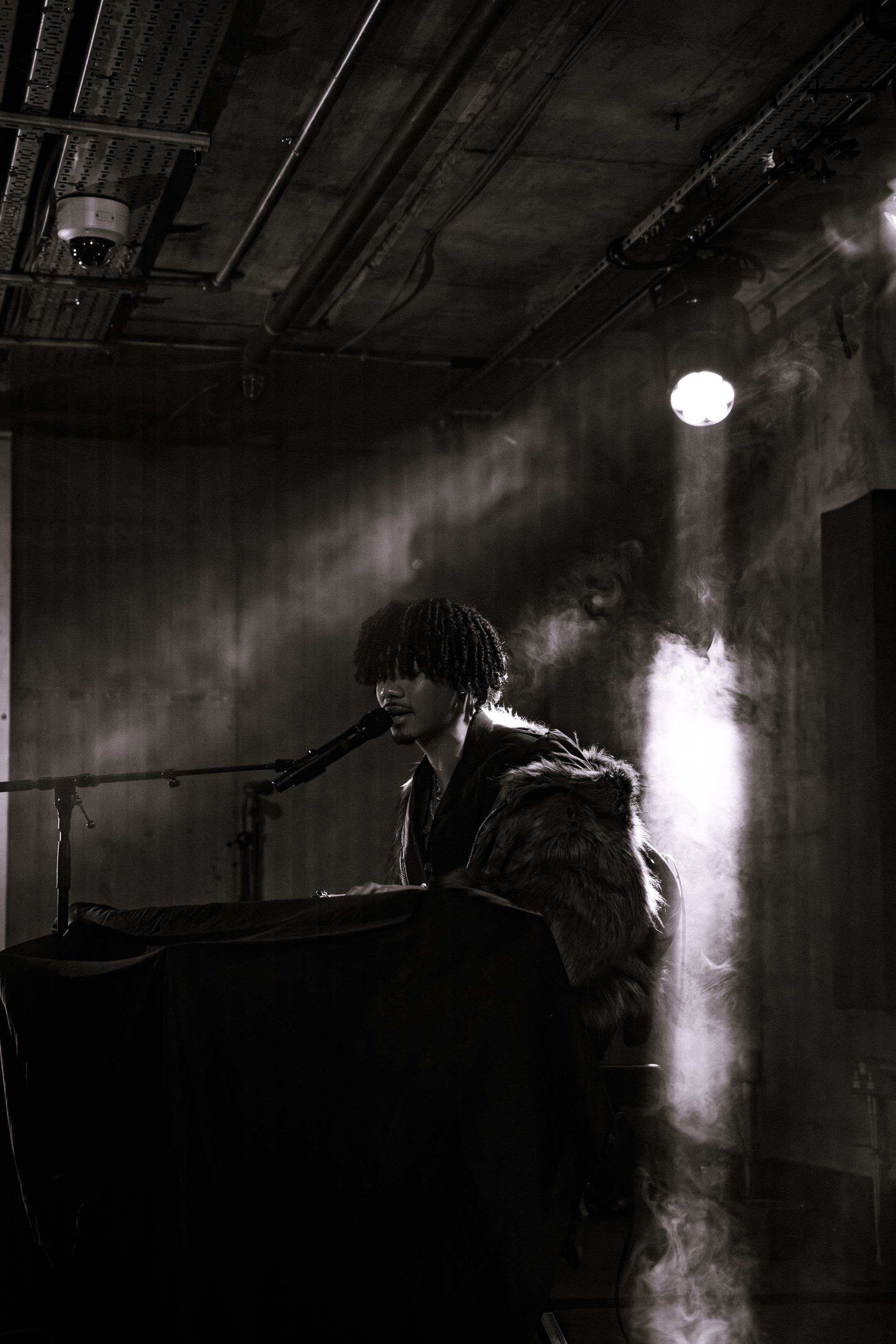
There is a video that has been circulating since 2022 that is worth watching before reading anything else about Bryant Barnes. A teenager sits at a piano in what looks like a family living room. He plays a song he clearly knows by heart. When it ends, an older woman nearby wipes her eyes. That woman is his grandmother. The song is I'd Rather Pretend. Nobody planned the moment. Nobody staged it. It moved across the internet because it was real, and that fact tells you more about Bryant Barnes than any streaming number does.
He was born March 13, 2003, in Cypress, Texas, a suburb northwest of Houston. His parents named him after Kobe Bryant. He started learning classical piano at six. Not because anyone pushed him, but because the instrument made sense to him immediately. He stayed with it longer than most kids would, and that patience is audible in everything he has made since.
Follow Bryant on Instagram at @bryantbarnes.
The TikTok Era and What Came Out of It

During COVID he started posting piano covers online. His version of XXXTentacion's Carry On was the one that moved. It was not impressive in a technical-showcase way. It was present. Like watching someone work through a feeling in real time rather than perform it for the camera.
Mercury Records signed him before he had released a proper single. He was eighteen. The label had been watching what was happening to artists who found audiences through authenticity before algorithm, and Bryant was a clear example of why that mattered. The covers proved there was a listener waiting for something quieter and more personal than what dominated the charts. The deal gave him time to develop without being rushed into a first single that would have to explain everything.
His early releases confirmed what the covers suggested. Warm R&B production built around piano, a voice that does not announce itself but draws you in, and a consistent emotional register that fans recognized immediately. The music felt offered rather than sold. That distinction, subtle as it sounds, shaped how a specific and loyal audience formed around him early.
I'd Rather Pretend
The song that changed the scale of everything is also the simplest thing he has made. I'd Rather Pretend starts with just piano and builds without rushing. The lyrics sit in the specific emotional space between knowing something is over and not being ready to leave yet. That territory is not new in R&B. What Bryant did with it was strip away every layer of production that was not necessary and let the song breathe.
The grandmother video attached itself to the song and the two became inseparable. She was not performing for anyone. Neither was he. When it spread, it spread because people sent it to someone they loved, or used it in something personal, or just sat with it alone. Two hundred and eleven million streams. Number seven on the Billboard Hot R&B chart. Year-end list placements from critics who had not been paying attention to Cypress, Texas before. The song found an audience that a traditional radio campaign would never have reached, because the path ran through real emotion rather than format.
His COLORS Show session the same year is worth watching back to back with the official video. Stripped entirely to voice and piano in a white room, it makes the case that the song does not need anything else around it.
Vanity
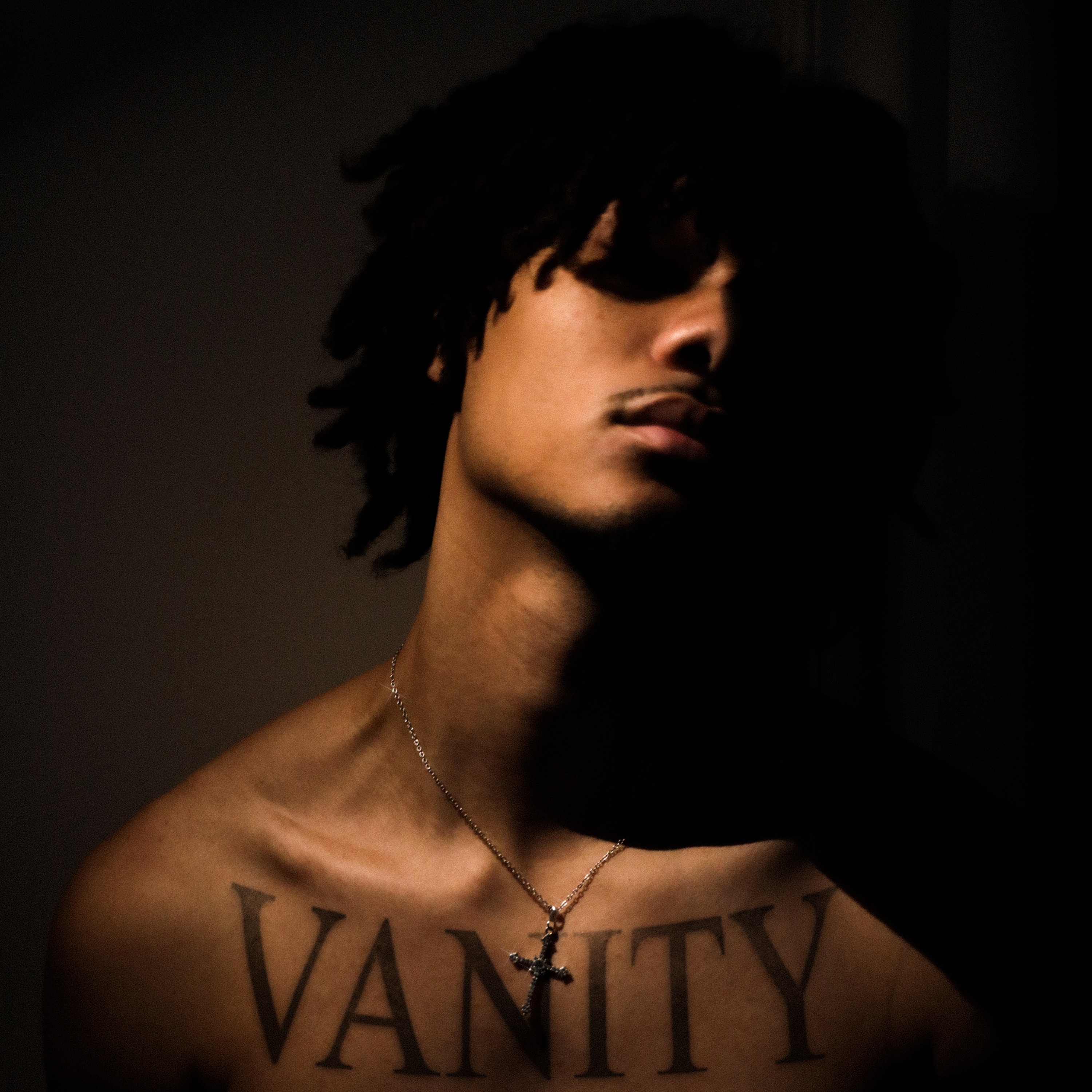
His debut EP, Vanity, arrived in July 2024. Seven tracks moving through desire, self-examination, and the distance between who you want to be and who you actually are. The title track leaned into a more classic R&B groove, the kind of thing you can hear influences in without being able to name a specific one. Confident without being cocky. Cohesive without being conservative.
The collaboration with d4vd on the project made immediate sense. Both artists grew up about ten minutes from each other in the Houston area without knowing it, and both found their audiences online before radio had any idea what to do with either of them. Their voices complement each other in the way good features do: different enough to be interesting, close enough in sensibility that the track sounds like one thing rather than two.
Vanity was not engineered to perform well on algorithmic playlists. It was structured as a body of work, sequenced with intention, and released without a manufactured press cycle around it. For a debut EP from a twenty-one-year-old on a major label, that kind of patience is not the default. Someone understood what they had. The EP rewarded the approach. Critics who had been waiting to see if the breakout moment was a one-song story got their answer.
Solace
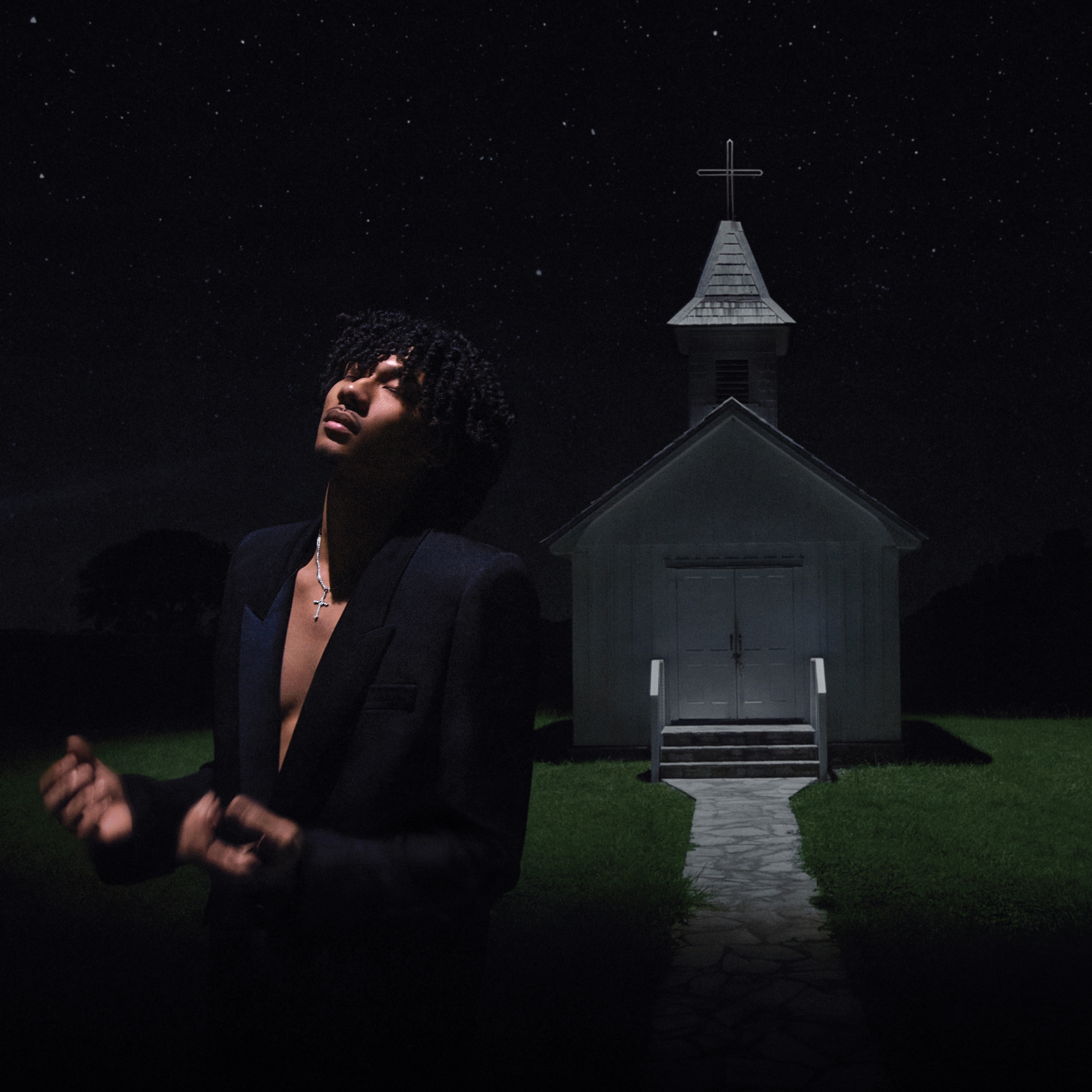
In October 2025, Bryant released his debut full-length album, Solace. The title is the thesis. Everything about the record, from sequencing to production choices to vocal performance, is built around comfort in the non-easy sense. Warm rather than soft. Honest rather than reassuring.
The production is lush without being crowded. Strings breathe. Bass sits back. His voice stays at the center and the arrangements serve it. It is the kind of album that rewards full attention rather than background play, which is a demand that feels right given what the songs are actually about. Bryant has said openly that the record was shaped by personal loss and a period of genuine difficulty. The result sounds lived-in rather than crafted.
Lyrically, Solace moves through grief, intimacy, and the kind of love that does not resolve cleanly at the end of a chorus. Songs end without tidying themselves up. Emotions sit alongside each other without canceling out. It is honest in the way the best soul music has always been honest, not performing feelings for an audience but describing what they actually look like from inside them.
Multiple tracks crossed a hundred million streams within months. The critical consensus placed it among the best R&B of the decade. The audience kept growing in directions that suggested staying power rather than a spike.
GOAT

On February 6, 2026, the animated film GOAT was released. The film is about a legend coming to terms with the end of a career at its height, and the soundtrack needed to carry that weight without overshadowing the story. Bryant contributed a cover of Crowded House's Don't Dream It's Over, and it is the kind of sync placement that defines a career stage.
His version strips the original arrangement back to essentials. Piano. Restrained vocals in the verses. A final chorus that expands outward rather than erupting. The song lands at the film's emotional peak with precision, the moment when the audience is asked to hold loss and beauty simultaneously. It does not tell you how to feel. It makes space for whatever you bring to it.
The GOAT placement was not a licensing accident. It was a recognition that Bryant Barnes had become the artist you call when you need something genuinely real, a voice an audience will trust on contact without needing setup. That trust is not manufactured. It accumulates track by track over years of decisions that put the music above everything else.
The film introduced his catalog to a new generation of listeners who worked backward through Solace and Vanity to the grandmother video and understood the whole arc in one sitting. The expansion was sustained, not a spike. The kind of audience growth that points somewhere long-term.
What He Is
Bryant Barnes is twenty-three. He has been in the music industry for fewer than five years. By any reasonable measure this is the beginning, not the peak. The EP came out. The debut album came out. The major sync placement arrived. A Grammy conversation has started in corners of serious music press. What comes next is going to be worth paying close attention to.
What is most interesting about him is the consistency of approach across all of it. He has not chased trends when trends shifted. He has not tried to fit himself into a lane that does not belong to him. He still plays piano. He still writes from personal experience. He still makes music that sounds like someone working something out honestly in a quiet room, following the thought wherever it needs to go rather than steering it toward a predetermined outcome.
The grandmother video is four years old and it still circulates. In a landscape where moments evaporate overnight, holding onto one for four years while continuing to grow is genuinely hard to do. He has done both without straining under either.
Soft in the best sense of that word. Not weak. Not uncommercial. Soft in the way a particular song can make you put your phone down and just sit with something for a few minutes. Soft in the way his grandmother's tears were soft, which is to say completely and devastatingly real. The music business runs on loud and fast and more, and somewhere inside all that noise, Bryant Barnes keeps making things that are quieter and slower and enough.
They keep finding him anyway.