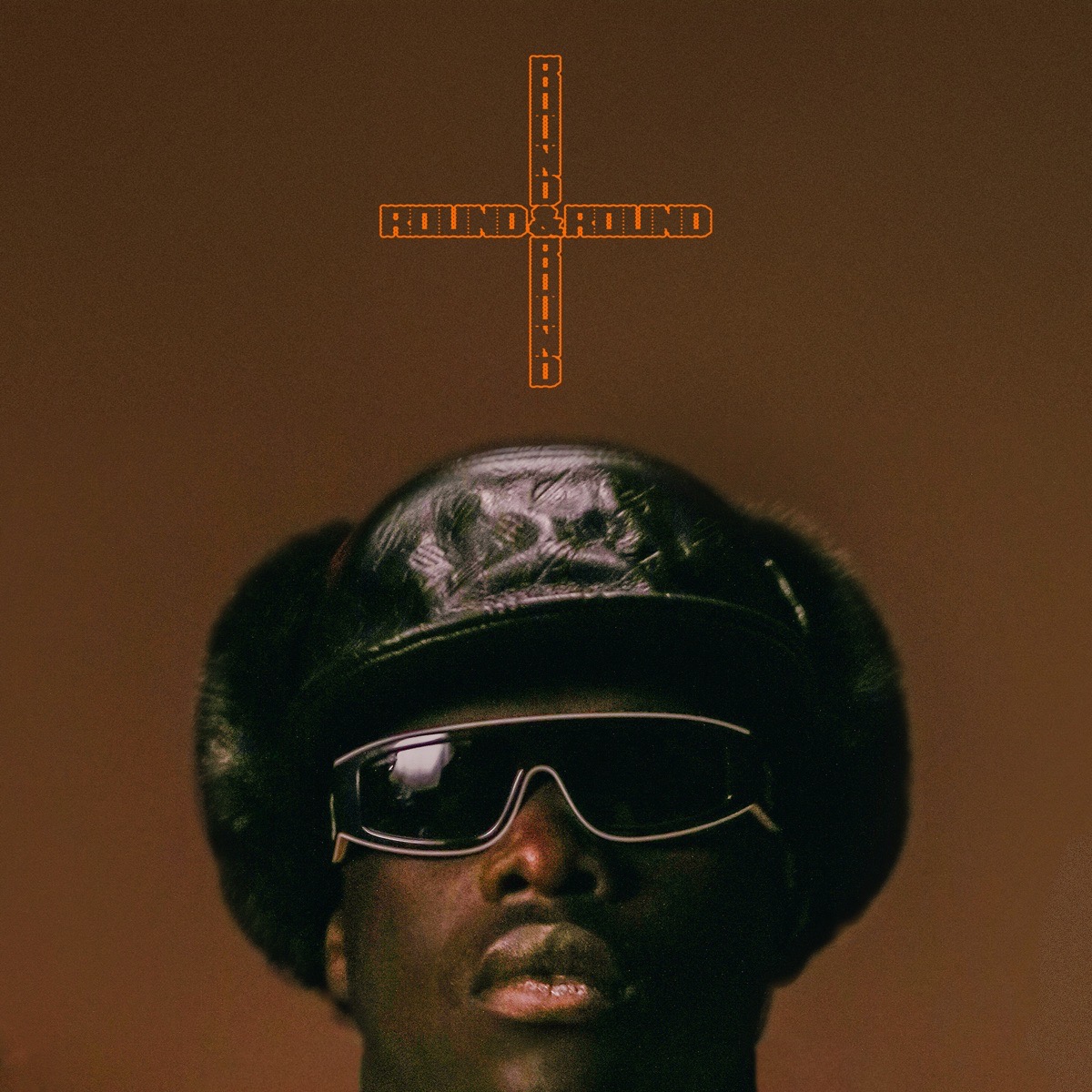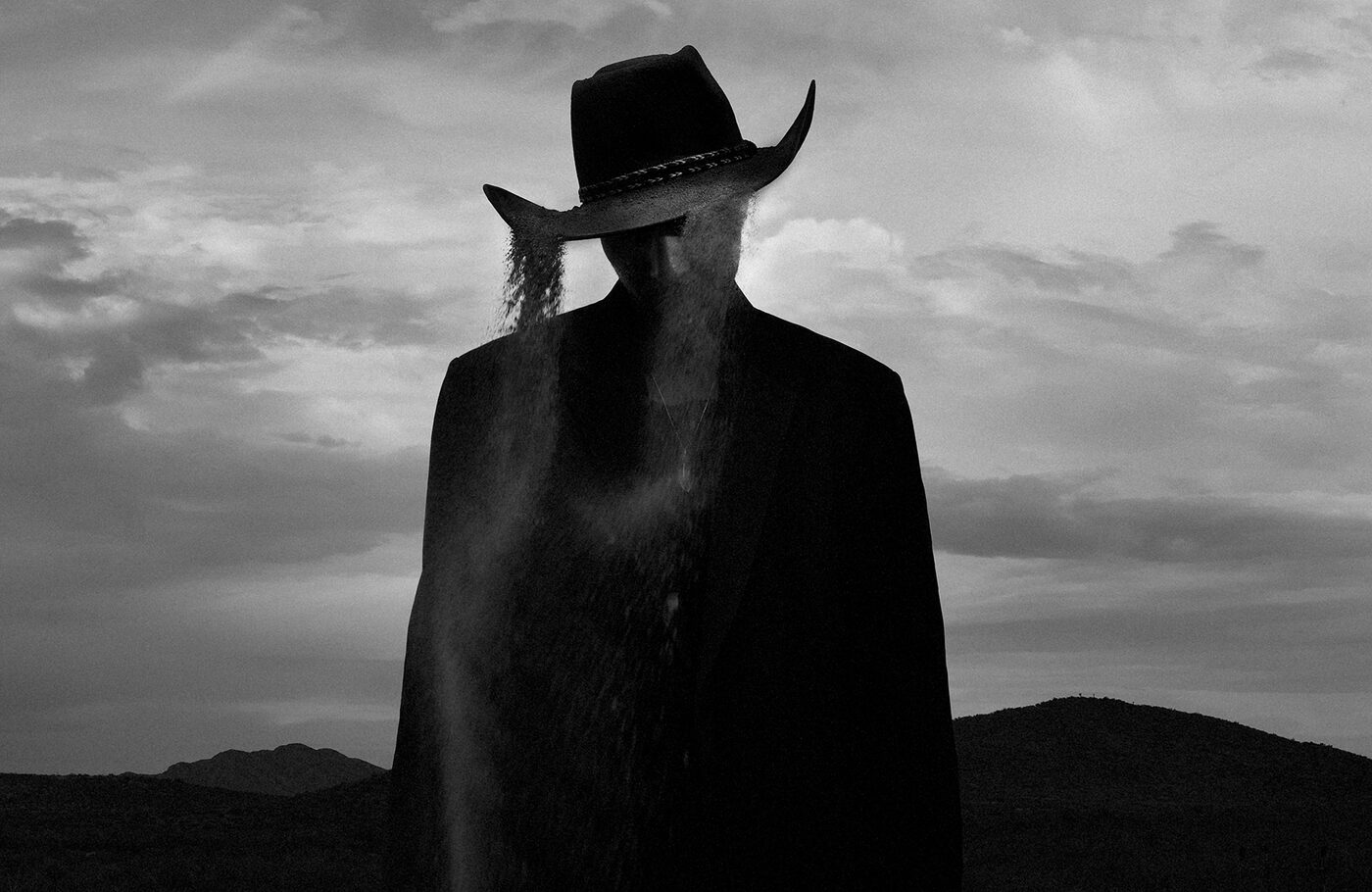
A Manchester Quartet With A Saxophone Where The Rhythm Guitar Should Be
Maruja did not arrive in 2026 with a manifesto or a single boundary breaking song that forced critics to reach for new vocabulary. The Manchester quartet has been touring relentlessly since 2018, releasing EPs and singles whenever their schedule allowed, and they spent more than half a decade building the kind of live reputation that does not translate to streaming charts but does translate to the people who book stages. When their debut album Pain to Power finally arrived in September 2025, the most common reaction in the British press was relief. The record everyone had been waiting for showed up, and it was as good as the live set always was.
The lineup is Harry Wilkinson on lead vocals and guitar, Joe Carroll on saxophone and vocals, Matt Buonaccorsi on bass, and Jacob Hayes on drums. The saxophone is the headline instrument, the part that makes anyone reading their description for the first time picture a horn led jazz combo. The reality on stage and on record is heavier and more unsettled than that. Carroll plays the saxophone the way an electric guitarist plays a wah pedal, layering his sound through effects and using it as the noise instrument the songs build to. The closest reference points in spirit are early Black Midi and Black Country New Road, both of whom are in the artonly archives, but those bands lean conservatory and Maruja lean street. The aggression is rooted, not academic.
Where The Songs Come From
The lyrics are political in a way most British rock is not right now. Wilkinson writes about housing, about police, about the wreckage that austerity left in the post industrial north. Look Down on Us is a direct song about being on the receiving end of cultural condescension. Saoirse takes its name from the Irish word for freedom and lands closer to a hymn than a punk track. Trenches is the most explicit, a song about violence and the people who keep being asked to absorb it. The band has been clear in interviews that the political content is not a marketing decision. It is the only frame that makes sense to them given who they are and where they live.
What keeps the politics from sliding into lecture is the way they sing them. Wilkinson does not have a pure rock voice. He has a slightly crackled tone that pulls toward Joe Strummer or Mark E. Smith more than any modern singer, and he uses it to shout, sigh, narrate, and pray within the same song. The result is a record that documents anger without quite turning into a protest album. The mood is more like grief, with rage as the surface texture.
The Album Itself
Pain to Power runs nine tracks across just under fifty minutes. The opener, the title track, sets the table without giving the game away. Break the Tension is the song most people heard first. It builds slowly, holds its calm for nearly three minutes, and then collapses into an extended noise passage that is closer to free jazz than rock breakdown. Saxophones shred over distorted bass. Hayes hits drums like he is trying to crack the snare. By the time the song resolves you have been somewhere.
Other highlights include Saoirse, the closest thing on the album to a single, and Look Down on Us, which works on stage as a chant that the audience joins. The closer is a long form piece called Surrender that brings the record's themes to a head without resolving them. The album does not end so much as exhale.
Why They Took So Long
Manchester has produced more than its share of guitar bands over the last decade. Most of them put out a debut within two years of forming and then either broke through or broke up. Maruja did the opposite. They toured, released EPs, played support slots, and let their live set evolve. By the time the album recording sessions began the songs had already been road tested in front of audiences who had paid attention to them through every iteration. That patience is audible. Nothing on Pain to Power sounds half formed. Even the songs that wander wander on purpose.
There is also a practical reason. The band has talked openly about the financial reality of being a working class quartet trying to fund studio time without label backing. Sony's Heavenly Recordings now distributes them in the UK, but for most of the band's existence they were funding sessions out of touring revenue and day jobs. That model is part of why the album took so long, and it is also why the record carries the weight that it does. These were songs that had to survive a lot of years before they made it to tape.
What 2026 Looks Like
The band is touring through Europe in spring with North American dates announced for fall. Festival slots that suggest the booking community has caught up with what fans of the band have been saying for years. They sit at around 165 thousand monthly listeners on Spotify, which is small relative to the hype but normal for a band whose music demands a live setting. Streaming will catch up. The slow build that defined the years before Pain to Power looks, in retrospect, like the right pace for a band whose songs need time to arrive.
If you are coming to them new, Break the Tension is the entry point. Saoirse is the second song to play. From there go to the album in full. Maruja are the rare band who reward a complete listen on the first try. The longer you stay the more sense the record makes.