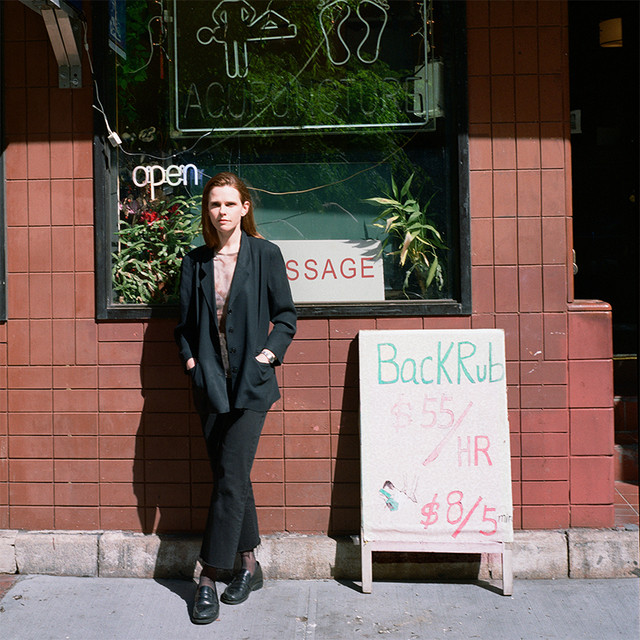
There is a kind of artist who treats the studio as a kitchen. Diambe da Silva is one of them. The Brazilian artist, born in Rio in 1993, mixes egg yolk and pigment by hand to make tempera. They cast bronze from beeswax models that started as gestures with the fingers. They keep bees. The work that comes out of all this is patient in a way that contemporary art often forgets to be.
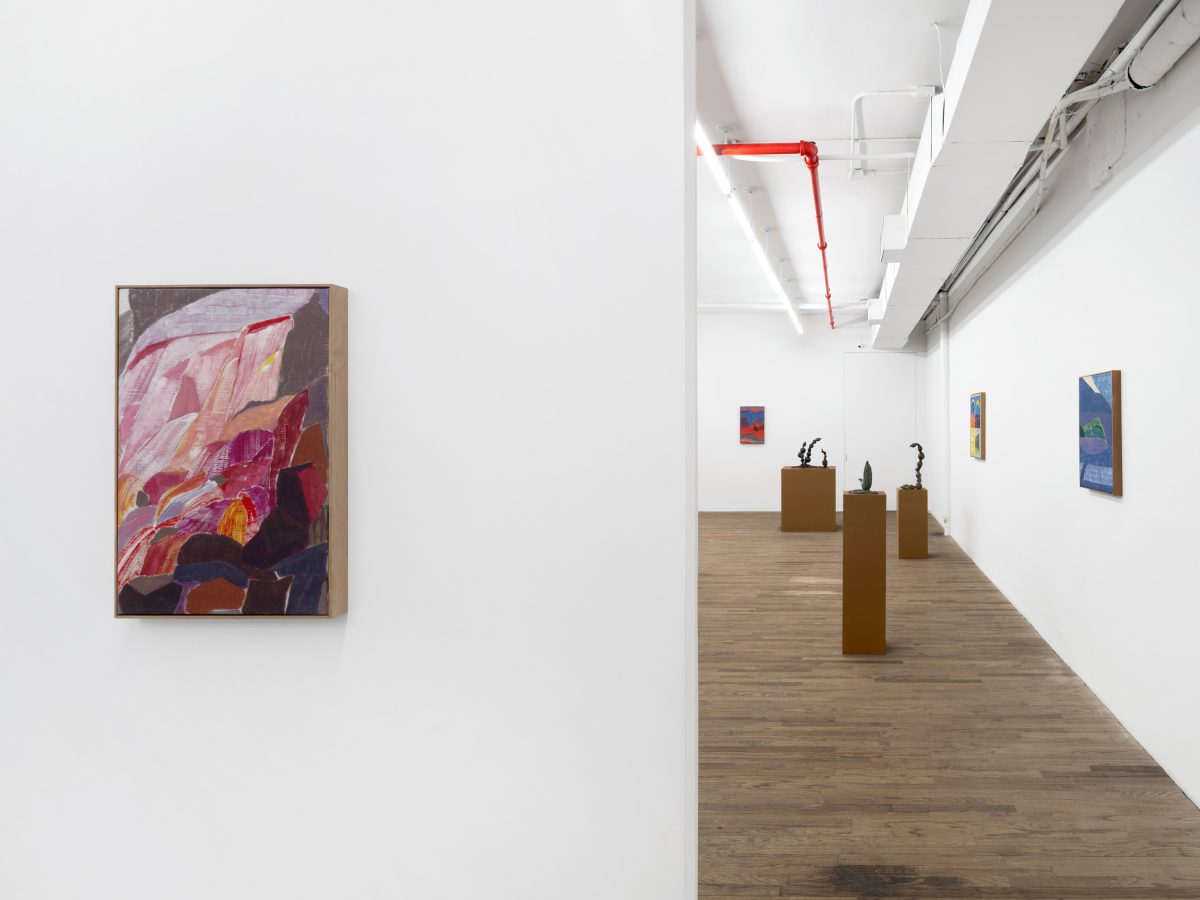
Last autumn at Kaufmann Repetto in New York, Diambe filled the gallery with novas mucosas, a series of trans-species figures somewhere between insect, root and human. The patinated bronzes looked freshly pulled from the hive. The painted landscapes around them throbbed with the same warm sweetness. Honey honey honey, they called the show, after the smell that had followed them through every stage of making it. It was a quiet exhibition that worked on you slowly.
Now Kunsthalle Basel is preparing Diambe's largest institutional outing to date, opening early next year as Bees beings beans. New sculptures, new paintings and a new film will move together like a choreography, oscillating between loss and rebirth. The bees, again, are both subject and collaborator. So is the climate that is making their lives shorter.
What moves me about this work is the refusal of speed. Lost-wax casting takes months. Egg tempera dries in seconds and demands you go back tomorrow. Diambe builds practices that match the materials, not deadlines. The result feels closer to ritual than to the white-cube circuit.
There is also the politics, never far below the surface. Diambe is non-binary, Black, and trained in Brazilian performing arts before sculpture. The diaspora references, the food roots, the tropical patterning, the bee as a colonial-era survivor: none of this is decoration. It is the work asking what it means to belong to a body, a species, a country, a temperature.
The Material Logic of Beeswax
Beeswax is not a neutral material. It has been used for centuries in West African lost-wax casting, the cire perdue process through which molten bronze displaces the wax model and takes its exact form. The technique carries history inside it. Every bronze that comes out of a wax original is a kind of translation, a document of touch turned permanent.
The supply pressure on beeswax is real and growing. Global trade demand has made the material increasingly scarce for the artisans who maintain traditional casting practices. Diambe working with it now, keeping bees, sourcing wax from their own colony, is a position as much as a method. The studio practice insists on a relationship to materials that the wider market is eroding.
The novas mucosas figures carry this weight visibly. The patina on the bronzes does not try to look ancient or authoritative. It looks like something that came out of an organic process, mottled, warm, uneven in ways that a polished casting would not allow. The surfaces hold the record of how they were made.
Performing Arts as Foundation
Diambe trained in Brazilian performing arts before moving into sculpture, and that sequence matters for how the work behaves in space. Performance training teaches the body to treat space as something structured by presence and absence, not just by objects. The installations Diambe builds have that quality. You are aware of where you are standing in relation to the figures. The sculptures position the viewer rather than simply occupy the gallery.
The Kaufmann Repetto show in New York was Diambe's first dedicated exhibition in that city. The title Honey honey honey was not poetic shorthand. It named the condition of making the work: the smell, the physical proximity to the material at every stage. First-time New York audiences encountering the novas mucosas series had no prior frame for it, and that absence of context worked in the show's favor. The work was encountered as itself.
Bees beings beans at Kunsthalle Basel
Kunstalle Basel's programme running from January 23 to April 12, 2026 is the fullest presentation of Diambe's practice to date. The addition of film to the mix of sculpture and painting introduces duration as a new variable. Where the bronzes and temperas ask you to stand still and look, the film asks you to stay. The choreographic relationship between the three mediums, the phrase the artist uses, is not metaphorical. The pacing of one medium is designed to affect how you move through the others.
The oscillation between loss and rebirth that structures the Basel show is not a thematic announcement. It is built into the physical processes. Bronze casting destroys the wax original in order to preserve its form. Egg tempera requires layering over time, each application concealing and building on what came before. The bee colony, as subject, is something that loses and regenerates continuously. The logic of the materials and the logic of the argument run together.
Tempera, Time, and Attention
Egg tempera is a commitment. The medium dries faster than oil and cannot be blended the way oil can. Each mark dries as it was laid, which means errors remain visible and deliberate revision requires layering rather than correction. Painters who work in tempera develop a particular relationship to intention. The hand has to know what it wants before it touches the surface.
For Diambe, who learned to read a room through performance training and learned to read materials through sculpture, tempera is a matching of disciplines. The performing arts teach you to commit. Tempera enforces it. The painted landscapes in the novas mucosas series have that quality of commitment. They do not look labored over. They look decided.
What This Practice Refuses
Contemporary art rewards legibility. The bio, the statement, the single recognizable gesture that can be compressed into a press release. Diambe's practice resists that compression. It spans painting, sculpture, performance, textiles, and film. It reaches into ecology and colonial material history. It is non-binary and Black and Brazilian and trained in a way that does not reduce to a single origin story.
The PIPA Prize, which recognizes Brazilian contemporary art, places Diambe in a regional conversation that the international institutional circuit sometimes misses. The Ocula profile places them in the global collector and critic circuit. These audiences do not naturally overlap, and Diambe is building work that earns both without performing differently for each.
Go see it slowly. Stand close enough to the bronze that you can almost taste the wax. Diambe is making the kind of art that rewards a second visit.