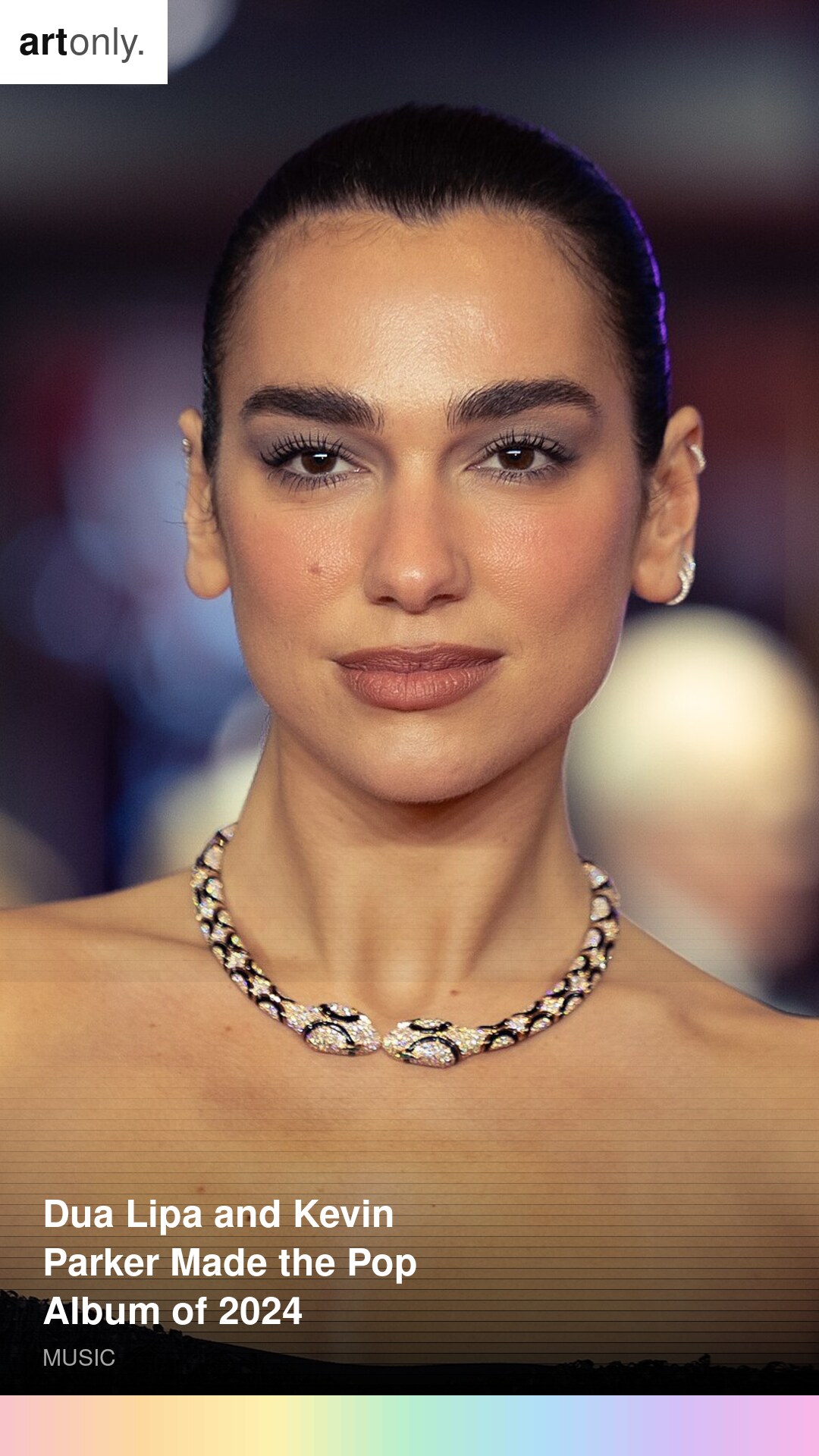
Radical Optimism is what happens when the biggest pop star in the world hands her album to the most meticulous producer in psychedelic music and tells him to make it sound like the future.
Dua Lipa's third studio album, released in May 2024 and produced largely by Kevin Parker of Tame Impala, is a record that should not exist. The commercial logic of following up Future Nostalgia, one of the most successful pop albums of the 2020s, would dictate more of the same: more disco, more retro hooks, more immediately accessible singles designed to dominate streaming playlists.
Radical Optimism went in a different direction. Parker's production gave the album a spaciousness and textural complexity that pop records rarely attempt. The beats hit, but they also breathe. The hooks are present, but they are wrapped in layers of reverb and psychedelic guitar that reveal themselves over multiple listens.
The Singles
Houdini, Training Season, and Illusion all reached the UK top ten. Each single demonstrated the album's central proposition: that pop music can be simultaneously immediate and deep, that a song can make you dance on first listen and reveal new details on the twentieth.
Glastonbury
Dua Lipa headlined Glastonbury Festival in June 2024, and Parker joined her onstage. The moment was symbolic of the collaboration's nature: two artists from different worlds meeting in the middle and discovering that the middle is more interesting than either extreme.
The Tour
The Radical Optimism Tour launched in November 2024 and ran through December 2025, spanning eighty-one shows and grossing over 141 million dollars in its first fifty-nine dates. It was her highest-grossing tour, a commercial validation of the creative risk she took by abandoning the proven formula of Future Nostalgia.
The New Rules Remix
For those who want to hear where Dua Lipa's retro sensibilities began, the Initial Talk Remix of New Rules remains one of the best synthwave reworkings of a modern pop song. Released in 2017, it reimagined the track as an eighties anthem with a production style that feels prophetic in hindsight. The line from that remix through Future Nostalgia to Radical Optimism traces an artist who has always been drawn to the past but has never been content to stay there.
Listen to New Rules (Initial Talk Remix) on SpotifyKevin Parker and the Tame Impala Method
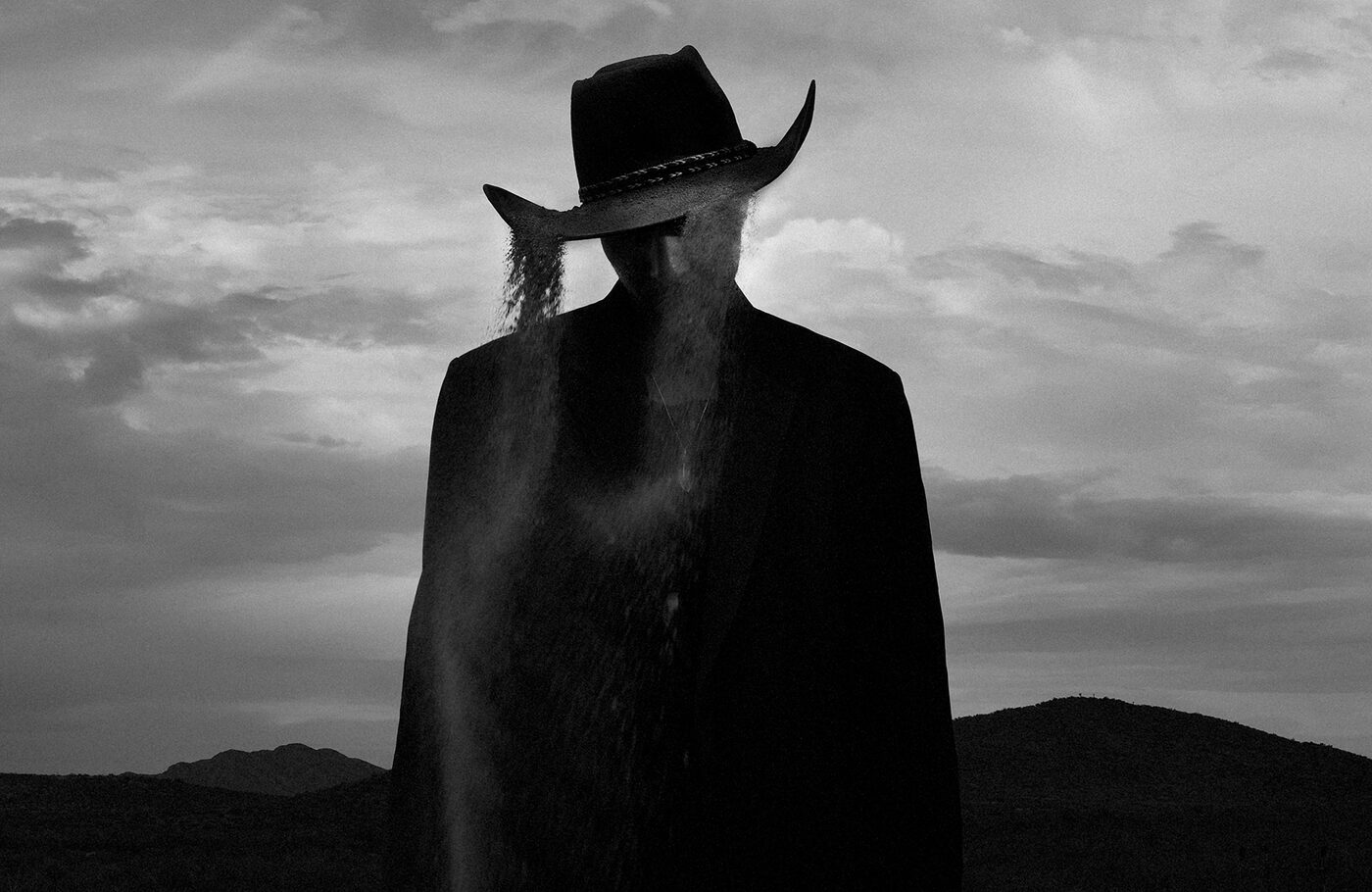
To understand what Parker brought to Radical Optimism, it helps to understand what he does in his own projects. Tame Impala albums are not psychedelic rock records in the traditional sense. They are meticulous studio constructions that use psychedelic aesthetics, the reverb-saturated guitars, the swimming pitch effects, the deliberately artificial drum sounds, as production tools rather than genre signifiers. Parker has always been interested in how far you can push studio production without losing the emotional directness that makes pop music work.
Radical Optimism gave him a test case with higher commercial stakes than anything he had attempted before. Dua Lipa's audience is not the Tame Impala audience. The overlap exists but it is not the majority of either. Making an album that could serve both, that could land Houdini on UK top ten radio while also rewarding the kind of deep listen that Tame Impala's own Deadbeat demanded from its audience, was the challenge. The commercial results confirm he met it.
The Future Nostalgia Comparison
The conversation around Radical Optimism cannot avoid Future Nostalgia, and it should not. The 2020 album was so good and so well-executed within its retro-pop framework that any subsequent album faced an implicit comparison. Future Nostalgia's genius was its deployment of a very specific era, late seventies and early eighties pop, disco and synth-pop, as a total aesthetic framework. Every element of the album and its rollout operated within that framework with unusual consistency.
Radical Optimism does not have that kind of total aesthetic coherence, and that appears to be a conscious choice. Where Future Nostalgia was a sealed environment, Radical Optimism is open. Parker's production lets elements breathe and conflict in ways that a more controlled approach would have smoothed out. The result is less immediately pleasurable but more interesting to live with. It is the difference between a perfect pop artifact and a record that reveals itself over time.
What the Creative Risk Signals
The decision to work with Parker rather than the Future Nostalgia production team was the most consequential creative choice of Lipa's career. It was a rejection of the most obvious and commercially safe path in favor of genuine artistic curiosity. This kind of decision is easier to respect than it is to make. The commercial pressure on a follow-up to an album of Future Nostalgia's scale is enormous and specific: replicate what worked, do not confuse the audience, protect the streaming numbers.
The comparison to Billie Eilish's no-singles gambit on HIT ME HARD AND SOFT is instructive here. Both decisions trusted the audience with something more complicated than what the market was explicitly requesting. Both were commercially validated. The lesson is not that commercial risk always pays off, it does not. The lesson is that artists with genuine creative convictions, backed by genuine craft, can sometimes make the market follow them rather than the other way around.
Radical Optimism is Dua Lipa making that case on the largest possible stage and winning.
The Optimism in Radical Optimism
The album's title is worth taking seriously as a statement of intent. Radical optimism is not naive positivity or commercial cheerfulness. It is a deliberate philosophical orientation toward the future, a choice to believe that things can be better, maintained in full knowledge that they might not be. The political and emotional climate in 2024 made that choice genuinely countercultural. Most commercially successful music was either escaping the present or documenting its problems. Radical Optimism committed to something harder: forward motion made with open eyes.
Parker's production serves this thesis. The album does not sound like it is retreating into comfortable nostalgia. The sonic references are there, but they are deployed as tools rather than destinations. The result is music that feels like it belongs to the present moment while drawing from everything that came before it, which is the only way optimism can be radical: rooted enough to be credible, open enough to move forward.
Dua Lipa and Kevin Parker made something that justified the collaborative risk they took. The argument it makes, that pop music can be simultaneously ambitious and joyful, that commercial success and artistic integrity are not necessarily in opposition, is one worth making. And it lands.