Erika de Casier: The Cool Geometry of Desire
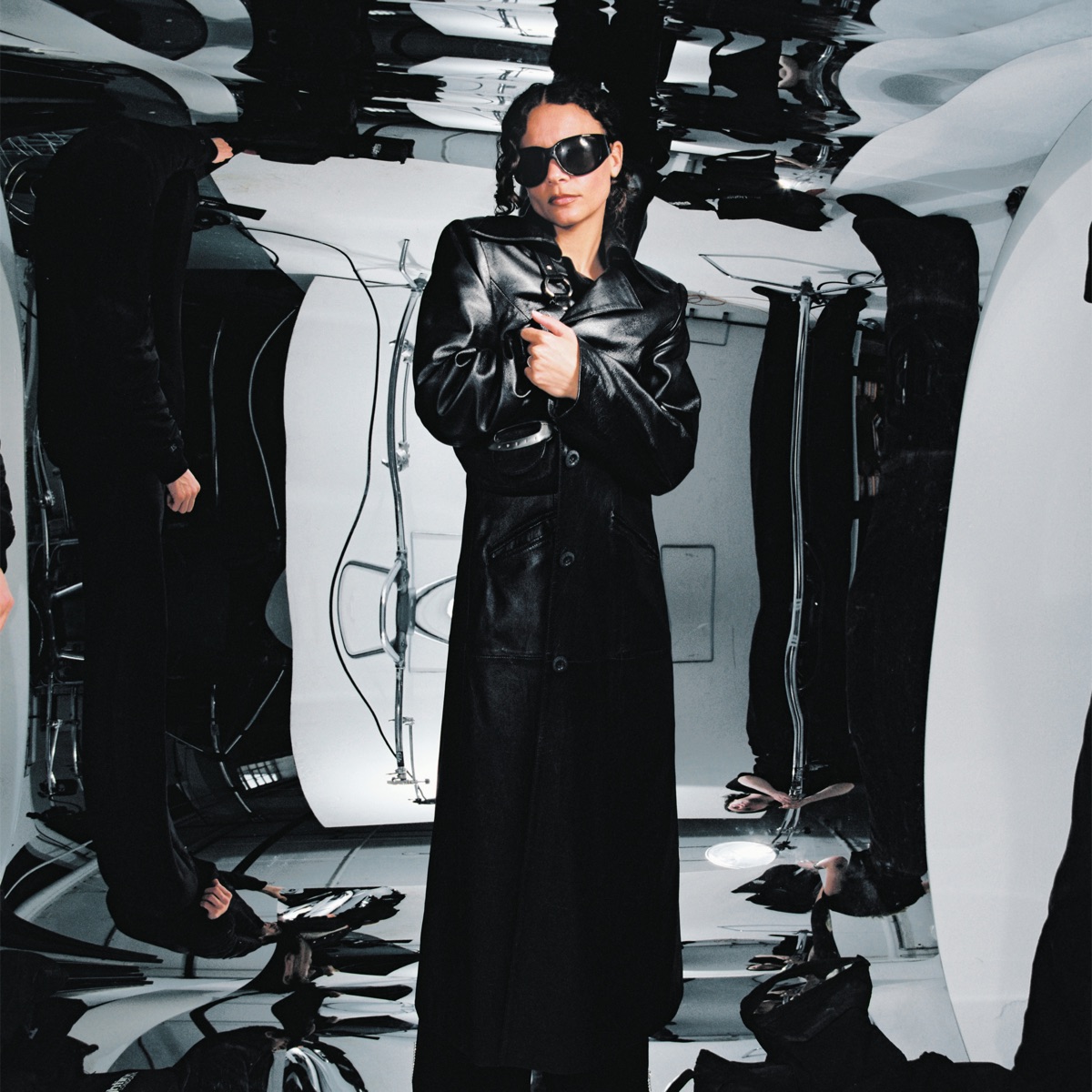
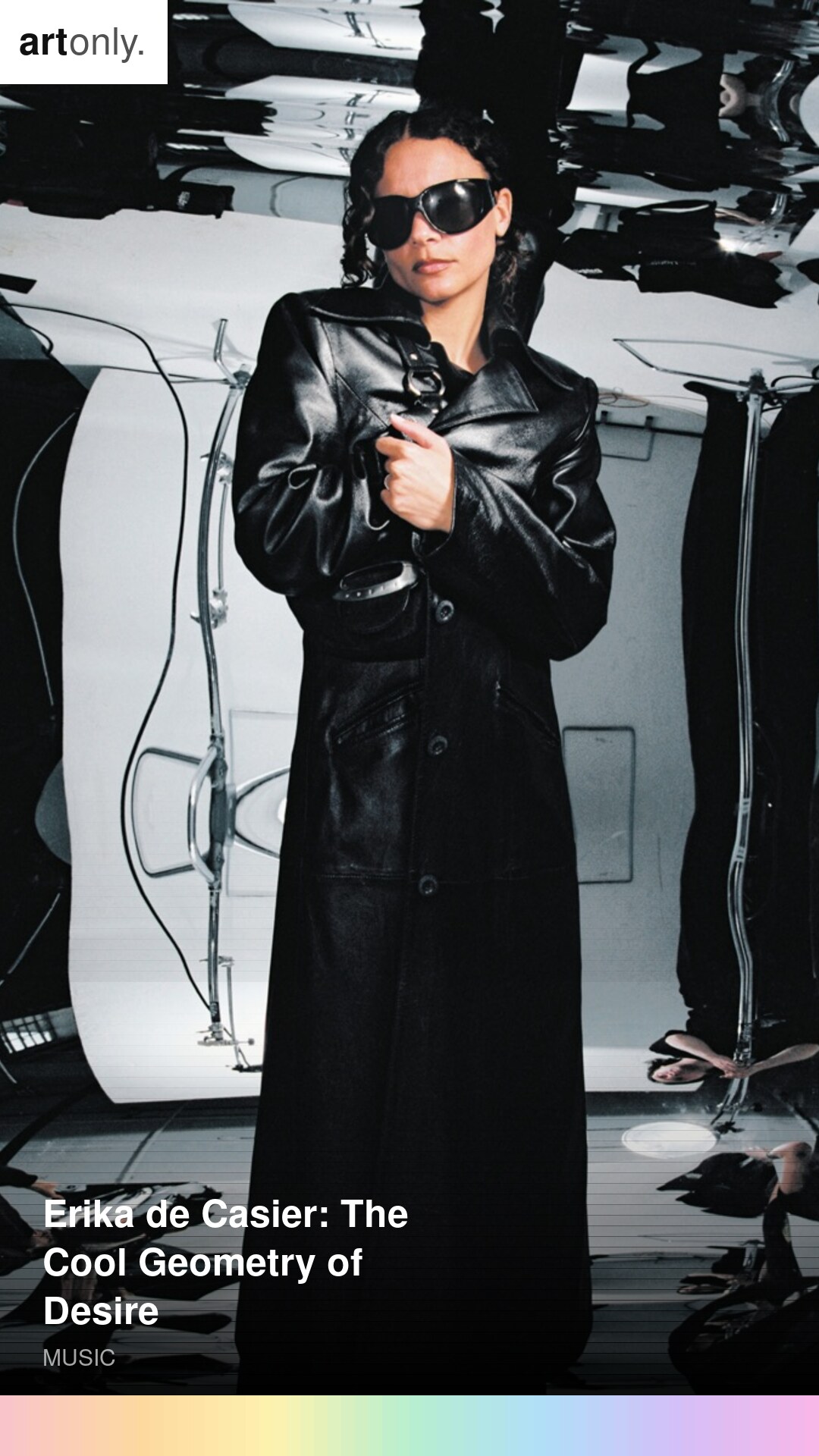
"ice" opens with a stillness that feels choreographed. Danish-Portuguese singer Erika de Casier doesn't rush to grab you. She waits, and you lean in. That patience is the whole point. Across Still, her third album on 4AD, de Casier has refined something rare: R&B that trusts the gap between notes as much as the notes themselves.
The album is studded with miniature dramas. "Home Alone" catches you in that particular loneliness of scrolling through your phone at 11 PM. "Toxic" channels something closer to sharp self-awareness than victimhood. And "My Day Off" is an R&B song genuinely about laundry and not answering emails, which sounds ridiculous on paper and sounds perfect in practice. She doesn't oversell the mundane. She presents it with enough deadpan wit to make it feel like excavation.
What makes Still remarkable is its restraint. Where contemporaries are layering everything, vocal stacks, processed delays, maximal production, de Casier strips down. "Right This Way" runs on a bass groove and barely anything else. "Twice," with Blood Orange, floats on warmth without ever quite landing. "Anxious" acknowledges the nerves underneath her composed exterior, a confessional moment hidden inside minimalism.
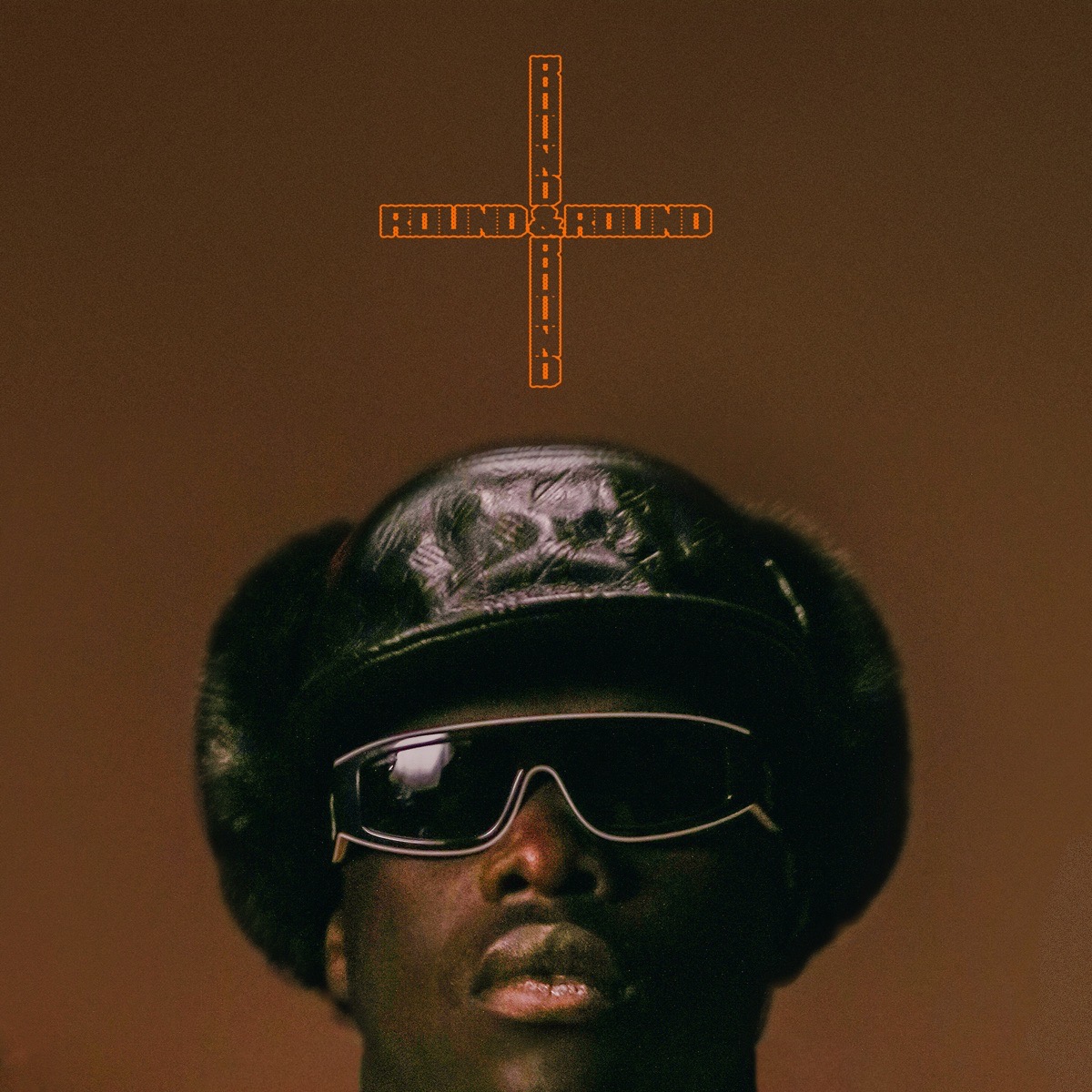
She brought in They Hate Change for "ice", the Tampa duo whose music lives at the same intersection of hip-hop and Y2K-era R&B, and the fit feels less like a feature and more like parallel thinking. Two artists who arrived at the same conclusion about how sounds should move.
The Architecture Behind the Cool
De Casier's minimalism is not simplicity. It is reduction, which is a different operation entirely. Simplicity means starting with a small idea. Reduction means starting with a full one and removing everything that isn't essential. The distinction matters because it explains why Still rewards repeated listening in the way that genuinely simple music cannot. There are decisions behind every spare arrangement, and those decisions reveal themselves gradually.
Take the drum programming throughout the record. The patterns are never showy, but they're also never generic. Each track has percussion that was designed specifically for it, that carries the emotional logic of the song rather than just providing a rhythmic bed. "Home Alone" has kick and snare placement that makes the loneliness of the lyric feel rhythmic, felt in the body, not just understood. That kind of alignment between formal element and emotional content is production intelligence of a high order.
The bass is the other constant. De Casier's bass choices are always low, always deliberate, always the spine of an arrangement that everything else hangs from. She never lets the top end of a track carry weight that the low end should be providing. This is a mixing philosophy as much as a compositional one, and it's part of why Still sounds finished in a way that albums with more sonic information sometimes don't.
The Denmark Factor
De Casier is Danish-Portuguese and based in Copenhagen, and the Danish context matters more than it might initially seem. Denmark has produced a particular strain of pop music over the past decade, artists like MØ and Kwamie Liv, that combines cool compositional intelligence with genuine emotional directness, and that combination is visible in de Casier's work. The coolness is not detachment. It is a way of making room for feeling without sentimentalising it.
Copenhagen's music scene is small enough that serious artists know each other, work together, and develop their ideas in close dialogue. This is not the competitive isolation of London or New York, where every artist is constructing a unique brand identity in a saturated market. The Danish context produces music that is confident in its influences, willing to work in traditions rather than against them, and precise in ways that suggest careful listening to peers rather than anxious differentiation from them.
De Casier's connection to 4AD, which signed her in 2021, gave her international reach without removing her from that context. The label's roster of artists who prioritise craft over commercial positioning made it the right home for work this specific in its intentions.
The Y2K Reference and What She Does With It
The Y2K-era R&B that runs through de Casier's aesthetic is worth being specific about. The reference is not to the commercial mainstream of that era, not to Destiny's Child or Usher. It's to the quieter, stranger edges of late-1990s and early-2000s production, to tracks that got lost in the shuffle of a crowded decade and now feel more prescient than the things that dominated at the time.
This specificity is a taste position. De Casier is not doing nostalgia. She is extracting a production logic from a particular era and applying it to contemporary songwriting. The result is music that sounds of a specific time without being trapped in it, which is exactly what the best reference-heavy production manages to achieve.
They Hate Change's presence on "ice" reinforces this. Fraxxx and Yaw Atta have spent their entire career at the intersection of Southern hip-hop and Y2K-adjacent electronic R&B, and they understand the production logic de Casier is drawing on. The collaboration produces a track that feels less like two distinct acts and more like one musical position stated twice, from slightly different angles.
What Minimalism Costs and Pays
Making records as restrained as Still requires confidence that is hard to sustain in a streaming environment that rewards immediate sonic gratification. The algorithmic pressures on contemporary R&B push artists toward the kind of production density that works in the first thirty seconds of a recommendation, the sonic hooks that make someone stop scrolling.
De Casier has consistently refused that pressure. Her records build slowly and pay dividends over time, which is a commercial position as much as an aesthetic one. The audience that finds Still will stay with it. The casual listener who encounters it without the patience for restraint will move on. De Casier has accepted this trade.
The 4AD signing is the infrastructure that makes this possible. The label has a long history of supporting artists whose work demands patient listening, and its roster context, This Is The Kit, Big Thief, Daughter, signals to listeners that what they're getting is not easy consumption. That context is part of the value proposition de Casier is working within.
Still is for late-night drives and early mornings. The more you listen, the more architecture you find behind the cool surface.