Resistant to Everything Including Attention
There is a type of UK artist who seems genuinely uninterested in being found. Not performing reluctance, actually reluctant. fakemink is one of those artists, and The Boy Who Cried Terrified, his debut record released earlier this year through a small independent, has the quality of something made for a specific audience of one and accidentally overheard by everyone else.
That is not a knock. It is the record's most significant quality. The songs on The Boy Who Cried Terrified do not make concessions. They do not tidy up their corners. They sound like private recordings that have been given slightly more production than a voice memo but significantly less than anything designed for commercial consumption. That is a precise creative decision, and it works.
London as Interior Landscape
fakemink, real name withheld, deliberately, is from South London, and the album is saturated with the kind of urban melancholy that city produces in its artists at a particular rate. But where most South London records engage with the city as backdrop, The Boy Who Cried Terrified uses the city as interior, as the landscape of the narrator's anxiety rather than the setting for his story.
The production, which fakemink handles entirely himself, is lo-fi in the precise sense of the word: low fidelity to convention, not to quality. The textures are deliberately degraded. The drum machines sound like they were recorded through a pillow. The synths drift at the edges. None of it sounds accidental.
This is the production style of an artist who knows exactly what he is doing and has decided that the degraded texture is load-bearing. The warmth that comes through the static is not warmth despite the lo-fi aesthetic. It is warmth because of it. Clean production would remove the intimacy. The grit is the point.
The Vocal Performance
fakemink sings the way someone talks when they think no one is listening. Flat affect, sudden sincerity, no vibrato, occasional cracks that are left in because removing them would make the songs less true. On Terrified (the track, not the album), he admits something in the second verse that most artists would cut. He leaves it. It stays in the room with you for days.
His influences are audible but not imitated. There's Archy Marshall's capacity for emotional opacity, JPEGMAFIA's production aggression filtered through much quieter intentions, and something that sounds like early Syd before The Internet existed as a project. None of those comparisons are exact. They are pointing directions, not destinations.
The vocal mix is consistently dry, close, with almost no reverb. This is unusual for music in this sonic register, where reverb typically functions as a kind of emotional cushioning. fakemink removes the cushion. The voice arrives unprotected. This forces a level of proximity between listener and singer that most artists avoid, because proximity is demanding. He makes the demand without apology.
The Birthday Release
The Boy Who Cried Terrified dropped on January 29, 2026. That is fakemink's 21st birthday. Releasing your debut record on your birthday is either sentimental or a statement, and in this case it reads as both. It marks a threshold. It frames the record as the document of something ending and something beginning simultaneously. The title reinforces this: crying terrified is not the same as being terrified. It is performing the feeling, or processing it, or trying to locate it in language. The distinction is the record's central preoccupation.
Why This Exists
The album exists because fakemink made it. There is no A&R story here, no development deal, no strategically timed single rollout. The Boy Who Cried Terrified appeared on streaming platforms with minimal announcement and has been finding its audience slowly, the way records used to before algorithms made that process feel like failure.
It is not a failure. It is a record made entirely on the artist's own terms that happens to be genuinely good. In 2026, that combination is rarer than it should be.
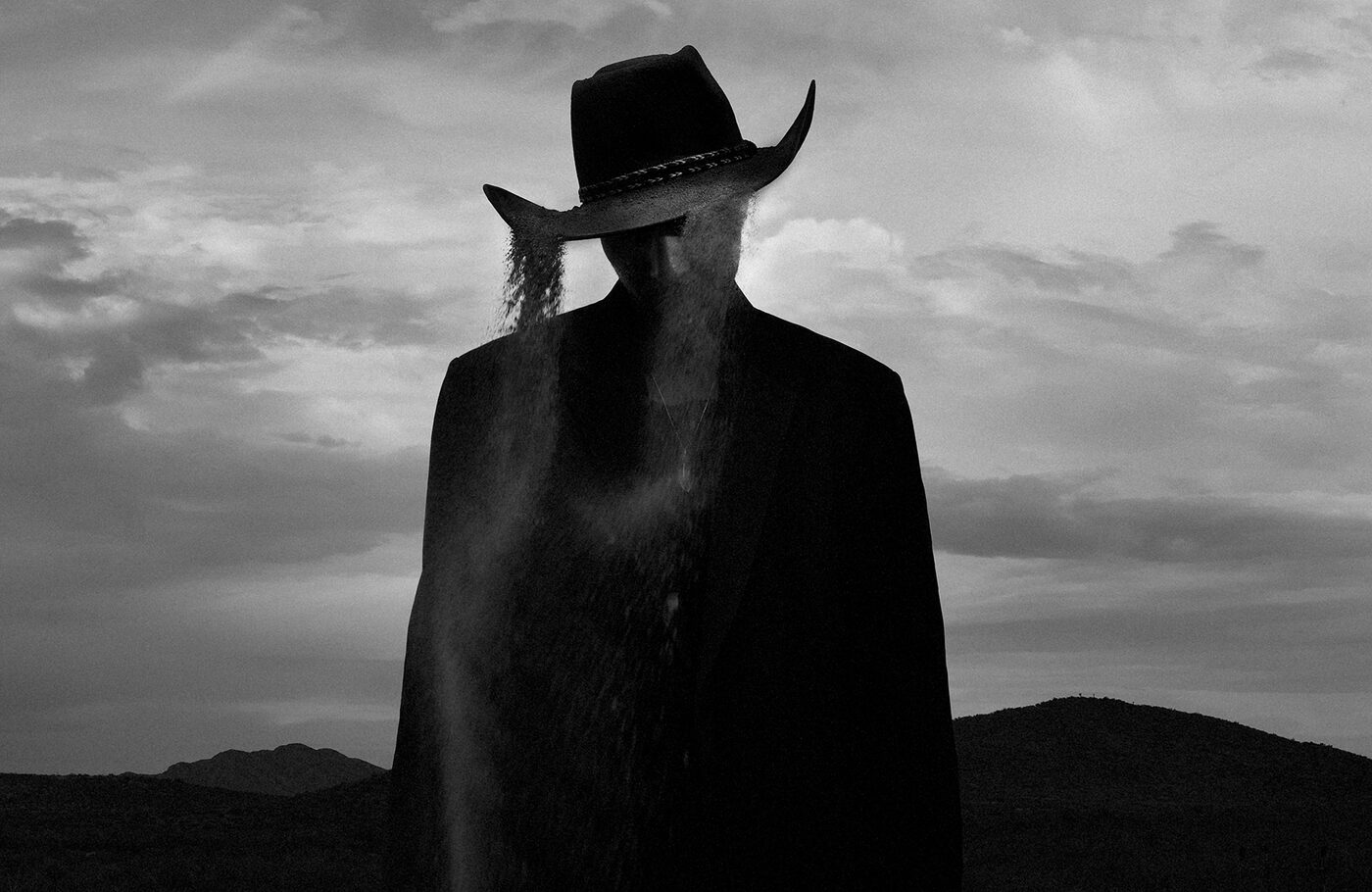
The Dazed Spring 2026 cover, shot by Hedi Slimane, followed the record. Slimane has an eye for artists whose visual presence is inseparable from their sound, and fakemink belongs in that category. The photographs carry the same deliberate rawness as the music: underlit, close, refusing to glamorize.
Watch fakemink. Not because he is about to break through in any conventional sense, he may not be, but because the people who make music like this, on these terms, with this level of self-possession at this stage, tend to matter for a long time.
What the Production Is Building
The lo-fi aesthetic on The Boy Who Cried Terrified is structural, not stylistic. The production choices create a specific kind of intimacy: the dry, close vocal mix places the listener inside the room rather than at listening distance. The degraded drum textures create warmth without polish. The synths that drift at their edges suggest a recording environment where perfection was not the target.
This is production as emotional architecture. The roughness is load-bearing. Smooth production would create distance between the voice and the listener. The grit closes that distance. By the time the second verse of Terrified arrives, you are not observing someone process something. You are present for it.
fakemink has described his approach in terms of emotional truth over technical polish. That framing is precise. The record is not lo-fi because he lacks the skills or resources to make something cleaner. It is lo-fi because cleaner would be false. The texture is the argument. The vulnerability in the vocal mix is not accidental. It is the point. An artist who removes the cushion between their voice and the listener, who does so consistently across a full record, is making a demand on the audience: stay present, or leave. The Boy Who Cried Terrified is demanding in this precise way, and it earns the demand by delivering something worth staying for, and then staying with. The record does not resolve. It simply ends, which is its own kind of honesty about what the experience it documents actually feels like.